Night Hospital: Bridging the After-Hours Care Gap
Scientifically Reviewed · Dr. Marwa Abd-Alazim · September 13, 2026
Review Criteria & Clinical Standards
This content undergoes rigorous scientific peer-review and medical editorial standards at Arab Psychology Network to ensure clinical accuracy, validity, and compliance with evidence-based guidelines from leading psychological and healthcare authorities (APA / WHO).
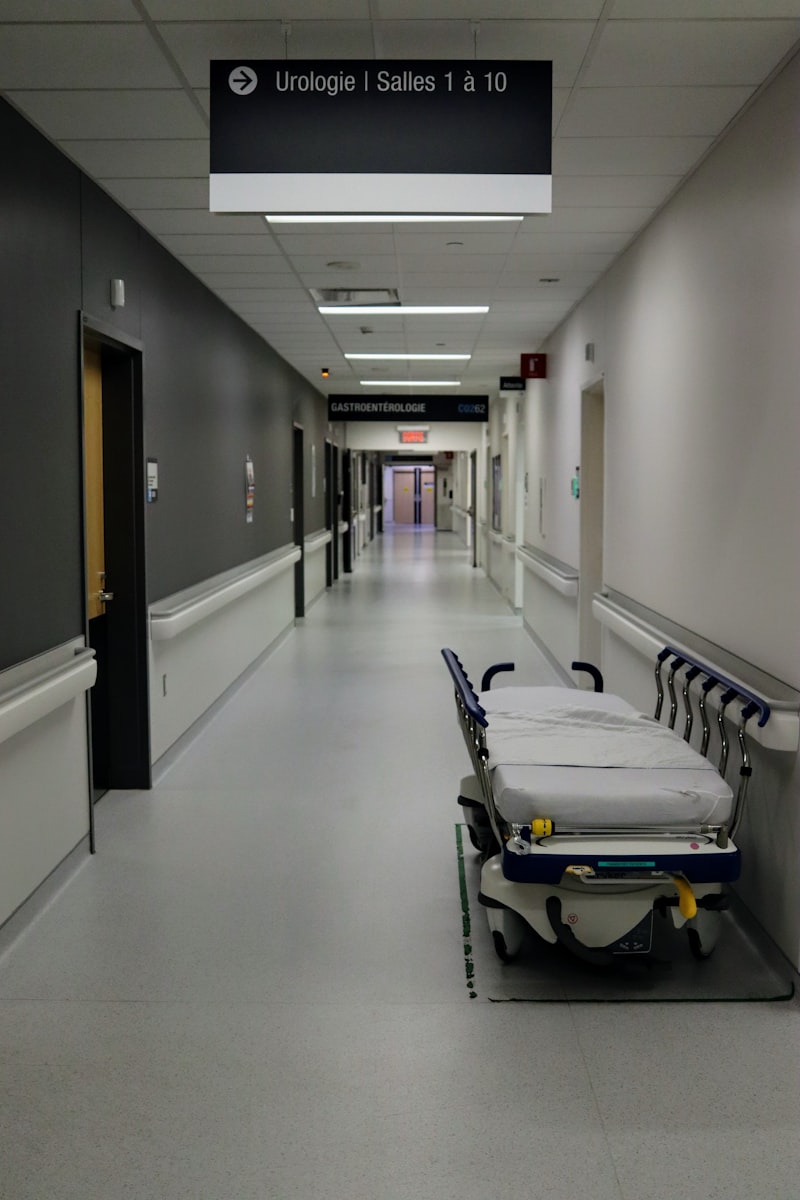
NIGHT HOSPITAL (Night Care Program): A Model for Enhanced Evening Clinical Access
The Night Hospital, often formally referred to as a Night Care Program, represents a crucial innovation in clinical service delivery, specifically designed to address significant gaps in patient access to specialized medical care during non-traditional hours. This model functions as a dedicated clinical unit that operates primarily during the late afternoon and evening, typically spanning the hours of 6:00 PM to 12:00 AM. Its core mission is to provide comprehensive, high-quality medical assessment, intervention, and stabilization services when conventional primary care offices and specialized ambulatory clinics are closed. By concentrating resources during these critical transition hours, the Night Hospital seeks to ensure continuity of care, facilitate rapid intervention for acute but non-emergent conditions, and significantly reduce reliance on high-cost, high-acuity services such as the Emergency Room (ER) for routine or semi-urgent medical needs.
The operational framework of the Night Hospital is meticulously structured to optimize patient flow and resource utilization during peak evening demand. It is not merely an extended hours clinic, but a fully integrated clinical care initiative capable of offering diagnostic procedures, minor treatments, pharmacological interventions, and specialized consultations. Crucially, the program is generally accessible to a broad spectrum of patients, including both those formally admitted to the facility (inpatients) who require specific evening monitoring or therapy, and those accessing the services on an outpatient basis (walk-ins or scheduled evening appointments). This dual capacity ensures that the program serves both chronic care management needs and acute episodic care requirements, thereby establishing itself as a flexible and essential component of a modern, holistic healthcare system dedicated to 24-hour medical accessibility.
Understanding the fundamental utility of the Night Care Program requires acknowledging the systemic limitations inherent in traditional healthcare schedules. A vast segment of the working population struggles to access necessary medical evaluations or follow-up treatments during standard daytime business hours, leading to delayed care or inappropriate use of the Emergency Department. The Night Hospital directly mitigates this issue by offering a structured, professional environment where care can be delivered without the bureaucratic hurdles often associated with appointment scheduling or the long wait times typical of overwhelmed emergency settings. The design goal is explicit: to drastically reduce the time interval between a patient recognizing a need for care and the actual delivery of that necessary medical service, thereby promoting improved health outcomes and enhancing overall patient adherence to treatment plans.
Historical Development and Clinical Rationale
The conceptualization of the Night Hospital model emerged largely in response to the escalating crisis of Emergency Room overcrowding witnessed across industrialized nations since the late 20th century. Healthcare administrators and policymakers recognized that a significant percentage of ER visits were for conditions classified as non-emergent or primary care sensitive, meaning they did not necessitate immediate life-saving intervention but could not wait until the following morning. This pattern not only strained valuable emergency resources but also resulted in suboptimal patient experiences, including prolonged waiting periods and potentially higher costs of care delivery. The historical imperative thus became identifying an intermediate level of care that could effectively manage this volume of semi-urgent evening demand.
Early iterations of evening clinical programs often lacked the comprehensive staffing and diagnostic capabilities required for true stabilization and follow-up. However, the Night Hospital, as currently conceived, represents an evolution toward a highly functional, specialized unit. Its rationale is rooted in the principle of demand-matching: providing the right level of care at the right time. By operationalizing a robust clinical team during peak usage times (post-workday hours), institutions can strategically divert patients away from the ER, reserving those resources for genuine medical emergencies. This systematic approach allows health systems to distribute the patient load more evenly across the 24-hour cycle, moving beyond the traditional 9-to-5 model that proved inadequate for modern population health needs.
A significant driving force behind the adoption of Night Care Programs is the commitment to improving access for vulnerable populations. Patients with chronic conditions, such as diabetes, hypertension, or moderate mental health issues, often require immediate adjustments to their treatment protocols or stabilization of acute exacerbations outside of regular hours. Without the Night Hospital, these patients face limited options, often leading to unnecessary hospitalization or severe deterioration overnight. The clinical rationale mandates that specialized, accessible care minimizes these risks, ensuring that patients receive timely pharmacological adjustments, diagnostic tests (like rapid lab work or imaging), and specialized consultations that prevent minor issues from escalating into major health crises requiring intensive inpatient services.
Operational Structure and Service Delivery Models
The operational structure of the Night Hospital is characterized by its flexibility and its capacity for rapid throughput. Unlike traditional primary care offices, the Night Hospital typically operates on a non-appointment basis for many acute presenting complaints, mirroring the immediacy of an urgent care setting but with enhanced staffing and resources often comparable to a low-acuity unit within a hospital. The program’s physical layout is generally designed to facilitate efficient assessment, triage, treatment, and discharge, often featuring dedicated observation beds, procedure rooms, and quick access to institutional diagnostic services (e.g., radiology and laboratory).
Service delivery within the Night Hospital encompasses a wide array of medical functions. These services include, but are not limited to, the management of acute infections (e.g., urinary tract infections, severe respiratory issues), minor trauma requiring suturing or splinting, acute pain management, rapid psychiatric assessment and stabilization, and post-operative monitoring for patients recently discharged who experience minor complications. Crucially, the model allows for comprehensive diagnostic workups that might take days in an outpatient setting, such as serial vital signs monitoring, extended glucose checks, or specialized consultations with behavioral health staff. This ability to deliver focused, intensive care over a restricted evening window is what distinguishes the Night Hospital from standard extended-hours clinics.
Furthermore, many Night Care Programs integrate strongly with existing hospital systems to ensure seamless transitions for patients requiring a higher level of care or specialized daytime follow-up. For instance, if a patient presents to the Night Hospital with symptoms that, upon extensive evaluation, suggest the need for inpatient admission, the transfer process is streamlined and immediate. Conversely, the Night Hospital often serves as a critical bridge for inpatients who are medically stable enough for discharge but require structured monitoring or intensive therapy (such as complex medication titration or psychoeducation) during the immediate post-discharge evening hours. This function of providing structured transitional care is instrumental in maintaining patient safety and reducing the likelihood of premature readmission.
Multidisciplinary Staffing and Expertise
The success of the Night Hospital hinges entirely upon its staffing model, which must be robust, multidisciplinary, and highly skilled to manage the rapid turnover and diverse patient presentations typical of the evening hours. The staffing matrix is specifically designed to provide accessible and comprehensive care across a wide variety of medical concerns. Key personnel include Primary Care Physicians (PCPs), who provide expertise in general internal medicine and chronic disease management; Emergency Medicine Physicians or highly trained nurse practitioners/physician assistants, who are crucial for rapid assessment and triage of acute conditions; and various Specialists, who may be available on-site or via teleconsultation (telemedicine is often heavily integrated into the model).
Beyond physician staffing, the role of nursing professionals is paramount. Registered Nurses (RNs) working in the Night Care Program are typically cross-trained in areas such as emergency triage, critical care stabilization techniques, and behavioral health support. Their ability to rapidly assess patient acuity, initiate standing orders, and coordinate complex care pathways is central to maintaining efficiency and safety during the program’s operational window. Additional necessary staff often includes specialized technicians (e.g., phlebotomists, imaging technologists), social workers, and behavioral health counselors, ensuring that the program can holistically address the complex interplay of physical and psychological needs that often drive evening presentations.
The specific expertise required within the Night Hospital team emphasizes rapid decision-making under time constraints and strong collaborative skills. Given the short window of operation, providers must be adept at quickly distinguishing between conditions that can be safely managed and discharged, and those that require immediate escalation to higher levels of care. Training often focuses on protocols for common evening presentations, such as exacerbations of asthma or COPD, acute anxiety attacks, or managing complications arising from complex medication regimens. This specialized, integrated team approach ensures that patients receive authoritative, timely care that dramatically improves the likelihood of a positive outcome and avoids unnecessary hospitalization.
Target Patient Populations and Eligibility Criteria
The Night Hospital targets several key patient populations whose needs are frequently unmet by traditional daytime services. Primarily, the program serves individuals suffering from acute, yet non-life-threatening conditions that arise or worsen in the evening hours. These patients are categorized as being in need of urgent intervention that cannot wait until morning, but do not require the full resource allocation of an Emergency Department. Examples include patients experiencing severe migraine headaches, minor fractures, uncontrolled nausea/vomiting, or acute infections requiring intravenous antibiotics or fluids.
A second significant population benefitting from the Night Care Program includes individuals requiring intensive follow-up care or monitoring outside of standard work hours. This often involves patients who have recently been discharged from the hospital but require close observation for specific symptoms, or those who need specialized treatments (like wound care or dialysis preparation) that are difficult to schedule during their own working day. The eligibility criterion for this group focuses on the need for structured, professional support that supports the transition back to home life, effectively minimizing the chances of relapse or complication that would necessitate readmission.
Eligibility criteria are generally structured to filter out patients who require immediate critical intervention (e.g., massive hemorrhage, active myocardial infarction, severe respiratory failure), directing them immediately to the ER or inpatient services. Conversely, the program is also designed to exclude purely routine matters that could be adequately handled by a standard primary care appointment the next day. The ideal Night Hospital patient is one who requires focused observation, rapid diagnostic resolution, and targeted, resource-intensive intervention that spans several hours—a level of care that falls precisely between typical outpatient clinic services and intensive hospital admission. This precise targeting maximizes the program’s efficiency in managing acute episodic needs within the community.
Demonstrated Clinical Efficacy and Outcomes
Empirical research and operational data consistently demonstrate the significant clinical efficacy of the Night Hospital model, particularly in achieving its primary systemic goals: improving access to care and reducing healthcare system strain. Studies have shown a strong correlation between the implementation of a robust Night Care Program and a measurable decrease in the number of avoidable Emergency Room visits during the evening and late-night hours. This reduction is critical, as it allows ER staff to focus their resources on genuine, life-threatening emergencies, thus improving overall quality and responsiveness in critical care.
Furthermore, the effectiveness of the program extends beyond mere utilization statistics. Data indicates that Night Hospitals are associated with an increase in the number of primary care visits, suggesting that the program acts as a crucial entry point into the formal healthcare system for patients who previously relied on emergency services due to lack of access. By providing timely intervention and ensuring proper follow-up referrals, the Night Hospital facilitates better integration of patients into managed care pathways. This leads directly to improved management of chronic conditions, higher rates of adherence to medication and treatment plans, and better patient engagement with preventive health measures.
Perhaps one of the most compelling outcomes is the demonstrated ability of Night Care Programs to reduce hospital readmissions. By offering structured, high-intensity transitional care and immediate management of post-discharge complications, the program intercepts potential crises before they necessitate another expensive inpatient stay. Patients who receive stabilization and comprehensive assessment in the Night Hospital are less likely to experience deterioration that requires emergency readmission within the critical 30-day window. Moreover, the program has been consistently found to improve patient satisfaction with their care experience, largely attributed to reduced wait times, comprehensive attention, and the convenience of accessing specialized services outside of standard working hours.
Systemic Impact and Economic Considerations
The systemic impact of the Night Hospital model is profound, fundamentally altering how healthcare resources are allocated and consumed during the evening. Economically, the program presents a highly favorable alternative to unchecked ER utilization. The cost of providing a unit of service within a dedicated Night Care Program is invariably lower than the cost of delivering the equivalent service in an Emergency Department setting, where overhead, trauma readiness, and staffing requirements inflate operational expenses. By shifting non-emergent care volume away from the ER, the healthcare system realizes significant cost savings without compromising quality or access.
From a resource allocation standpoint, the Night Hospital contributes to overall system efficiency. It serves as a crucial pressure valve, preventing the stagnation and backlog that occur when emergency services become overwhelmed by low-acuity patients. This allows for quicker turnaround times for both emergent and non-emergent patients, ensuring that resources are applied appropriately based on clinical need. The investment required to establish and staff a Night Care Program is offset by the measurable decrease in overall inpatient days and the reduction in penalties associated with high readmission rates, creating a sustainable financial model for many large health networks.
Furthermore, the program plays a vital role in population health management. By capturing patients who might otherwise delay care or fall through the cracks of the system, the Night Hospital facilitates early detection and management of health issues. This proactive approach leads to fewer catastrophic health events downstream, resulting in healthier communities and lower long-term healthcare expenditures. The economic argument for the Night Hospital is therefore compelling: it is an effective tool for improving patient outcomes, enhancing satisfaction, and achieving greater fiscal responsibility within complex healthcare organizations.
Implementation Challenges and Future Trajectories
Despite the demonstrated benefits, implementing and sustaining a successful Night Hospital program presents several operational challenges. One primary difficulty lies in staffing retention and recruitment. Working consistent evening hours is often less desirable for clinical professionals, requiring institutions to offer competitive compensation and supportive scheduling to maintain a full and highly qualified multidisciplinary team. Ensuring adequate specialty coverage during these hours, particularly for fields such as psychiatry or complex diagnostics, requires sophisticated planning and often reliance on robust telemedicine infrastructure.
Another significant hurdle involves seamless integration with existing institutional systems. For the Night Hospital to function effectively, it requires immediate access to patient Electronic Health Records (EHRs), real-time lab and imaging services, and streamlined communication protocols with daytime primary care and inpatient units. Failures in integration can lead to fragmented care, negating the access benefits the program is designed to provide. Funding stability also remains a challenge; while the program saves money in the long run by reducing ER utilization, securing initial institutional buy-in and establishing favorable reimbursement structures for specialized evening services can be complex.
Looking toward the future, the Night Care Program model is expected to expand and specialize. Trajectories include the establishment of specialized units, such as Pediatric Night Hospitals or dedicated Geriatric Night Care Centers, focusing on the unique needs of these vulnerable populations during the evening hours. Furthermore, technological advancements, particularly in remote patient monitoring and artificial intelligence-driven triage systems, will likely enhance the efficiency and reach of these programs, potentially allowing them to extend services further into rural or underserved communities where 24-hour access remains elusive. The Night Hospital is poised to become an indispensable element of future healthcare delivery systems focused on maximizing accessibility and efficiency.
Summary of Program Benefits
- The program provides timely and comprehensive care during non-traditional hours, solving the critical access barrier faced by working individuals and those requiring immediate evening attention.
- It effectively reduces the burden on emergency rooms, reserving critical resources for genuine life-threatening emergencies and lowering overall institutional operational costs.
- The Night Hospital enhances patient satisfaction by offering high-quality care with significantly reduced wait times compared to overwhelmed ER settings.
- It functions as a critical component in transitional care management, helping to stabilize patients post-discharge and contributing directly to a substantial decrease in preventable hospital readmissions.
- The multidisciplinary staffing ensures that patients receive specialized, integrated care, including primary care follow-up and rapid acute management, fostering better long-term adherence to health maintenance protocols.
Further Reading and Resources
-
https://www.ncbi.nlm.nih.gov/pmc/articles/PMC4553508/
-
https://www.ncbi.nlm.nih.gov/pmc/articles/PMC5912514/
-
https://www.ncbi.nlm.nih.gov/pmc/articles/PMC7173513/
-
https://pubmed.ncbi.nlm.nih.gov/30791819/
-
https://www.ncbi.nlm.nih.gov/pmc/articles/PMC7173513/