Packaging Psychology: How Design Drives Consumer Choices
Scientifically Reviewed · Dr. Marwa Abd-Alazim · August 28, 2026
Review Criteria & Clinical Standards
This content undergoes rigorous scientific peer-review and medical editorial standards at Arab Psychology Network to ensure clinical accuracy, validity, and compliance with evidence-based guidelines from leading psychological and healthcare authorities (APA / WHO).
Definition and Scope of Package Testing
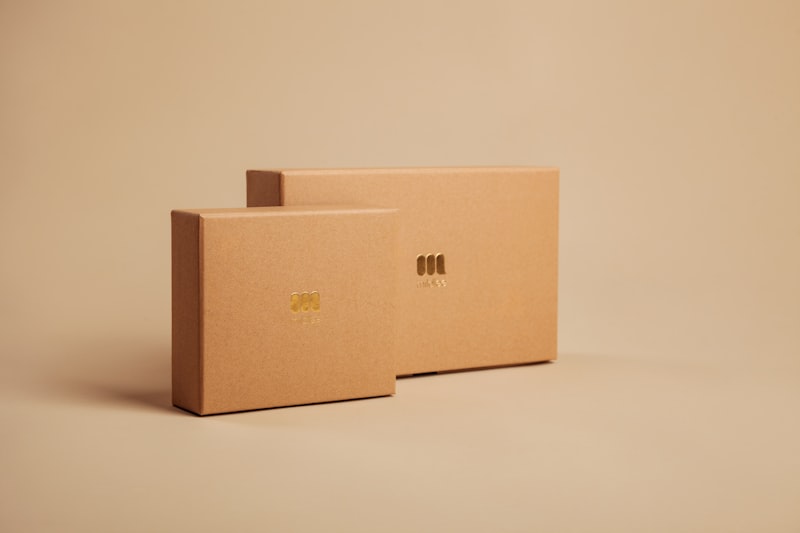
Package testing constitutes a highly specialized area of consumer psychology and market research, defined fundamentally as a rigorous type of product challenging which emphasizes the significant, often subconscious, impacts of the package construction and design elements on customers’ final purchasing choices. This discipline moves far beyond mere logistics and protective capabilities, positioning the packaging as the final, critical touchpoint between the brand and the consumer at the point of sale. The scope is broad, encompassing not only the aesthetic dimensions—such as color, typography, and imagery—but also the structural, functional, and psychological aspects, including ease of use, perceived durability, and the implicit message conveyed by the materials chosen. Effective package testing seeks to optimize the visual, tactile, and cognitive experience presented by a product’s enclosure, ensuring that it successfully captures attention, communicates core brand values instantly, and ultimately drives conversion in a highly competitive retail environment. It is rooted in the understanding that packaging operates as a powerful non-verbal communicator, often influencing rapid, heuristic-driven decisions made by consumers facing information overload.
The utility of package testing spans the entire product lifecycle, from initial concept validation and prototype assessment to post-launch optimization and competitive benchmarking. Early-stage testing often involves assessing basic consumer comprehension and preference regarding new designs, ensuring that the packaging clearly communicates the product’s identity, benefits, and usage instructions without requiring extensive cognitive effort from the shopper. As the design matures, testing shifts toward more sophisticated measurements, often integrating neuroscience techniques to gauge emotional response and attentional capture under realistic shopping conditions. This rigorous methodology is essential because the package must perform multiple duties simultaneously: it must protect the contents, comply with regulatory requirements, facilitate efficient logistics, and, most crucially from a psychological perspective, differentiate the product instantly on the shelf. Failure in any of these areas can severely impede market performance, regardless of the quality of the product contained within.
A comprehensive package testing strategy must account for the myriad factors that influence consumer perception, including cultural variances, demographic sensitivities, and the specific retail context—whether physical shelf space or digital e-commerce presentation. For instance, testing conducted for a premium product will focus heavily on cues related to quality and exclusivity, often involving tactile assessments of material finish and structural heft, while testing for a value-oriented product may prioritize visibility, recognizable utility, and straightforward informational clarity. Furthermore, the modern retail environment necessitates testing the package’s performance not just in isolation but in direct competition with adjacent products, often referred to as “shelf-set testing.” This context-dependent evaluation ensures that the design maintains its distinctiveness and purchase appeal when surrounded by rival offerings, validating that the design successfully breaks through the visual clutter and guides the consumer’s gaze toward the intended purchase target within the critical three-to-five-second window generally available for initial consideration.
The Psychological Foundations of Packaging
The psychological foundation of effective packaging rests on the principles of perceptual organization and cognitive heuristics, recognizing that consumers rarely engage in deep, analytical processing when making routine purchasing decisions. The package serves as a powerful set of external cues that consumers utilize to form immediate judgments regarding quality, safety, value, and brand personality. These cues trigger deeply ingrained mental shortcuts, or heuristics, which allow consumers to navigate complex choice architectures efficiently. For example, a package that appears robust or features matte, natural textures might immediately trigger a heuristic linking it to “premium quality” or “environmental sustainability,” allowing the consumer to bypass detailed label reading. The psychology here is focused on managing the consumer’s cognitive load; the more intuitive and informative the package is at a glance, the less effort the consumer expends, thereby increasing the likelihood of a positive selection.
Central to this understanding is the concept of packaging as the “silent salesman,” communicating brand identity and product benefits without verbal interaction. This communication relies heavily on semiotics—the study of signs and symbols. Every element, from the font choice to the photographic style, carries symbolic meaning that must be carefully tested to ensure alignment with the desired brand message. A script font might signify elegance or tradition, while a bold, sans-serif font might convey modernity and efficiency. If a package intended for a health food product utilizes colors or imagery typically associated with confectionery, the resulting semiotic dissonance can lead to confusion, distrust, and ultimately, rejection. Package testing, therefore, acts as a crucial validator of this semiotic alignment, ensuring that the visual language speaks clearly and persuasively to the target demographic, leveraging established psychological associations to build trust and desire rapidly.
Furthermore, packaging often taps into emotional and experiential memory. Consumers frequently develop strong associations between a specific package design and positive past usage experiences. When re-encountering a familiar package, these positive memories are rapidly retrieved, reinforcing brand loyalty and simplifying the repurchase decision. Testing must explore the emotional resonance of the design—does it evoke feelings of comfort, excitement, or reliability? Techniques such as implicit association testing (IAT) are often employed to uncover these underlying, non-conscious attitudes toward packaging elements that standard survey questions might fail to capture. Understanding and harnessing these deep-seated emotional connections is vital, as emotional engagement is often a stronger predictor of purchase intent than rational assessment of features, particularly for low-involvement consumer packaged goods (CPG).
Key Methodologies in Package Testing
Effective package testing employs a diverse toolkit of methodologies, ranging from traditional qualitative surveys to advanced neuroscientific measurements, all designed to capture both conscious feedback and subconscious responses. Qualitative research, such as focus groups and in-depth interviews, remains crucial for understanding ‘why’ consumers react in certain ways, providing rich contextual data on perceived advantages, pain points, and usability issues. However, because consumers often rationalize their purchasing decisions post-hoc, or struggle to articulate subconscious visual biases, these methods are frequently complemented by quantitative and observational studies. Observational research, particularly simulated or real in-store shelf-set testing, measures actual behavior, monitoring which packages are picked up, scrutinized, and eventually purchased, providing a direct metric of real-world performance.
In recent years, the integration of neuromarketing tools has revolutionized package testing by providing objective data on attention, engagement, and emotional arousal. Eye-tracking technology, for example, is indispensable for mapping the consumer’s visual journey across the package and the retail shelf. It precisely identifies the “hot spots” of attention—the elements (e.g., brand logo, key benefit claims, imagery) that successfully capture the shopper’s gaze—and equally importantly, identifies elements that are overlooked or cause visual confusion. Concurrently, physiological measures such as Galvanic Skin Response (GSR) or electroencephalography (EEG) can quantify the level of emotional arousal or cognitive workload associated with viewing specific packaging designs. High cognitive load, indicated by specific EEG patterns, suggests the design is too complex or confusing, while high GSR readings might indicate intense interest or, conversely, stress, depending on the context.
A common and highly effective quantitative methodology is the use of virtual or mock store environments. These controlled simulations allow researchers to test hundreds of design variations simultaneously without the cost and logistical complexity of physical store placement. Consumers navigate these environments, and data is collected on factors such as shelf visibility, time taken to locate the product, and purchase conversion rates. Furthermore, specific tests related to product functionality are critical; these include “unboxing experience” assessments, tamper-resistance checks, and ease-of-opening trials. A package that is attractive but frustrating to open can lead to significant post-purchase dissonance, negatively impacting brand perception and future repurchase intentions. Therefore, package testing must always balance aesthetic appeal with pragmatic, user-centered functionality, ensuring the entire consumer interaction is seamless and satisfying.
The Role of Color Psychology
Color is arguably the single most immediate and potent psychological element of packaging, often serving as the primary cue for differentiation and emotional signaling. The field of color psychology within packaging dictates that specific hues evoke predictable physiological and psychological responses in consumers, responses that marketers strategically leverage to influence appetite, perception of quality, and feelings of urgency or calm. This is why certain color palettes dominate specific product categories; for instance, blues and whites are frequently used in dairy and cleaning products to convey cleanliness and freshness, while earth tones signal natural ingredients and authenticity. The success of a package design often hinges on whether its color scheme aligns with the product category norms while simultaneously offering enough distinction to stand out from competitors.
A classic and widely cited finding demonstrates the power of color in driving consumption behavior: package testing has conclusively proven that colors such as red and orange stimulate the appetite, thus why they are used so commonly in marketing designs for fast food items, snack products, and certain beverages. Red is inherently an attention-grabbing color, associated with energy, excitement, and urgency, which helps cut through the visual noise of a crowded food aisle. Orange, often perceived as friendly and playful, combines the energy of red with the positivity of yellow, making it highly effective for promoting accessible, enjoyable food items. Testing protocols must assess not only the general appeal of a color but also its specific association with the product’s flavor profile or intended usage; a shift in shade, for example, from a vibrant cherry red to a deep burgundy, can dramatically alter the perception from fun and sweet to sophisticated and reserved.
However, the psychological impact of color is not universal; cultural context and demographic factors introduce significant variability that must be addressed through targeted testing. While white often symbolizes purity and simplicity in Western cultures, it can signify mourning or death in some Asian cultures, necessitating careful adaptation for global markets. Furthermore, the perceived quality and intensity of the color—often referred to as chroma and luminosity—are critical. A dull, washed-out color might suggest staleness or low quality, whereas a rich, saturated color typically implies vibrancy and premium ingredients. Package testing must therefore include cross-cultural validation and utilize highly controlled digital mock-ups to ensure color consistency across various viewing platforms, recognizing that the subtle interaction of color, finish (gloss vs. matte), and surrounding light fundamentally shapes the consumer’s instantaneous judgment of the product’s quality and brand integrity.
Structural Design and Haptic Feedback
Beyond the visual elements, the structural design and physical characteristics of the package are paramount, contributing significantly to the consumer’s experience through haptic feedback—the information conveyed through touch. The shape, size, weight, and material of the packaging are not passive containers; they are active psychological cues that influence perception of value, durability, and even the efficacy of the product inside. For high-end goods, a heavier package often equates to higher perceived quality and substance, a phenomenon deeply rooted in the human tendency to associate weight with worth. Conversely, a package for an environmentally friendly product might be tested to ensure it feels lightweight and easily recyclable, aligning the physical structure with the core brand promise of sustainability.
The ergonomics of the package—how easily it is held, poured, or stored—are critical functional factors that contribute to overall customer satisfaction and subsequent loyalty. Package testing protocols rigorously evaluate these structural elements, often employing specialized usability labs to observe consumers interacting with prototypes. Issues such as difficult-to-grip shapes, unstable bases, or overly bulky dimensions can create user frustration, which is often subconsciously transferred to the product itself. Innovative structural designs, such as novel opening mechanisms or unique silhouettes, can provide a powerful competitive advantage, serving as proprietary brand identifiers that enhance shelf recognition. However, these innovations must be thoroughly tested to ensure they maintain practicality; complexity that increases the risk of spillage or difficult storage will invariably detract from the initial visual appeal.
Material choice is intrinsically linked to haptic psychology. The difference between cardboard, plastic, glass, or metal communicates vast differences in perceived product lifespan, freshness, and environmental impact. For instance, testing might reveal that consumers perceive products in clear glass jars as fresher and more authentic than those in opaque plastic tubs, even if the contents are identical. The texture and finish further modulate this perception; a smooth, glossy finish might suggest modernity and easy cleaning, while a rough, matte texture often conveys an organic or artisanal origin. Structural package testing ensures that the physical experience of handling the product reinforces the intended brand message, transforming the act of merely holding the package into a sensory experience that justifies the purchase and enhances the perceived value proposition.
Cognitive Load and Information Hierarchy
The ability of a package to communicate efficiently under pressure is measured through its management of cognitive load—the amount of mental effort required for the consumer to process the information presented. In a typical retail environment, shoppers are exposed to hundreds, if not thousands, of competing visual stimuli. Therefore, successful packaging must possess a clear information hierarchy that allows the consumer to rapidly identify the core product, the brand, and the key benefit without unnecessary distraction. Testing in this area focuses on ensuring that the package adheres to the principle of “less is more,” prioritizing essential information and minimizing visual clutter that slows down decision-making.
Package testing utilizes tools like tachistoscopes (devices used to briefly flash images) to determine the threshold of recognition—how quickly consumers can accurately identify the brand and product category when exposed to the package for mere milliseconds. If the primary messaging is buried beneath secondary details or if the brand logo lacks sufficient prominence, the package will fail to register during rapid shelf scanning. The hierarchy must typically flow from the most important elements (Brand, Product Name, Flavor/Variant) to the least (Nutritional facts, regulatory text). Mismanaged hierarchy forces the consumer to search and decipher, increasing cognitive friction and encouraging them to move on to a less demanding competitor product.
Furthermore, the legal and nutritional information, while mandatory, must be integrated in a manner that does not visually compete with the primary selling points. Testing procedures examine the trade-offs between regulatory compliance and aesthetic appeal, ensuring that necessary details are accessible without overwhelming the front panel design. The clarity of typography, the contrast ratios, and the efficient use of white space are all elements rigorously evaluated to optimize readability. Ultimately, lowering cognitive load through superior design is a direct mechanism for increasing market share; when a package is instantly understandable and visually appealing, it facilitates System 1 thinking (fast, intuitive decision-making), which dominates the majority of routine purchases.
Impact on Consumer Decision-Making
The culmination of successful package testing is a design that exerts a decisive and positive impact on consumer decision-making, converting shelf visibility into actual sales. The package acts as a powerful synthesis of all marketing efforts, generating specific expectations about the product’s performance, taste, and quality. If the packaging suggests a premium, high-quality experience, the consumer’s expectations are elevated, often leading to a phenomenon known as the “halo effect,” where the positive perception of the packaging biases the consumer’s subsequent sensory evaluation of the product itself. For instance, studies have shown that beverages tasted from elegantly designed, heavier bottles are often rated as having better flavor than the exact same beverage poured from a standard, less attractive container.
Package design fidelity is critical in driving repeat purchases and securing brand loyalty. Consistency in design cues allows consumers to quickly locate and trust a familiar product in a constantly changing retail landscape. If a brand changes its packaging too radically without sufficient testing, consumers may fail to recognize it, leading to “stock-out” situations where the consumer believes the product is unavailable and switches to a competitor. Testing must therefore carefully measure the consumer’s tolerance for design evolution, ensuring that any refresh maintains core visual equity while modernizing the aesthetic. The decision to purchase is frequently a low-risk, habitual choice, and packaging stability reinforces the ease of this habit.
Moreover, packaging plays a crucial role in post-purchase satisfaction and perceived value. A package that is attractive, functional, and durable reinforces the consumer’s decision, making them feel they received good value for their money. Conversely, a design that looks cheap or is easily damaged can lead to immediate regret. Testing the package’s role in the full consumption cycle—from selection to disposal—provides insight into how the design contributes to overall brand affinity. By ensuring the package successfully generates positive expectations, facilitates ease of use, and reinforces the initial purchase justification, package testing acts as a critical lever in maximizing the probability of conversion at the crucial moment of truth on the retail floor.
Limitations and Future Directions
Despite its sophistication, package testing faces inherent limitations, primarily stemming from the challenge of measuring subconscious responses and the artificiality of controlled testing environments. While neuroscientific tools provide objective measures of attention and arousal, they cannot fully replicate the chaotic, time-pressured environment of a real shopping trip. Consumers in a lab setting know they are being observed, potentially altering their behavior (the Hawthorne effect). Furthermore, the cost and complexity of high-fidelity mock store setups and specialized neuro-equipment can be prohibitive for smaller brands, limiting access to the most effective testing methodologies. A significant ongoing challenge is the difficulty in isolating the impact of packaging from other marketing variables, such as price, promotion, and historical brand experience.
The future direction of package testing is strongly focused on leveraging big data, artificial intelligence (AI), and advanced virtual reality (VR) to overcome current limitations. AI algorithms are increasingly being used to analyze vast quantities of existing package performance data, identifying correlations between specific design attributes (e.g., color saturation, image placement) and sales outcomes, thus providing predictive modeling capabilities before a physical prototype is even created. Virtual reality testing offers a highly immersive and scalable solution, allowing consumers to navigate realistic 3D retail environments from their homes, providing behavioral data that approaches the authenticity of real-world shopping without the logistical constraints of physical labs.
Another critical area of development involves expanding testing protocols to fully address the growing consumer demand for sustainability. Future package testing must rigorously assess not only the psychological impact of sustainable materials but also the clarity of recycling instructions and the perception of the environmental footprint. This requires integrating complex material science data with consumer perception studies, ensuring that packaging choices are both ecologically sound and psychologically appealing. As the retail landscape continues its rapid shift toward e-commerce, testing must also adapt to the “digital shelf,” focusing on how product imagery, scale, and simplified information hierarchy perform on small smartphone screens, where the traditional haptic feedback cues are entirely absent, placing even greater emphasis on clarity and immediate visual communication.