Pain Tolerance: How Much Can You Actually Take?
Scientifically Reviewed · Dr. Marwa Abd-Alazim · August 31, 2026
Review Criteria & Clinical Standards
This content undergoes rigorous scientific peer-review and medical editorial standards at Arab Psychology Network to ensure clinical accuracy, validity, and compliance with evidence-based guidelines from leading psychological and healthcare authorities (APA / WHO).
Defining Pain Tolerance and Pain Threshold
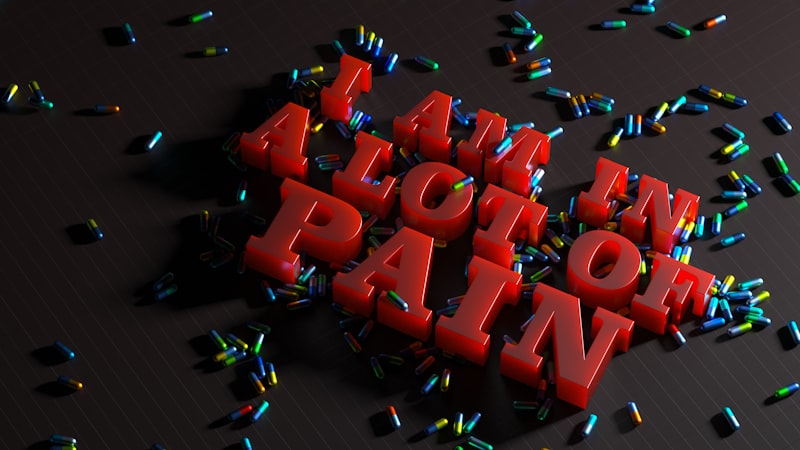
Pain tolerance, fundamentally defined as the most significant intensity of pain which can be withstood voluntarily, represents the highest level of noxious stimulation an individual is willing or able to accept before withdrawing, demanding cessation of the stimulus, or experiencing behavioral collapse. This construct is crucial in both experimental psychology and clinical pain management because it measures an individual’s capacity for endurance, reflecting a complex interplay between biological nociception, cognitive appraisal, and motivational state. Unlike the pain threshold, which is the minimum intensity of a stimulus required to produce the sensation of pain, tolerance marks the maximum limit of perceived discomfort. The threshold is largely a physiological phenomenon related to nerve sensitivity, while tolerance is highly dependent on psychological factors, expectations, and the context in which the pain is experienced. For instance, the original example illustrating remarkable endurance, such as a patient whose pain tolerance was remarkable through 24 hours of childbirth, highlights the voluntary and goal-directed nature of exceeding severe discomfort.
The distinction between tolerance and threshold is paramount when assessing pain disorders. A person might have a very low pain threshold, meaning they perceive pain quickly, yet possess a high pain tolerance, allowing them to function despite experiencing significant ongoing discomfort. This divergence underscores why pain management must address both the objective physiological signals and the subjective, psychological capacity to cope with them. Pain tolerance is not merely a measurement of sensory input but rather a reflection of the central nervous system’s ability to modulate and inhibit ascending pain signals, coupled with the individual’s executive function applied to the decision to continue enduring the stimulus. This voluntary component implies an active cognitive process, often involving coping strategies, distraction, or the anticipation of a positive outcome that justifies the temporary suffering.
Furthermore, pain tolerance is inherently dynamic and highly variable, changing not only between individuals but also within the same person depending on immediate circumstances, emotional state, fatigue, and learned behaviors. It serves as a psychological ceiling for suffering, which can be raised through training, cognitive restructuring, or pharmacological intervention, or conversely, lowered significantly by factors such as anxiety, fear, or hyperalgesia resulting from chronic pain conditions. The assessment of tolerance therefore provides crucial information regarding an individual’s coping resources and their potential resilience when facing unavoidable physical challenges, making it a key metric in physical rehabilitation and recovery protocols following major medical events.
Neurobiological Mechanisms of Pain Tolerance
The neurobiological basis of pain tolerance relies heavily on the operation of the descending pain inhibitory pathways (DIPs), a system originating in the brainstem that actively suppresses or modulates nociceptive signals traveling up the spinal cord. Key structures involved include the periaqueductal gray (PAG) matter in the midbrain and the rostral ventromedial medulla (RVM). When an individual voluntarily chooses to endure high-intensity pain, these pathways are engaged, releasing endogenous analgesic substances that dampen the incoming pain signals. The efficiency and activation level of the DIPs are directly correlated with an individual’s capacity for pain endurance; highly effective inhibitory systems permit longer exposure to noxious stimuli before the point of withdrawal is reached. This mechanism explains phenomena such as stress-induced analgesia, where severe physical or psychological stress triggers a massive release of inhibitory neurotransmitters, temporarily elevating tolerance levels far beyond baseline.
A primary component of the descending modulation system involves the release of endogenous opioids, including endorphins, enkephalins, and dynorphins. These neuropeptides act on mu, delta, and kappa opioid receptors throughout the nervous system, mimicking the effects of exogenous opioid drugs but generated internally. In situations demanding high pain tolerance—such as intense physical training, wartime injuries, or extended labor—the brain initiates a cascade that floods the synapses with these natural pain relievers. This endogenous opioid system is critical for allowing the body to prioritize immediate survival or goal attainment over the sensory experience of pain. Individual differences in receptor density, enzyme breakdown rates of endogenous opioids, and baseline activity of the DIPs contribute significantly to the wide variance observed in human pain tolerance levels.
Beyond the opioid system, pain tolerance is also modulated by non-opioid neurotransmitters, particularly serotonin (5-HT) and norepinephrine (NE). These monoamines are integral to the pathways projecting from the RVM down to the dorsal horn of the spinal cord. Serotonin and norepinephrine have complex, sometimes opposing, roles depending on the receptor subtype they activate, but generally contribute to the overall inhibitory tone. For example, some antidepressant medications, which potentiate the actions of NE and 5-HT, are effective in treating chronic pain because they enhance the brain’s ability to suppress ascending nociceptive signals, thus potentially increasing the patient’s functional pain tolerance. Understanding this neurochemical landscape is essential for developing targeted pharmacological and non-pharmacological interventions aimed at safely increasing an individual’s ability to cope with persistent or acute pain.
Psychological Factors Influencing Tolerance
Psychological factors play a dominant role in determining pain tolerance, often overriding pure physiological input. Cognitive appraisal is perhaps the most significant determinant; how an individual interprets the meaning of the pain stimulus profoundly affects their willingness to endure it. For instance, pain perceived as a sign of catastrophic injury or imminent danger leads to rapid withdrawal (low tolerance), whereas pain interpreted as productive effort (e.g., muscle burn during exercise) or necessary for a positive outcome (e.g., childbirth) can dramatically increase tolerance. Key cognitive variables include self-efficacy—the belief in one’s ability to cope with the pain—and the degree of pain catastrophizing, which involves rumination, magnification, and helplessness regarding the painful experience. High self-efficacy and low catastrophizing are consistently correlated with superior pain tolerance.
Emotional state is another powerful modulator. Acute psychological distress, such as anxiety and fear, generally lowers pain tolerance by activating sympathetic nervous system responses that increase overall vigilance and perceived threat. Conversely, positive emotional states, such as feelings of calm, safety, or focused determination, tend to elevate tolerance. Chronic psychological disorders, including depression and post-traumatic stress disorder (PTSD), often complicate pain processing, leading to decreased tolerance through mechanisms related to central sensitization and sustained allostatic load. Effective clinical strategies aimed at improving tolerance often focus on managing these emotional components, utilizing techniques like relaxation training and emotional regulation to dampen the threat response associated with the painful stimulus.
Furthermore, attentional focus provides a direct psychological lever for modulating tolerance. When attention is intensely focused on the noxious stimulus (sensory focus), the pain intensity and duration of tolerance often decrease rapidly. Conversely, distraction techniques, which shift cognitive resources away from the immediate sensation and toward an unrelated external task or internal visualization, are highly effective at increasing the duration an individual can withstand pain. This cognitive diversion utilizes the brain’s limited processing capacity, reducing the resources available for the affective and evaluative components of the pain experience. Examples of effective distraction include engaging mental arithmetic, listening to music, or practicing mindfulness, which encourages non-judgmental awareness rather than reactive evaluation of the sensation.
Measurement and Assessment Techniques
The objective measurement of pain tolerance in a clinical or laboratory setting is primarily conducted using Quantitative Sensory Testing (QST) methods. These techniques involve the controlled application of noxious stimuli—thermal, mechanical, or electrical—to determine the highest level of intensity or the longest duration a participant can tolerate before requesting the cessation of the stimulus. The most commonly employed QST method for measuring tolerance is the cold pressor test (CPT), where the participant immerses a limb (usually the hand or forearm) into circulating ice water. The time elapsed until the participant withdraws the limb or reports the pain as intolerable is recorded as the pain tolerance duration. Similar tests use precisely controlled thermal stimulators to increase heat gradually until the tolerance point is reached.
Despite the utility of QST, limitations exist, particularly concerning the ecological validity of the findings. Laboratory-induced pain, often brief and predictable (experimental pain), differs significantly from the sustained, complex, and emotionally charged pain experienced in clinical settings (clinical pain). A participant’s motivation to perform well in a controlled experiment may artificially inflate their measured tolerance level compared to their actual coping capacity when dealing with chronic disease or injury. Therefore, QST measurements must be interpreted cautiously and ideally supplemented by self-report measures. Researchers must also account for potential habituation or sensitization effects that can occur if the testing is repeated too frequently, influencing the reliability of the tolerance score.
In conjunction with objective QST, subjective assessment tools are indispensable for documenting the qualitative experience of pain endurance. These tools include Visual Analog Scales (VAS) or numerical rating scales (NRS), where the participant rates the intensity of the pain they are enduring on a scale (e.g., 0 to 10) at the moment of withdrawal. While the tolerance point is defined by the behavioral act of withdrawal, the VAS score at that point provides insight into the perceived intensity ceiling. Other subjective instruments, such as the McGill Pain Questionnaire (MPQ), help characterize the sensory, affective, and evaluative components of the experienced pain, providing a comprehensive profile of how a patient reaches their maximum endurance capacity. Accurate assessment relies on integrating objective performance metrics with detailed subjective reporting.
Clinical Significance and Applications
Understanding and assessing pain tolerance holds significant clinical value, particularly in the domain of chronic pain management and rehabilitation. For patients suffering from persistent pain, measuring tolerance helps clinicians differentiate between hyperalgesia (increased pain sensitivity) and a reduced psychological capacity to cope. If a patient exhibits a very low tolerance despite moderate pain levels, interventions should focus heavily on psychological resilience and coping skills rather than solely escalating pharmacological analgesia. Conversely, a patient with high tolerance may be under-reporting their true level of discomfort, risking delayed diagnosis or inadequate treatment for underlying pathology. Tolerance assessment helps set realistic and functional treatment goals, prioritizing functional improvement and daily activity engagement over the complete elimination of sensation.
In physical therapy and rehabilitation settings, pain tolerance dictates the appropriate intensity and progression of therapeutic exercises. Effective recovery often requires patients to endure temporary discomfort to achieve tissue remodeling, strengthen muscles, or regain range of motion. Clinicians use the patient’s established tolerance limits as a guidepost, designing exercise protocols that gently push beyond the comfort zone without causing distress that leads to withdrawal or fear-avoidance behavior. By incrementally challenging the patient’s tolerance, therapists can help them recognize that discomfort does not necessarily equate to harm, thereby promoting a gradual increase in functional capacity and reducing kinesiophobia.
The level of pain tolerance can also serve as a prognostic indicator for predicting treatment outcomes. Patients who demonstrate higher baseline tolerance, often reflecting robust self-management skills and effective cognitive coping mechanisms, may be more likely to adhere to demanding treatment regimens and achieve better long-term outcomes, regardless of the initial pain intensity. This is particularly relevant in multidisciplinary pain programs, where interventions often include cognitive behavioral therapy (CBT), physical conditioning, and behavioral modification. Identifying patients with very low tolerance allows the clinical team to preemptively address underlying psychological vulnerabilities, such as anxiety or depression, ensuring that psychological support is integrated early to maximize the effectiveness of physical and pharmacological treatments.
The Role of Environment and Social Context
Pain tolerance is heavily mediated by the environment and social context in which the pain occurs. Cultural norms and expectations dictate how pain should be expressed, interpreted, and endured, leading to wide variations in self-reported tolerance across different populations. In cultures that value stoicism and emotional restraint, individuals may demonstrate higher pain tolerance by suppressing behavioral manifestations of discomfort, even if the underlying sensory experience remains intense. Conversely, cultures that permit or encourage open expression of pain may report lower thresholds and tolerance limits. These learned behavioral responses illustrate that tolerance is not purely an internal physiological metric but a performance shaped by societal learning and reinforcement.
The presence of social support and the observation of others’ behavior significantly influence an individual’s ability to endure pain. Studies show that when individuals are supported by compassionate, encouraging figures, or when they observe others successfully coping with similar pain (modeling), their own pain tolerance tends to increase. The social environment provides a critical element of safety and validation, reducing the affective component of pain by mitigating feelings of isolation or helplessness. Conversely, environments where pain behavior is actively ignored or where the patient feels threatened or judged can dramatically decrease tolerance, leading to heightened defensive responses and withdrawal.
Furthermore, the perceived meaning and threat level associated with the environment modulate pain tolerance. Pain experienced in a controlled, trustworthy medical setting where the individual believes the discomfort is beneficial (e.g., a necessary diagnostic test) is usually tolerated better than pain experienced unexpectedly or in a context perceived as dangerous or malicious. The brain continuously evaluates threat, and when the environment signals safety, the descending inhibitory pathways are more readily activated, allowing for greater voluntary endurance. This contextual plasticity underscores the holistic nature of pain tolerance, necessitating that clinical environments be designed to promote security, trust, and positive expectation.
Pharmacological and Non-Pharmacological Modulators
While pharmacological agents primarily target the pain threshold by reducing the intensity of nociceptive signaling, they indirectly influence pain tolerance by decreasing the overall sensory load. Nonsteroidal anti-inflammatory drugs (NSAIDs) and opioids reduce the input signaling to the central nervous system, meaning the point of maximum voluntary endurance is reached later, or at a lower perceived intensity relative to the unmedicated state. However, long-term pharmacological treatment, particularly with opioids, can lead to tolerance to the medication itself and sometimes paradoxically cause opioid-induced hyperalgesia, potentially lowering the individual’s natural pain tolerance over time due to dysregulation of the endogenous opioid system. Therefore, pharmacological management requires careful calibration to support, rather than suppress, innate coping mechanisms.
Non-pharmacological interventions are specifically designed to enhance the brain’s intrinsic capacity for pain modulation and increase psychological resilience, thereby directly improving tolerance. These strategies leverage the cognitive and neurobiological plasticity of the pain system. Mindfulness and meditation practices, for example, train individuals to adopt a decentralized perspective on sensation, observing pain without judgment or reaction, which effectively increases the duration they can withstand discomfort. Similarly, regular, strenuous physical exercise acts as a potent non-pharmacological analgesic, releasing endogenous opioids and cannabinoids that elevate the baseline level of pain inhibition.
A structured approach combining psychological training and physical activity often yields the most robust and sustainable improvements in pain tolerance. Effective non-pharmacological interventions include:
- Cognitive Behavioral Therapy (CBT): Addressing maladaptive thoughts (catastrophizing) and teaching active coping skills.
- Biofeedback and Neurofeedback: Training individuals to gain voluntary control over physiological responses (e.g., heart rate, muscle tension) associated with pain distress.
- Guided Imagery and Hypnosis: Utilizing focused attention and suggestion to alter the perception and significance of the painful stimulus.
- Transcutaneous Electrical Nerve Stimulation (TENS): Applying mild electrical currents to stimulate large sensory nerves, activating inhibitory mechanisms in the spinal cord.
Developmental and Age-Related Differences
Pain tolerance undergoes significant changes across the lifespan, reflecting the maturation and eventual senescence of both the nervous system and cognitive processes. In children and adolescents, pain tolerance is often more variable and lower than in adults, largely due to developing cognitive structures. Young children have a reduced capacity for abstract reasoning and self-regulation, making it difficult for them to employ sophisticated coping mechanisms like distraction or cognitive reappraisal. Their tolerance is highly dependent on immediate context, parental anxiety levels, and the perceived safety of the environment. As executive function and the ability to utilize complex coping strategies improve during adolescence, pain tolerance generally increases, stabilizing throughout early adulthood.
In older adults, the relationship between age and pain tolerance is complex and often contradictory. While some studies suggest a slight physiological decrease in pain threshold due to changes in nerve conduction velocity and receptor density, behavioral pain tolerance may appear higher. This apparent increase might be due to several factors: long-term habituation to chronic aches and pains, a lifetime of developed coping skills, or altered pain reporting behavior influenced by cultural stoicism or a fear of being perceived as weak or complaining. Furthermore, age-related comorbidities and polypharmacy can complicate the accurate assessment of tolerance, as chronic inflammation or circulatory issues may alter the transmission and perception of experimental stimuli.
Crucially, pain tolerance remains a highly plastic trait throughout all developmental stages. Although physiological changes impose some limitations, the overwhelming influence of learning, environment, and psychological interventions means that tolerance is never fixed. Interventions aimed at improving coping skills, enhancing self-efficacy, and providing appropriate social support can effectively raise the functional pain tolerance in individuals across the entire lifespan, from pediatric patients undergoing vaccinations to geriatric patients managing chronic musculoskeletal pain, affirming its status as a critical target for therapeutic modification.