Neurodegeneration: How Parkinson’s Alters the Human Mind
Scientifically Reviewed · Dr. Marwa Abd-Alazim · August 28, 2026
Review Criteria & Clinical Standards
This content undergoes rigorous scientific peer-review and medical editorial standards at Arab Psychology Network to ensure clinical accuracy, validity, and compliance with evidence-based guidelines from leading psychological and healthcare authorities (APA / WHO).
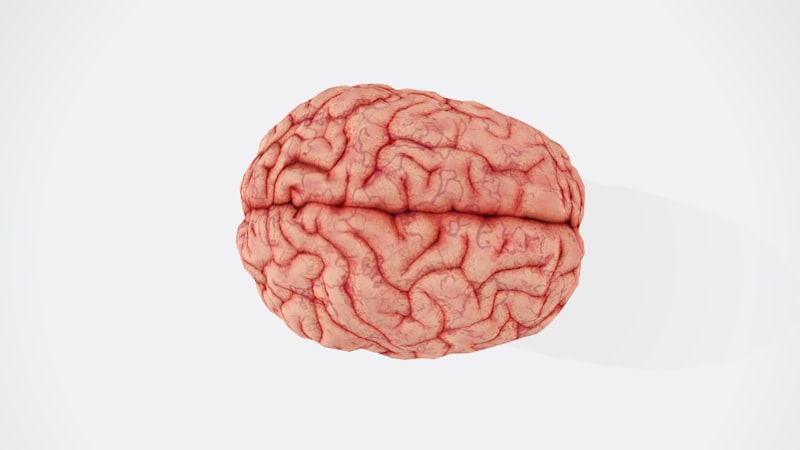
Parkinson’s Disease (PD) is a chronic, progressive neurodegenerative disorder characterized primarily by the gradual deterioration and death of specific dopamine-generating neurons located within the substantia nigra region of the midbrain. This critical area is responsible for regulating equilibrium, coordinating muscle movements, and ensuring smooth, voluntary motor execution. The resultant deficiency of the neurotransmitter dopamine severely disrupts the basal ganglia circuit, leading to the hallmark motor symptoms that define the condition. While the precise etiology remains complex and multifactorial, the clinical presentation typically begins subtly, often starting later in life, and progresses slowly, impacting nearly all aspects of physical and cognitive function over time.
The initial clinical presentation often involves minor, yet noticeable, indicators such as a slight tremor, increasing rigidity of the limbs and trunk, and a progressive deceleration of voluntary motions, collectively known as bradykinesia. As the illness advances, these symptoms coalesce into a complex syndrome that impairs gait, posture, speech, and handwriting (micrographia). Historically recognized since the early 19th century, PD remains one of the most common movement disorders globally, necessitating extensive ongoing research into its underlying biological mechanisms and therapeutic interventions designed to slow its relentless progression and manage the debilitating symptoms that diminish patient quality of life.
Etiology and Pathophysiology
The fundamental pathological characteristic of Parkinson’s Disease is the presence of Lewy bodies, which are abnormal intracellular aggregates composed primarily of the misfolded protein alpha-synuclein. These toxic inclusions accumulate predominantly in the dopamine-producing neurons of the substantia nigra pars compacta, triggering a cascade of cellular dysfunction, oxidative stress, and eventual neuronal death. The precise mechanism by which alpha-synuclein aggregation initiates the disease process is still under intensive investigation, but it is hypothesized that this proteinopathy spreads in a prion-like manner throughout the central and peripheral nervous systems, affecting not only motor control centers but also areas responsible for autonomic regulation and cognitive function. This systemic involvement explains the wide spectrum of both motor and non-motor symptoms observed throughout the disease course.
While the vast majority of PD cases are classified as sporadic, indicating no clear hereditary pattern, a small percentage of cases are linked to specific genetic mutations, underscoring the role of genetic susceptibility in disease development. Genes such as SNCA, which codes for alpha-synuclein, and LRRK2 (Leucine-rich repeat kinase 2), represent high-penetrance genetic risk factors, meaning they significantly increase the likelihood of developing PD. Furthermore, other genes are implicated in mitochondrial function and protein degradation pathways, suggesting that cellular energy deficits and the inability to clear misfolded proteins are central to PD pathogenesis. Understanding these genetic linkages provides crucial insights into the molecular targets for future disease-modifying therapies aimed at halting the neuronal loss before symptoms become clinically apparent.
Environmental factors are also thought to interact with genetic predispositions, contributing to the overall risk profile for Parkinson’s Disease. Exposure to certain pesticides, herbicides, and heavy metals has been epidemiologically linked to an elevated incidence of PD, suggesting that neurotoxins may selectively damage vulnerable dopaminergic neurons. Conversely, certain lifestyle factors, such as caffeine consumption and smoking, have been associated with a statistically reduced risk, although the underlying biological protective mechanisms are not fully elucidated. The prevailing scientific consensus views PD as a complex disorder arising from the interplay between innate genetic vulnerability and exogenous environmental exposures that collectively overwhelm the cellular protective mechanisms, leading to progressive degeneration within the nigrostriatal pathway.
Cardinal Motor Symptoms
The diagnosis of Parkinson’s Disease hinges upon the recognition of the cardinal motor symptoms, often referred to as the Parkinsonian tetrad, though not all four symptoms are necessarily present in every patient, especially in the early stages. The most recognizable symptom is the resting tremor, typically appearing unilaterally in one hand or limb before potentially spreading, characterized by a rhythmic oscillation that is most pronounced when the limb is at rest and generally diminishes or disappears during voluntary movement or sleep. This tremor can manifest as a classic “pill-rolling” motion of the fingers and thumb, causing significant functional impairment and social distress, although it is important to note that not all PD patients experience significant tremor, complicating diagnosis in these individuals.
Bradykinesia, defined as generalized slowness of movement, is perhaps the most functionally disabling motor symptom and is required for a definitive PD diagnosis. This manifestation affects the ability to initiate and execute movement, resulting in reduced amplitude and speed, manifesting clinically as difficulty performing activities of daily living such as buttoning a shirt, cutting food, or walking. Bradykinesia also contributes to hypomimia (masked facial expression) and reduced spontaneous gestures, leading to an appearance of emotional flatness, as well as micrographia, where handwriting becomes progressively smaller and cramped. The cumulative effect of bradykinesia greatly impacts mobility and independence, necessitating adaptive strategies and therapeutic interventions to maintain functional capacity.
The third core motor feature is rigidity, which refers to increased muscle tone and resistance to passive movement throughout the full range of motion. Unlike spasticity, which is velocity-dependent, parkinsonian rigidity is uniform regardless of the speed of the movement. This often presents as “lead-pipe rigidity,” a constant stiffness, or “cogwheel rigidity,” where a jerky, ratcheting sensation is felt by the examiner upon passive manipulation of the limb, often resulting from the combination of underlying rigidity and superimposed tremor. Finally, postural instability, or impaired balance and coordination, tends to emerge later in the disease course and significantly increases the risk of falls, leading to serious injuries. This instability results from the inability to make rapid, corrective postural adjustments necessary to maintain an upright stance, often manifesting as a stooped posture and a characteristic shuffling gait.
Non-Motor Symptoms
Crucially, Parkinson’s Disease is not solely a movement disorder; non-motor symptoms frequently precede the onset of motor dysfunction by many years and often constitute the most burdensome aspects of the disease for patients and caregivers. These symptoms affect nearly every system of the body, reflecting the widespread pathology of Lewy bodies beyond the substantia nigra. Prominent among these prodromal indicators are anosmia (loss of sense of smell) and severe, chronic constipation, which can manifest decades before the first appearance of a motor tremor. Recognizing these early non-motor features is critical for identifying individuals at high risk for developing PD, opening a window for potential neuroprotective interventions in the future.
Psychiatric and sleep disturbances are also highly prevalent non-motor features of PD. Depression and anxiety are extremely common, sometimes presenting as the initial symptom complex before motor signs emerge, and are often refractory to standard treatments, requiring careful management integrated with the movement disorder treatment plan. Furthermore, REM Sleep Behavior Disorder (RBD), characterized by the acting out of vivid dreams due to the loss of normal muscle paralysis during REM sleep, is strongly associated with an increased risk of developing PD or other synucleinopathies, serving as a powerful clinical biomarker. Other sleep issues include excessive daytime sleepiness and insomnia, collectively contributing to profound fatigue and diminished daytime functioning.
As the disease progresses, patients frequently encounter autonomic nervous system dysfunction, leading to issues such as orthostatic hypotension (a drop in blood pressure upon standing), which can cause dizziness and fainting, and further exacerbates the risk of falls associated with postural instability. Cognitive impairment and dementia also represent significant late-stage complications; while mild cognitive changes often appear early, approximately 80% of individuals with PD develop dementia as the illness progresses, severely impacting independent living and requiring specialized care. Management of these varied non-motor symptoms is often as challenging and important as controlling the motor fluctuations, requiring a multidisciplinary approach involving neurologists, psychiatrists, physical therapists, and palliative care specialists.
Diagnosis and Assessment
Currently, there is no single, definitive diagnostic test for Parkinson’s Disease; diagnosis remains primarily clinical, relying on a careful neurological examination and the observation of two of the four cardinal motor symptoms, particularly the presence of bradykinesia combined with either rest tremor or rigidity. Neurologists utilize established criteria, such as the UK Parkinson’s Disease Society Brain Bank Criteria, to ensure accurate diagnosis and to differentiate PD from other forms of parkinsonism, including atypical parkinsonian disorders (e.g., Multiple System Atrophy or Progressive Supranuclear Palsy) and secondary parkinsonism (e.g., drug-induced or vascular). The clinician must also assess the patient’s response to levodopa medication, as a robust, positive response is highly supportive of an Idiopathic Parkinson’s Disease diagnosis.
In complex or uncertain cases, various imaging and laboratory tests may be employed to support the clinical diagnosis or rule out alternative conditions. The Dopamine Transporter Scan (DaTscan) is a specialized single-photon emission computed tomography (SPECT) scan that visualizes the density of dopamine transporters in the striatum. While a reduction in dopamine transporter density is indicative of nigrostriatal degeneration, a positive DaTscan confirms the loss of dopaminergic neurons but cannot distinguish between PD and atypical parkinsonism; thus, it serves as a supportive tool rather than a standalone diagnostic marker. Furthermore, extensive blood work and structural brain imaging, such as magnetic resonance imaging (MRI), are routinely used to exclude other pathological processes, such as tumors, hydrocephalus, or cerebrovascular disease, which can mimic the motor symptoms of PD.
Ongoing assessment of disease severity and progression is crucial for guiding treatment decisions and monitoring therapeutic efficacy. Clinicians frequently use standardized rating scales, most notably the Unified Parkinson’s Disease Rating Scale (UPDRS), which evaluates motor function, non-motor experiences of daily living, motor complications, and quality of life. The UPDRS provides an objective measure of the patient’s clinical status across various domains and is essential for tracking disease evolution, especially in clinical trials. Regular comprehensive evaluations are necessary because the fluctuating nature of PD means that treatment regimens must be constantly adjusted to manage the delicate balance between symptom control and medication-induced side effects, particularly dyskinesias.
Pharmacological Treatment Strategies
The cornerstone of pharmacological management for Parkinson’s Disease involves replacing the depleted dopamine in the brain, primarily utilizing the precursor drug Levodopa (L-DOPA), almost always administered in combination with a peripheral decarboxylase inhibitor like carbidopa (Sinemet). L-DOPA is metabolized into dopamine once it crosses the blood-brain barrier, providing effective relief from the core motor symptoms, especially bradykinesia and rigidity. While initially highly effective, providing a “honeymoon period” of excellent symptom control, the long-term use of L-DOPA is associated with motor complications, including dyskinesias (involuntary, writhing movements) and “wearing-off” phenomena, where the therapeutic effect diminishes before the next scheduled dose. Managing these fluctuations becomes a central challenge in advanced PD care.
Dopamine agonists, such as ropinirole, pramipexole, and rotigotine, are often used, especially in younger patients, as initial therapy to delay the introduction of L-DOPA, thereby potentially postponing the onset of motor complications. These drugs directly stimulate dopamine receptors but are less potent than L-DOPA and are associated with different side effects, including impulse control disorders (e.g., pathological gambling, hypersexuality) and somnolence. Other adjunctive therapies aim to prolong the half-life of L-DOPA and enhance its effectiveness: MAO-B inhibitors (e.g., rasagiline) slow the breakdown of dopamine, and COMT inhibitors (e.g., entacapone) prevent the peripheral metabolism of L-DOPA, allowing more of the drug to reach the brain.
The strategic use of various pharmacological agents allows for highly personalized treatment plans tailored to the patient’s age, symptom profile, and lifestyle demands. For managing non-motor symptoms, specialized medications are required; for example, cholinesterase inhibitors may be used for Parkinson’s Disease Dementia, while specific antidepressants are often necessary for managing the high rates of mood disorders. Ultimately, effective medication management requires continuous communication between the patient and the neurology team to meticulously titrate dosages and timing, aiming to maximize the “ON” time (periods of good motor function) while minimizing the debilitating side effects of medication-induced dyskinesias or the motor fluctuations associated with “OFF” time.
Non-Pharmacological and Surgical Interventions
While medications form the backbone of PD management, non-pharmacological interventions are essential components of a comprehensive care plan, focusing on maintaining physical function, mobility, and quality of life. Physical therapy is vital for addressing gait abnormalities, balance deficits, and freezing of gait, often utilizing cueing strategies (e.g., auditory or visual cues) to overcome movement initiation difficulties. Occupational therapy helps patients adapt their environment and techniques to cope with bradykinesia and rigidity, enabling them to sustain independence in activities of daily living. Furthermore, speech therapy, particularly intensive programs like Lee Silverman Voice Treatment (LSVT LOUD), is crucial for improving the often-hypophonic (soft and monotonic) speech characteristic of PD.
For patients with advanced Parkinson’s Disease whose motor fluctuations and debilitating dyskinesias are poorly controlled despite optimal pharmacological management, surgical interventions may be considered. The most widely utilized and effective surgical therapy is Deep Brain Stimulation (DBS). This procedure involves implanting electrodes into specific deep brain nuclei, typically the subthalamic nucleus (STN) or the globus pallidus interna (GPi), which are connected to a neurostimulator placed under the skin. DBS delivers high-frequency electrical impulses that modulate the abnormal neural activity responsible for PD symptoms. DBS does not cure the disease, but it can dramatically reduce motor fluctuations, lessen the severity of dyskinesias, and allow for significant reduction in L-DOPA dosage, substantially improving the patient’s functional outcome.
Patient selection for DBS is rigorous, typically reserved for those who have had PD for several years, exhibit a robust response to L-DOPA, but suffer from medication-resistant motor complications, and do not have severe cognitive impairment or psychiatric instability. Other, less common surgical and device-aided therapies include focused ultrasound (which uses highly targeted energy to ablate small areas of the brain) and continuous subcutaneous or intestinal infusion of L-DOPA/carbidopa gel (Duodopa), which provides steady-state drug delivery, bypassing the limitations of oral medication absorption. These options underscore the commitment to providing continuous, steady symptom relief when oral regimens fail to maintain stable motor function throughout the day.
Prognosis and Quality of Life
Parkinson’s Disease is a chronic, progressive condition, meaning symptoms gradually worsen over time, although the rate of progression varies dramatically among individuals. PD itself is not directly fatal, but complications arising from the disease, such as falls leading to fractures, aspiration pneumonia due to swallowing difficulties (dysphagia), and complications related to advanced immobility, significantly impact morbidity and mortality. Predictors of a poorer prognosis include older age at onset, the presence of severe postural instability early in the disease course, and rapid development of dementia. Conversely, a good initial response to L-DOPA therapy and the presence of a pronounced resting tremor are often associated with a slower progression of motor decline.
Quality of life (QoL) in individuals living with PD is often severely compromised, frequently more so by the non-motor symptoms than the motor symptoms. Chronic pain, debilitating fatigue, mood disorders (depression and anxiety), and cognitive decline impose heavy burdens that limit social interaction, employment, and overall psychological well-being. Therefore, modern management strategies focus holistically on addressing both motor and non-motor features to optimize QoL. Support groups, psychological counseling, and palliative care interventions are essential resources that help patients and families cope with the emotional and practical challenges of living with a chronic, debilitating neurological condition.
Research continues to focus intensely on developing disease-modifying therapies—treatments that can slow, halt, or even reverse the neurodegeneration, rather than merely treating the symptoms. Current clinical trials are exploring immunotherapies targeting alpha-synuclein, neurotrophic factors aimed at supporting the survival of dopaminergic neurons, and therapies focused on genetic risk factors. While cure remains elusive, advances in symptomatic management, particularly through sophisticated drug delivery systems and refined DBS techniques, offer hope for improved functional outcomes and sustained quality of life for those diagnosed with Parkinson’s Disease.
Historical Context and Notable Cases
Parkinson’s Disease was first formally described in 1817 by the English physician and pharmacist Dr. James Parkinson in his seminal work, “An Essay on the Shaking Palsy.” Parkinson meticulously documented the characteristic resting tremor, postural changes, and gait disturbances observed in affected individuals, recognizing the condition as a unique clinical entity distinct from other causes of movement impairment. However, it was not until the mid-20th century that the underlying pathology—the profound loss of dopamine neurons in the substantia nigra—was elucidated, paving the way for the development of L-DOPA therapy in the late 1960s, which revolutionized the treatment and prognosis for millions of patients globally.
The public profile of Parkinson’s Disease has been significantly elevated through the diagnoses of various high-profile figures, which have helped to destigmatize the condition and galvanize funding for research. Among the most widely recognized figures is the actor Michael J. Fox, who was diagnosed with Parkinson’s Disease in 1991 at the relatively young age of 30, representing an instance of Young-Onset Parkinson’s Disease (YOPD). Fox’s public advocacy and subsequent establishment of The Michael J. Fox Foundation for Parkinson’s Research have been instrumental in focusing global attention and resources toward finding a cure, demonstrating the powerful impact of public awareness on scientific progress.