Focal Seizures: Unlocking the Mind-Brain Connection
Scientifically Reviewed · Dr. Marwa Abd-Alazim · August 29, 2026
Review Criteria & Clinical Standards
This content undergoes rigorous scientific peer-review and medical editorial standards at Arab Psychology Network to ensure clinical accuracy, validity, and compliance with evidence-based guidelines from leading psychological and healthcare authorities (APA / WHO).
Definition and Etiology of Partial Seizures
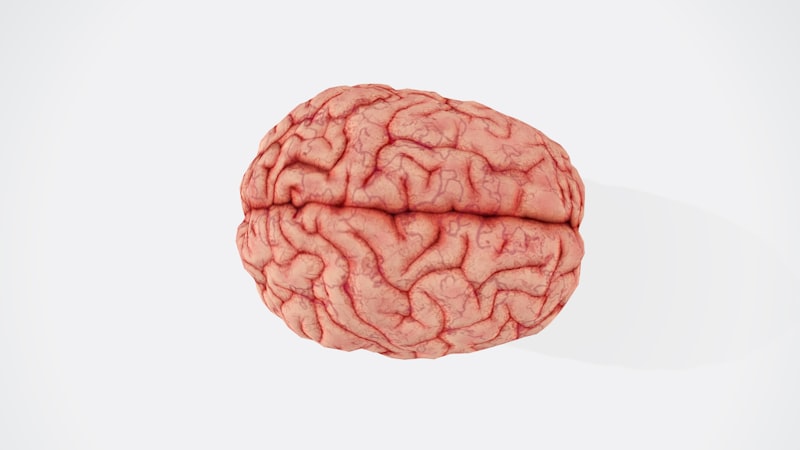
A partial seizure, also commonly referred to as a focal seizure, is defined by its origin in a limited, centralized area within one hemisphere of the brain. Unlike generalized seizures, which involve widespread, bilateral neuronal networks from the outset, partial seizures begin locally, reflecting abnormal, synchronous electrical discharges originating from a specific group of hyperexcitable neurons known as the epileptogenic focus. This specific localization dictates the initial clinical manifestation of the seizure, meaning the symptoms experienced by the patient directly correlate with the function of the affected cortical region. The fundamental characteristic distinguishing partial seizures from generalized ones is this unilateral, defined starting point, even though the seizure activity may subsequently propagate and spread throughout the brain, leading to a phenomenon known as secondary generalization.
The underlying pathophysiology involves a breakdown in the normal balance between excitatory and inhibitory neurotransmission within the localized brain region. Specifically, an excessive surge of excitatory activity, often mediated by glutamate, coupled with a deficiency in inhibitory processes, primarily mediated by GABA (gamma-aminobutyric acid), leads to the rapid, sustained depolarization of neuronal membranes. This electrical instability causes neurons to fire in high-frequency bursts, spreading this abnormal activity to adjacent cortical areas. The clinical presentation—whether sensory, motor, or psychic—is entirely dependent upon the anatomical locus of this initial electrical storm, such as the motor cortex causing muscle jerking or the limbic system generating emotional disturbances.
Partial seizures are clinically categorized based on whether the patient’s consciousness or awareness is maintained during the event. This crucial distinction separates them into two primary types: simple partial seizures (SPS), where awareness remains entirely intact, and complex partial seizures (CPS), where there is a discernible impairment or alteration of awareness. This classification is vital for both diagnostic purposes and for understanding the extent of neuronal involvement. While both types share the characteristic of focal onset and may exhibit similar sensory, motor, or autonomic symptoms, the preservation or loss of consciousness provides the foundational framework for their clinical differentiation and subsequent management protocols.
Classification: Simple Partial Seizures (SPS)
Simple Partial Seizures (SPS) are characterized by the retention of full consciousness and awareness throughout the entire ictal event. The patient remains alert, oriented, and typically able to recall the seizure experience in detail immediately afterward. Because the abnormal electrical discharge is confined to a small area and does not immediately interfere with the bilateral pathways necessary for consciousness (such as the brainstem or thalamic structures), the symptoms are often highly specific and localized. These manifestations can involve motor activity, somatosensory phenomena, autonomic changes, or psychic disturbances, all occurring while the patient is fully cognizant of their surroundings.
The clinical expressions of SPS are diverse and directly reflect the specific cortical area involved. Motor SPS often manifest as localized clonic (jerking) or tonic (stiffening) movements, commonly affecting one side of the body, such as the hand, foot, or face. A classic example is the Jacksonian seizure, where the seizure activity spreads sequentially across the motor cortex, causing the motor symptoms to “march” from one body part to another in an orderly fashion (e.g., from fingers to hand, then to the arm). Sensory SPS can include tingling, numbness (paresthesias), or the perception of non-existent sights, sounds, or smells (simple hallucinations). These sensory events are typically unformed and elemental, such as flashing lights or buzzing sounds, rather than complex visual scenes or voices.
Other forms of SPS involve autonomic or psychic symptoms. Autonomic SPS may include sudden, transient changes in heart rate, respiratory patterns, flushing, or epigastric sensations (a rising feeling in the stomach). Psychic SPS, while maintaining awareness, involve sudden emotional changes, such as intense fear, anxiety, or feelings of déjà vu (a sensation of having previously experienced the current moment) or jamais vu (a sensation of unfamiliarity with a normally familiar situation). The ability of the patient to report these subjective experiences precisely makes SPS invaluable for the neurophysiologist attempting to pinpoint the precise location of the epileptogenic focus prior to therapeutic intervention.
Classification: Complex Partial Seizures (CPS)
Complex Partial Seizures (CPS) represent a significant class of focal seizures defined by the crucial element of impaired awareness or consciousness during the event. This impairment means the patient is unable to respond appropriately to external stimuli, cannot interact normally with their environment, and typically has partial or complete amnesia for the event once the seizure resolves. Although the seizure begins focally, the electrical activity rapidly spreads to involve areas critical for maintaining consciousness, often structures within the limbic system and associated bilateral networks, most commonly via spread from the temporal lobe.
The most defining feature of CPS, alongside altered awareness, is the presence of automatisms. Automatisms are repetitive, non-purposeful motor behaviors performed during the period of impaired consciousness. These actions are often subtle but highly diagnostic and can be oral (e.g., lip-smacking, swallowing, chewing), manual (e.g., fiddling with clothes, hand-wringing), or ambulant (e.g., aimless walking). The patient is usually unable to inhibit these movements, and attempts by others to intervene often result in resistance or defensive posturing, though these reactions are not purposeful or aggressive in the true sense. The duration of impaired awareness and the associated automatisms can range from thirty seconds to several minutes, followed by a post-ictal confusion phase.
In many instances, CPS is preceded by an aura, which is, neurophysiologically speaking, a simple partial seizure itself. This aura serves as a warning sign and occurs before the spread of activity causes consciousness impairment. Common auras associated with CPS, especially those originating in the temporal lobe, include visceral sensations (the epigastric rising sensation), intense emotional experiences (sudden terror or foreboding), or complex sensory hallucinations (e.g., hearing formed music or seeing detailed scenes). Understanding the nature of the aura is critical, as it provides the most precise historical localization of the seizure focus before the activity becomes complex and spreads, thus clouding the direct relationship between focal origin and clinical sign.
Anatomical Localization and Temporal Lobe Involvement
The localization of the epileptogenic focus is perhaps the most critical factor in defining the clinical profile of a partial seizure. While focal seizures can originate anywhere in the cortex, the temporal lobe is overwhelmingly the most common site of origin, leading to the designation of Temporal Lobe Epilepsy (TLE). The temporal lobe, housing structures vital for memory (hippocampus), emotion (amygdala), and auditory/olfactory processing, accounts for approximately 60-70% of all cases of partial epilepsy. The high prevalence of TLE is often linked to subtle structural abnormalities, most notably hippocampal sclerosis, which involves volume loss and neuronal death in the hippocampus, frequently resulting from early childhood brain injury or prolonged febrile seizures.
Partial seizures originating outside the temporal lobe are classified based on their location, such as frontal, parietal, or occipital lobe epilepsy. Frontal lobe seizures are often characterized by rapid spread, bizarre or highly specific motor movements (e.g., bicycling or pedaling motions), and frequent secondary generalization. Due to the proximity of the motor cortex, frontal seizures can cause significant motor activity but are often much briefer than temporal lobe seizures and may occur predominantly during sleep. Parietal lobe seizures typically involve somatosensory symptoms, such as pain, tingling, or distortions of body image, while occipital lobe seizures primarily produce visual manifestations, ranging from simple flashes of light (phosphenes) to complex visual field deficits.
The identification of the precise epileptogenic focus is paramount, particularly for patients whose seizures are refractory to pharmacological treatment and who may be candidates for surgical resection. Advanced neuroimaging techniques, such as high-resolution Magnetic Resonance Imaging (MRI), are used to identify potential structural lesions, including tumors, cortical dysplasia, or cavernous malformations, which act as the nidus for the abnormal electrical activity. A detailed understanding of the anatomical spread, especially the involvement of mesial temporal structures, helps predict the clinical trajectory and response to treatment, reinforcing why localization is central to the management strategy for all partial seizures.
Clinical Manifestations: Motor, Sensory, and Autonomic
The spectrum of clinical manifestations associated with partial seizures is broad, categorized into distinct symptom groups determined by the specific region of the brain where the seizure activity initiates. Motor manifestations result from activity in the primary motor cortex. These can range from subtle focal clonic jerking (rhythmic, repetitive movements) or tonic posturing (sustained muscle contraction) to more dramatic versive seizures, where the head and eyes turn forcefully toward the side opposite the seizure focus. In the case of Simple Partial Seizures, motor activity may involve only isolated muscle groups, but if the discharge spreads across the motor homunculus, the phenomenon of the Jacksonian March is observed, reflecting the orderly anatomical progression of the seizure.
Sensory manifestations arise when the seizure involves the primary somatosensory cortex (parietal lobe) or specialized sensory areas (occipital/temporal lobes). Somatosensory seizures typically cause unilateral sensations such as numbness, tingling (paresthesias), or a burning feeling, often beginning in the distal extremities. Occipital lobe seizures generate visual phenomena, generally involving unformed visual hallucinations like geometric shapes, spots, or colored lights. Temporal lobe involvement, conversely, often produces olfactory (smells, usually unpleasant) or gustatory (tastes) hallucinations. These sensory events, particularly when they occur without alteration of consciousness, provide direct and immediate evidence of the functional location of the seizure focus.
Autonomic and Psychic manifestations involve structures governing homeostatic functions and emotional processing, often located deep within the temporal and limbic systems. Autonomic symptoms can include significant, transient changes in involuntary functions, such as sudden and profound changes in heart rate (tachycardia or bradycardia), alterations in pupillary size, piloerection (goosebumps), pallor, or noticeable gastrointestinal sensations (nausea or the classic epigastric rising feeling). Psychic symptoms are highly subjective and complex, encompassing intense affective changes (sudden extreme fear, panic, or pleasure), cognitive disturbances (distortions of time or memory), or illusions, such as macropsia or micropsia (objects appearing larger or smaller than they truly are).
Progression and Secondary Generalization
A partial seizure that begins focally may spread to involve both cerebral hemispheres, resulting in a secondarily generalized seizure. This progression transforms the initial focal event (simple or complex partial seizure) into a seizure that clinically resembles a primary generalized tonic-clonic seizure (historically known as Grand Mal). The mechanism involves the rapid, bilateral propagation of the abnormal electrical discharge, often through commissural pathways such as the corpus callosum, leading to a massive, simultaneous discharge of neurons across the entire brain. This secondary spread is of critical importance because it dramatically changes the clinical picture, often leading to loss of posture, a tonic phase (stiffening), a clonic phase (rhythmic jerking), and a prolonged post-ictal state.
Clinically, secondary generalization is often suspected when a generalized tonic-clonic event is preceded by a brief, localized symptom—the focal onset. However, in many cases, especially when the initial focal event is subtle, brief, or involves deep structures, the patient or witness may only recall the generalized phase. The identification of a focal onset, even when brief, fundamentally changes the diagnostic categorization from primary generalized epilepsy to partial epilepsy with secondary generalization, which has significant implications for both prognosis and choice of anti-epileptic medication. The prompt and effective management of the focal onset is crucial to preventing this debilitating spread.
The distinction between primary and secondary generalization relies heavily on the clinical history and neurophysiological data. Primary generalized seizures, such as absence or myoclonic seizures, show simultaneous, bilateral, and symmetric onset on the Electroencephalogram (EEG), without any evidence of focal origin. Conversely, secondarily generalized seizures demonstrate clear evidence of focal activity preceding the generalized discharge, often manifested as localized spikes or sharp waves on the EEG during the interictal period. The typical progression involves a sequence of clinical events:
-
Focal Onset: Simple partial seizure (aura) or complex partial seizure (impaired awareness/automatisms).
-
Rapid Spread: Electrical activity rapidly recruits bilateral cerebral networks.
-
Tonic Phase: Sudden, generalized stiffening of the body and loss of consciousness.
-
Clonic Phase: Rhythmic, bilateral jerking movements.
-
Post-Ictal Period: Resolution of seizure activity, characterized by confusion, drowsiness, and headache.
Diagnosis and Assessment of Partial Seizures
The diagnosis of partial seizures is fundamentally rooted in a meticulous and detailed clinical history. Given the subjective nature of many simple partial seizures (e.g., a flash of light or an internal feeling of fear) and the amnesia associated with complex partial seizures, witness accounts are often indispensable. Physicians must ascertain the precise sequence of events: the presence of an aura, the state of consciousness during the event, the presence and nature of automatisms, and the duration and characteristics of the post-ictal phase. Consistency between multiple observer accounts and the patient’s own history is often the first critical step in correctly localizing the seizure focus.
The primary neurodiagnostic tool utilized is the Electroencephalogram (EEG). While an EEG performed during the ictal event provides the most definitive confirmation, routine interictal (between seizures) EEG is often used to identify characteristic abnormalities. For partial seizures, the EEG often reveals interictal epileptiform discharges (IEDs), typically manifesting as localized sharp waves or spikes that are consistently confined to the area of the seizure focus, such as the temporal or frontal regions. However, a significant percentage of patients with confirmed partial epilepsy may have normal routine EEGs, necessitating sleep deprivation or prolonged video-EEG monitoring (V-EEG), which simultaneously records brain activity and clinical behavior, dramatically increasing the chance of capturing an event.
Neuroimaging is essential for identifying the structural etiology underlying the focal discharge. Magnetic Resonance Imaging (MRI), particularly high-resolution protocols tailored for epilepsy, is the gold standard, offering superior visualization of subtle lesions like hippocampal sclerosis, focal cortical dysplasia, or low-grade tumors that may be the physical origin of the seizure activity. Functional imaging techniques, such as Positron Emission Tomography (PET) and Single-Photon Emission Computed Tomography (SPECT), may also be employed, particularly in pre-surgical planning. PET scans can reveal areas of hypometabolism (reduced activity) during the interictal period, corresponding to the seizure focus, while ictal SPECT can detect areas of hyperperfusion (increased blood flow) during the actual seizure, aiding in precise localization.
Management and Treatment Protocols
The primary goal in the management of partial seizures is the complete cessation of seizure activity without inducing unacceptable side effects from medication. This is achieved primarily through the use of Anti-Epileptic Drugs (AEDs). Due to the focal nature of the underlying pathology, partial seizures respond particularly well to specific classes of AEDs that target focal neuronal hyperexcitability, often by blocking voltage-gated sodium channels or enhancing GABAergic inhibition. Common first-line treatments include medications such as carbamazepine, oxcarbazepine, lamotrigine, and levetiracetam. Treatment typically begins with monotherapy, escalating the dosage gradually until seizure control is achieved or side effects become dose-limiting.
If initial monotherapy fails, patients may require subsequent trials of alternative AEDs or combination therapy. A significant challenge arises in patients with refractory partial epilepsy, where seizures persist despite adequate trials of two or more appropriate AEDs. For these individuals, advanced therapeutic options become necessary. These include neurostimulation techniques, such as Vagus Nerve Stimulation (VNS), which involves implanting a device to deliver intermittent electrical pulses to the vagus nerve, or Responsive Neurostimulation (RNS), which involves intracranial device placement to detect and abort seizure activity in real-time. Dietary interventions, such as the high-fat, low-carbohydrate ketogenic diet, are sometimes employed, especially in pediatric populations, to modulate neuronal excitability.
For patients whose partial seizures are highly localized, refractory to medication, and significantly impair quality of life, epilepsy surgery offers a potentially curative option. Surgical intervention, typically involving the resection of the epileptogenic focus (e.g., temporal lobectomy for TLE), requires extensive pre-surgical mapping using V-EEG, high-resolution MRI, and potentially intracranial electrode studies to ensure the focus is accurately identified and that its removal will not result in unacceptable neurological deficits. When successful, surgical resection can lead to long-term freedom from seizures, highlighting the importance of precise localization inherent to the definition of a partial seizure.