Passionate Love: The Science of Intense Emotional Arousal
Scientifically Reviewed · Dr. Marwa Abd-Alazim · August 27, 2026
Review Criteria & Clinical Standards
This content undergoes rigorous scientific peer-review and medical editorial standards at Arab Psychology Network to ensure clinical accuracy, validity, and compliance with evidence-based guidelines from leading psychological and healthcare authorities (APA / WHO).

Introduction and Definition of Passionate Love
Passion, in the context of psychological study, refers to a profound and intense form of affection characterized primarily by the presence of carnal passion and a significantly high level of emotional arousal. This psychological construct is considered one of the two foundational categories of love recognized by cultural and social psychologists, standing in direct contrast to, yet often coexisting with, companion-based love. Passionate love is frequently associated with the initial, exhilarating phases of a relationship, often marked by a sense of novelty, intense psychological focus, and a powerful drive toward physical and emotional merger with the beloved individual. It is crucial to understand that this form of love is not merely superficial attraction; rather, it constitutes a complex emotional state that deeply affects cognitive processes, behavioral outputs, and physiological stability, driving the individual toward obsessive contemplation and profound emotional highs and lows dependent upon the perceived state of the relationship.
The defining characteristics of passionate love involve a constellation of interconnected emotional and cognitive elements. Individuals experiencing this state commonly find themselves very preoccupied with the loved individual, dedicating significant mental energy to thoughts, memories, and future planning concerning the relationship. This preoccupation can border on intrusive thinking, where the beloved occupies a disproportionately large part of the mental landscape, often manifesting as an inability to focus on unrelated tasks or responsibilities. Furthermore, a core element of this experience is the overwhelming desire for reciprocity; the passionate lover requires validation that their intense feelings are returned with similar fervor. When this validation is present, the experience is euphoric; conversely, any threat to the union or perception of emotional withdrawal leads rapidly to intense distress and emotional disruption, a hallmark distinguishing passionate love from the more stable, resilient nature of companionate affection.
Indeed, passionate love is often present in the initial phases of a new relationship, providing the motivational fuel necessary for bonding and rapid commitment formation. However, its intense, all-consuming nature makes it inherently unstable over extended periods. Researchers categorize passionate love by its duality: the ecstasy derived from fulfillment and the anguish derived from frustration. This emotional volatility is inextricably linked to the perception of whether the union is secure or seems awry. When obstacles arise, the passionate lover experiences profound jealousy, anxiety, and sometimes panic, illustrating the deep investment and vulnerability inherent in this state. This intensity necessitates a deeper examination of the specific components that constitute this compelling, albeit frequently transient, psychological phenomenon.
The Cognitive and Emotional Components of Passion
The cognitive structure of passionate love is characterized by profound alterations in typical thought patterns, most notably the intense idealization of the beloved. The passionate individual tends to magnify the positive attributes of the partner while simultaneously minimizing or entirely overlooking their flaws. This cognitive bias serves to maintain the high emotional charge of the relationship, reinforcing the belief that the beloved is uniquely perfect and irreplaceable. This idealization is intrinsically linked to the high level of cognitive preoccupation previously mentioned, where the lover engages in relentless rumination about the partner’s actions, feelings, and the overall status of the relationship. This mental focus often creates a form of psychological dependency, where the individual’s self-esteem and emotional equilibrium become highly contingent upon the perceived approval and presence of the loved one.
Emotionally, passionate love is defined by a rapid cycling between extremes. The feelings experienced are not merely warm or pleasant; they are often described in terms of elation, euphoria, and deep, consuming tenderness when the relationship is flourishing. These positive emotions are powerful reinforcers, encouraging the individual to seek further contact and merger. Conversely, any perceived slight, distance, or threat of separation triggers emotions characteristic of acute loss or deprivation, including despair, jealousy, and profound anxiety. This emotional architecture suggests that passionate love operates similarly to an addictive process, where the presence of the stimulus (the beloved) provides immense reward, and its withdrawal results in painful symptoms. The intensity of these mood swings is a key diagnostic feature, differentiating passionate love from more temperate forms of affection that prioritize stability and mutual comfort over ecstatic highs.
Furthermore, the cognitive landscape of passionate love includes a strong element of motivational drive related to self-disclosure and intimacy. The lover feels an urgent need to share deep personal information and experiences with the beloved, believing this rapid and deep self-disclosure is necessary for achieving the desired level of merger. This drive for intimacy is often coupled with possessiveness; because the object of passion is so highly valued and essential to the lover’s well-being, feelings of territoriality and vigilance against rivals become prominent. Psychologically, the boundary between the self and the other begins to blur, leading to a state of emotional vulnerability that is both terrifying and deeply gratifying, illustrating the powerful, consuming nature of this specific kind of attachment.
Physiological Manifestations and Arousal
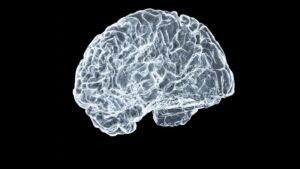
The intensity of passionate love is not solely confined to the psychological realm; it has profound and measurable physiological manifestations, substantiating the description of high emotional arousal. This state triggers the activation of brain systems associated with reward, motivation, and sometimes, stress. Neurochemically, the initial phases of intense passion are linked to elevated levels of neurotransmitters such as dopamine, which is central to the brain’s reward pathway, producing the feelings of elation and craving characteristic of the experience. This dopaminergic rush explains the obsessive focus and the relentless pursuit of contact, mirroring the neurochemical profiles seen in states of euphoria and goal-directed behavior.
In addition to the reward system activation, passionate love involves significant activity in the sympathetic nervous system, often referred to as the ‘fight or flight’ response, particularly when uncertainty or threat is involved. The physical symptoms associated with a passionate encounter or the anticipation of meeting the beloved—including a racing heart, sweaty palms, flushing, and butterflies in the stomach—are direct results of increased levels of norepinephrine and adrenaline. These physiological responses contribute directly to the perceived sense of excitement and intensity, acting as biofeedback that reinforces the emotional experience. The rapid fluctuation between anxious arousal and euphoric calm further solidifies the volatile nature of this emotional category, confirming that passionate love is fundamentally a state of heightened somatic awareness and physiological reactivity.
The integration of the cognitive, emotional, and physiological dimensions forms a powerful feedback loop. The lover thinks intensely about the beloved (cognitive preoccupation), which triggers the release of excitatory chemicals (dopamine/norepinephrine), leading to physical symptoms (arousal/racing heart), which the individual interprets as intense love (emotional label). This cycle explains why passionate love feels so compelling and powerful, acting as a temporary, acute alteration of the individual’s baseline physiological and psychological state. The intense carnal passion inherent in the definition is thus supported by biological imperative, driving sexual desire, physical intimacy, and the profound need for proximity, making the physical union a critical component of the fulfillment cycle within this form of love.
The Dynamics of Reciprocity and Unrequited Desire
The fundamental engine driving the passionate lover is the imperative that their feelings be returned. Reciprocity is not merely desired; it is a psychological necessity for the maintenance of emotional stability within this state. When passion is mutual, it leads to intense feelings of validation, security, and merging, confirming the lover’s belief that their intense investment is justified. Successful reciprocity acts as a powerful stabilizing factor, momentarily mitigating the inherent anxiety of the passionate state and allowing the focus to shift toward future planning and relationship consolidation. This confirmation of mutual devotion elevates the relationship to the highest priority in the lover’s life, driving behaviors aimed at ensuring continued closeness and shared experience.
Conversely, the experience of unrequited passionate love is one of the most psychologically painful and destabilizing human experiences. When the desire for merger and intense affection is not returned, or when the relationship faces significant conflict, the passionate lover becomes generally very upset. This distress often manifests as obsessive pursuit, profound grief, self-blame, and even anger. The failure of reciprocity transforms the dopamine-fueled euphoria into a state of intense craving and withdrawal, often activating brain regions associated with physical pain and loss. Unlike companionate love, which is more resilient to minor setbacks, passionate love interprets non-reciprocity as an existential threat to the self, given that the lover’s identity and self-worth have become deeply entangled with the relationship’s success.
The severity of distress when the union seems awry underscores the fragile psychological boundaries established during passionate love. Any conflict, disagreement, or temporary separation is often catastrophized, leading to extreme emotional reactions disproportionate to the actual threat. This volatility stems from the high stakes involved; for the passionate lover, the loss of the relationship is perceived as the loss of a crucial part of the self. Therefore, the dynamics of passionate love necessitate continuous monitoring of the partner’s affection level and behavioral cues, creating a heightened state of emotional vigilance. This intense need for confirmation and the subsequent distress upon perceived rejection are core components that necessitate intervention or change if the relationship is to mature into a more sustainable, companionate form.
Passionate Love Versus Companionate Love: The Dichotomy
In the framework established by social and cultural psychology, passionate love is explicitly defined in contrast to companion-based love (also known as companionate or affectionate love). While passionate love is characterized by volatile intensity, physiological arousal, and rapid onset, companionate love emphasizes deep affection, mutual understanding, trust, commitment, and stability. Companionate love develops over time, rooted in shared experiences and interconnected lives, prioritizing emotional security and comfort over the exhilarating highs and lows associated with passion. The primary goal of passionate love is merger and intense physical and emotional connection, whereas the primary goal of companionate love is sustained partnership and enduring mutual support.
The two forms of love, though distinct, are not mutually exclusive and often exist in sequence or simultaneously within a relationship. Passionate love typically serves as the initial, motivational force that rapidly brings two individuals together, overcoming barriers and driving the intense bonding necessary for early commitment. As the relationship matures and the novelty wears off, the high-arousal state associated with passion tends to diminish. At this critical juncture, the successful transition requires the development of strong companionate elements—trust, shared values, and deep mutual respect—to sustain the bond beyond the initial rush. Relationships that fail to cultivate these companionate factors often dissolve once the intense, addictive phase of passion inevitably wanes, illustrating the temporary nature of passion as a sole foundation.
A key difference lies in the management of conflict. In passionate love, conflict is highly threatening and leads to extreme emotional volatility and anxiety, reflecting the perceived fragility of the bond. In contrast, companionate love is characterized by resilience; conflicts are generally viewed as challenges to be navigated jointly, supported by a bedrock of established trust and commitment. Companionate partners prioritize communication and compromise, focusing on long-term relationship health rather than immediate emotional gratification. Therefore, while passionate love provides the initial spark and the urgency for union, it is the depth and stability of companionate affection that provides the psychological safety and durability required for long-term relational success, highlighting the necessary evolution required for enduring partnership.
The Temporal Trajectory and Evolution of Passion
A central finding in the study of passionate love is its inherently limited duration. While the specific timeline varies depending on the couple and environmental factors, research consistently indicates that the physiological and cognitive intensity associated with passionate love tends to peak early—typically within the first six months to two years—before gradually declining into a more stable, less aroused state. This decline is attributed to several factors, including habituation, the psychological necessity of returning to baseline cognitive functioning, and the biological inability to sustain the high levels of stress hormones and dopamine activity indefinitely. The human system is simply not built to remain in a constant state of high alert and ecstatic arousal, making the intense preoccupation unsustainable over the decades of a typical relationship.
The decline of passionate intensity is often misinterpreted by couples as the “death” of love, leading to distress and the temptation to seek new relationships in pursuit of the initial, exhilarating rush. Psychologists emphasize, however, that the decrease in passion is a natural and necessary developmental stage, marking the transition from a state of acute attraction into a mature relationship characterized by interdependence and deep attachment. Successful long-term relationships manage this transition by substituting the volatility of passion with the comfort and profound security of companionate love. They retain some elements of passion—periodic arousal, sexual interest, and appreciation—but these are integrated within a stable framework rather than dominating the emotional landscape.
The critical evolutionary function of passionate love may be understood in its role as a powerful mechanism for rapid pair bonding, ensuring immediate focus and commitment necessary for reproduction and initial co-parenting efforts. The intense, almost addictive nature ensures that the individuals overcome external obstacles and internal uncertainties long enough to establish a secure foundation. Once this foundation is secure, the evolutionary pressure for intense, consuming passion subsides, allowing the more sustainable, resource-conserving mechanisms of companionate love to take over. Thus, the temporal trajectory of passion is less a failure of love and more a reflection of its specialized, time-limited psychological function in forming new bonds.
Cultural Context and Psychological Significance
Although the neurochemical and physiological underpinnings of passionate love appear to be largely universal across human populations, the expression, valuation, and societal encouragement of this type of love vary significantly across cultures. Western, individualized cultures tend to place extraordinary emphasis on passionate love as the sole, necessary prerequisite for marriage and long-term commitment—a phenomenon sometimes termed the “romantic ideal.” This cultural narrative often leads individuals to pursue passion relentlessly, sometimes at the expense of stability or practicality, and can contribute to relationship dissatisfaction when the inevitable decline in intensity occurs. Conversely, many Eastern and collectivist societies prioritize companionate love, viewing passionate love as secondary or even disruptive to the formation of stable, family-centered unions based on duty, compatibility, and shared social standing.
From a clinical and psychological perspective, understanding passionate love is vital for addressing relationship dysfunction. The intense emotional volatility and potential for dependence inherent in passion can, in certain circumstances, blur the lines between healthy affection and maladaptive behaviors, such as obsessive pursuit, stalking, or emotional manipulation triggered by the fear of abandonment. Psychologists must often help individuals distinguish between the natural, intoxicating rush of early passion and genuine, sustainable attachment. Recognizing the temporary nature of the high-arousal state helps couples manage expectations and invest energy into developing the communication skills and trust necessary for the enduring stage of companionate relationship.
In summary, passionate love remains a central and powerful force in human psychology, characterized by high arousal, cognitive preoccupation, and intense emotional investment. It serves as the psychological catalyst for bonding, providing the necessary motivational energy to initiate profound attachments. While its intense nature makes it highly rewarding, it also renders it inherently unstable over the long term, necessitating a transition to the more sustainable foundations of companionate love. The study of passion continues to illuminate the complex interplay between human neurochemistry, cognitive bias, and cultural expectations surrounding the most powerful and consuming of human emotional experiences.