Pathological Inertia: Why Your Mind Refuses to Move
Scientifically Reviewed · Dr. Marwa Abd-Alazim · August 29, 2026
Review Criteria & Clinical Standards
This content undergoes rigorous scientific peer-review and medical editorial standards at Arab Psychology Network to ensure clinical accuracy, validity, and compliance with evidence-based guidelines from leading psychological and healthcare authorities (APA / WHO).
PATHOLOGICAL INERTIA
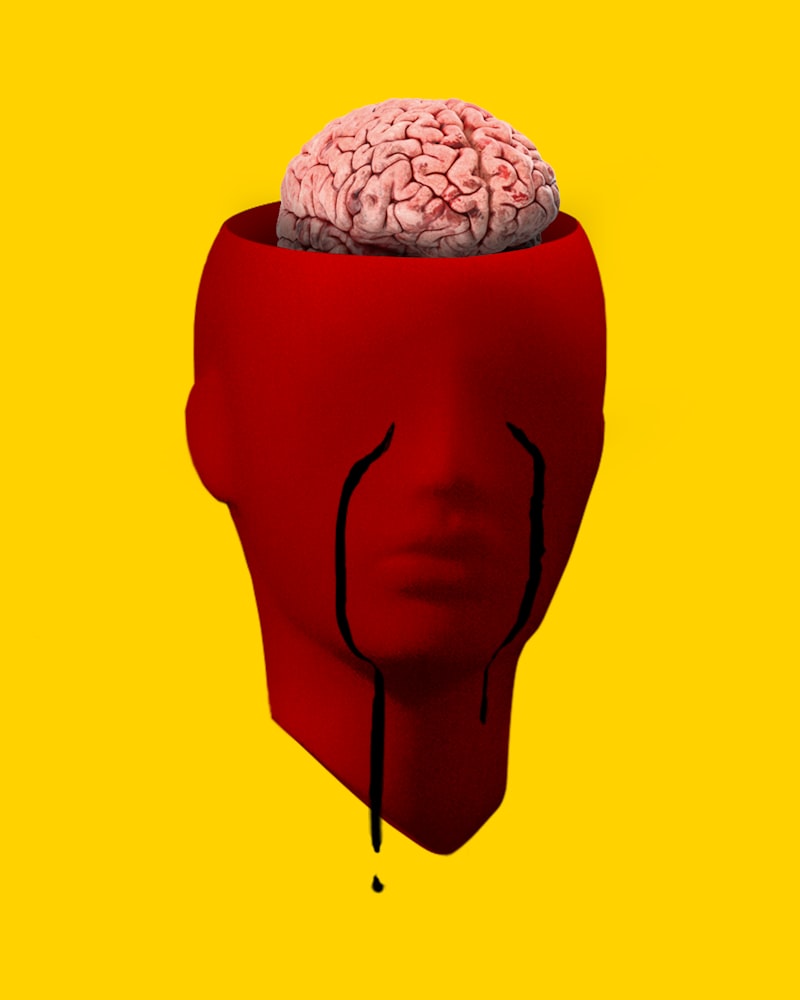
Pathological inertia represents a complex neuropsychological phenomenon characterized by a profound and debilitating inability to initiate action or to transition between cognitive or behavioral states. This condition is typically segregated into two primary, though often overlapping, domains. The first domain defines it as the incapacity to switch cognitive sets or display essential mental flexibility, frequently resulting from significant brain damage or severe alteration of psychological state. This manifestation involves persistent adherence to a previous response or thought pattern, even when context demands a change, a symptom often referred to as perseveration. The second, equally critical domain relates to a seriously handicapped sense of initiative, ambition, or motivation, manifesting as a profound absence of self-starting behavior, sometimes correlated specifically with structural brain injury, particularly lesions affecting the frontal lobes and associated subcortical circuits. Understanding pathological inertia requires acknowledging its dual nature: both a failure of executive control necessary for shifting gears and a critical failure of the motivational systems required for engaging with the environment.
The core difficulty inherent in pathological inertia is the maintenance of a static state, whether it is a physical posture, a verbal response, or a cognitive strategy, despite clear internal or external stimuli demanding modification. This stands in stark contrast to normal volitional behavior, which relies heavily on the constant updating of goals and the flexible selection of appropriate response strategies. When inertia becomes pathological, the individual is effectively trapped within their current mental or physical framework. This trapping mechanism is not merely an unwillingness or laziness, but a genuine neurophysiological incapacity to generate the necessary neural impetus required for a shift. Consequently, daily activities that require sequential planning, task switching, or adaptation to novel circumstances become overwhelmingly difficult or impossible without significant external prompting and intervention, severely impacting occupational performance and social integration.
Furthermore, the term pathological inertia is crucial because it differentiates this severe incapacitation from common psychological states like procrastination or simple lack of energy. Unlike these milder states, pathological inertia often has identifiable organic underpinnings, placing it firmly within the realm of neurological and severe psychiatric disorders. Clinically, it demands a comprehensive assessment to determine whether the dominant feature is the cognitive rigidity (the inability to stop an action or thought) or the severe motivational deficit (the inability to start an action or thought). While the public sometimes equates these severe deficits with perceived personal character flaws, such as the anecdotal observation that one might wonder if a person is suffering from pathological inertia due to extreme inactivity, the medical definition emphasizes the underlying neurological impairment that renders the patient incapable of generating self-directed movement or cognitive transition, highlighting the involuntary and persistent nature of the condition.
Cognitive Rigidity and Set Switching Failure
The cognitive aspect of pathological inertia is fundamentally rooted in a failure of executive functions, specifically those governing mental flexibility and set switching. Set switching refers to the ability to consciously shift attention from one task, rule, or mental set to another, an operation crucial for problem-solving and adaptive behavior. When this function is impaired, the result is often cognitive perseveration—the inappropriate repetition or continuation of a response or behavior when a change is required. This perseverative tendency can manifest in various forms, including motor perseveration (repeating a physical movement), verbal perseveration (repeating a word or phrase), or conceptual perseveration (applying an outdated rule to a new situation). This rigidity severely limits the individual’s capacity to navigate dynamic environments or engage in tasks requiring complex sequences of operations.
Standard neuropsychological assessments often reveal the severity of this deficit. The Wisconsin Card Sorting Test (WCST), for example, is a classic tool used to evaluate the ability to shift cognitive sets. Patients suffering from cognitive inertia often demonstrate a high number of perseverative errors, continuing to sort based on an established but now incorrect principle (e.g., sorting by color) even after receiving consistent negative feedback indicating that the rule has changed (e.g., the new rule is sorting by shape). Their inability to disengage from the previously reinforced schema illustrates the inertia of thought—the mental machinery is stuck in a loop, unable to generate the inhibitory signal necessary to stop the old behavior and the initiation signal needed to adopt the new strategy. This failure highlights compromised frontal lobe integrity, particularly concerning the dorsolateral prefrontal cortex, which plays a pivotal role in working memory and cognitive control.
The mechanism underlying this specific form of inertia involves the breakdown of the intricate neural networks responsible for monitoring performance and updating behavioral plans. Normal set shifting requires the brain to register the error, inhibit the prepotent (most likely) response, and then select and activate a novel response. In pathological inertia characterized by rigidity, the inhibitory component is severely compromised, meaning the brain cannot halt the ongoing process. Furthermore, the selection and activation of a new set often fail due to insufficient cognitive energy or an inability to retrieve alternative strategies. This leads to a profound lack of behavioral variability, where the individual appears logically aware that their current approach is failing but remains neurologically incapable of initiating the necessary correction, resulting in predictable and repetitive errors that define the syndrome of pathological perseveration.
Motivational Deficits and Abulia
The second major component of pathological inertia centers on the severe deficit in behavioral initiation, often described in clinical literature as a profound reduction in drive, initiative, or volition. This manifestation is closely related to abulia, a neurological symptom defined by the absence of will or initiative, where the patient lacks the drive to perform activities, even those necessary for self-care, despite being fully conscious and physically capable. Unlike depression, where the patient may experience sadness and anhedonia, the abulic patient often lacks the emotional component; they simply possess no internal drive to start or pursue goals. Pathological inertia, in this context, describes the extreme difficulty in overcoming the resting state—the massive effort required, often only achieved through external cues, to transition from inactivity to purposeful action.
This motivational inertia is distinct from motor paralysis or severe fatigue. A patient suffering from motivational inertia retains the motor capacity to execute an action, but the internal signal to begin the sequence of movements or thoughts is absent or massively attenuated. This is often observed in patients with damage to the medial frontal structures, particularly the anterior cingulate cortex (ACC). The ACC is critical for monitoring conflicts, detecting errors, and, most importantly, providing the necessary energetic boost—the ‘oomph’—required to initiate goal-directed behavior. When the ACC or its connections to the basal ganglia (which form the motivational loop) are damaged, the patient exhibits a state of psychic paralysis, where the mind knows what needs to be done but cannot generate the psychic effort required to break the state of rest.
The spectrum of motivational deficits ranges from mild apathy to severe akinetic mutism, with pathological inertia often occupying the middle to severe end of this continuum. In severe cases, patients may remain immobile for extended periods, failing to engage in conversation, feeding themselves, or responding to environmental changes unless prompted repeatedly and forcefully by caregivers. This absence of spontaneous action reflects a disruption in the dopamine-mediated reward and initiation pathways, which are essential for translating goals into actions. The persistence of the non-action state underscores the concept of inertia: the behavioral state, once established (in this case, rest), requires immense, often unavailable, energy to change. This inertia is not merely passive resignation but an active neurological incapacity to overcome the threshold for initiation.
Neuroanatomical Correlates
Pathological inertia is overwhelmingly associated with damage to the intricate circuitries of the frontal-subcortical loops, which are responsible for executive control, motivation, and motor planning. Specifically, the prefrontal cortex, particularly the dorsolateral prefrontal cortex (DLPFC) and the medial frontal lobe, are implicated. The DLPFC is central to the cognitive aspects of inertia, mediating working memory and set-shifting abilities. Lesions here often result in the classic perseverative behaviors—the inability to stop an established cognitive strategy, reflecting failure in inhibitory control necessary for flexible thinking. This area is heavily connected to the striatum, forming the cognitive loop that controls the selection and maintenance of mental sets.
The motivational component, or abulia/lack of initiative, is most commonly linked to pathology involving the medial frontal region, encompassing the supplementary motor area (SMA) and, critically, the anterior cingulate cortex (ACC). The ACC is a key node in the limbic-motor interface, integrating emotional and motivational signals with motor preparation. Damage to the ACC or the medial frontal-subcortical loop, particularly those involving the ventral striatum and the globus pallidus, severely attenuates the drive system. This is often seen following anterior cerebral artery strokes, resulting in significant bilateral medial frontal damage. Such injuries essentially disconnect the neural machinery that translates the desire or necessity for action into the motor command, leaving the patient in a state of profound motivational inertia.
Furthermore, subcortical structures play a significant role. The basal ganglia, including the caudate nucleus and the putamen, act as critical relays in these circuits, modulating the flow of information necessary for initiating movement and thought sequences. Conditions affecting the basal ganglia, such as Parkinson’s disease or Huntington’s disease, often exhibit prominent features of inertia—specifically, bradykinesia (slowness of movement) and difficulty initiating movement sequences (akinesia). Pathological inertia, therefore, is rarely localized to a single cortical area but rather represents a disruption of the highly integrated functional loops that connect the cortical planning centers (frontal lobes) with the subcortical execution and modulation centers (basal ganglia and thalamus). The severity and type of inertia—whether cognitive or motivational—depend directly on which segment of these complex loops is primarily compromised.
Clinical Manifestations and Diagnosis
The clinical presentation of pathological inertia is highly dependent upon the underlying etiology and the specific neurological systems affected, but it universally involves a noticeable failure in self-generated activity. In the realm of cognitive inertia, manifestations include difficulty transitioning between conversational topics, persistent use of the same limited vocabulary or phrases, or the inability to switch gears during a complex task, such as cooking or administrative work. Patients may become visibly distressed when confronted with the need to change their plan, yet they remain unable to execute the shift themselves. This rigidity makes rehabilitation challenging, as patients struggle immensely to learn and adopt new compensatory strategies, sticking instead to old, ineffective habits.
When motivational inertia predominates, the clinical picture is defined by a striking absence of spontaneous behavior. The patient may sit motionless for hours, requiring explicit, step-by-step instructions to perform simple tasks like dressing or eating. They do not spontaneously initiate conversations, hobbies, or even basic hygiene routines. A critical diagnostic challenge is differentiating this lack of initiation from simple depression or fatigue. Unlike depression, where patients often report feelings of sadness, guilt, or low self-worth, the patient with pure motivational inertia often reports feeling emotionally neutral, simply lacking the internal push to act. Diagnosis relies heavily on detailed observation of spontaneous behavior, structured interviews with caregivers regarding the frequency of self-initiated activities, and the exclusion of primary mood disorders.
The formal diagnosis of pathological inertia typically requires a combination of clinical neurological examination and detailed neuropsychological testing. Clinicians use specialized tasks, beyond the standard WCST, that measure latency and persistence in self-paced activities. For instance, testing initiation might involve asking the patient to generate a list of words or draw complex figures without external pacing. A key diagnostic indicator is the discrepancy between the patient’s preserved knowledge of what should be done (intact declarative memory) and their inability to spontaneously execute the action (impaired procedural or executive function). The presence of significant brain injury, particularly involving frontal or basal ganglia pathways, serves as a strong correlate, solidifying the pathological nature of the inertia rather than attributing it to psychological factors alone.
Differentiation from Related Conditions
Distinguishing pathological inertia from superficially similar psychological and neurological conditions is essential for proper management and prognosis. The most common differential diagnoses include apathy, clinical depression, and certain forms of catatonia. Apathy, while sharing the symptom of reduced initiative, is primarily defined by a lack of emotional concern, interest, or feeling. While severe apathy can certainly contribute to motivational inertia, pure pathological inertia emphasizes the *incapacity* to switch or start, rather than merely the *lack of interest* or emotional investment. An apathetic person might state, “I don’t care enough to do that,” whereas a patient with pure inertia might state, “I know I should do that, but I can’t seem to make myself start.”
Differentiation from major depressive disorder (MDD) is equally crucial. While psychomotor retardation is a hallmark of severe depression, accompanied by decreased movement and slowed thought, MDD is defined by core affective symptoms such as persistent dysphoria, hopelessness, and guilt. Antidepressant medications effectively treat the inertia associated with MDD by modulating monoamine neurotransmitter systems. Conversely, the inertia caused by frontal lobe damage may not respond to standard antidepressants and requires interventions targeting dopaminergic or structural rehabilitation pathways. The neurological origin of pathological inertia, often traceable to specific lesions, provides a clearer distinction from the diffuse psychological profile of depression.
Furthermore, pathological inertia must be distinguished from the negativism and immobility seen in catatonia, a neuropsychiatric syndrome characterized by motor abnormalities. While both conditions involve profound immobility, catatonia often includes distinct features such as waxy flexibility, posturing, and mutism that are not typical of generalized pathological inertia. Catatonia is often highly responsive to benzodiazepines, a treatment approach generally ineffective for the structural rigidity or abulia of pathological inertia caused by stroke or neurodegeneration. Therefore, effective clinical practice requires careful diagnostic assessment focusing on the precise nature of the motor and cognitive impairment—whether it is a failure of initiation, a failure of inhibition, or a complex movement disorder.
Etiology and Risk Factors
The etiology of pathological inertia is highly associated with conditions that result in structural or functional damage to the frontal-subcortical circuits. The most common risk factors involve acute neurological events such as Traumatic Brain Injury (TBI), particularly injuries causing contusions or diffuse axonal injury in the frontal poles, and cerebrovascular accidents (strokes), especially those affecting the anterior cerebral artery territory, which supplies the medial frontal lobes. Bilateral medial frontal damage is notorious for producing severe abulia and motivational inertia due to the disruption of the ACC pathways.
Neurodegenerative diseases also pose a significant risk, as they systematically compromise the integrity of basal ganglia and associated cortical structures. Conditions like Parkinson’s disease, Progressive Supranuclear Palsy (PSP), and Huntington’s disease frequently include features of pathological inertia. In Parkinson’s disease, the depletion of dopamine in the nigrostriatal pathway leads directly to akinesia (difficulty initiating movement) and profound motivational deficits. PSP, characterized by degeneration of brainstem and basal ganglia structures, often presents with severe abulia and cognitive rigidity that surpasses the motor symptoms typical of classic Parkinsonism.
Less common but significant etiologies include infections (e.g., severe encephalitis), tumors located in or near the frontal lobes or basal ganglia, and certain metabolic or toxic encephalopathies. Importantly, severe, chronic psychological states, such as profound emotional trauma or long-term institutionalization, can sometimes result in a functional state resembling pathological inertia, likely through chronic alteration of frontal lobe function and connectivity, although this diagnosis is typically reserved for cases with clear organic brain pathology. The common thread across all etiologies is the specific damage to the neural mechanisms responsible for generating the internal energy and command structure necessary for volitional movement and cognitive transition.
Therapeutic Approaches and Management
Management of pathological inertia is multifaceted, requiring coordinated efforts spanning pharmacological, rehabilitative, and environmental strategies, tailored according to whether cognitive rigidity or motivational deficits dominate. For motivational inertia linked to dopamine system dysfunction, such as in Parkinson’s disease or certain frontal lesions, pharmacological interventions often involve agents that enhance dopaminergic activity. Dopamine agonists or drugs like amantadine may be trialed to increase the drive and initiation threshold, aiming to restore the chemical imbalance in the motivational pathways of the basal ganglia. However, the efficacy is highly variable depending on the precise location and extent of the underlying brain damage.
Non-pharmacological management focuses heavily on structured rehabilitation and environmental restructuring. For patients suffering from severe motivational deficits, the environment must be organized to minimize the need for spontaneous self-initiation. This involves the use of external cues, prompts, and highly structured routines. Caregivers are trained to break down complex tasks into very small, manageable steps, providing specific verbal or visual cues at each transition point, thus externalizing the executive function that the patient’s brain can no longer reliably perform internally. The goal is to bypass the impaired ACC system by relying on external stimulation to trigger action.
For cognitive inertia (rigidity and perseveration), rehabilitation efforts focus on techniques to interrupt the perseverative loop and facilitate set shifting. This includes intensive cognitive training exercises designed to improve inhibitory control and flexibility, often utilizing biofeedback or computerized training programs. Behavioral strategies involve introducing forced changes in routine or task parameters to practice flexibility in a controlled setting. Given the chronicity of the underlying neurological damage, therapeutic expectations must be realistic; the aim is often not full recovery of spontaneous initiation or flexibility, but rather maximizing functional independence through compensatory strategies and highly supportive environmental scaffolding.