The Gut-Brain Axis: How Your Stomach Shapes Your Mood
Scientifically Reviewed · Dr. Marwa Abd-Alazim · September 10, 2026
Review Criteria & Clinical Standards
This content undergoes rigorous scientific peer-review and medical editorial standards at Arab Psychology Network to ensure clinical accuracy, validity, and compliance with evidence-based guidelines from leading psychological and healthcare authorities (APA / WHO).
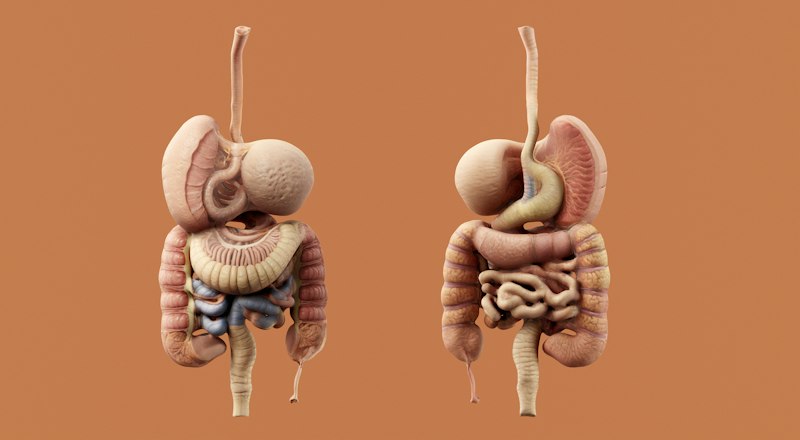
Introduction and Definition of Pepsinogen
Pepsinogen stands as a crucial component in the mammalian digestive system, serving as the inactive precursor, or zymogen, to the powerful proteolytic enzyme, pepsin. This substance is synthesized and dispersed primarily by specialized cells within the gastric glands of the stomach, representing the initial line of enzymatic defense against ingested proteins. The necessity for pepsinogen to exist in an inactive state is fundamentally protective; if secreted as the active enzyme, it would rapidly degrade the very cells that produce it. Therefore, its chemical structure includes an inhibitory peptide fragment that masks the active site, ensuring stability and cellular safety until it reaches the highly acidic environment of the stomach lumen.
Chemically, pepsinogen is a single-chain polypeptide, significantly larger than its active counterpart, pepsin. It is typically categorized into two main groups, Pepsinogen I (PGI) and Pepsinogen II (PGII), based on their physicochemical properties, immunological reactivity, and location within the gastric mucosa. PGI is predominantly found in the chief cells of the fundus and corpus (the main body) of the stomach, while PGII is distributed more widely, appearing in the antrum and even in the duodenum. This differential localization allows clinicians to utilize the ratio of these two forms in serum as a valuable diagnostic marker for assessing the health and functional status of various regions of the gastric lining.
The core function of pepsinogen, therefore, is rooted in anticipation and preparedness. It represents a readily available reservoir of digestive capacity, primed for instantaneous activation upon the introduction of food and the subsequent drop in pH. The rapid conversion from pepsinogen to pepsin ensures that the digestive cascade begins immediately upon the bolus entering the stomach, optimizing the efficiency of nutrient extraction. This delicate mechanism underscores the sophisticated control exerted over digestion, balancing maximal enzymatic power with strict protection of the gastrointestinal tract integrity.
The Role of Pepsin in Protein Digestion
Once converted from pepsinogen, pepsin functions as a potent endopeptidase, meaning it hydrolyzes peptide bonds located within the interior of polypeptide chains, rather than at the ends. This initial, large-scale breakdown of complex proteins is critical because intact proteins are too large to be absorbed directly across the intestinal wall. Pepsin exhibits a relative specificity, preferentially cleaving bonds involving the carboxyl groups of aromatic amino acids such as phenylalanine, tryptophan, and tyrosine, although its specificity is broader than many other digestive proteases. This action effectively fragments large dietary proteins into smaller intermediate products, primarily proteoses and peptones, which are then passed into the duodenum for further processing.
The efficacy of pepsin is entirely dependent on the highly acidic environment maintained by the secretion of hydrochloric acid (HCl) from parietal cells. Pepsin achieves optimal enzymatic activity within a narrow pH range, typically between 1.5 and 2.5. As the pH rises above 4.0, pepsin activity declines sharply, and above pH 6.0, the enzyme undergoes irreversible denaturation, rendering it inactive. This pH dependence explains why pepsin’s role is confined almost exclusively to the stomach; once the chyme moves into the duodenum, the pancreatic bicarbonate secretions neutralize the acid, effectively terminating pepsin’s digestive contribution and handing over the process to pancreatic proteases like trypsin and chymotrypsin, which operate optimally at neutral or slightly alkaline pH levels.
The overall digestive importance of pepsin is best understood when considering the mechanical and chemical preparation of food. While pepsin is not strictly essential for survival—as pancreatic enzymes can eventually compensate for its absence—it significantly enhances the speed and completeness of protein digestion. By initiating the hydrolysis of tertiary and secondary protein structures, pepsin exposes more peptide bonds to subsequent enzymatic attack in the small intestine. This initial fragmentation step maximizes the surface area available for later digestion, ensuring that amino acids are released efficiently and made available for absorption and utilization by the body for processes like protein synthesis and energy production.
Cellular Origin and Secretion Mechanisms
The synthesis and secretion of pepsinogen are meticulously handled by the chief cells (also known as peptic cells or zymogenic cells), which are concentrated predominantly in the deep base of the gastric glands, particularly in the fundus and corpus regions of the stomach. These cells are highly specialized for the massive production of secretory proteins. They possess abundant rough endoplasmic reticulum (RER) for protein synthesis and a large Golgi apparatus for processing, modification, and packaging of the newly formed pepsinogen molecules. Once synthesized, the pepsinogen is condensed and stored within membrane-bound compartments known as zymogen granules, awaiting the appropriate signal for release into the gastric lumen.
The process of pepsinogen secretion involves the exocytosis of these zymogen granules. Upon receiving a stimulus, the granules fuse with the apical membrane of the chief cell, releasing their contents into the lumen. This secretion is not a constant process; rather, it is tightly regulated to coincide with the ingestion of food, ensuring that digestive enzymes are present precisely when they are required. The mechanisms governing this release are primarily neural and hormonal, integrating signals from the central nervous system and the local digestive environment.
Chief cells operate in close physiological proximity to parietal cells, which are responsible for hydrochloric acid secretion, and enterochromaffin-like (ECL) cells, which release histamine. Although chief cells are functionally distinct, their activities are synchronized. For instance, while parietal cells create the acidic environment necessary for pepsinogen activation, the vagal stimulation that triggers acid secretion also simultaneously prompts chief cells to release pepsinogen. This complex, coordinated cellular response ensures that the two essential components for protein digestion—the zymogen and the activating acid—are delivered concurrently and in sufficient quantities to handle the incoming nutritional load.
Activation Cascade: Zymogen to Active Enzyme
The conversion of inactive pepsinogen into active pepsin is a highly specific, pH-dependent biochemical event that forms the backbone of gastric protein digestion. This activation occurs almost instantaneously when pepsinogen encounters the strong acid environment of the stomach, typically at a pH below 5.0. The presence of gastric acid, secreted by the parietal cells, initiates a conformational change in the pepsinogen molecule. This change disrupts the electrostatic interactions that hold the inhibitory peptide fragment (which is highly basic) to the rest of the molecule. The low pH protonates key amino acid residues, destabilizing the zymogen structure.
This initial acid-induced rearrangement allows for the hydrolytic cleavage of the N-terminal inhibitory peptide, which consists of 44 amino acids. The removal of this protective fragment immediately exposes the active site of the enzyme, transforming the large, inactive pepsinogen molecule into the smaller, highly potent pepsin molecule. This initial cleavage is a spontaneous, intramolecular process driven by the acidic conditions. Once the peptide fragment is removed, it is rapidly degraded by the newly formed pepsin itself, preventing it from reversing the activation process.
A crucial feature of this activation cascade is autocatalysis, a positive feedback loop that accelerates the digestive process. Once a small amount of active pepsin has been generated by the strong acid, this newly formed pepsin can act directly on remaining pepsinogen molecules, cleaving the inhibitory peptide much faster than the acid alone can. This autocatalytic activation significantly speeds up the conversion process, ensuring that vast quantities of active pepsin are available quickly once digestion commences. This mechanism allows the stomach to rapidly mobilize its full proteolytic capacity, ensuring efficient breakdown of large quantities of ingested protein within a short timeframe.
Regulation of Pepsinogen Secretion
The release of pepsinogen is tightly controlled through integrated neural and hormonal pathways that correspond to the three classical phases of gastric secretion: cephalic, gastric, and intestinal. The cephalic phase, triggered by the anticipation (sight, smell, taste) or thought of food, is mediated primarily by the Vagus nerve (cranial nerve X). Vagal efferent stimulation releases acetylcholine at the chief cell synapses, which acts on muscarinic receptors, causing a powerful and immediate surge in pepsinogen secretion, preparing the stomach even before food arrives.
The gastric phase begins when food actually enters the stomach, causing distension and the presence of digested protein fragments. Distension triggers local reflexes and vagovagal reflexes, maintaining the secretion rate. More importantly, the presence of peptides and amino acids stimulates the release of the hormone Gastrin from G cells in the antrum. While Gastrin is a primary stimulus for HCl secretion, it also acts directly on chief cells to stimulate pepsinogen release, coupling the production of the enzyme with the presence of its substrate. Histamine, released by ECL cells, potentiates the effect of both acetylcholine and gastrin, further fine-tuning the secretory output.
Conversely, regulatory mechanisms exist to halt or dampen secretion when digestion is complete or when conditions become unsafe. The intestinal phase and local negative feedback loops are key here. For instance, the presence of high levels of acid in the duodenum triggers the release of hormones like Secretin, which mildly inhibits acid secretion and can modulate pepsinogen release. Furthermore, when the pH inside the stomach drops excessively low (below pH 1.0), the increased acidity inhibits Gastrin release and stimulates Somatostatin release, providing a crucial negative feedback mechanism that protects the stomach lining from excessive proteolytic activity when buffering capacity is depleted.
Clinical Significance and Diagnostic Value
The measurement of pepsinogen levels in the peripheral blood stream (serum pepsinogen test) has developed into a valuable non-invasive tool for assessing the morphological and functional status of the gastric mucosa, particularly in screening for chronic gastritis and risk assessment for gastric cancer. Pepsinogen is secreted into the gastric lumen, but a small, measurable fraction leaks into the systemic circulation. As mentioned, PGI originates primarily from the acid-secreting mucosa of the corpus and fundus, while PGII originates from glands throughout the stomach and duodenum.
Clinical interpretation often relies heavily on the Pepsinogen I/Pepsinogen II ratio. A decline in the PGI concentration, especially when coupled with a drastically reduced PGI/PGII ratio, is highly indicative of severe corpus atrophy, a condition where the parietal and chief cells are lost due to chronic inflammation, such as that caused by long-term H. pylori infection or autoimmune gastritis. Atrophic gastritis is a precursor lesion for intestinal metaplasia and subsequently, gastric adenocarcinoma; thus, monitoring these ratios allows for targeted screening and endoscopy of high-risk populations. Conversely, conditions involving excessive stimulation, such as Zollinger-Ellison syndrome, may lead to elevated PGI levels due to hypersecretion.
Beyond gastric health, the detection of pepsin in non-gastric secretions serves as a critical biomarker for diagnosing laryngopharyngeal reflux (LPR) and gastroesophageal reflux disease (GERD). In these conditions, gastric contents, including acid and active pepsin, reflux backward into the esophagus and potentially up into the larynx, pharynx, and respiratory tract. Since pepsin is unique to the stomach environment, its presence in saliva, throat swab samples, or bronchoalveolar lavage fluid provides definitive evidence of reflux episodes, even when acid measurements (pH monitoring) are inconclusive or show non-acidic reflux. The ability to detect pepsin in these locations aids significantly in differentiating true reflux-related damage from other inflammatory conditions.
Historical Context and Discovery
The initial understanding of pepsin, and subsequently pepsinogen, dates back to the early 19th century, marking a pivotal moment in the history of biochemistry and digestive physiology. In 1836, German physiologist Theodor Schwann isolated a substance from the stomach that was capable of dissolving meat. He named this active agent pepsin, deriving the term from the Greek word pepsis, meaning digestion. Pepsin was, therefore, one of the first enzymes to be discovered, although the concept of an enzyme as a biological catalyst was not fully elucidated until later decades.
The recognition that pepsin was not secreted in its active form—but rather as a precursor that required activation—came later, solidifying the modern understanding of zymogens. This insight was crucial, as it provided the physiological explanation for how the stomach could house such a powerful proteolytic enzyme without digesting its own tissues. Researchers determined that the inactive form, pepsinogen, served as a protective mechanism, only becoming activated when the environmental conditions were safe for the host and conducive to digestion (i.e., highly acidic). This discovery highlighted the sophisticated regulatory balance inherent in biological systems.
The study of pepsinogen continued to advance throughout the 20th century, culminating in the detailed structural analysis and the differentiation between the various pepsinogen groups (PGI and PGII). These advancements were essential for developing non-invasive diagnostic tests, shifting the understanding of gastric pathology from purely morphological observation to biochemical assessment. Today, the study of pepsinogen serves as a classic textbook example of enzyme regulation, autocatalysis, and the necessary relationship between enzyme activity and environmental pH within the context of human physiology.
Interactions with Gastric Physiology
Pepsinogen’s functional existence is intrinsically linked to the overall aggressive and defensive factors of the stomach environment. The acidic environment is created by the parietal cells, while the chief cells supply the zymogen. This necessary pairing ensures efficient digestion, but also poses a constant threat of autodigestion. The stomach manages this risk through multiple layers of defense, ensuring that active pepsin remains confined to the lumen where it can only attack exogenous proteins.
The most significant layer of defense is the gastric mucosal barrier, which includes a thick layer of mucus and bicarbonate secreted by surface epithelial cells and mucous neck cells. The mucus acts as a physical barrier, trapping the large pepsin molecules, while the bicarbonate neutralizes acid immediately adjacent to the cell surface, creating a crucial pH gradient. This gradient maintains a near-neutral pH (around 7.0) at the cell membrane, effectively inactivating any pepsin molecules that might penetrate the mucus layer, thereby preventing them from digesting the epithelial tissue itself.
Furthermore, the tightly coordinated interaction between acid and pepsinogen secretion is key to preventing mucosal damage. If pepsinogen were secreted without adequate acid, it would remain inactive. If acid were secreted without pepsinogen, digestion would stall. However, if the mucosal barrier is compromised—due to excessive NSAID use, prolonged ischemia, or massive acid hypersecretion—the active pepsin, now operating in close proximity to the vulnerable epithelial cells, becomes a major destructive agent, contributing significantly to the formation of peptic ulcers. Thus, the effective management of pepsinogen activation is central to maintaining gastric homeostasis.