Neuroanatomy: Mapping the Mind’s Hidden Highways
Scientifically Reviewed · Dr. Marwa Abd-Alazim · September 11, 2026
Review Criteria & Clinical Standards
This content undergoes rigorous scientific peer-review and medical editorial standards at Arab Psychology Network to ensure clinical accuracy, validity, and compliance with evidence-based guidelines from leading psychological and healthcare authorities (APA / WHO).
Anatomical Definition and Location
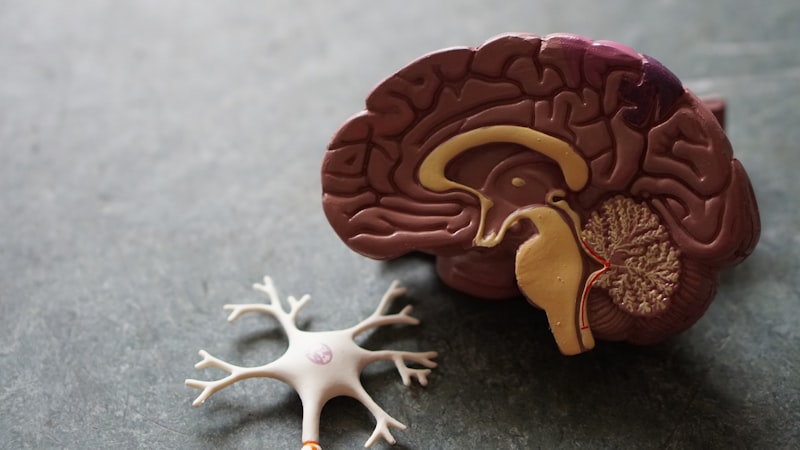
The Periventricular White Matter (PVWM) constitutes a critical anatomical region within the human central nervous system, characterized primarily by its intimate relationship with the ventricular system. Specifically, the PVWM is the expansive layer of tissue comprised majorly of myelinated nerve fibers that immediately surrounds the lateral cerebral ventricles. This region acts as a crucial, high-speed conduit for descending and ascending nerve fibers, facilitating communication between the cerebral cortex and subcortical structures, the brainstem, and the spinal cord. Its precise location, situated at the boundaries between arterial supply territories, confers a unique pathological susceptibility, particularly to ischemic injury, making it a focal point for studying conditions like periventricular leukomalacia. The PVWM is structurally pivotal, defining the interface between the fluid-filled ventricular spaces and the deep brain substance, thereby ensuring the necessary structural integrity for robust inter-regional neural communication.
Anatomically, the PVWM is not a discrete structure but rather a descriptive region encompassing numerous major white matter tracts as they converge toward or diverge from the internal capsule and corpus callosum. It encapsulates the ependymal lining of the lateral ventricles, extending outwards to merge seamlessly with the deeper white matter of the centrum semiovale. Within this region, fibers are tightly packed and highly organized, including the crucial motor pathways (corticospinal tracts) and essential association and commissural pathways. The superior and posterior aspects of the PVWM, adjacent to the trigone and occipital horns, are particularly dense with fibers originating from the parietal and occipital cortices, responsible for sensory integration and visuospatial processing. Understanding the exact three-dimensional placement of these specific tracts within the PVWM is paramount for accurately interpreting neuroimaging findings, as even subtle changes in this area can signify extensive neurological compromise.
The physiological function of the PVWM is intrinsically linked to its proximity to the ventricular system, which circulates cerebrospinal fluid (CSF). This anatomical relationship necessitates constant interaction for maintaining osmotic balance and volume homeostasis. Pathological conditions that increase intraventricular pressure, such as hydrocephalus, exert direct mechanical forces and shearing stress onto the PVWM, potentially leading to demyelination, axonal injury, and subsequent neurological deficits. The structural configuration of the PVWM thus serves as a critical interface, mediating structural support, rapid signal transmission, and dynamic interaction with the surrounding fluid dynamics, emphasizing its vulnerability to both vascular and pressure-related insults.
Histological Composition and Cellular Architecture
Histologically, the PVWM is defined by its overwhelming concentration of myelinated axons, which gives the tissue its characteristic white appearance. Myelin, a specialized lipid and protein sheath produced by oligodendrocytes, is the fundamental component responsible for insulating the axons, thereby dramatically increasing the speed and efficiency of action potential conduction. The fibers coursing through the PVWM include long projection fibers connecting distant cortical areas, making the integrity of the myelin sheath in this region directly proportional to the speed of information processing throughout the brain. The organization here is fascicular, meaning the axons are bundled into distinct, parallel tracts, although considerable intermingling and crossing of fibers exist, particularly near the major commissures.
The cellular population of the PVWM is predominantly glial, comprising mature oligodendrocytes, astrocytes, and microglia, alongside the dense network of axons. Oligodendrocytes are the cells of focus in PVWM pathology, given their role in myelin synthesis and maintenance. In the developing brain, the Periventricular White Matter is rich in Oligodendrocyte Progenitor Cells (OPCs). These immature cells are metabolically demanding and possess immature antioxidant defense systems, rendering them exquisitely sensitive to cellular stress induced by hypoxia, ischemia, or inflammatory cytokines. The destruction or failure to mature of these OPCs is the foundational lesion in many white matter disorders, leading to permanent hypomyelination.
A critical feature of the PVWM architecture is its vascular vulnerability, rooted in its location within the cerebral watershed areas. These regions represent the terminal fields of the major penetrating arteries. In conditions of systemic hypotension, hypoxemia, or reduced cardiac output, blood flow is preferentially diverted to the core arterial territories, leaving the PVWM susceptible to chronic or acute ischemia. This selective deprivation results in hypoperfusion, oxidative stress, and eventual cell death, particularly of the vulnerable OPCs. The resultant histological changes—ranging from focal necrosis and cyst formation (in acute PVL) to diffuse demyelination and gliosis (in chronic small vessel disease)—demonstrate the high impact of vascular compromise on this specific cellular environment.
Developmental Trajectory of Periventricular White Matter
The development of the PVWM is a highly protracted process, initiated during fetal development and extending through adolescence. This period encompasses complex steps including axonal outgrowth, establishment of connectivity, and myelination. Myelination follows a strict developmental gradient, beginning centrally and caudally before progressing rostrally and peripherally. The tracts within the PVWM are among the first to undergo myelination, initiating around the 24th to 32nd gestational weeks, a period coinciding precisely with the high vulnerability of the immature oligodendrocyte lineage to injury. The completion of PVWM myelination is essential for the rapid acquisition of motor and sensory milestones in infancy.
The most significant developmental vulnerability stems from the metabolic fragility of the Oligodendrocyte Progenitor Cells (OPCs) during the perinatal period. These cells are necessary for generating the myelin required for functional PVWM. Insults occurring before term, such as those associated with preterm birth, intrauterine infection, or fetal growth restriction, can trigger a cascade of events leading to OPC death or differentiation arrest. This failure of progenitor cells to mature into myelinating oligodendrocytes results in inadequate myelination, known as dysmyelination or hypomyelination, which severely compromises the functional capacity of the underlying axonal tracts. The resulting neurological deficits are often permanent, manifesting as motor or cognitive impairments.
Furthermore, proper PVWM development involves not only myelination but also the precise establishment and refinement of axonal connections. Synaptic pruning and axonal maturation are ongoing processes that shape the final neural circuitry. Disruption of these developmental milestones due to injury can lead to widespread microstructural disorganization. For instance, severe insults often result in Periventricular Leukomalacia (PVL), characterized by cystic degeneration of the white matter, primarily affecting the tracts destined for the lower extremities. The resultant loss of tissue and disruption of organized fiber tracts underscore how developmental timing and environmental stressors dictate the structure and function of the mature PVWM.
Functional Connectivity and Role in Neural Networks
Functionally, the PVWM is indispensable, acting as the centralized conduit for massive volumes of information exchange between cortical processing centers and effector systems. It houses critical pathways necessary for motor execution, sensory integration, and complex cognitive processing. Specifically, the PVWM contains the efferent fibers of the corticospinal and corticobulbar tracts, which mediate voluntary movement and cranial nerve function. These motor fibers are particularly concentrated in the posterior and superior quadrants of the PVWM, explaining why injury to this area, common in PVL, predominantly affects motor control, leading to spasticity and paresis typical of upper motor neuron involvement.
Beyond motor control, the PVWM supports sophisticated neural networks vital for higher-order cognition. It carries association fibers linking various cortical lobes and projections connecting the cortex to subcortical nuclei, including the thalamus and basal ganglia. The integrity of these tracts is fundamental to executive function, processing speed, attention, and memory. In adults, chronic microvascular damage to the PVWM, often seen as white matter hyperintensities, disrupts these frontal-subcortical loops, leading to a characteristic syndrome of vascular cognitive impairment, marked by slowed processing and difficulties in planning and initiation.
The efficiency of signal transmission through the PVWM is directly dependent on the quality of its myelination. As the myelination density increases, conduction velocity rises, enabling faster and more synchronous communication across distributed neural networks. Consequently, any damage that results in demyelination or hypomyelination leads to a disconnection syndrome, where brain regions are structurally intact but functionally isolated or delayed in their communication. This concept underlies the profound neurological deficits seen across the lifespan: in children, impaired connectivity results in developmental delays and motor disorders; in adults, it contributes to gait instability and profound cognitive decline.
Pathophysiology and Common Lesions
The pathophysiology of PVWM damage centers on its unique susceptibility to vascular compromise and inflammatory insults. In the neonatal period, the preeminent lesion is Periventricular Leukomalacia (PVL), caused by severe hypoxia-ischemia, often compounded by infection or inflammation. PVL typically results in two forms of injury: focal necrosis leading to cystic lesions visible adjacent to the ventricles, and a more diffuse, non-cystic injury involving widespread loss of pre-oligodendrocytes and subsequent failure of myelination. These lesions irreversibly damage the white matter architecture, with the severity determining the eventual neurological outcome, such as the development of spastic diplegia.
In the aging and adult population, the most frequent pathology is related to chronic small vessel disease, often termed leukoaraiosis or cerebral white matter hyperintensities (WMH). This pathology is driven primarily by chronic ischemia resulting from hypertension, diabetes, and hyperlipidemia, leading to lipohyalinosis and reduced perfusion in the deep penetrating arteries supplying the PVWM. Histologically, leukoaraiosis is characterized by demyelination, reactive gliosis, and axonal thinning. These diffuse lesions, visible as hyperintense signals on T2-weighted MRI, accumulate over time, undermining global cognitive function and contributing significantly to gait disorders and increased risk of stroke.
Furthermore, the PVWM is a prime location for lesions in autoimmune and inflammatory disorders. Multiple Sclerosis (MS) plaques frequently demonstrate a periventricular distribution, often radiating perpendicularly from the corpus callosum. These plaques represent immune-mediated demyelination followed by reactive gliosis, leading to areas of reduced axonal conductance. Other conditions, such as certain genetic leukodystrophies or infectious processes like Progressive Multifocal Leukoencephalopathy (PML), also show a predilection for white matter destruction in the periventricular region. The commonality across these diverse etiologies highlights the structural and cellular characteristics of the PVWM that make it a vulnerable target for various pathological processes.
Clinical Manifestations of PVWM Damage
The clinical manifestations arising from PVWM damage are highly specific and reflect the disruption of the centralized fiber tracts that traverse the area. In the pediatric population, damage from PVL often results in Cerebral Palsy (CP), predominantly the spastic diplegic form. This motor disorder is characterized by bilaterally increased muscle tone and hyperreflexia, primarily affecting the lower extremities. This pattern is explained by the topographical organization of the corticospinal tract, where the fibers controlling leg movement are situated medially, closest to the vulnerable periventricular zone, making them the most frequently and severely affected.
In adults affected by extensive leukoaraiosis (chronic PVWM damage), the clinical syndrome is often subtle but debilitating. The most common presentation includes difficulties with mobility, manifesting as a slow, cautious, and unstable gait, often termed “marche à petits pas.” Cognitively, patients typically exhibit subcortical vascular cognitive impairment, characterized not by severe memory loss (as in Alzheimer’s disease) but by significant impairment in executive functions, including diminished processing speed, reduced attention span, and difficulty with complex problem-solving. These cognitive deficits significantly impact daily functioning and quality of life.
Beyond motor and cognitive deficits, PVWM lesions are also strongly associated with neuropsychiatric symptoms. Disruption of the white matter tracts connecting the frontal lobes to subcortical emotional regulation centers can lead to a high prevalence of mood disorders, particularly vascular depression and apathy. The severity and pattern of clinical symptoms are crucial diagnostic indicators. For example, the presence of a lesion within the periventricular white matter, especially if extensive, provides a structural basis for many common neurological symptoms, from sensory integration deficits to severe motor spasticity, thereby reinforcing the clinical relevance of this anatomical region.
Advanced Neuroimaging and Diagnosis
Diagnosis and detailed characterization of PVWM integrity rely heavily on advanced neuroimaging, with Magnetic Resonance Imaging (MRI) being the gold standard. Conventional T2-weighted and especially Fluid-Attenuated Inversion Recovery (FLAIR) sequences are used to identify the characteristic White Matter Hyperintensities (WMH) that signify PVWM pathology. These hyperintense signals represent areas of demyelination, increased extracellular water content, and gliosis. The typical periventricular pattern—often described as “caps” or “halos” abutting the ventricles—is highly suggestive of small vessel ischemic disease or MS, depending on the patient population and lesion morphology.
To move beyond simple visualization of lesions, specialized MRI techniques are employed to quantify microstructural damage. Diffusion Tensor Imaging (DTI) is critical for assessing the integrity and organization of the PVWM’s axonal tracts. DTI measures the anisotropic movement of water molecules, which is high along healthy, myelinated fibers. Indices derived from DTI, such as Fractional Anisotropy (FA) and mean diffusivity (MD), provide quantitative biomarkers. Reduced FA in the PVWM indicates loss of fiber coherence, axonal damage, or demyelination, and is strongly correlated with poor motor and cognitive outcomes in both children with PVL and adults with vascular leukoaraiosis.
Further sophistication in diagnosis involves using quantitative methods like Magnetization Transfer Ratio (MTR) to estimate myelin density and functional MRI (fMRI) to evaluate the functional consequences of structural damage. MTR is reduced in areas of demyelination within the PVWM. Functional connectivity analysis using fMRI can reveal how structural damage in the periventricular tracts compromises the communication efficiency between specific cortical regions, demonstrating the extent of the disconnection syndrome. These advanced imaging tools allow clinicians to track disease progression, quantify the severity of white matter loss, and refine prognostic estimates with greater precision than conventional structural imaging alone.
Therapeutic Directions and Prognostic Indicators
Therapeutic management for PVWM damage is multifaceted, focusing on preventing further injury, addressing underlying causes, and maximizing functional recovery through rehabilitation. For acute neonatal injury, prompt intervention such as therapeutic hypothermia is utilized to minimize the metabolic demand and secondary injury cascade following hypoxia-ischemia, thereby potentially reducing the severity of subsequent PVL. In adults with chronic small vessel disease, the cornerstone of treatment is aggressive modification of vascular risk factors, including intensive management of hypertension, hypercholesterolemia, and diabetes, to stabilize and prevent the progression of white matter hyperintensities.
Prognosis following PVWM injury is strongly correlated with the volume and location of the initial damage. In children, the extent of periventricular cystic lesions or diffuse white matter injury seen on neonatal imaging is the most powerful predictor of the severity of cerebral palsy and cognitive outcomes. However, the high degree of neural plasticity in the developing brain mandates intensive, early neurorehabilitation, including physical, occupational, and speech therapy, to promote compensatory circuit reorganization and maximize functional capacity despite structural deficits.
Future therapeutic research is heavily invested in neuroprotection and repair, aiming to mitigate the permanent effects of PVWM injury. Strategies under investigation include pharmacological agents designed to protect vulnerable OPCs from oxidative stress and inflammation, as well as those that promote remyelination in chronic lesions. Approaches such as stem cell transplantation or genetic therapies aimed at enhancing endogenous repair mechanisms offer hope for reversing or limiting damage to the periventricular axonal tracts. Ultimately, the integration of precise diagnostic imaging, stringent risk factor control, and innovative regenerative therapies holds the key to improving the long-term prognosis for individuals affected by periventricular white matter pathology.