Personality Disorders: Unmasking Hidden Behavioral Patterns
Scientifically Reviewed · Dr. Marwa Abd-Alazim · September 1, 2026
Review Criteria & Clinical Standards
This content undergoes rigorous scientific peer-review and medical editorial standards at Arab Psychology Network to ensure clinical accuracy, validity, and compliance with evidence-based guidelines from leading psychological and healthcare authorities (APA / WHO).
Defining Personality Disorders
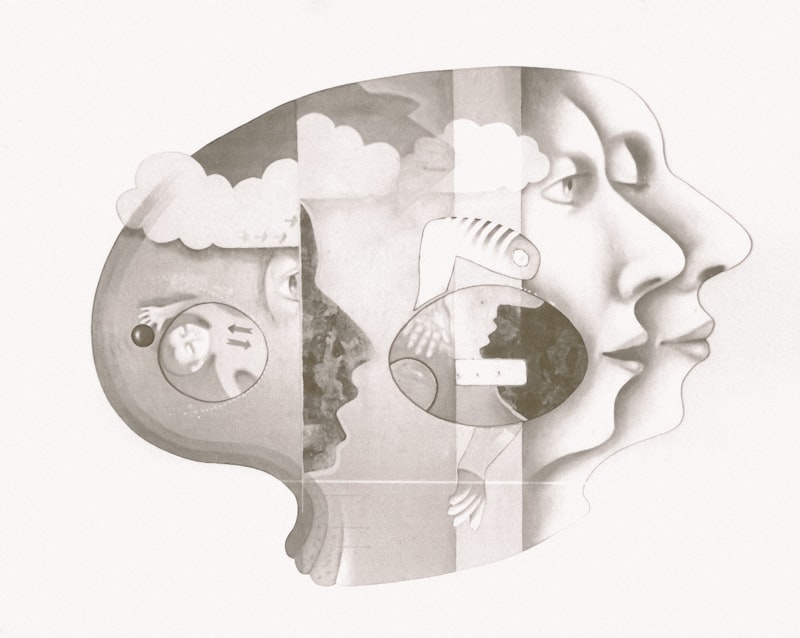
Personality disorders represent a complex and enduring set of mental health conditions characterized by deeply ingrained, maladaptive patterns of perceiving, relating to, and thinking about the environment and the self. These patterns are so pervasive and inflexible that they deviate markedly from the expectations of the individual’s culture, leading to significant distress or impairment in social, occupational, or other important areas of functioning. Crucially, these patterns are stable over time, typically having an onset in adolescence or early adulthood, and are not limited to isolated episodes of illness. The core feature of a personality disorder is its pervasive nature, affecting cognition, affectivity, interpersonal functioning, and impulse control, thereby undermining the person’s long-term adjustment and adaptive capacity.
The diagnostic systems, particularly the historical classification provided by the Diagnostic and Statistical Manual of Mental Disorders, Fourth Edition, Text Revision (DSM-IV-TR), recognized ten specific personality disorders, classified based on shared characteristics into three distinct clusters. The recognition of these disorders underscores the understanding that personality traits, when rigid and extreme, transition from mere stylistic differences into clinically significant pathology. While the number of disorders acknowledged is substantial, ranging across different behavioral spectrums, they share the commonality of being ego-syntonic—meaning the individual often perceives their traits and behaviors as consistent with their self-image, making recognition of the problem and subsequent motivation for change particularly challenging in clinical settings.
The ten specific personality disorders historically recognized include: Paranoid, Schizoid, Schizotypal, Antisocial (formerly sometimes referenced broadly as anticultural), Borderline, Histrionic, Narcissistic, Avoidant, Dependent, and Obsessive-Compulsive. It is imperative to distinguish these enduring personality patterns from temporary symptomatic presentations of other psychiatric conditions, such as major depressive episodes or anxiety attacks, which are typically time-limited. A true personality disorder represents a fundamental, unwavering architecture of the self that interferes globally with relational stability and personal achievement across the lifespan.
Historical Context and Diagnostic Evolution
The concept of personality pathology has roots stretching back centuries, though early descriptions often utilized moralizing or judgmental terminology. Pioneers in psychiatry began formalizing the study of character traits that led to persistent social dysfunction in the 19th century, referring to conditions such as “moral insanity” or “psychopathic inferiority.” These early frameworks attempted to capture individuals whose primary difficulty lay not in intellectual deficit or acute psychosis, but in chronic behavioral patterns that violated social norms and demonstrated a lack of conventional moral or ethical restraint. As psychology matured in the 20th century, the focus shifted from moral judgment to empirical observation and psychological theory, leading to more structured diagnostic criteria.
The formal inclusion of personality disorders in the major diagnostic manuals marked a critical step toward clinical standardization. The DSM, particularly starting with its third edition (DSM-III), introduced a multiaxial system where personality disorders were classified on Axis II, explicitly separating them from acute clinical syndromes (Axis I). This structural distinction was designed to ensure that the clinician addressed the underlying, chronic personality structure that often complicated the course and treatment of acute disorders. The DSM-IV-TR maintained this structure, providing the detailed criteria for the ten specific disorders that defined the field for decades and emphasized the necessity of examining long-standing patterns rather than temporary states.
The transition to the Diagnostic and Statistical Manual of Mental Disorders, Fifth Edition (DSM-5) introduced significant debate regarding the classification model. While the DSM-5 retained the familiar categorical model (the ten specific disorders and the three clusters), it also included an alternative, dimensional model in Section III for further study. This alternative model acknowledges that personality pathology exists on a continuum, incorporating measures of trait severity and domains of impairment (e.g., self-functioning and interpersonal functioning), moving away from the rigid all-or-nothing approach of the traditional categorical classification. This ongoing evolution reflects the complexity inherent in diagnosing disorders that are defined not by specific symptoms, but by the pervasive structure of one’s entire self and relational style.
The Categorical System: DSM Classification Clusters
To manage the diversity of presentations among the ten recognized disorders, the DSM utilizes a classification system organizing them into three primary clusters (A, B, and C), based on descriptive similarities. This clustering system serves as an essential organizational tool for clinicians, offering immediate insight into the general style of interpersonal engagement and core dysfunction exhibited by the individual. These clusters are broadly descriptive and are intended to capture the shared phenomenological features that underlie the specific criteria for each disorder, thereby aiding in differential diagnosis and treatment planning.
The three clusters are defined by their dominant behavioral and emotional themes. Cluster A is characterized by patterns of behavior that are often perceived as odd or eccentric, involving social detachment and suspiciousness. Cluster B encompasses disorders that are typically described as dramatic, emotional, or erratic, characterized by instability in mood, relationships, and self-image, often coupled with poor impulse control. Finally, Cluster C includes disorders that share traits of anxiety or fearfulness, manifesting as pervasive avoidance, dependence, or rigid control. Understanding the cluster affiliation is often the first step in understanding the unique challenges presented by a patient with a personality disorder.
While this categorical clustering system is highly utilized, it is not without limitations. A significant challenge is the high degree of comorbidity, or diagnostic overlap, where patients frequently meet criteria for multiple personality disorders, often across different clusters. For instance, an individual might present with characteristics of both Borderline Personality Disorder (Cluster B) and Avoidant Personality Disorder (Cluster C). This overlap suggests that the boundaries between the diagnoses are often fuzzy in clinical practice, emphasizing the need for a comprehensive assessment that looks beyond a single diagnostic label to understand the totality of the individual’s personality structure and functional impairment.
Cluster A: The Odd/Eccentric Disorders
Cluster A disorders—Paranoid, Schizoid, and Schizotypal Personality Disorders—are united by features that suggest a degree of social and emotional detachment, often making them appear peculiar or strange to others. Individuals in this cluster frequently experience profound difficulties in forming close relationships, typically due to pervasive distrust or a fundamental lack of interest in social interaction. The common thread running through these diagnoses is an impairment in the capacity for intimacy and a reliance on internal, rather than external, realities.
Paranoid Personality Disorder (PPD) is marked by a pervasive distrust and suspiciousness of others, where their motives are interpreted as malevolent. These individuals are reluctant to confide in others, hold grudges persistently, and perceive benign remarks or events as threatening or humiliating. This pervasive suspicion significantly impairs collaboration, friendship, and occupational functioning, as they constantly anticipate being exploited or harmed. Schizoid Personality Disorder (SPD) is characterized by detachment from social relationships and a restricted range of emotional expression. Individuals with SPD neither desire nor enjoy close relationships, including those with family members, preferring solitary activities and appearing indifferent to both criticism and praise.
Schizotypal Personality Disorder (STPD) is arguably the most complex of the Cluster A diagnoses, often considered part of the schizophrenia spectrum. STPD involves acute discomfort with, and reduced capacity for, close relationships, alongside cognitive or perceptual distortions and eccentricities of behavior. Symptoms may include odd beliefs (e.g., magical thinking), unusual perceptual experiences, peculiar speech, and inappropriate or constricted affect. While not psychotic in the formal sense, the symptoms of STPD hint at a fundamental disorganization in thought and perception that distinguishes it sharply from the simple detachment seen in Schizoid Personality Disorder.
Cluster B: The Dramatic/Emotional/Erratic Disorders
Cluster B disorders—Antisocial, Borderline, Histrionic, and Narcissistic Personality Disorders—are characterized by dramatic, overly emotional, or unpredictable thinking and behavior. These disorders are often associated with the most visible and disruptive interpersonal conflicts, as individuals struggle severely with regulating emotions, maintaining stable self-image, and controlling impulses. The behavior patterns are typically flamboyant, manipulative, or attention-seeking, leading to recurrent crises in their personal and professional lives.
Antisocial Personality Disorder (ASPD) is defined by a pervasive pattern of disregard for and violation of the rights of others, occurring since age 15. Key features include repeated unlawful acts, deceitfulness, impulsivity, irritability and aggression, reckless disregard for safety, consistent irresponsibility, and lack of remorse. While the lay term “psychopath” or “sociopath” is often used, ASPD is the formal diagnostic entity, emphasizing behavioral criteria rather than purely affective deficits. Borderline Personality Disorder (BPD) is marked by profound instability in interpersonal relationships, self-image, and affects, and marked impulsivity. Core features include frantic efforts to avoid real or imagined abandonment, chronic feelings of emptiness, intense anger, and recurrent suicidal behavior, gestures, or self-mutilating behavior.
Histrionic Personality Disorder (HPD) is characterized by excessive emotionality and attention-seeking behavior. Individuals with HPD are uncomfortable when not the center of attention, often use physical appearance to draw attention, and display rapidly shifting and shallow expression of emotions. Their speech is excessively impressionistic and lacking in detail. Conversely, Narcissistic Personality Disorder (NPD) involves a pervasive pattern of grandiosity (in fantasy or behavior), a need for admiration, and a profound lack of empathy. Individuals with NPD often exploit others, believe they are special or unique, and exhibit arrogant, haughty behaviors or attitudes, concealing a deep-seated vulnerability to perceived criticism.
Cluster C: The Anxious/Fearful Disorders
Cluster C disorders—Avoidant, Dependent, and Obsessive-Compulsive Personality Disorders—share a common theme of chronic anxiety, fear, or rigidity, leading to inhibited behavior. These individuals often spend significant effort attempting to manage anxiety through avoidance, submission, or excessive control, which ultimately impairs their ability to function independently and flexibly in the world. While the symptoms are less externally dramatic than Cluster B, the internal distress experienced by Cluster C individuals is often immense.
Avoidant Personality Disorder (AVPD) is characterized by pervasive social inhibition, feelings of inadequacy, and hypersensitivity to negative evaluation. Unlike the schizoid individual who is indifferent to relationships, the avoidant person intensely desires social connection but actively avoids it due to fear of criticism, disapproval, or shame. They are restrained in intimate relationships and require certainty of being liked before engaging. This fear often restricts their occupational choices and personal life severely.
Dependent Personality Disorder (DPD) is defined by a pervasive and excessive need to be taken care of, leading to submissive and clinging behavior and fears of separation. Individuals with DPD have difficulty making everyday decisions without excessive reassurance, initiating projects, or expressing disagreement, due to fear of losing support. They often urgently seek a new relationship when a close one ends, demonstrating a profound reliance on others for emotional sustenance and decision-making.
Finally, Obsessive-Compulsive Personality Disorder (OCPD) is marked by a preoccupation with orderliness, perfectionism, and mental and interpersonal control, at the expense of flexibility, openness, and efficiency. Individuals with OCPD are often excessively devoted to work, meticulous about details, rigid and stubborn, and reluctant to delegate tasks. It is crucial to note that OCPD is distinct from Obsessive-Compulsive Disorder (OCD), which is an anxiety disorder characterized by true obsessions and compulsions; OCPD involves a pervasive personality style of rigidity and control, not necessarily intrusive thoughts or ritualistic behaviors.
Etiological Perspectives and Contributing Factors
The etiology of personality disorders is complex and multifaceted, generally viewed through the lens of the bio-psycho-social model, suggesting that these conditions arise from the interplay of genetic predisposition, neurobiological factors, and environmental influences. No single cause explains the development of any personality disorder; rather, a confluence of vulnerabilities and stressors determines the manifestation of chronic maladaptive patterns. Genetic studies, particularly twin and adoption studies, indicate a substantial heritable component, especially for Cluster A disorders (sharing genetic links with schizophrenia) and Cluster B disorders like Borderline and Antisocial Personality Disorders.
Neurobiological research has identified potential structural and functional abnormalities, particularly in areas of the brain responsible for emotional regulation, impulse control, and social cognition. For example, individuals with Borderline Personality Disorder often show reduced volume or heightened reactivity in the limbic system (especially the amygdala) and reduced regulatory capacity in the prefrontal cortex, which correlates with their emotional volatility and difficulty managing stress. Similarly, deficits in executive functioning and emotional processing are implicated in Antisocial Personality Disorder, contributing to poor foresight and lack of empathy.
Environmental factors, particularly adverse childhood experiences, play a critical role in shaping personality development toward pathology. Early trauma, including physical, sexual, or emotional abuse, severe neglect, and inconsistent or invalidating parenting styles, are widely recognized as significant risk factors, particularly for Cluster B disorders. These early relational failures can disrupt the development of secure attachment and affect the individual’s capacity to mentalize—the ability to understand one’s own and others’ behavior in terms of intentional mental states. The combination of an innate biological temperament toward sensitivity or impulsivity and a pathogenic early environment significantly increases the likelihood of developing a chronic personality disorder.
Therapeutic Approaches and Management
Treating personality disorders poses unique challenges because the patterns are ego-syntonic, meaning the patient often views their difficulties as external (i.e., problems with others) rather than internal. Treatment typically requires long-term, intensive psychotherapeutic interventions, often supplemented by pharmacological management for acute symptomatic relief, such as mood instability or severe anxiety. The primary goal of therapy is not to ‘cure’ the personality, but rather to help the individual recognize their maladaptive patterns, modulate extreme behaviors, and develop more flexible and adaptive coping mechanisms to improve functioning across relational and occupational domains.
Several specialized psychotherapies have demonstrated efficacy, particularly for the historically difficult-to-treat Borderline Personality Disorder (BPD). Dialectical Behavior Therapy (DBT), developed by Marsha Linehan, is the gold standard for BPD, focusing on mindfulness, distress tolerance, emotion regulation, and interpersonal effectiveness. Similarly, Schema Therapy, an integrative approach that expands on cognitive-behavioral techniques, is designed to address the deep-seated maladaptive schemas (core beliefs) formed in childhood, proving effective for several Cluster B and C diagnoses.
Other effective modalities include Mentalization-Based Treatment (MBT), which helps patients improve their capacity to reflect on mental states, and various forms of psychodynamic therapy, such as Transference-Focused Psychotherapy (TFP), which focuses on understanding and correcting distorted internal representations of self and others that manifest in the therapeutic relationship. Pharmacological interventions are generally not curative but target co-occurring symptoms, utilizing mood stabilizers, low-dose antipsychotics, or selective serotonin reuptake inhibitors (SSRIs) to manage aggression, impulsivity, or pervasive anxiety, thereby supporting the individual’s engagement with psychotherapy.