Procedural Anxiety: Conquering Your Fear of the Needle
Scientifically Reviewed · Dr. Marwa Abd-Alazim · August 31, 2026
Review Criteria & Clinical Standards
This content undergoes rigorous scientific peer-review and medical editorial standards at Arab Psychology Network to ensure clinical accuracy, validity, and compliance with evidence-based guidelines from leading psychological and healthcare authorities (APA / WHO).
Introduction to Phlebotomy: Definition and Scope
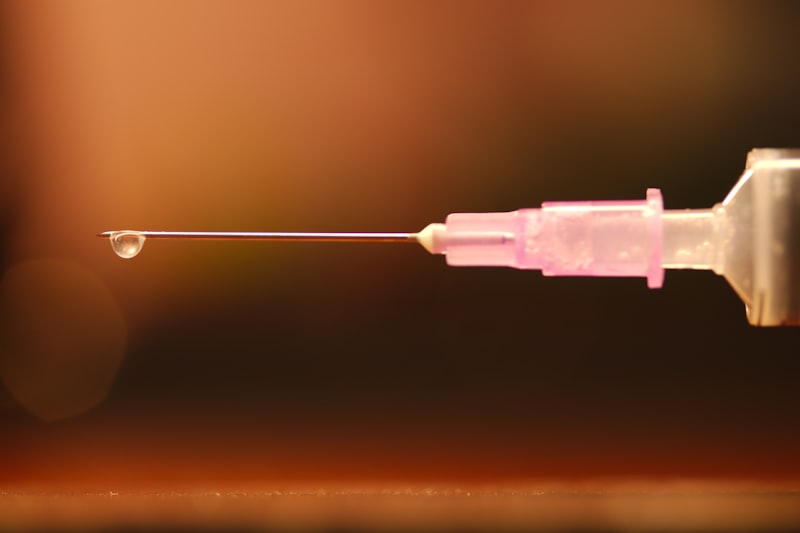
Phlebotomy, derived from the Greek words phlebos, meaning vein, and tome, meaning cutting or incision, is formally defined as the removal of blood from the body. This critical medical procedure serves two fundamentally distinct purposes: diagnostic analysis or therapeutic intervention. In modern healthcare, phlebotomy is overwhelmingly recognized as the primary method for obtaining blood specimens required for laboratory testing, forming the bedrock of accurate diagnosis, disease monitoring, and treatment efficacy verification across all disciplines of medicine, including psychiatric and neurological evaluations. The technique is typically achieved through venipuncture—the insertion of a specialized needle or catheter into a superficial vein—followed by the application of negative pressure to collect the necessary volume of blood into evacuated tubes.
The scope of phlebotomy extends far beyond simple sample collection; it encompasses meticulous patient identification, preparation of the collection site, selection of appropriate equipment, stringent adherence to safety protocols, and proper handling and processing of the specimens to ensure integrity. Given the sensitive nature of blood samples, any error in the phlebotomy process—from improper patient identification to incorrect tube selection—can lead to potentially catastrophic misdiagnoses or inappropriate therapeutic decisions. Therefore, the contemporary practice of phlebotomy is governed by strict national and international standards designed to maximize both patient safety and the reliability of the resulting laboratory data. The precision required underscores why the role has evolved into a specialized technical profession requiring dedicated training and certification.
While the term phlebotomy often brings to mind the routine blood draws performed in clinics or hospitals, it is essential to distinguish between the two primary functions. The vast majority of procedures are diagnostic, involving small volumes of blood (typically 5 to 50 milliliters) necessary for assays ranging from complete blood counts (CBCs) to complex molecular genetic tests. Conversely, therapeutic phlebotomy involves the removal of significantly larger volumes of blood, sometimes up to 500 milliliters, specifically to treat certain medical conditions characterized by an excess of blood components. Understanding this duality is crucial for appreciating the full utility and historical context of the practice in clinical medicine.
Historical Context and Evolution of Blood Removal
The concept of removing blood from the body has a remarkably long, albeit checkered, history, dating back to ancient civilizations. Historically, this practice was known as bloodletting, which was rooted in the humoral theory of medicine—the belief that illness was caused by an imbalance of the four bodily fluids: blood, phlegm, yellow bile, and black bile. For millennia, bloodletting was employed as a primary therapeutic intervention for nearly every ailment, administered via crude incisions or by applying leeches. Figures such as Hippocrates and Galen promoted this practice, which persisted aggressively well into the 19th century, often contributing more to patient morbidity than recovery due to unsanitary conditions and excessive volume removal.
The transition from generalized, often harmful, bloodletting to the precise, diagnostic science of modern phlebotomy was spurred by revolutionary advancements in scientific understanding, particularly the acceptance of germ theory and the development of microscopy and clinical chemistry. As medicine began to rely on empirical evidence rather than classical theories, the diagnostic potential of blood analysis became evident. The key shift occurred in the early 20th century with the refinement of laboratory techniques capable of measuring specific substances within the blood, such as glucose, hormones, and electrolytes. This paradigm shift necessitated a standardized, sterile method for obtaining samples, transforming the procedure from a dubious treatment into an indispensable tool for investigation.
Modern phlebotomy, as practiced today, bears little resemblance to its historical predecessor. The development of evacuated tube systems, such as the widely adopted Vacutainer system, revolutionized the process by ensuring sterile collection, accurate volume control, and standardized additive inclusion for specific tests. Furthermore, the establishment of professional standards and dedicated training programs solidified phlebotomy as a specialized skill set. This evolution reflects medicine’s commitment to minimal invasiveness and maximal diagnostic reliability, confirming that while the fundamental act of blood removal remains, the purpose, technique, and safety standards have been entirely modernized and professionalized.
Primary Diagnostic Applications and Specimen Integrity
The core function of phlebotomy in contemporary healthcare is diagnostic blood collection. Diagnostic phlebotomy provides the essential raw material for hundreds of different laboratory tests crucial for screening, diagnosis, prognosis, and monitoring treatment efficacy. These tests are broadly categorized based on the component of the blood being analyzed: whole blood (used for cell counts and blood type), serum (the liquid portion remaining after clotting, used for chemistry and immunology tests), and plasma (the liquid portion obtained by preventing clotting, used for coagulation studies). Proper selection of the collection tube, which contains specific anticoagulants or clot activators, is paramount, as the integrity of the collected specimen directly dictates the validity of the subsequent test results.
Laboratory analysis relies heavily on the quality of the sample, making specimen integrity a cornerstone of effective phlebotomy practice. Factors such as hemolysis (rupture of red blood cells), lipemia (excessive fat content), or icterus (excessive bilirubin) can interfere with analytical instruments and lead to inaccurate readings. Phlebotomists must follow strict protocols regarding patient fasting status, proper mixing of tubes, and avoiding traumatic collection techniques that could cause cellular damage. For instance, vigorous shaking of a collected sample can induce hemolysis, rendering certain potassium and lactate dehydrogenase (LDH) tests falsely elevated. Recognizing and mitigating these pre-analytical variables is often as important as the physical act of drawing the blood itself.
Specific diagnostic applications touch virtually every aspect of physiological and psychological health. Routine diagnostic panels include the comprehensive metabolic panel (CMP) to assess kidney and liver function, and lipid panels to evaluate cardiovascular risk. Specialized testing utilizes collected blood to measure hormone levels (e.g., cortisol, thyroid-stimulating hormone), detect infectious agents (e.g., viral loads, antibody titers), and identify genetic markers associated with hereditary diseases. Furthermore, in the field of pharmacology, phlebotomy is essential for therapeutic drug monitoring (TDM), ensuring that patients receiving critical medications, such as lithium for bipolar disorder or various anticonvulsants, maintain drug concentrations within a safe and effective therapeutic window, preventing both toxicity and treatment failure.
Therapeutic Phlebotomy: Specific Interventions
In contrast to diagnostic procedures, therapeutic phlebotomy involves the removal of a significant volume of blood (a unit, typically 450-500 mL) to alleviate symptoms or manage conditions stemming from an excessive accumulation of specific blood components or iron stores. This intervention is functionally similar to blood donation but is performed strictly for medical necessity rather than for transfusion supply. The primary conditions managed by therapeutic phlebotomy are hereditary hemochromatosis and polycythemia vera, although it is occasionally utilized for conditions like porphyria cutanea tarda.
Hereditary hemochromatosis is a genetic disorder characterized by the body absorbing and storing too much iron, leading to iron overload in organs such as the liver, heart, and pancreas, potentially causing organ damage. Therapeutic phlebotomy is the standard treatment for this condition. By regularly removing a unit of blood, the body is forced to utilize stored iron to replenish the lost hemoglobin, thereby reducing overall iron levels to a safe range. The frequency of these procedures is meticulously monitored by a physician, often starting weekly and then tapering to maintenance schedules once iron saturation and ferritin levels stabilize. This precise management prevents long-term organ morbidity associated with unchecked iron accumulation.
Another major indication is polycythemia vera (PV), a rare blood cancer where the bone marrow produces too many red blood cells, leading to thickened blood (hyperviscosity) and increasing the risk of life-threatening events such as strokes or deep vein thrombosis. For PV patients, therapeutic phlebotomy is used acutely to reduce the hematocrit (the percentage of red blood volume) to a safe target level, typically below 45 percent. By decreasing the blood viscosity, phlebotomy significantly reduces the patient’s risk of thrombotic complications, improving circulation and alleviating symptoms like headache and fatigue. The success of therapeutic phlebotomy relies entirely on the clinical team’s ability to coordinate the procedure with the patient’s specific physiological needs and laboratory parameters.
Techniques, Equipment, and Standardization Protocols
The procedural execution of phlebotomy is highly standardized to ensure consistency and minimize risks. The most common technique is venipuncture, usually targeting the antecubital fossa veins (median cubital, cephalic, or basilic veins). The selection of the proper device is crucial, ranging from the standard straight needle and evacuated tube system (ETS) to specialized winged infusion sets, often referred to as “butterfly” needles, which are preferred for smaller, fragile, or difficult veins, or for pediatric patients. Regardless of the equipment used, stringent adherence to aseptic technique is non-negotiable to prevent localized infection or systemic sepsis.
A critical and often complex aspect of standardized phlebotomy is the Order of Draw. When multiple tubes are required during a single draw, they must be filled in a specific sequence to prevent cross-contamination between the tube additives. For instance, the anticoagulant EDTA from a lavender-top tube could contaminate a serum tube, leading to inaccurate chemistry results. The standardized order typically begins with blood culture bottles, followed by coagulation tubes (light blue top), then serum tubes, and finally anticoagulant tubes (such as EDTA or heparin). This strict protocol is mandated by professional bodies to ensure the validity of laboratory results, emphasizing the technical knowledge required beyond basic needle insertion.
Beyond venipuncture, phlebotomists may also perform dermal (capillary) puncture, often utilized for infants, burn patients, or patients requiring frequent glucose monitoring. This method involves using a lancet to puncture the skin, typically on the fingertip or heel, to collect a small amount of capillary blood. While less invasive, capillary blood composition differs slightly from venous blood, meaning certain tests cannot be performed using this method. Furthermore, in specialized clinical settings, phlebotomists may assist with or perform arterial puncture for blood gas analysis, though this is generally restricted to highly trained personnel due to the increased risk of complications associated with accessing arteries.
Training, Certification, and the Professional Role
The role of the phlebotomist has evolved into a recognized allied health profession requiring specialized training and formal certification. The common anecdotal observation holds true: “The study of phlebotomy can lead to a well-paying mid-level career that only takes a year or two to prepare for.” Formal educational pathways typically involve vocational programs or community college courses covering anatomy, physiology, medical terminology, specimen processing, and exhaustive training in venipuncture techniques and safety protocols. Completion of these programs often leads to national certification examinations administered by organizations such as the National Phlebotomy Association (NPA) or the American Society for Clinical Pathology (ASCP).
The professional phlebotomist serves as the critical interface between the patient and the diagnostic laboratory. This role demands not only technical proficiency but also exceptional interpersonal skills. Phlebotomists frequently encounter patients who are anxious, fearful (experiencing belonephobia, or fear of needles), or medically compromised. The ability to quickly establish rapport, explain the procedure clearly, and manage patient discomfort or potential vasovagal responses (fainting) is essential. A professional demeanor combined with clinical competence directly impacts the patient’s overall experience and cooperation, which is vital for a successful collection.
Furthermore, the phlebotomist carries significant ethical and legal responsibilities related to patient confidentiality (adherence to HIPAA in the United States), accurate documentation, and strict adherence to universal precautions against bloodborne pathogens. They must meticulously verify patient identity using at least two identifiers before commencing the procedure, a step crucial for preventing mix-ups that could lead to medical malpractice. As the first step in the diagnostic chain, the phlebotomist’s meticulousness protects both the patient’s health outcomes and the hospital or clinic’s liability, making this position one of high trust and critical importance within the healthcare ecosystem.
Phlebotomy in Psychiatric and Neurological Diagnostics
While phlebotomy is often associated with general physical health diagnostics, its applications are increasingly relevant in psychiatric and neurological research and clinical management. Blood samples provide a non-invasive window into the systemic physiological processes that underpin mental health disorders. For instance, biomarkers measured in blood are used to assess the patient’s stress axis function, measure levels of circulating stress hormones like cortisol, and analyze metabolites of key neurotransmitters, offering objective data to complement subjective psychological assessments.
In psychiatric diagnostics, phlebotomy plays a vital role in excluding physical causes for mental symptoms. Conditions such as severe thyroid dysfunction, vitamin B12 deficiency, or systemic inflammation can mimic symptoms of depression, anxiety, or psychosis. A thorough diagnostic workup invariably requires phlebotomy to obtain samples for comprehensive metabolic and hormonal panels, ensuring that the underlying pathology is not physical rather than purely psychological. Moreover, genetic research into psychiatric disorders, such as schizophrenia or bipolar disorder, heavily relies on blood samples to extract DNA for studying polymorphisms and genetic predispositions.
Furthermore, the utility of phlebotomy extends into neurological care, particularly for monitoring therapeutic compliance and toxicity. As mentioned previously, therapeutic drug monitoring (TDM) is indispensable for medications with narrow therapeutic indices commonly used in neurology and psychiatry, such as lithium for mood stabilization or antiepileptic drugs. Regular blood draws ensure that the drug concentration remains within the effective range, preventing neurotoxicity while guaranteeing sufficient dosage to manage symptoms. Thus, the collection of blood samples remains an essential tool for objective measurement and safety assurance in complex neurological and behavioral health treatment regimens.