Phobic Disorders: Decoding the Roots of Irrational Fear
Scientifically Reviewed · Dr. Marwa Abd-Alazim · August 29, 2026
Review Criteria & Clinical Standards
This content undergoes rigorous scientific peer-review and medical editorial standards at Arab Psychology Network to ensure clinical accuracy, validity, and compliance with evidence-based guidelines from leading psychological and healthcare authorities (APA / WHO).

PHOBIC DISORDERS: Definition and Diagnostic Criteria
Phobic disorders represent a significant category of anxiety-related conditions characterized by a profound, persistent, and typically irrational fear response directed toward specific objects, situations, or activities. As defined within the historical context of the Diagnostic and Statistical Manual of Mental Disorders, Third Edition (DSM-III), and refined in subsequent editions, the essential feature of a phobic disorder is a continuous, non-sensical fear of—and consequent abstinence from—particular items, acts, or scenarios. This fear is recognized by the individual as illogical or excessive, yet it remains so intense and overwhelming that it critically impedes upon daily operations and constitutes a substantial source of psychological distress. The diagnosis hinges not merely on the presence of fear, but on the associated behavioral response of active avoidance, which is employed by the individual to mitigate the anticipated anxiety, often leading to severe functional impairment in occupational, social, or educational settings.
A key diagnostic component requires that the exposure to the feared stimulus almost invariably provokes an immediate anxiety response, which can escalate into a full-blown panic attack, whether situationally bound or predisposed. Furthermore, for a fear to qualify as a clinical phobia, the duration of the disturbance must be persistent, typically lasting six months or more. Critically, the level of distress experienced must be disproportionate to the actual danger posed by the object or situation. For instance, while a rational person may feel cautious around snakes, an individual with a specific phobia of snakes (ophidiophobia) experiences paralyzing terror merely viewing a picture or hearing the word, leading to drastic lifestyle adjustments to guarantee zero potential exposure. This disproportionate reaction and the resulting impairment differentiate a clinical phobia from ordinary fears or cautiousness.
The classification of phobic disorders has evolved significantly since their formal inclusion in modern psychiatric nosology, reflecting ongoing research into the underlying mechanisms of anxiety. While the initial DSM-III grouping was foundational, current classifications (DSM-5) integrate phobic disorders under the umbrella of Anxiety Disorders, maintaining the core categories while refining the criteria for specificity. The overarching structure includes three primary manifestations: Agoraphobia, Specific Phobia (formerly simple phobia), and Social Phobia (now termed Social Anxiety Disorder). Although distinct in their focus, all share the common psychopathological thread of anticipatory anxiety and the subsequent development of maladaptive avoidance strategies, reinforcing the cycle of fear and functional compromise.
Core Characteristics and Pathophysiology
The core characteristic distinguishing phobic disorders is the ego-dystonic nature of the fear; the affected individual typically understands that their reaction is unreasonable or excessive relative to the threat, yet they are psychologically unable to control the reflexive terror. This internal conflict between rational insight and emotional response is a significant contributor to the distress associated with the disorder. When confronted with the phobic stimulus—or even anticipating confrontation—the body activates the sympathetic nervous system, initiating the acute fight-or-flight response. Physiologically, this manifests as tachycardia, palpitations, diaphoresis (sweating), trembling, shortness of breath, dizziness, and intense feelings of impending doom. These physical sensations are often interpreted by the individual as signs of imminent catastrophic failure, further intensifying the anxiety and solidifying the necessity of avoidance.
The psychological mechanism underpinning the maintenance of phobias is the negative reinforcement cycle provided by avoidance behavior. When an individual successfully avoids the feared object or situation, the immediate relief from anxiety acts as a powerful reward. This reward strengthens the avoidance behavior, making it more likely that the individual will employ the same strategy in the future. Over time, this avoidance generalizes, leading to a profound restriction of the individual’s life space. For example, a person with a severe specific phobia of heights (acrophobia) might avoid not only mountains and tall buildings but also bridges, escalators, and even viewing pictures of tall structures, effectively shrinking their navigable world and increasing dependence on others. This avoidance, while providing momentary relief, prevents the individual from experiencing the extinction of the fear response, thus solidifying the phobia’s grip.
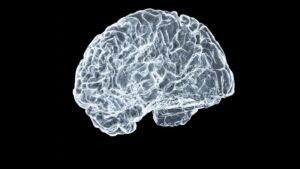
Neurobiological research suggests that phobias involve dysregulation within the brain circuits responsible for fear processing, particularly the interaction between the amygdala, the hippocampus, and the prefrontal cortex. The amygdala, serving as the brain’s fear center, exhibits heightened responsivity to phobic cues, triggering the immediate autonomic response. The hippocampus, involved in memory formation, links the conditioned fear response to specific contextual cues. Crucially, the prefrontal cortex, which is responsible for executive control and modulating emotional responses, may show impaired ability to inhibit or override the fear signal in phobic individuals. This neurological pathway helps explain why logical reasoning is insufficient to extinguish the intense emotional reaction, necessitating therapeutic approaches that specifically target the conditioned fear response through emotional learning and re-regulation of these neural pathways.
Classification of Phobias
Phobic disorders are systematically classified into three distinct categories based on the nature of the feared stimulus, each presenting unique challenges and requiring tailored therapeutic strategies. These categories are Agoraphobia, Specific Phobia, and Social Phobia. While they share the core mechanism of excessive fear and subsequent avoidance, the scope of functional impairment and the typical onset age differ significantly among them, highlighting the diverse etiology and presentation of anxiety disorders.
Agoraphobia, often mistakenly defined simply as the fear of open spaces, is more accurately described as the fear of situations where escape might be difficult or embarrassing, or where help might not be available if panic symptoms occur. This typically involves scenarios such as being in crowds, standing in line, traveling in public transport, being outside the home alone, or being in enclosed spaces like theaters or elevators. The primary driver of agoraphobia is not the situation itself, but the fear of experiencing a panic attack and being unable to cope. Consequently, individuals with agoraphobia often become homebound, requiring significant assistance from family members, leading to profound dependency and severe functional disability.
Specific Phobias are the most prevalent type of phobic disorder, characterized by marked and persistent fear that is excessive or unreasonable, cued by the presence or anticipation of a specific object or situation. These phobias are highly categorized into distinct subtypes, which helps clinicians understand the typical presentation and predict the physiological response (e.g., Blood-Injury-Injection subtype often leads to vasovagal syncope, or fainting, unlike the hyperarousal seen in other types). Specific phobias often develop in childhood or early adolescence and, while highly distressing, may cause less pervasive functional impairment than agoraphobia if the feared object is easily avoided (e.g., fear of snakes in an urban environment).
Social Phobia, or Social Anxiety Disorder (SAD), involves an intense fear of social situations where the individual might be scrutinized, judged, or humiliated by others. This fear is rooted in an overwhelming concern about negative evaluation, leading to avoidance of activities such as public speaking, eating in front of others, or attending parties. Unlike specific phobias focused on inanimate objects or animals, social phobia targets interpersonal interaction. The fear in SAD is not simply shyness; it is debilitating, causing severe interference with educational attainment, career development, and the formation of intimate relationships. Because social interaction is fundamental to human life, SAD often results in chronic isolation and a high incidence of comorbid depressive disorders.
Specific Phobias: Subtypes and Manifestations
Specific Phobias are highly diverse and are formally categorized into five primary subtypes in clinical practice. Understanding these subtypes is crucial because the physiological and psychological responses, as well as the treatment approach, can vary significantly depending on the category. The major subtypes include: the Animal Type, the Natural Environment Type, the Situational Type, the Blood-Injury-Injection (BII) Type, and the Other Type. The onset is frequently tied to a specific traumatic event or modeling behavior observed in childhood.
The Animal Type includes fears related to specific animals or insects (e.g., spiders, dogs, snakes). These phobias typically begin in early childhood and, while many childhood fears subside, those that persist into adulthood often meet the criteria for a clinical phobia. The Natural Environment Type encompasses fears related to natural phenomena, such as storms (astraphobia), heights (acrophobia), or water (aquaphobia). These fears are generally intense during the exposure but are often manageable in daily life unless the individual resides in an area where exposure is frequent. In both the Animal and Natural Environment types, the physiological response is typically sympathetic hyperarousal: increased heart rate, rapid breathing, and muscle tension.
In contrast, the Situational Type involves fear of specific situations, such as enclosed spaces (claustrophobia), flying (aviophobia), or driving through tunnels. These phobias can be particularly disruptive as they often interfere with transportation, a necessity for modern living. Finally, the Blood-Injury-Injection (BII) Type is uniquely distinguished by its physiological response. Unlike other phobias that trigger the fight-or-flight response (hyperarousal), BII phobias often induce a biphasic response characterized first by a brief, sharp increase in heart rate, followed rapidly by a dramatic drop in heart rate and blood pressure (vasovagal response), which frequently leads to syncope (fainting). This unique response mechanism necessitates modified treatment strategies, sometimes involving applied tension techniques to prevent fainting during exposure.
Etiological Theories and Risk Factors
The etiology of phobic disorders is generally understood through an integrated perspective encompassing behavioral, cognitive, and biological models. Behaviorally, phobias are often explained by the Two-Factor Theory proposed by Mowrer. The first factor involves classical conditioning: a neutral stimulus becomes associated with a naturally fear-inducing or painful event, resulting in a conditioned fear response (acquisition). The second factor is operant conditioning: the subsequent avoidance of the conditioned stimulus leads to relief (negative reinforcement), maintaining the phobia by preventing the extinction of the conditioned fear. This model effectively explains how fears are learned and subsequently sustained.
Cognitive theories emphasize the role of distorted thinking patterns and catastrophic misinterpretation. Individuals with phobias often overestimate the likelihood of harm and exaggerate the severity of the consequences associated with the feared stimulus. For example, a person with social phobia might believe a slight blush during a presentation will inevitably lead to total public humiliation and career ruin. Furthermore, individuals may engage in faulty cognitive appraisals regarding their own coping abilities, believing they are incapable of managing the anxiety or physical symptoms that arise during exposure. These cognitive biases perpetuate the cycle of avoidance and reinforce the belief that the feared situation is inherently dangerous and uncontrollable.
Biological and genetic factors also play a substantial role. Studies indicate that there is a moderate genetic predisposition toward anxiety disorders generally, including phobias. Temperament, specifically behavioral inhibition—a disposition to react to unfamiliar or novel situations with withdrawal, distress, and physiological arousal—is recognized as a significant risk factor for developing social phobia and specific phobias later in life. Additionally, neurochemical imbalances, particularly involving neurotransmitters like serotonin and gamma-aminobutyric acid (GABA), are implicated in the overall regulation of mood and anxiety, suggesting that underlying biological vulnerabilities interact with environmental stressors and learned experiences to determine the eventual manifestation of a phobic disorder.
Impact and Functional Impairment
The impact of phobic disorders extends far beyond the moment of immediate exposure to the feared object; the pervasive need to plan around and avoid potential triggers can severely curtail an individual’s quality of life and functional capacity. Functional impairment is a mandatory diagnostic criterion, signifying that the disorder must significantly interfere with the person’s routine, occupational functioning, or social activities. In severe cases, particularly with agoraphobia or highly generalized social phobia, the impairment can lead to total social isolation, unemployment, and inability to perform basic tasks necessary for self-sufficiency.
A significant source of distress is the development of secondary anxiety—the fear of the panic attack itself. Individuals often become preoccupied with monitoring internal physiological sensations (e.g., slight changes in heart rate or breathing), interpreting these benign body signals as precursors to an inevitable panic attack. This hypervigilance creates a cycle of anticipatory anxiety, meaning the individual is anxious long before the actual encounter with the phobic stimulus. This constant state of low-grade stress and worry contributes to chronic emotional exhaustion and can significantly degrade both mental and physical health over time.
Furthermore, phobic disorders frequently lead to significant psychiatric comorbidity. The chronic stress, isolation, and functional limitations imposed by severe avoidance often precipitate the development of Major Depressive Disorder. Substance use disorders may also arise as individuals attempt to self-medicate their anxiety or manage debilitating panic symptoms, creating a complex clinical presentation that requires comprehensive and integrated treatment. The functional impairment, therefore, is not solely defined by the inability to face the phobic object, but by the systemic disruption of life caused by the necessity of constant vigilance and avoidance planning.
Prognosis and General Treatment Overview
The prognosis for phobic disorders is variable, largely dependent on the specific type of phobia, its severity, and the willingness of the individual to seek and adhere to evidence-based treatment. As noted in clinical observations, phobic disorders generally worsen over time without intervention, often expanding their scope as avoidance strategies generalize to new, related situations. Early intervention is therefore critical to prevent chronic impairment and the development of secondary disorders, such as depression or substance abuse.
Fortunately, phobic disorders are among the most treatable of all psychiatric conditions, particularly Specific Phobias, which respond exceptionally well to targeted cognitive-behavioral interventions. The standard of care involves a combination of psychotherapeutic interventions, primarily focusing on breaking the avoidance cycle, and in some cases, judicious use of pharmacotherapy to manage acute anxiety or underlying comorbid conditions. The effectiveness of treatment relies heavily on the individual’s commitment to facing their fears in a controlled and systematic manner.
Successful management involves not only reducing the core fear response but also addressing the cognitive distortions and functional limitations imposed by the disorder. A central goal of treatment is to help the patient regain control over their life and eliminate the restrictive boundaries established by avoidance behaviors. Although recovery requires effort, the long-term prognosis for individuals who complete a course of Exposure Therapy and related cognitive restructuring techniques is highly favorable, often resulting in complete remission or significantly reduced symptoms that no longer cause clinical impairment.
Pharmacological and Psychotherapeutic Interventions
Psychotherapeutic interventions are universally recognized as the first-line and most effective treatment for phobic disorders. The undisputed gold standard is Exposure Therapy, a key component of Cognitive Behavioral Therapy (CBT). Exposure therapy works by systematically confronting the patient with the feared object or situation in a controlled environment, gradually reducing the conditioned fear response through habituation and extinction. This therapy operates on the principle that if the individual stays in the feared situation long enough without harm, the anxiety will peak and then naturally subside, disconfirming the patient’s catastrophic predictions.
Exposure techniques include:
- Systematic Desensitization: The patient first learns relaxation techniques and then confronts a hierarchy of feared stimuli, starting with the least anxiety-provoking situation and gradually working toward the most feared scenario.
- Flooding: A technique involving immediate and prolonged exposure to the most feared stimulus, though this is generally used cautiously due to the high intensity of initial distress it causes.
- Virtual Reality Exposure Therapy (VRET): Increasingly used for specific phobias (e.g., flying, heights), VRET allows for safe, controlled, and repeatable exposure in a simulated environment, which can be highly effective and cost-efficient.
Pharmacological interventions are generally considered secondary or adjunctive treatments for phobias, primarily used to manage severe symptoms of generalized anxiety or comorbid depression, or temporarily mitigate severe panic attacks. Selective Serotonin Reuptake Inhibitors (SSRIs) and Serotonin-Norepinephrine Reuptake Inhibitors (SNRIs) are often prescribed, particularly for Social Phobia and Agoraphobia, as they modulate the underlying neural pathways associated with anxiety regulation. Benzodiazepines may be used sparingly for short-term crisis management due to their rapid anxiolytic effects, but their potential for dependence and interference with the necessary anxiety experienced during exposure therapy means they are not recommended for long-term treatment of phobias. Ultimately, lasting recovery hinges on the successful completion of exposure-based psychotherapy, which fundamentally alters the learned relationship between the individual and the feared stimulus.