Physical Abilities: Unlocking Your Professional Potential
Scientifically Reviewed · Dr. Marwa Abd-Alazim · August 26, 2026
Review Criteria & Clinical Standards
This content undergoes rigorous scientific peer-review and medical editorial standards at Arab Psychology Network to ensure clinical accuracy, validity, and compliance with evidence-based guidelines from leading psychological and healthcare authorities (APA / WHO).
Introduction: Defining Physical Abilities in Organizational Contexts
Physical abilities, within the scope of industrial and organizational psychology, refer to those inherent individual characteristics relating to the capacity for performing specific physical tasks essential for job function. These traits encompass a spectrum of capabilities including, but not limited to, velocity, sheer strength, muscular endurance, and physical agility. Unlike cognitive abilities, which focus on mental processing speed and intellectual capacity, physical abilities are centered on the body’s capacity to exert force, maintain effort over time, and manipulate objects or oneself in space. When viewed through the lens of workforce management and selection, these abilities are crucial predictors of successful job performance, particularly in demanding industrial, military, service, and first-responder environments where physical exertion is a daily requirement. The precise measurement and validation of these abilities are paramount because they directly influence efficiency, workplace safety, and the long-term health of the employee, thereby serving as foundational inputs for comprehensive job analysis and person-job fit assessments.
The integration of physical ability assessment into organizational specifications is governed by the principle that these requirements must constitute a bona fide professional requirement (BFOQ). This strict standard ensures that physical demands are not arbitrary barriers to employment but are instead directly correlated with the essential functions of the job, verifiable through rigorous empirical analysis. For example, a position requiring the repetitive lifting of heavy materials necessitates a demonstrated level of static and dynamic strength, while a role involving rapid response and maneuvering through complex environments demands high levels of coordination and gross body equilibrium. If these abilities are deemed essential for maintaining operational standards, minimizing risk, and ensuring compliance, they are formally incorporated into the individual specifications, serving as non-negotiable criteria during the selection and placement phases. Organizations must meticulously document the necessity of these abilities to withstand scrutiny regarding fairness and non-discrimination in hiring practices.
Furthermore, understanding physical abilities involves recognizing their distinction from learned skills. Abilities represent the stable, enduring capacity or potential an individual possesses to perform a variety of physical activities, whereas skills are the specific, practiced proficiencies developed through training and experience, such as operating a specific machine or executing a complex physical maneuver. While training can certainly enhance the application and refinement of underlying physical abilities—improving strength through exercise, for instance—the core ability level sets the ceiling for potential performance. Therefore, psychological assessment focuses on identifying these inherent capacities during the selection process to ensure that candidates possess the necessary foundation upon which job-specific skills can be effectively built, ensuring long-term success and mitigating the risk of performance failure or injury due to physical incompatibility with the role’s demands.
The Role of Physical Abilities in Occupational Psychology
Within the domain of occupational psychology, the analysis of physical abilities serves several critical functions, primarily driving effective personnel selection, placement, and job design. Psychological research aims to establish a clear, predictive link between measurable physical traits and specific work outcomes. This involves conducting detailed job analyses that systematically identify the magnitude and frequency of physical demands placed upon the incumbent. For instance, a job analysis for a construction laborer might categorize the requirements based on strength (lifting weight), stamina (working duration), and flexibility (range of motion needed for tasks). These detailed specifications allow organizations to move beyond subjective assessments and implement objective, quantifiable metrics for evaluating applicants, ensuring that the selected workforce is physically capable of sustaining the required effort throughout their employment tenure without undue strain or increased risk of injury, which profoundly impacts organizational costs related to workers’ compensation and lost productivity.
The accurate assessment of physical abilities is also central to achieving optimal person-job fit (P-J fit). When an individual’s physical capabilities significantly exceed or fall short of the demands of the job, negative consequences often ensue. A significant mismatch can lead to chronic fatigue, musculoskeletal disorders, and high turnover rates, particularly in physically intensive roles. Conversely, a strong P-J fit, where abilities align closely with requirements, contributes to higher job satisfaction, increased productivity, and a safer work environment. Occupational psychologists utilize various measurement tools, ranging from standardized physical performance tests to sophisticated biomechanical assessments, to quantify this fit, thereby allowing for the strategic placement of employees into roles where they are most likely to excel and remain healthy. This proactive approach minimizes the need for costly accommodations or reactive interventions later in the employment cycle, demonstrating the economic and ethical value of robust ability assessment.
Furthermore, physical ability data informs organizational strategies related to workplace safety and ergonomics. Knowledge of the physical limits and typical capacities of the workforce allows designers and engineers to modify tools, equipment, and work procedures to better align with human capabilities. If a job analysis reveals that 80% of the workforce struggles to perform a task requiring extreme static strength, the organization can implement ergonomic solutions—such as mechanical lifts or revised workflow processes—to reduce the physical load, thereby preventing injury and making the job accessible to a wider demographic pool. This iterative process of measurement, analysis, and environmental modification underscores the dynamic role of physical abilities research in creating sustainable and inclusive industrial environments, ensuring that the work is managed efficiently while prioritizing the long-term physical well-being of the employees.
Core Dimensions of Physical Abilities
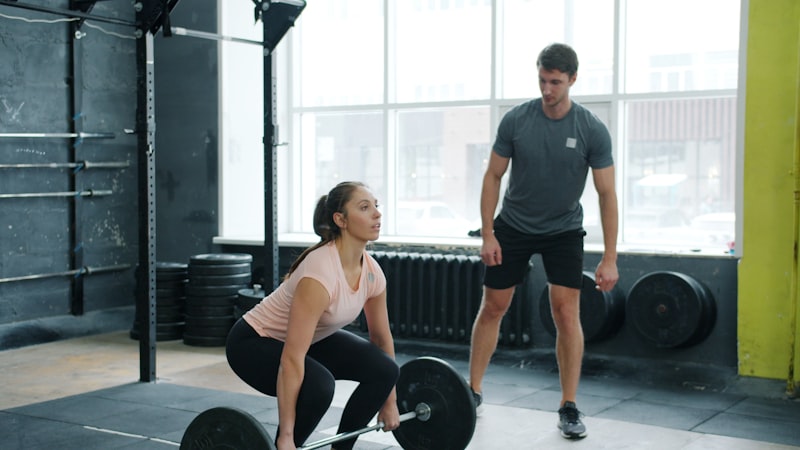
The categorization of physical abilities is typically structured into several distinct, yet interconnected, dimensions, providing a framework for precise measurement and targeted job matching. These dimensions generally fall into three major clusters: Strength, Flexibility and Coordination, and Endurance and Stamina. The strength cluster involves the capacity to exert muscular force against resistance, which is further subdivided into static strength (the force applied continuously, such as holding a heavy object), dynamic strength (the force applied repetitively over time, such as repetitive pushing or pulling), and explosive strength (the rapid mobilization of energy, often measured by vertical jump height or throwing distance). These strength metrics are foundational for jobs requiring handling, lifting, carrying, and maneuvering heavy loads, and their accurate assessment is critical for preventing acute overexertion injuries.
The second cluster, encompassing flexibility, balance, and coordination, relates to the body’s ability to move efficiently and maintain equilibrium. Flexibility refers to the maximum range of motion possible at various joints, necessary for tasks requiring bending, twisting, or reaching in confined spaces. Gross body coordination involves the integration of multiple limbs and the trunk simultaneously, essential for tasks like climbing ladders or complex assembly operations. Equilibrium or balance, particularly in motion (dynamic balance), is crucial for roles performed on unstable surfaces or at heights, such as roofing or scaffolding work. Deficiencies in these areas can lead to instability and accidental falls, highlighting their importance in high-risk occupations where precision movement is paramount to safety and performance reliability.
Finally, the endurance and stamina cluster addresses the capacity to sustain physical effort over extended periods. This includes cardiovascular endurance, or stamina, which is the efficiency of the circulatory and respiratory systems in supplying oxygen to working muscles during prolonged activity, such as long-distance patrolling or sustained manual labor. Also included is muscular endurance, which is the ability of specific muscle groups to continue contracting or maintaining a posture without fatiguing, often measured by the number of repetitions performed or the length of time a load can be supported. Jobs demanding sustained vigilance and continuous physical output, such as emergency services or long-haul driving involving physical demands, rely heavily on high levels of both general and muscular endurance, as fatigue significantly degrades both performance quality and safety margins over time.
Measurement and Assessment Techniques
The reliable and valid measurement of physical abilities is a cornerstone of responsible personnel management. To ensure fairness and predictive accuracy, organizations employ specialized assessment techniques designed to quantify an individual’s physical capacity objectively. These methods include standardized physical ability tests, which often utilize specific equipment to measure maximal strength (e.g., dynamometers for grip strength), aerobic capacity (e.g., treadmill or cycle ergometry tests), and flexibility (e.g., sit-and-reach tests). The test design must strictly adhere to psychometric principles, ensuring high inter-rater reliability and establishing criterion validity, meaning the test scores must demonstrably correlate with actual job performance or essential work outcomes, such as injury rates or speed of task completion.
In addition to standardized physiological tests, work sample tests offer a high-fidelity assessment method by requiring candidates to perform miniaturized or simulated versions of the actual job tasks. For example, a fire department applicant might be required to drag a weighted dummy, climb a specific number of stairs while carrying equipment, or operate hydraulic rescue tools. These simulations are highly effective because they measure the integration of multiple physical abilities (strength, stamina, coordination) under realistic, job-specific constraints. While work sample tests possess high face validity and criterion validity, they are often more time-consuming and costly to administer than traditional paper-and-pencil or physiological tests, requiring specialized oversight to ensure safety and standardization across all candidates.
Furthermore, technological advancements have introduced methods such as functional capacity evaluations (FCEs) and biomechanical analyses, particularly useful in pre-employment screening for physically demanding roles or in return-to-work evaluations following injury. FCEs systematically assess an individual’s ability to perform specific functional activities (lifting, pushing, carrying, bending) relevant to the job demands, often using specialized computerized equipment that records force output and range of motion with high precision. These high-tech methods provide objective, defensible data regarding an individual’s maximal safe working capacity, allowing organizations to make informed decisions that protect both the employee and the employer from potential hazard or liability resulting from physical overmatch or undermatch in the work environment.
Legal and Ethical Implications: The Bona Fide Occupational Qualification (BFOQ)
The assessment and mandatory requirement of specific physical abilities are subject to significant legal and ethical scrutiny, particularly concerning anti-discrimination legislation. In many jurisdictions, including those operating under the principles of the Americans with Disabilities Act (ADA) or similar equality acts, employers must prove that any physical requirement that tends to exclude certain protected groups constitutes a Bona Fide Occupational Qualification (BFOQ). This designation is highly rigorous and requires the organization to demonstrate that the physical ability in question is absolutely necessary for the safe and effective performance of the essential functions of the job, and that no reasonable accommodation can be made without posing undue hardship or direct threat to safety.
The legal defense of a physical ability requirement as a BFOQ demands extensive, documented job analysis proving the requirement’s criticality. Organizations must show that the ability is not merely preferable but is fundamental to the successful execution of duties. For instance, requiring a specific level of aerobic capacity for a search-and-rescue team member is defensible because prolonged, high-intensity exertion is intrinsic to the role and directly impacts the safety of both the rescuer and the victims. Conversely, requiring excessive height or weight limits that do not directly correlate with necessary task performance would likely be deemed discriminatory and indefensible. Ethical practice mandates that requirements must be applied consistently and neutrally to all applicants, focusing solely on the abilities needed for the work itself, rather than relying on stereotypes or generalized assumptions about physical capacity.
Moreover, ethical considerations require employers to explore reasonable accommodations for qualified individuals who may have disabilities but can still perform the essential job functions. If a physical ability test screens out a candidate, the employer must determine if minor modifications to the work environment or process would allow the candidate to perform the essential duties without fundamentally altering the nature of the job or creating an intolerable safety risk. This responsibility necessitates a delicate balance between maintaining high operational standards and adhering to principles of equitable employment. The entire process—from initial job analysis to final selection—must be transparent, validated, and focused on maximizing the predictive accuracy while minimizing the potential for adverse impact on protected classes, reinforcing the need for expert psychological consultation throughout the development and implementation of physical assessment programs.
Ability-Job Fit and Performance Outcomes
The alignment between an individual’s measured physical abilities and the physical demands of their role is a critical predictor of performance, safety, and organizational productivity. A high degree of Ability-Job Fit ensures that employees possess the baseline capacity to meet the physical tempo and load of their duties consistently without experiencing premature fatigue or incurring cumulative trauma injuries. When the fit is optimized, employees can dedicate their full cognitive and physical resources to task execution, leading to superior quality of work, reduced errors, and greater operational efficiency. Longitudinal studies consistently demonstrate that employees placed in roles matching their physical profile exhibit higher retention rates and significantly lower rates of both short-term and chronic occupational injuries, translating directly into substantial cost savings for the organization related to healthcare and replacement training.
Conversely, a substantial mismatch, where job demands significantly exceed the employee’s physical capacity, leads inevitably to degraded performance outcomes. The employee may resort to compensatory behaviors, utilizing improper biomechanics or rushing tasks to cope with the physical strain, which increases the likelihood of human error and catastrophic failure in high-stakes environments. Furthermore, physical strain contributes to psychological stress and burnout, diminishing motivation and job satisfaction, creating a cycle of negative outcomes for both the individual and the organization. Therefore, the strategic management of physical abilities is not merely a selection issue but a continuous performance management concern, requiring periodic reassessment, potential job modification, or targeted physical conditioning programs to maintain the high standard of P-J fit over the employee’s career lifespan.
The predictive power of physical ability assessment extends beyond simple task completion to encompass measures of adaptability and resilience. Employees with robust physical abilities often demonstrate greater capacity to handle unexpected physical demands or emergency situations, such as reacting quickly to an evolving crisis or sustaining effort during mandatory overtime. This reserve capacity is a valuable intangible asset, particularly in roles where sudden, intense physical output is occasionally required, such as emergency medical services or industrial equipment maintenance. By accurately benchmarking and selecting candidates based on their capacity to meet maximum potential demands, organizations build a more robust, resilient, and safe workforce capable of navigating the full spectrum of operational challenges effectively.
Distinction from Psychomotor and Cognitive Abilities
For classification purposes within organizational psychology, it is crucial to differentiate Physical Abilities from both psychomotor and cognitive abilities, although all three are components of overall human capability. Physical abilities, as detailed previously, pertain primarily to the capacities related to muscle strength, cardiovascular endurance, and gross body movement. Psychomotor abilities, however, represent a distinct class focusing on the precise coordination between sensory input and motor output, often involving fine motor control, reaction time, and dexterity. Cognitive abilities relate to the processing of information, problem-solving, reasoning, and memory. While a complex task often requires the integration of all three domains, understanding the primary drivers of performance allows for more accurate measurement and targeted selection.
The differences can be illustrated by examining specific tasks:
-
Physical Ability Example: Lifting a 50-pound box from the floor to a shelf requires static and dynamic strength and gross body coordination. This is heavily reliant on muscle capacity and stamina.
-
Psychomotor Ability Example: Performing intricate soldering work on a small circuit board requires finger dexterity, wrist-hand speed, and precise reaction time to visual cues. This ability is defined by the speed and precision of neural-motor connections.
-
Cognitive Ability Example: Diagnosing a complex machine malfunction based on ambiguous data and applying established troubleshooting procedures requires inductive reasoning, working memory, and spatial visualization. This ability relies entirely on mental processing capacity.
In many modern industrial roles, the successful incumbent must demonstrate proficiency across all three domains. For instance, an airline pilot requires high levels of cognitive ability to navigate and manage complex systems, excellent psychomotor abilities to manipulate controls with precision during landing, and sufficient physical ability (strength and endurance) to handle extreme G-forces or manage controls during sustained periods of turbulence. However, recognizing the distinct nature of these ability domains allows researchers to isolate specific predictors of performance for different facets of the job, thereby improving the predictive validity of selection batteries by ensuring that the appropriate measurement tool is applied to the relevant competency.
Development and Maintenance of Physical Abilities
While physical abilities are often discussed as innate capacities, they are also highly plastic and subject to change through targeted intervention, training, and environmental factors. Organizations that rely heavily on the sustained physical output of their workforce often implement structured programs aimed at both developing baseline abilities in new hires and maintaining peak physical condition throughout the careers of veteran employees. These interventions must be scientifically based and tailored to the specific demands identified in the job analysis, ensuring that the training directly translates to improved performance and injury reduction in the workplace rather than merely focusing on general fitness. For example, a training program for warehouse workers might emphasize core stability and proper lifting mechanics to enhance static strength and minimize back injuries, aligning the physical intervention directly with the occupational risk profile.
Maintaining physical ability across the lifespan of an employee is a significant challenge, especially in physically demanding occupations where age-related decline in strength, flexibility, and aerobic capacity can impact performance and safety. Organizations address this through mandatory or voluntary wellness and conditioning programs, often incorporating ergonomic education and physical readiness testing. These programs are designed to mitigate the effects of aging and chronic strain, ensuring that employees remain physically capable of meeting BFOQ standards. Regular fitness assessments, particularly in fields such as law enforcement or the military, often serve as maintenance checks, identifying individuals who may require corrective action or reassignment to less physically intensive duties, thereby proactively managing the risk associated with declining physical capacity.
Furthermore, psychological factors play a considerable role in the maintenance of physical abilities. Motivation, self-efficacy, and adherence to training regimens are critical mediating variables. Organizations can enhance these factors through supportive management, providing access to specialized physical therapists or trainers, and creating a culture that values physical health as integral to professional performance. Effective programs often integrate psychological coaching alongside physical conditioning, addressing issues such as fear of movement post-injury or enhancing mental toughness necessary to push through physical fatigue. This holistic approach ensures that the development and maintenance of physical abilities are viewed not just as a physiological requirement, but as a long-term investment in human capital and occupational safety.