Biological Psychology: How Your Body Shapes Your Mind
Scientifically Reviewed · Dr. Marwa Abd-Alazim · August 26, 2026
Review Criteria & Clinical Standards
This content undergoes rigorous scientific peer-review and medical editorial standards at Arab Psychology Network to ensure clinical accuracy, validity, and compliance with evidence-based guidelines from leading psychological and healthcare authorities (APA / WHO).
The Core Definition and Scope of Physiology
Physiology is fundamentally defined as the comprehensive scientific inquiry into the functions and mechanisms operating within living systems. It moves beyond the static description of structure, which is the domain of anatomy, focusing instead on the dynamic operations—the “how” and “why”—of life. This discipline encompasses the study of organisms at multiple scales, ranging from molecular interactions and cellular functions to the integrated activities of organs and entire organ systems. At its heart, physiology seeks to elucidate the intricate physical and chemical processes that enable life, growth, movement, sensation, and reproduction. Unlike anatomy, which provides the blueprint, physiology details the instruction manual, describing how biological components interact to maintain the viability and complexity inherent in all living beings, from simple prokaryotes to complex multicellular organisms like humans.
The scope of physiology is exceptionally broad, necessitating specialization across numerous sub-disciplines. It requires a profound understanding of foundational sciences, including physics, chemistry, and molecular biology, as these principles dictate how biological components—such as proteins, lipids, and nucleic acids—perform their roles. A central tenet involves investigating the functional roles of specialized structures, such as how muscle tissues contract, how neurons transmit electrical signals, or how the kidney regulates fluid balance. Understanding these operations is crucial, as malfunctions in physiological processes underlie virtually all forms of disease and disorder. Therefore, physiology serves as a critical bridge between basic biological research and applied medical practice, providing the necessary framework for interpreting pathological states and developing targeted interventions.
Specifically within the context of human biology, physiology delves deeply into the coordinated activities of major systems. This includes, but is not limited to, the nervous system’s control over behavior and cognition, the cardiovascular system’s role in nutrient and oxygen delivery, the endocrine system’s use of hormones for systemic regulation, and the respiratory system’s mechanisms for gas exchange. The distinction from anatomy remains paramount: while anatomy identifies the structure of the lungs, physiology examines the mechanics of breathing and the efficiency of oxygen diffusion across alveolar membranes. This functional perspective ensures that the study of life is treated as a highly dynamic, constantly adjusting process rather than a fixed architectural arrangement, highlighting the operational procedures engaged within organs, tissues, and individual cells in response to both internal and external stimuli.
Historical Foundations and Early Concepts
The origins of physiological thought can be traced back to antiquity, particularly within Greek civilization, where thinkers began moving from purely philosophical speculations toward observational science regarding bodily functions. Early concepts were often entwined with medical practice, notably influenced by figures like Hippocrates, who postulated theories regarding the four humors—blood, phlegm, yellow bile, and black bile—suggesting that health was maintained by their proper balance. While empirically inaccurate by modern standards, these early attempts represented a crucial step: the recognition that internal processes dictated health and disease, establishing the fundamental premise that the body operates according to discernible rules and functional procedures. These pioneering observations laid the groundwork for systematic inquiry into internal operations, setting the stage for centuries of further investigation.
A major inflection point occurred in the second century CE with Galen of Pergamon, whose prolific writings dominated Western medical and physiological understanding for over a millennium. Galen conducted detailed animal dissections and vivisections, proposing complex theories about blood movement, nerve function, and vital spirits flowing through the body. His framework, though containing significant errors due to reliance on animal models and a lack of understanding of circulation, established a formal, systematic approach to studying organ function. Galenic physiology emphasized teleology—the idea that organs function for a specific purpose—a concept that persisted until the Renaissance challenged established scientific dogmas with rigorous empiricism and a renewed commitment to direct observation and experimentation.
The true dawn of modern physiology is often linked to the seventeenth century, marked by William Harvey’s revolutionary work, Exercitatio Anatomica de Motu Cordis et Sanguinis in Animalibus (1628). Harvey meticulously demonstrated that blood circulated continuously throughout the body, pumped by the heart, effectively dismantling the Galenic theory of blood being consumed by tissues. This discovery was transformative because it relied on quantitative measurement and experimental verification, establishing the critical methodology of modern physiological research. Subsequent advancements, including the invention of the microscope, allowed physiologists to transition from macroscopic observations of organs to the microscopic world of tissues and cells, cementing the need to understand function at ever smaller scales and paving the way for the development of cellular and molecular physiology.
Key Branches of Physiological Study
Due to the vast complexity and organizational hierarchy of life, physiology has necessarily fractured into specialized branches, each focusing on distinct organizational levels or specific groups of organisms. Systemic physiology remains the most commonly recognized branch, centering on the functions of the body’s major organ systems—such as cardiovascular, renal, respiratory, musculoskeletal, and reproductive physiology. Each systemic field examines how its respective organs and tissues contribute to the overall maintenance and regulation of the organism. For instance, renal physiology investigates glomerular filtration rate, tubular reabsorption, and acid-base balance, treating the urinary system as an integrated, homeostatic unit essential for internal chemical stability.
Moving down the functional hierarchy, cellular physiology focuses on the fundamental unit of life: the cell. This branch scrutinizes the physical and chemical processes occurring within cells, including membrane transport mechanisms, energy metabolism (e.g., ATP synthesis via oxidative phosphorylation), signal transduction pathways, and cell-to-cell communication via gap junctions or chemical messengers. Understanding cellular physiology is crucial because all complex functions of organs and systems ultimately derive from the coordinated activity and specialization of their constituent cells. For example, endocrinology relies heavily on cellular studies to explain how hormone receptors initiate changes in gene expression or enzyme activity within target cells, thereby producing a systemic effect.
Furthermore, physiology is differentiated by the organisms studied and the context of study. Comparative physiology systematically contrasts the functional characteristics of diverse animal species, revealing how different evolutionary pressures have led to varied solutions for fundamental biological challenges, such as efficient oxygen extraction in aquatic environments or thermal regulation in deserts. Environmental physiology investigates how organisms adapt and respond to external conditions, such as high altitude (hypoxia), extreme temperatures, or altered gravity, focusing on the acute and chronic adjustments required to maintain viability. Finally, pathophysiology is a crucial applied branch, studying how disease and injury alter normal physiological function, thereby providing the scientific basis for diagnostic procedures and therapeutic interventions across all clinical settings.
Homeostasis: The Central Organizing Principle
The single most unifying and critical concept in physiology is homeostasis, a term coined by Walter Cannon in the 1920s, building upon the “milieu intérieur” (internal environment) concept developed by Claude Bernard in the mid-nineteenth century. Homeostasis refers to the tendency of living systems to maintain internal stability, or equilibrium, despite continuous fluctuations in the external environment and internal metabolic demands. This maintenance is not static; rather, it represents a dynamic steady state, where physiological variables—such as body temperature, blood glucose levels, blood osmolarity, and pH balance—are rigorously kept within narrow, predetermined ranges essential for optimal cellular enzymatic function and overall survival. The constant, energy-requiring effort to maintain this stability distinguishes living organisms from inert matter.
Homeostatic control is universally achieved through complex, interconnected feedback loops, primarily **negative feedback mechanisms**. A negative feedback loop operates much like a biological thermostat: when a regulated variable deviates too far from its ideal set point, the system initiates corrective actions to return the variable toward that set point, thereby stabilizing the internal environment. Key components of these systems include receptors (sensors that monitor the variable), a control center (which processes the information and determines the appropriate response, often located in the hypothalamus or endocrine glands), and effectors (muscles or glands that carry out the corrective action). For example, if blood glucose levels drop, the pancreas releases glucagon, signaling the liver to break down glycogen and release glucose, thus restoring the set point.
While negative feedback promotes stability, positive feedback mechanisms exist, although they are far less common and are typically associated with processes requiring rapid acceleration or completion, rather than long-term maintenance. Examples include the rapid amplification of uterine contractions during childbirth or the cascade of clotting factors during acute injury. Crucially, the failure of homeostatic mechanisms is the underlying cause of most diseases. When the body can no longer compensate for internal or external stressors—a state often called homeostatic imbalance—the resulting deviation leads to pathological states and functional degradation. Thus, understanding the precise mechanisms of homeostatic regulation is indispensable for comprehending both health and disease in any living organism.
Physiological Systems and Their Interdependence
Physiological functions are rarely performed in isolation; the various organ systems operate in a highly integrated and interdependent manner, a necessity given the body’s complex functional demands. The circulatory system, for example, cannot efficiently deliver oxygen without the precise gas exchange provided by the respiratory system, nor can it maintain plasma volume without the regulatory filtration and reabsorption managed by the renal system. Conversely, the nervous and endocrine systems act as overarching regulatory networks, coordinating the activities of all other systems. The nervous system provides rapid, specific electrical signals for immediate control, such as initiating muscle contraction or acute pain withdrawal reflexes, while the endocrine system utilizes slower, systemic hormonal signals to regulate longer-term processes like metabolic rate, maturation, and chronic stress adaptation.
A prime example of interdependence is the body’s integrated response to significant blood loss (hemorrhage). Acute blood volume reduction immediately triggers compensatory changes across multiple systems. The cardiovascular system increases heart rate and constricts peripheral blood vessels to maintain central blood pressure. The renal system attempts to conserve fluid by reducing urine output and triggering the release of hormones like vasopressin and aldosterone. Concurrently, the nervous system stimulates thirst and activates sympathetic pathways to sustain essential organ perfusion. This rapid, multi-system coordination demonstrates that the successful maintenance of life relies not on the function of one isolated system, but on the flawless, real-time communication and operational coordination of all systems driven by sophisticated physiological feedback mechanisms.
The study of this systemic interdependence highlights why a holistic view is essential in physiology. Dysfunction in one area inevitably impacts others, creating complex clinical pictures. For instance, uncontrolled diabetes (an endocrine disorder) impairs insulin signaling, leading to chronic high blood glucose. This metabolic imbalance subsequently damages the cardiovascular system (atherosclerosis), the renal system (nephropathy), and the nervous system (neuropathy). Therefore, modern physiological research often employs systems biology approaches, utilizing complex computational models to predict how changes in one variable or system will propagate throughout the entire organism, underscoring the dynamic and interconnected operational fabric inherent in all living operations.
The Neurophysiological Interface: Connecting to Psychology
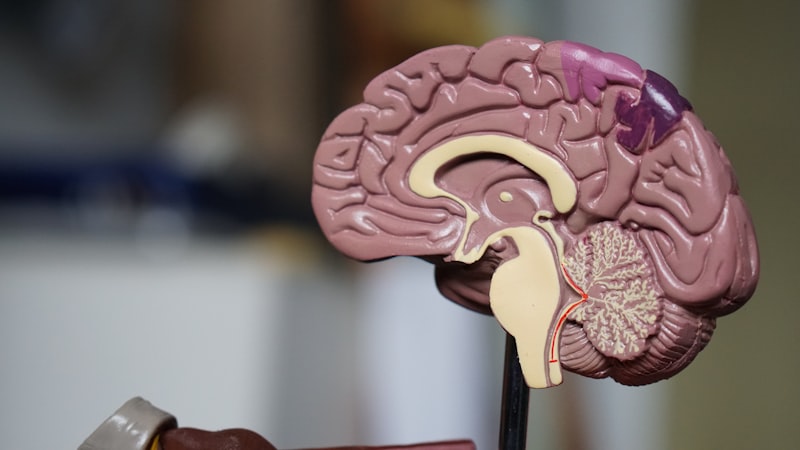
For the psychology encyclopedia, the intersection between physiology and psychological functioning—termed neurophysiology and psychophysiology—is critically important, providing the biological substrate for all behavior and mental processes. Neurophysiology specifically examines the function of the central and peripheral nervous systems, detailing how individual neurons and complex neural circuits generate, transmit, and process information. This includes the molecular mechanisms underlying synaptic transmission, the biophysics of action potential generation, the functional specialization of cortical areas, and the organization of brain regions responsible for sensory perception, motor control, memory encoding, and emotional experience. Understanding these electrical and chemical operations provides the immutable biological foundation for explaining all aspects of human cognition and behavior.
Psychophysiology takes this connection further by studying the relationship between psychological states and measurable physiological responses in the body. It investigates how mental processes—such as high cognitive load, deep attention, decision-making under uncertainty, or emotional arousal—are reflected in changes in measurable bodily functions, often outside of direct, localized brain activity. Key peripheral measures utilized in psychophysiological research include heart rate variability, skin conductance (a highly sensitive measure of sympathetic nervous system activation), pupillometry, and the measurement of stress hormones like cortisol or catecholamines. This field is crucial for operationalizing internal mental states, allowing researchers to objectively quantify arousal and emotional intensity, thereby connecting subjective psychological experience to concrete, verifiable biological processes.
A primary example is the physiological manifestation of anxiety and chronic stress. When an individual perceives a psychological threat, the body immediately activates the hypothalamic-pituitary-adrenal (HPA) axis and the autonomic nervous system. Physiologically, this results in the rapid release of catecholamines (epinephrine and norepinephrine) from the adrenal medulla and the slower, sustained release of glucocorticoids (cortisol) from the adrenal cortex. This neuroendocrine cascade leads to increased heart rate, elevated blood pressure, muscle tension, and altered metabolic prioritization—the classic and highly conserved stress response. Understanding the precise physiological pathways involved in emotional regulation and stress response is vital for developing effective behavioral and pharmacological treatments for psychological disorders, such as generalized anxiety disorder and chronic depression, which often involve long-term dysregulation of these core neurophysiological systems.
Methods and Techniques in Modern Physiological Research
Modern physiological inquiry relies heavily on sophisticated experimental techniques that allow researchers to measure dynamic functions with high temporal and spatial precision. These methods range from in vivo (within a living organism) studies to in vitro (in a controlled environment outside the body) and in silico (computational simulation) models. While traditional methods involved measuring bulk parameters like blood pressure and whole-organ oxygen consumption, contemporary research utilizes highly specialized equipment to probe function at the molecular and single-cell level, enabling mechanistic explanations of systemic phenomena.
Key advanced techniques include **electrophysiology**, which uses techniques like patch-clamp recording to measure ion channel activity and neuronal electrical currents with exquisite detail, providing crucial insights into excitability and signal processing. **Fluorescence microscopy** and optogenetics employ genetically encoded sensors (e.g., proteins sensitive to calcium or voltage) to visualize cellular processes, such as signaling pathways and synaptic activity, in real time within live cells or even behaving animals. Furthermore, the advent of **molecular biology tools** like CRISPR-Cas9 allows physiologists to manipulate genetic expression—knocking out specific genes or inserting reporter sequences—to determine the precise function of individual proteins in a systemic context, thereby linking the molecular structure directly to the physiological outcome and functional operations of the tissue.
In the study of complex human physiology, non-invasive imaging techniques are paramount for clinical and research applications. Functional magnetic resonance imaging (fMRI) allows researchers to map brain activity by detecting localized changes in cerebral blood flow (BOLD signal), providing crucial insights into cognitive processing and emotional regulation. Positron emission tomography (PET) tracks metabolic activity by visualizing the distribution of radioactively tagged molecules, while advanced ultrasound provides non-invasive visualization of cardiac function, organ movement, and vascular blood flow dynamics. These methodological advancements have transformed physiology from a purely descriptive science to a highly mechanistic, quantitative, and ultimately predictive discipline, allowing for the precise measurement and manipulation of the operations of living organisms.
Clinical and Applied Physiology
The practical application of physiological knowledge is centralized in clinical medicine and healthcare delivery. Clinical physiology involves utilizing functional measurements, diagnostic testing, and therapeutic interventions based on understanding the operations of the human body. Every medical specialty, from cardiology to respiratory medicine, is fundamentally rooted in understanding the deviations from normal physiological function—the realm of pathophysiology. For example, understanding the electrophysiology of the cardiac conduction system is essential for diagnosing and treating arrhythmias, and knowing the mechanics of renal filtration is critical for managing chronic kidney disease and guiding dialysis protocols.
Applied physiology extends beyond disease treatment into areas dedicated to enhancing human performance and ensuring safety in challenging environments. **Exercise physiology** investigates how the body responds and adapts to acute and chronic physical stress, optimizing training regimens for elite athletes and developing precise rehabilitation programs for individuals recovering from injury, surgery, or chronic metabolic illnesses. This branch focuses on optimizing energy utilization, cardiovascular efficiency, and muscle adaptation under various loads and conditions.
Similarly, **environmental and occupational physiology** focuses on optimizing human function and minimizing risk in challenging environments, such as deep-sea diving (hyperbaric physiology), military operations, or space exploration. Researchers in this area ensure that protective equipment and operational protocols respect the absolute limits of human homeostatic capacity under extreme thermal, pressure, or gravitational stresses. Furthermore, the principles of physiology are crucial in the development of pharmaceuticals and medical devices. Drug development requires detailed knowledge of how substances interact with physiological receptors, transporters, and metabolic pathways to achieve therapeutic effects without causing harmful systemic disruptions. Devices like pacemakers, artificial kidneys, and continuous glucose monitors are all designed based on mimicking or assisting natural physiological processes, underscoring that practical biological engineering is inherently driven by a deep understanding of the sophisticated operations of living systems.