The Placebo Effect: Your Mind’s Hidden Healing Power
Scientifically Reviewed · Dr. Marwa Abd-Alazim · August 28, 2026
Review Criteria & Clinical Standards
This content undergoes rigorous scientific peer-review and medical editorial standards at Arab Psychology Network to ensure clinical accuracy, validity, and compliance with evidence-based guidelines from leading psychological and healthcare authorities (APA / WHO).
Definition and Scope of the Placebo Concept
The term placebo, originating from the Latin for “I shall please,” carries a specialized and dual definition within modern medicine, pharmacology, and psychology. Fundamentally, a placebo refers to any substance, procedure, or intervention that is pharmacologically inert or lacks inherent specific activity for the condition being treated, yet is administered to a patient or research participant. In its most common application, particularly in randomized controlled trials, the placebo serves as a crucial control condition against which the true efficacy of an active drug or intervention can be measured accurately. Without this inert baseline, it would be impossible to distinguish between the genuine physiological effects of the treatment and the effects induced purely by suggestion, expectation, or the natural course of the illness.
The application of the placebo concept extends beyond simple pill administration. It encompasses any psychological or medical remediation or intervention that is thought to be inactive relative to the primary mechanism being tested. This broad definition allows researchers to control for variables such as the ritualistic aspects of treatment, patient-provider interaction, and the mere act of receiving care. Consequently, understanding the placebo requires distinguishing between the placebo itself—the inert agent—and the placebo effect, which is the measurable, positive physiological or psychological change attributable to the patient’s belief or expectation regarding the treatment, rather than the intrinsic properties of the substance administered. This distinction is paramount for rigorous scientific investigation.
Historically, before the advent of modern controlled experimentation, placebos were occasionally employed in clinical settings not merely as controls, but sometimes as genuine therapeutic or diagnostic agents, often utilized when physicians felt the need to offer a seemingly active intervention to patients whose symptoms were poorly understood or deemed psychosomatic. However, this historical usage contrasts sharply with contemporary clinical science, where the placebo’s role is strictly defined by the requirements of objective measurement. In contemporary double-blind trials, placebos might be completely inert (“dummy” placebos) or, in certain contexts, might be designed to mimic the side effects of the active drug being tested (active placebos), ensuring that the integrity of the blinding process is maintained and researchers can isolate the treatment’s specific therapeutic action.
Historical Context and Evolution of Use
The conceptual roots of the placebo extend back centuries, although the term was not formally integrated into medical lexicon with its current scientific meaning until much later. The term itself gained notoriety in the 18th century, often used pejoratively to describe remedies given solely to humor or pacify a patient, rather than to genuinely cure an ailment. Early medical practice often relied heavily on the prestige and authority of the physician, and many historical treatments, later proven ineffective, likely derived their success entirely from the patient’s resultant belief and conditioning—a manifestation of the placebo effect long before it was scientifically recognized. This historical context illustrates that therapeutic suggestion has always been an inherent, though often unacknowledged, component of medical care.
The transition of the placebo from a potentially deceptive clinical tool to an essential scientific instrument began in the mid-20th century. The widespread introduction of the randomized controlled trial (RCT) methodology demanded a robust way to isolate true drug efficacy. Researchers realized that patients receiving any form of intervention, even a sugar pill, frequently reported improvement due to the psychological and contextual factors surrounding treatment. This led to the standardization of the placebo control group as the ethical and scientific baseline necessary to validate new therapies. Prior to this shift, many medications deemed effective were simply benefiting from the powerful, non-specific effects now categorized under the umbrella of the placebo response.
The formal recognition of the placebo effect catalyzed a new area of psychological and neuroscientific inquiry. Researchers began investigating not just the absence of an active substance, but the power of the mind-body connection in healing. This evolution transformed the placebo from a methodological nuisance into a subject of intense scientific scrutiny. Studies began to map how factors like expectation, previous experience (conditioning), and the therapeutic environment could modulate physiological responses, including pain perception, motor function, and immune activity. This focus underscored the realization that the effectiveness of any medical intervention, active or inert, is invariably influenced by contextual cues and the patient’s psychological state.
The Mechanism of the Placebo Effect
Understanding the placebo effect requires delving into complex psychological and neurobiological pathways. The primary proposed mechanisms generally fall into two categories: expectation and conditioning. Expectation theory posits that the anticipated outcome of a treatment, whether positive or negative, directly influences the patient’s experience. When a patient believes a treatment will alleviate their symptoms, this belief can trigger endogenous physiological responses that mirror the effects of an active drug. These expectations are heavily influenced by the patient’s personality, the credibility of the treatment provider, the intensity of the intervention (e.g., injections often elicit a stronger placebo response than pills), and cultural beliefs about health and healing.
The second critical mechanism is classical conditioning. If a patient has previously experienced relief from a specific treatment (e.g., a strong painkiller), the subsequent administration of a placebo that looks or is delivered identically can trigger the same physiological response pathways activated by the original active drug. The contextual cues—such as the setting, the presence of the physician, or the color of the pill—become conditioned stimuli. Over time, the body learns to associate these cues with therapeutic relief, enabling the inert substance to mimic the effects of the active treatment through learned physiological responses, a phenomenon particularly well-documented in studies involving immunosuppression and pain management.
Furthermore, the placebo effect is increasingly understood as a form of meaning response. This broader concept acknowledges that the entire therapeutic ritual—from the initial diagnosis to the delivery of the intervention—imparts meaning to the patient. This meaning can mobilize the body’s innate self-healing mechanisms. The attention, hope, and perceived control instilled by the therapeutic encounter activate specific brain regions, including the prefrontal cortex and areas associated with reward and emotion regulation. These activations subsequently modulate descending pain inhibitory pathways and other homeostatic systems, demonstrating that the placebo effect is not merely an imagined sensation, but a genuine, measurable biological phenomenon mediated by the brain.
Placebos in Clinical Trials: The Gold Standard
The use of placebos is central to the methodology of Randomized Controlled Trials (RCTs), which represent the highest standard for determining the efficacy and safety of new medical treatments. In an RCT, participants are randomly allocated to receive either the active intervention or the placebo. This randomization minimizes selection bias, while the inclusion of a placebo control ensures that any observed clinical improvement in the treatment group is statistically greater than the non-specific effects attributable to the act of treatment itself (the placebo response). If a drug’s effect is statistically indistinguishable from the placebo’s effect, the drug is deemed ineffective.
A critical methodological consideration is the choice between a simple inert placebo and an active placebo. A simple dummy placebo, such as a sugar pill, is entirely inert. However, when the active drug produces noticeable side effects (e.g., dry mouth, drowsiness), patients in the active drug group may deduce which treatment they are receiving, thus compromising the integrity of the double-blind methodology. To counteract this, researchers sometimes employ an active placebo—a substance that produces similar minor side effects to the active drug but lacks the primary therapeutic ingredient. This strategy helps maintain blinding, ensuring that differences in outcomes are truly attributable to the tested therapeutic mechanism rather than the ability of participants or researchers to guess the treatment allocation.
The rigorous adherence to placebo-controlled, double-blind protocols is essential for regulatory approval of pharmaceuticals worldwide. The comparison allows regulatory bodies to differentiate between the compound’s specific pharmacological action and the composite effect of natural history, regression to the mean, and the placebo response. This scientific necessity ensures that the resources and risks associated with new treatments are justified by demonstrable clinical superiority over non-specific effects. Furthermore, the magnitude of the placebo response observed in trials provides valuable context, influencing the statistical power required for studies and guiding interpretations of clinical relevance.
Ethical Considerations of Placebo Use
The administration of a placebo inherently involves a degree of deception, raising significant ethical guidelines in both research and clinical practice. In research settings, the primary ethical mandate revolves around informed consent. Participants must be fully aware that they may receive an inert substance and must understand the potential risks and benefits of participation. The use of a placebo control arm is ethically justifiable only when there is genuine uncertainty regarding the efficacy of the new treatment (the principle of clinical equipoise) and when withholding standard, effective care would not cause serious or irreversible harm.
When treating conditions for which effective and standard treatments already exist, the use of a placebo control is often highly restricted or prohibited. In such cases, new treatments must typically be compared against the existing standard of care (an active control trial), rather than against a placebo. This protects vulnerable patient populations and upholds the physician’s ethical obligation to prioritize patient well-being. Exceptions may be considered when standard therapy carries significant side effects, or when patients have failed to respond to existing treatments, provided robust ethical review is conducted.
A related ethical dilemma is the possibility of therapeutic misconception, where participants in a trial, despite having signed informed consent, believe they are guaranteed to receive active treatment and benefit clinically. Researchers must employ careful communication strategies to manage expectations and ensure participants fully grasp the nature of randomization and the possibility of receiving an inert control. In clinical practice outside of research, the use of a placebo without patient knowledge is widely condemned as it undermines patient autonomy, damages trust in the medical relationship, and can lead to delayed diagnosis or appropriate treatment. Modern emphasis is now placed on harnessing the placebo effect through transparent, non-deceptive means, focusing on optimizing the therapeutic context.
The Nocebo Effect and Its Implications
The counterpart to the positive placebo effect is the nocebo effect, derived from the Latin “I shall harm.” The nocebo effect occurs when an inert substance or intervention causes adverse outcomes or side effects due to negative expectations, fear, or anxiety associated with the treatment. Just as positive expectation can trigger beneficial biochemical pathways, negative expectation can activate pathways related to stress, pain sensitization, and anxiety, leading to genuine physiological distress and reporting of adverse symptoms, such as headaches, nausea, or localized pain, even when receiving a sugar pill.
The nocebo effect has significant implications for both clinical trials and routine medical communication. In research, informing participants about all potential side effects of an active drug can inadvertently increase the reporting of those same side effects in the placebo group. This confounding factor requires careful ethical balancing: while researchers must disclose risks for informed consent, the manner in which this information is conveyed must minimize the induction of negative expectations. Studies have shown that framing information positively (e.g., stating a treatment is 70% effective rather than 30% ineffective) can mitigate nocebo responses.
Clinically, understanding the nocebo phenomenon underscores the importance of mindful communication between doctor and patient. Negative language, excessive emphasis on rare side effects, or a pessimistic prognosis can exacerbate symptoms or reduce the efficacy of active treatments. Conversely, a physician’s confidence, empathy, and positive framing of a treatment plan can minimize negative expectations and enhance therapeutic outcomes. The nocebo effect demonstrates the profound power of psychological context to influence health outcomes, reinforcing the systemic nature of the mind-body interaction in illness and recovery.
Neurobiological Correlates of Placebo Response
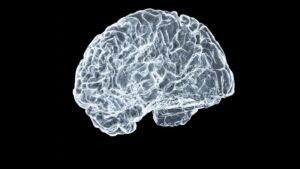
Neuroscience has moved beyond viewing the placebo effect as merely psychological, establishing that it involves distinct, measurable changes in brain chemistry and function. Utilizing advanced imaging techniques like fMRI and PET scans, researchers have mapped the specific neural circuits activated during a placebo response, particularly in the context of pain management (placebo analgesia) and motor disorders. One of the most robust findings concerns the endogenous opioid system. Placebo administration, coupled with the expectation of pain relief, triggers the release of natural pain-killing chemicals—endogenous opioids (endorphins and enkephalins)—in brain regions such as the periaqueductal gray (PAG) and the rostral ventromedial medulla (RVM). These opioids then descend to inhibit pain signals in the spinal cord, proving that placebo analgesia is a genuine biological response.
Beyond pain, the placebo effect is also linked to the dopaminergic pathways, particularly relevant in conditions like Parkinson’s disease. Patients with Parkinson’s, when administered a placebo and told it is an active dopamine agonist, show increased dopamine release in the striatum, measurable via PET scans. This surge in endogenous dopamine correlates directly with improved motor function, demonstrating that the expectation of therapeutic benefit can activate the brain’s reward and motor control systems, functionally mimicking the effect of the actual medication. This evidence highlights the selective nature of the placebo response, which targets the specific biological system relevant to the symptom being treated.
The cognitive control over these responses is often attributed to the prefrontal cortex (PFC), the brain region responsible for executive function, planning, and expectation formation. The PFC appears to initiate the placebo response by integrating contextual information (e.g., the ritual of treatment, the physician’s authority) and generating positive expectations, which then send signals to subcortical structures (like the nucleus accumbens and the PAG) to modulate physiological output. This intricate functional connectivity across different brain regions confirms that the placebo effect is a top-down, meaning-driven process that harnesses the body’s native healing and regulatory mechanisms.
Future Directions and Clinical Integration
Contemporary research is shifting focus from merely controlling for the placebo effect to understanding how to harness it ethically for clinical benefit. Given the profound and measurable biological effects of expectation and conditioning, there is growing interest in integrating the mechanisms underlying the placebo effect into mainstream medical care, particularly through optimizing the therapeutic environment and patient communication. This approach, sometimes termed “contextual healing,” seeks to maximize the non-specific benefits inherent in the medical encounter.
A radical area of translational research involves the study of non-deceptive placebo or open-label placebo (OLP). In OLP trials, patients are told explicitly that they are receiving an inert substance (e.g., a sugar pill), but they are simultaneously educated about the power of the placebo effect—how the mind can influence the body. Surprisingly, studies in conditions like Irritable Bowel Syndrome (IBS) have shown that OLP can still produce significant symptom relief compared to a non-treatment group. This suggests that the therapeutic ritual and the conscious belief in the body’s self-healing capacity, even without the element of deception, can mobilize beneficial physiological resources.
The future of placebo research also intersects with personalized medicine. Researchers are attempting to identify biological and psychological markers that predict which individuals are most likely to exhibit a strong placebo response. If these “placebo responders” can be reliably identified, clinicians could potentially tailor treatment protocols to maximize contextual factors for these patients, possibly reducing reliance on high-dose pharmaceuticals or interventions with significant side effects. Ultimately, by rigorously studying the placebo effect, medical science aims to improve patient care by integrating psychological understanding with pharmacological rigor, leading to more holistic and effective treatment delivery.