Hedonic Valence: Why Your Brain Craves Feeling Good
Scientifically Reviewed · Dr. Marwa Abd-Alazim · August 29, 2026
Review Criteria & Clinical Standards
This content undergoes rigorous scientific peer-review and medical editorial standards at Arab Psychology Network to ensure clinical accuracy, validity, and compliance with evidence-based guidelines from leading psychological and healthcare authorities (APA / WHO).
Definition and Core Conceptualization
The psychological construct of pleasantness denotes a fundamental, consciously experienced hedonic state characterized by a positive valence and an inherent desirability. This affective experience is universally classified as highly favored, acting as a primary motivational driver for approach behavior and the sustained engagement with specific stimuli or environments. Unlike complex, temporally extended emotional states such as joy or contentment, pleasantness often refers to a more immediate, elemental feeling, typically arising whenever an external occurrence or internal mental event is perceived as being in congruence with one’s fundamental objectives, expectations, or biological needs. This core definition situates pleasantness not merely as a passive reception of good feeling, but as an active neurocognitive signal confirming that current interactions with the environment are conducive to well-being and the achievement of desired outcomes, whether they are immediate homeostatic requirements or long-term psychological goals. The sensation is intrinsically linked to satisfaction, serving as the immediate affective feedback mechanism that signals the successful resolution of a need or the successful navigation toward a desired state, thereby reinforcing the behaviors that led to the experience.
The critical element distinguishing pleasantness is its subjective, conscious nature; it is an internal reportable quality of experience that requires awareness and cognitive processing, contrasting sharply with unconscious affective priming or purely reflexive responses. It is the qualitative feeling that imbues a stimulus—be it a sensory input like a sweet taste, an aesthetic perception such as harmonious music, or a cognitive outcome like solving a difficult problem—with positive value. This pervasive valuation system dictates moment-to-moment decisions and resource allocation, pushing the organism toward sources of perceived benefit and away from sources of unpleasantness or perceived harm. The intensity of pleasantness is highly variable and context-dependent, ranging from mild comfort to intense euphoria, but the underlying mechanism remains the same: the positive appraisal of the current state relative to an ideal or desired reference point. Furthermore, the capacity to experience pleasantness is considered a marker of healthy psychological functioning, as impairments in this capacity, known as anhedonia, are symptomatic of severe psychological disorders, including major depressive disorder.
While often associated with basic sensory inputs, such as thermal comfort or gustatory reward, pleasantness extends deeply into abstract cognitive and social domains. A person experiences pleasantness not only from the warmth of a fire but also from the feeling of social acceptance, the realization of a philosophical insight, or the successful execution of an altruistic act. This breadth highlights the adaptability of the hedonic system, which has evolved to positively reinforce complex behaviors that enhance fitness and social integration, far beyond mere physiological survival. The original content correctly emphasizes its correlation with satisfaction; this connection is pivotal because it links the immediate affective experience to the long-term cognitive judgment of success. When we experience pleasantness, we are implicitly recognizing that an environmental transaction has yielded a satisfactory outcome, making this state a foundational bridge between raw affect and higher-order cognitive evaluation.
The Hedonic Continuum and Affective Science
Within the domain of affective science, pleasantness is canonically viewed as the positive pole of the essential hedonic continuum, spanning from maximal aversion (unpleasantness) to maximal attraction (pleasantness). This dimension, often termed valence, is considered largely independent of, or semi-orthogonal to, the other core dimension of affect: arousal (intensity or activation). The experience of pleasantness is thus understood as a low-to-high valence state, which can manifest across varying levels of somatic and psychological activation. For instance, the pleasantness derived from a restful contemplation is low in arousal, whereas the pleasantness associated with exhilarating achievement is high in arousal. Theorists frequently employ the Circumplex Model of Affect to map these states, where pleasantness is central to the upper-right and lower-right quadrants, correlating with states like excitement, joy, relaxation, and serenity, all unified by their fundamentally positive hedonic tone. This structural representation highlights that while the subjective experience may vary widely in energy and behavioral manifestation, the core evaluative judgment—the inherent ‘goodness’ of the state—remains the defining characteristic of pleasantness.
The concept of hedonic tone is central to early psychological theories, particularly those influenced by utilitarian philosophy, which posited that all human motivation could be reduced to the seeking of pleasure and the avoidance of pain. Modern psychological research maintains that while this perspective is overly simplistic, the valence dimension remains the most fundamental axis of emotional experience and processing. The brain’s immediate categorization of stimuli as either pleasant or unpleasant occurs rapidly and automatically, often preceding conscious cognitive appraisal, suggesting its evolutionary primacy. This immediate affective tagging serves a critical signaling function, alerting the organism to opportunities or threats in the environment, thereby streamlining decision-making processes. A robust system for experiencing pleasantness ensures efficient allocation of attention and resources toward positively valenced stimuli, which are typically associated with increased fitness and resource acquisition.
Furthermore, the dynamic nature of the hedonic continuum implies that pleasantness is not a static state but a transient experience influenced by habituation and contrast. Continuous exposure to a pleasant stimulus often leads to a decrease in the intensity of the experienced pleasantness, a phenomenon known as hedonic adaptation. Conversely, the removal of an unpleasant stimulus often generates a surge of pleasantness, demonstrating the critical role of contrast effects in modulating affective intensity. This adaptability prevents the individual from remaining perpetually satisfied with a fixed state, thereby maintaining a motivational drive for continued exploration and improvement. The intensity and duration of pleasantness are therefore highly dependent on the novelty of the congruent event and the subjective distance from a prior, less favorable, baseline state, making the study of pleasantness inherently longitudinal and contextual.
Neurobiological Correlates of Pleasantness
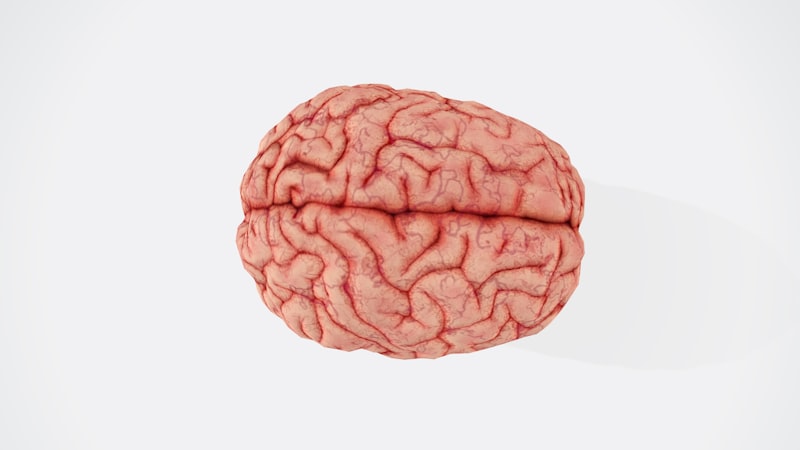
The neurobiological basis of pleasantness, often termed ‘liking’ in translational neuroscience, is distinct yet intricately intertwined with the neural mechanisms governing motivation (‘wanting’). Research strongly implicates the activation of core pleasure circuitry, primarily involving the nucleus accumbens (NAc), the ventral pallidum, and specific regions of the orbitofrontal cortex (OFC). While the desire or anticipation of reward (‘wanting’) is largely mediated by dopaminergic pathways projecting from the ventral tegmental area (VTA), the actual subjective experience of pleasantness (‘liking’) is more robustly linked to the activity of endogenous opioid systems. Specifically, mu-opioid receptor activity in hedonic hotspots within the NAc shell and ventral pallidum modulates the intensity and duration of the pleasurable feeling once the reward is consumed or the objective is achieved, translating raw sensory input or cognitive realization into a conscious, favored affective state. This separation underscores why a highly desired item (high ‘wanting’) might not always yield intense pleasure (low ‘liking’), although in typical functioning, these systems work synergistically to promote adaptive behavior.
The orbital and medial prefrontal cortex play a crucial role in integrating sensory information with context and memory to generate the conscious experience of pleasantness. The Orbitofrontal Cortex (OFC), in particular, is responsible for representing the expected subjective value of rewards. When an outcome matches or exceeds the OFC’s prediction of value, the resultant neural activity contributes significantly to the feeling of pleasantness. Damage to these prefrontal regions can impair the ability to appropriately assess and respond to hedonic stimuli, leading to skewed decision-making despite intact sensory perception. Furthermore, the insular cortex is involved in the subjective representation of bodily states and interoception, ensuring that pleasantness is not merely a cognitive appraisal but is deeply integrated with visceral and physical sensations of well-being, such as the feeling of satiety or physical relaxation, which are fundamentally pleasant states.
Pharmacological evidence further supports the opioid hypothesis of pleasantness. Administration of opioid agonists significantly enhances the pleasantness ratings of sensory stimuli, such as sweetness, without necessarily increasing the desire to consume them, confirming the dedicated role of this system in the ‘liking’ component of reward. Conversely, antagonists can reduce the perceived pleasantness of naturally rewarding stimuli, demonstrating the necessity of this neurochemical system for the conscious experience of positive valence. This intricate neurochemical architecture confirms that pleasantness is not a monolithic response but a carefully calibrated biological function designed to maximize the organism’s engagement with beneficial environmental features and minimize exposure to detrimental ones, acting as the fundamental biological determinant for what is ultimately deemed ‘highly favored’ by the individual.
Congruence Theory and Goal Attainment
A major theoretical pillar supporting the experience of pleasantness is the concept of congruence theory, which posits that positive affective states emerge fundamentally from the alignment between an individual’s current circumstances and their desired or anticipated goals. Pleasantness, in this framework, functions as an immediate, internal confirmation signal that the organism is successfully navigating its environment toward states of equilibrium, mastery, or advancement. When an event or outcome is perceived as fulfilling an explicit objective, resolving a cognitive dissonance, or meeting a high expectation, the resulting congruence generates a feeling of pleasantness. This mechanism is crucial for self-regulation; the intensity of the pleasantness is often proportional to the perceived importance of the goal and the degree of successful alignment achieved. The original definition’s focus on occurrences being congruent with objectives is directly supported by theories of motivational psychology, which view the successful reduction of a discrepancy between the current state and a desired future state as the primary source of positive affect.
This dynamic relationship between expectation and outcome is refined through the concept of prediction error. When an event is unexpectedly positive—that is, when the outcome significantly exceeds the predicted hedonic value—a strong surge of pleasantness occurs. This positive prediction error serves as a powerful teaching signal, updating future expectations and reinforcing the behaviors that led to the superior outcome. Conversely, if the outcome merely meets an expectation, the resulting pleasantness may be modest, and if it falls short, unpleasantness ensues. This continuous cycle of prediction, outcome evaluation, and affective feedback ensures that the organism’s internal models of the world are constantly optimized, leading to more adaptive and efficient goal pursuit. Therefore, pleasantness is not merely a passive byproduct of success; it is an active component of the learning loop that determines future motivation and strategic planning.
The application of congruence theory extends to highly abstract goals, such as maintaining self-consistency or upholding moral standards. For instance, the pleasantness derived from acting altruistically stems from the congruence between the behavior and the internalized objective of being a virtuous or helpful person. Similarly, achieving competence in a complex task generates pleasantness because it aligns with the fundamental human objective of mastery and efficacy. This cognitive form of pleasantness demonstrates that the hedonic system is highly flexible, capable of being mapped onto psychological objectives that have no direct biological imperative. The inherent link between congruence and pleasantness provides a robust psychological explanation for why human beings are inherently driven toward competence, achievement, and resolution—because these acts generate the highly favored internal state that signifies successful navigation of the psychological environment.
Functions and Adaptive Value of Pleasantness
The evolutionary and psychological function of pleasantness is primarily adaptive, serving as a powerful mechanism for learning, reinforcement, and survival optimization. By inherently favoring experiences that correlate with satisfaction and goal achievement—such as consuming nutritious food, successfully engaging in social cooperation, or mastering a new skill—pleasantness ensures that the organism is motivated to repeat life-sustaining behaviors. It operates as an instantaneous reward system, tagging specific stimuli or actions as beneficial, thereby increasing the probability of their future selection. This crucial role in behavioral reinforcement underlies much of human learning, from basic conditioning to complex cognitive habits. Without the capacity for pleasantness, organisms would lack the necessary internal signal to differentiate between beneficial and detrimental environmental interactions, leading to random and maladaptive behaviors. Thus, pleasantness is the internal calculus of benefit, driving approach motivation toward resources essential for survival and reproduction.
Beyond individual survival, pleasantness plays a vital role in social dynamics and the establishment of cooperative communities. Shared positive experiences, often facilitated by mutual activities or joint success in goal attainment, contribute significantly to social cohesion and bonding. When interactions with others are consistently experienced as pleasant, they foster trust, encourage reciprocal altruism, and strengthen interpersonal relationships. This affective glue is essential for complex social structures, where cooperation provides significant survival advantages over isolated existence. Furthermore, the experience of pleasantness related to empathy—the feeling derived from witnessing the happiness or relief of another—motivates prosocial behavior, linking individual hedonic experience to the collective well-being of the group. This demonstrates that the adaptive value of pleasantness extends from the purely selfish pursuit of resources to the complex maintenance of social networks.
Finally, pleasantness serves a critical function in homeostatic regulation and the maintenance of physical health. States of comfort, rest, and satiety are intrinsically pleasant, and the drive to maintain these states ensures that the organism engages in necessary recovery and restorative behaviors. For example, the pleasant feeling associated with returning to a state of thermal neutrality after exposure to extreme cold or heat reinforces protective behaviors. Similarly, the pleasantness of restful sleep ensures adequate periods of physiological restoration. The absence of pleasantness in such scenarios would signal a deficiency in homeostatic balance, thereby activating defensive or corrective responses. Therefore, pleasantness is a fundamental component of the body’s internal signaling system, ensuring that behaviors necessary for physiological equilibrium are prioritized and sustained.
Pleasantness versus Related Hedonic States
While often used interchangeably in colloquial language, pleasantness must be differentiated rigorously from related, yet distinct, hedonic states such as happiness and satisfaction within academic psychology. Pleasantness is typically characterized by its immediacy and transience; it is a momentary hedonic response to a specific stimulus, such as the taste of a favored dessert or the feeling of warm sun. Happiness, conversely, is generally understood as a more enduring state, encompassing a global, subjective evaluation of one’s life circumstances, often involving cognitive appraisal, meaning, and sustained positive affect over an extended period. A person can experience moments of intense pleasantness without being globally happy, such as an individual struggling with depression who briefly enjoys a meal. Therefore, pleasantness is a building block of happiness, but not its equivalent; happiness requires the summation and integration of frequent pleasant experiences alongside high life satisfaction and a sense of purpose.
The distinction between pleasantness and satisfaction is equally crucial. As the original definition implies, pleasantness is correlated with satisfaction, but they represent different phases of affective response. Pleasantness is the immediate affective feeling that arises during or immediately after the successful event—the ‘in-the-moment’ feeling of favorability. Satisfaction, however, is a cognitive judgment made after an outcome is realized, representing the intellectual assessment that a need has been met or a standard has been reached. For example, finishing a grueling marathon might be accompanied by high cognitive satisfaction (the goal was met), but the physical feeling in that immediate moment might be unpleasant (pain, exhaustion). Conversely, a momentary pleasant sensation, like smelling a flower, may elicit high pleasantness but low life satisfaction. Satisfaction is thus the reflective, integrated outcome measure, whereas pleasantness is the immediate, non-reflective hedonic input.
Other related states, such as joy and contentment, also differ in their scope and intensity. Joy is typically a high-arousal, focused emotion, often tied to a sudden, significant positive event, incorporating intense pleasantness but carrying greater cognitive and behavioral complexity. Contentment, conversely, is a low-arousal state characterized by sustained, mild pleasantness and a sense of peaceful equilibrium, often signifying the absence of pressing goals or unmet needs. The classification of pleasantness as a core affective dimension, rather than a specific emotion, emphasizes its elemental nature. It serves as the common denominator across all positive affective experiences, whether they are sensory, emotional, or cognitive, functioning as the fundamental currency of hedonic valuation that underlies more complex emotional structures.
Measurement and Assessment Methodologies
Assessing the subjective state of pleasantness presents methodological challenges inherent to measuring internal affective experience, necessitating a multi-modal approach combining self-report, physiological recording, and behavioral observation. The most common methodology involves explicit self-report measures, utilizing tools such as the Self-Assessment Manikin (SAM) scale or Visual Analog Scales (VAS), where participants rate the valence of stimuli (e.g., images, sounds, tastes) on a continuous scale ranging from highly unpleasant to highly pleasant. These explicit measures provide direct insight into conscious experience, though they are susceptible to reporting biases, social desirability effects, and the limitations of verbal labeling. Researchers must ensure that the scales used capture the immediate, elemental hedonic tone rather than higher-order cognitive judgments.
To circumvent the issues inherent in conscious self-report, implicit measures often utilize psychophysiological indices. Pleasantness is frequently correlated with specific patterns of facial muscle activity, particularly the activation of the Zygomatic Major muscle (the “smiling” muscle), which increases activation in response to positively valenced stimuli, even when the response is not consciously masked or fully formed into a visible smile. Conversely, pleasant stimuli lead to inhibition of the Corrugator Supercilii muscle (the “frowning” muscle). Furthermore, physiological markers such as skin conductance response (SCR) and heart rate variability (HRV) can provide data on the arousal dimension accompanying the pleasantness, allowing researchers to accurately map the affective state onto the valence-arousal space. These objective measures offer invaluable confirmation that the organism is processing the stimulus as inherently favored, regardless of explicit verbalization.
In cognitive neuroscience, the measurement of pleasantness relies heavily on functional neuroimaging techniques, such as functional Magnetic Resonance Imaging (fMRI), and electroencephalography (EEG). These methods allow researchers to identify the activation patterns of the deep brain structures associated with the hedonic hotspots, such as the nucleus accumbens and ventral pallidum, during the anticipation and consumption of rewarding stimuli. Specific paradigms, often involving monetary rewards, food stimuli, or social feedback, are used to isolate the neural signature of ‘liking’ (pleasantness) distinct from ‘wanting’ (motivation). This level of analysis provides the highest level of objective detail regarding the biological implementation of the pleasantness system, enabling the precise study of how goal congruence is translated into a favorable conscious experience.
Cultural and Contextual Influences
While the fundamental neurobiological mechanisms that generate pleasantness are universal across human populations, the specific stimuli, objectives, and contexts that evoke this state are profoundly shaped by culture, learning, and individual context. Cultural norms dictate which sensory experiences are considered highly favored; for example, culinary preferences vary dramatically, where spices or textures deemed highly pleasant in one culture may be unpleasant in another. Similarly, social pleasantness is regulated by cultural scripts regarding appropriate interactions, humor, and displays of approval. An interaction that aligns with social objectives in one culture (e.g., direct assertion) might violate congruence in another (e.g., indirect deference), demonstrating that the feeling of pleasantness is tightly coupled with the successful navigation of culturally defined social goals.
Individual context, including prior history, current emotional state, and physiological needs, dramatically modulates the experience of pleasantness. The principle of allostasis suggests that the body constantly anticipates needs and adjusts its set points; therefore, a stimulus that is highly pleasant when a need is acute (e.g., water when thirsty) may become neutral or even unpleasant once that need is satisfied. This highlights that pleasantness is not an inherent quality of the stimulus itself but rather a dynamic interaction between the stimulus and the internal state of the organism relative to its goals. The pleasantness derived from achieving a challenging professional goal, for instance, is dependent on the individual’s current level of stress and their personal investment in the objective, illustrating the high degree of personalization in hedonic experience.
The study of aesthetic pleasantness provides a clear example of this contextual variability. Pleasantness derived from art, music, or natural landscapes is influenced by learned associations, expertise, and exposure. A piece of music deemed highly pleasant by a trained musician due to its complexity and congruence with musical theory may be neutral to a novice listener. This demonstrates that even abstract pleasantness is based on the successful meeting of highly specialized, acquired objectives and expectations. Consequently, while the affective mechanism (the hedonic state) is robust and universal, the specific inputs that trigger the perception of congruence and satisfaction are continuously calibrated by an individual’s personal learning history and their embedding within a specific socio-cultural environment.



