Environmental Psychology: How Pollution Rewires Your Brain
Scientifically Reviewed · Dr. Marwa Abd-Alazim · October 24, 2026
Review Criteria & Clinical Standards
This content undergoes rigorous scientific peer-review and medical editorial standards at Arab Psychology Network to ensure clinical accuracy, validity, and compliance with evidence-based guidelines from leading psychological and healthcare authorities (APA / WHO).
Core Definition and Scope
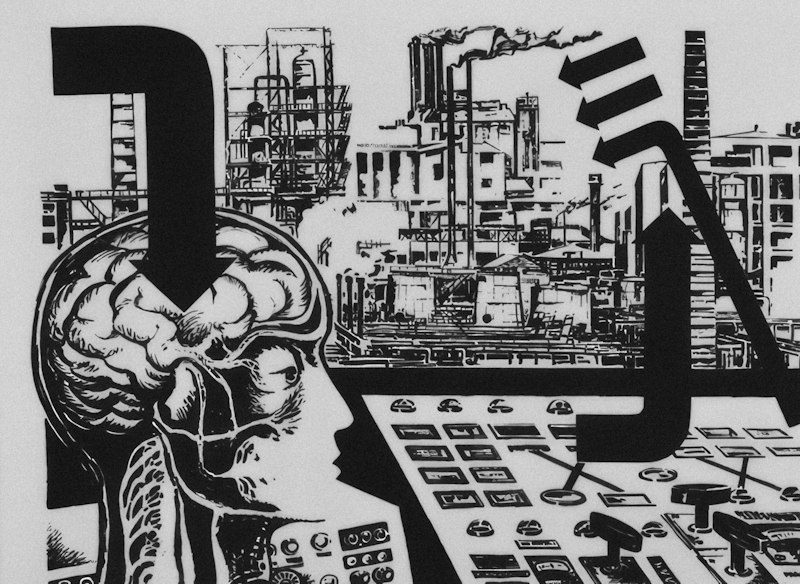
The term pollution, in its fundamental environmental context, refers to the introduction of contaminants—such as toxic agents, chemical substances, or excess energy—into the natural environment that causes adverse change. While traditionally studied within environmental science, the psychological perspective shifts the focus from the material existence of these poisons to their impact on human experience, perception, and behavior. Psychology defines environmental pollution as a significant, often chronic, environmental stressor that affects cognitive functioning, emotional well-being, and social stability. It encompasses not only visible chemical contamination, such as smog or waterborne toxins, but also invisible forms like noise pollution, light pollution, and aesthetic degradation, all of which compromise the quality of life and place a substantial psychological burden on individuals and communities.
The core mechanism through which pollution operates psychologically is the constant imposition of unpredictable or uncontrollable demands on the human system. This lack of control and the perceived threat to health and safety activate the body’s stress response systems. Chronic exposure to stressors, whether physical (like particulate matter damaging the respiratory system) or sensory (like persistent noise), leads to allostatic load, diminishing psychological resources necessary for coping with daily life. Consequently, psychological research examines how exposure to degraded environments contributes to feelings of helplessness, anxiety, and heightened vigilance, fundamentally altering the way people interact with their surroundings and each other.
Furthermore, the psychological study of pollution extends into the realm of risk perception. How individuals interpret and respond to the abstract threat of environmental contamination—often filtered through media reports and political rhetoric—is a critical area of inquiry. A fundamental principle is that the perceived risk of pollution often outweighs the objective risk, particularly when the contamination is invisible, uncontrollable, or affects vulnerable populations, leading to significant emotional distress, even in the absence of acute physical symptoms.
Historical Roots in Environmental Psychology
The systematic study of the psychological effects of environmental conditions gained momentum in the mid-20th century, coinciding with growing public awareness of ecological crises and the rise of specialized fields like Environmental Psychology. While early psychological inquiry focused heavily on controlled laboratory settings, the need to understand human behavior in real-world contexts, particularly urban environments plagued by congestion and noise, spurred this development. Key researchers in the 1960s and 1970s, such as Roger Barker and Harold Proshansky, advocated for ecological validity, moving research out of the lab to study the actual interplay between people and their physical settings, including polluted ones.
Initial studies focused primarily on sensory pollutants, which were more easily quantified and manipulated than chemical toxins. Research into noise pollution, spearheaded by figures like David Glass and Jerome Singer, provided foundational evidence linking chronic, unpredictable noise exposure not only to physiological markers of stress but also to cognitive deficits, particularly in tasks requiring sustained attention and complex problem-solving. These early findings were instrumental in shifting the view of pollution from a purely aesthetic or physical problem to a serious psychological and public health concern. This historical context established that even pollutants that do not directly poison the body can systematically erode mental resources.
The development of Environmental Psychology was intrinsically linked to the broader environmental movement. As large-scale environmental disasters (such as the Love Canal incident) highlighted the devastating, long-term consequences of chemical pollution, psychologists began investigating issues of community disruption, displacement trauma, and chronic fear among affected residents. This research formed the bedrock for understanding environmental injustice—the disproportionate exposure of marginalized communities to pollutants—and its resulting psychological trauma, known today as eco-anxiety and solastalgia.
Mechanisms of Psychological Impact
The psychological impact of environmental pollution is mediated through several interconnected mechanisms. One primary pathway is the **resource depletion model**. Exposure to environmental stressors, such as constant low-level traffic noise or the perpetual awareness of poor air quality, requires continual cognitive effort to filter or ignore. This constant effort exhausts limited cognitive resources, leading to increased cognitive load and ultimately resulting in decreased performance on non-environmental tasks, reduced altruistic behavior, and increased irritability. The psychological system is constantly fighting a battle it cannot win, diverting energy away from constructive engagement.
Another significant mechanism is the disruption of the restorative environment. Natural settings and aesthetically pleasing environments are crucial for psychological restoration, helping individuals recover from the mental fatigue of daily life. Pollution, through visible degradation (litter, smog) or sensory interference (noise, unnatural light), destroys the perceived naturalness and safety of these spaces. When restorative environments become polluted, people lose vital opportunities for psychological recovery, leading to chronic fatigue, decreased resilience, and an exacerbation of baseline mood disorders. This loss of restorative capacity contributes directly to the rise of urban stress and malaise.
Finally, pollution operates through the mechanism of existential threat and uncertainty. Unlike acute dangers, environmental pollution represents a slow, insidious threat to health and future security. This chronic uncertainty generates specific forms of psychological distress, including **eco-anxiety** (fear about ecological disaster) and **solastalgia** (distress caused by environmental change damaging one’s sense of place). These are responses to the perceived loss of a safe, stable future and the degradation of deeply held values regarding the natural world.
Cognitive and Emotional Effects
The cognitive ramifications of chronic pollution exposure are profound and well-documented. Studies have shown that children living in highly polluted urban areas exhibit lower scores on standardized tests related to attention span and working memory compared to their counterparts in cleaner environments. This is often attributed to the combined effects of air pollution impacting neurodevelopment and the compounding factors of noise and socioeconomic stressors often accompanying polluted environments. For adults, chronic exposure is linked to increased difficulties in complex decision-making, reduced tolerance for frustration, and a higher propensity for aggressive behavior, suggesting a direct link between environmental degradation and diminished psychological self-regulation.
Emotionally, the effects range from general malaise to clinical depression. The constant awareness of environmental contamination—whether through visible smog or mandated warnings about water quality—fosters a pervasive sense of powerlessness. This feeling is intensified by the fact that pollution is often caused by large, systemic industrial or governmental forces, making individual mitigation efforts seem futile. This learned helplessness is a significant predictor of depressive symptoms. Furthermore, the loss of communal or cherished natural spaces due to contamination can trigger grief responses, contributing to higher rates of generalized anxiety disorder within affected communities.
Specific emotional responses, such as outrage and cynicism, also arise from the perceived inequity of pollution exposure. Since pollution often disproportionately affects vulnerable and low-income populations, the resulting psychological distress is frequently interwoven with feelings of injustice and anger. This emotional climate can erode social capital and trust in institutions responsible for environmental regulation, creating a societal feedback loop where psychological stress hinders collective action against the source of the pollution itself.
A Practical Example: Noise Pollution in Urban Settings
To illustrate the psychological principle of pollution, consider the common scenario of a resident living near a major urban transit hub or industrial zone, exposed daily to high levels of noise pollution. This is not just an irritation; it is a profound psychological stressor. The resident is constantly bombarded by unpredictable auditory stimuli—trains, sirens, constant traffic—which the brain cannot effectively habituate to because of their varying intensity and timing.
The application of psychological principles in this scenario proceeds through clear steps:
- Initial Exposure and Arousal: The sudden sound of a siren (the pollutant) triggers the sympathetic nervous system, releasing stress hormones (cortisol, adrenaline). The brain interprets the noise as a threat, diverting cognitive resources to monitoring the environment, thus increasing cognitive load.
- Chronic Resource Depletion: Over months or years, the brain remains in a semi-alert state. The constant diversion of cognitive energy to filter out the noise means fewer resources are available for complex tasks like studying, creative problem-solving, or regulating emotions. The individual experiences chronic mental fatigue.
- Behavioral and Emotional Fallout: This depletion manifests behaviorally as increased irritability, reduced patience with family members, and impaired sleep quality. Emotionally, the individual may feel trapped or helpless, as they cannot control the source of the pollution, leading to symptoms consistent with generalized anxiety.
- Long-term Health Impact: Physiologically, the chronic stress response contributes to elevated blood pressure and an increased risk of cardiovascular issues. Psychologically, the lack of restorative quiet spaces means the individual never fully recovers from daily stress, leading to long-term psychological degradation and lowered quality of life.
Significance and Impact
The recognition of pollution as a psychological hazard carries immense significance for public health, urban planning, and policy development. It moves the conversation beyond mere physical toxicity to include the quality of the subjective human experience. Psychology provides the necessary framework to quantify the non-physical costs of environmental degradation, such as reduced productivity, increased healthcare expenses related to stress disorders, and diminished social cohesion. This data is critical for cost-benefit analyses used by policymakers when evaluating environmental regulations.
In applied settings, this concept is highly utilized in urban planning and public health interventions. Urban designers now employ psychological principles to mitigate sensory pollution, focusing on creating acoustic havens, utilizing green infrastructure to absorb noise, and designing pedestrian pathways that buffer residents from traffic. In clinical settings, the understanding of environmental stress informs therapeutic approaches; clinicians recognize that symptoms of anxiety or depression may be rooted in environmental conditions rather than solely internal psychological pathology. Furthermore, the field of Conservation Psychology actively utilizes these findings to design effective communication campaigns, framing environmental issues not just as ecological problems but as direct threats to human mental health and well-being, thus fostering stronger pro-environmental behavior among citizens.
The impact is also seen in global initiatives. Efforts to decrease pollution, as the original statement noted, have been tremendous in the past several decades, driven partly by the realization that clean air and water are fundamental human needs tied directly to psychological thriving. The psychological research provides the impetus for addressing environmental justice, highlighting how systemic pollution creates profound psychological inequalities that require dedicated social and policy interventions.
Connections to Related Psychological Theories
The psychology of pollution is deeply interwoven with several major theoretical frameworks. It draws heavily from **Stress and Coping Theory**, particularly the transactional model proposed by Lazarus and Folkman, which emphasizes that psychological distress arises not just from the presence of a pollutant but from the individual’s appraisal of their ability to cope with it. When pollution is perceived as uncontrollable and irreversible, coping resources are overwhelmed, leading to pathology.
Furthermore, the field connects strongly with **Attribution Theory** and **Risk Perception Theory**. How individuals attribute blame for the pollution (e.g., to corporate negligence versus unavoidable industrial growth) significantly influences their emotional reaction and willingness to engage in activism. Risk Perception Theory explains why visible, dramatic forms of pollution (like a chemical spill) evoke a stronger psychological response than chronic, invisible threats (like microplastics), even if the latter poses a greater long-term hazard.
Finally, the application side of pollution mitigation relies heavily on **Behaviorism** and social cognitive theories. Psychologists utilize principles of operant conditioning and social modeling to encourage pro-environmental behaviors, such as recycling, reducing energy consumption, or advocating for cleaner policies. By framing environmental action as achievable, rewarding, and socially desirable, behavior modification techniques are employed to overcome the learned helplessness often associated with widespread environmental degradation. This entire area of study falls squarely within the subfield of **Environmental Psychology** and its applied branch, Conservation Psychology.