PET Imaging: Mapping the Secrets of the Human Mind
Scientifically Reviewed · Dr. Marwa Abd-Alazim · October 25, 2026
Review Criteria & Clinical Standards
This content undergoes rigorous scientific peer-review and medical editorial standards at Arab Psychology Network to ensure clinical accuracy, validity, and compliance with evidence-based guidelines from leading psychological and healthcare authorities (APA / WHO).
The Core Definition of Positron Emission Tomography
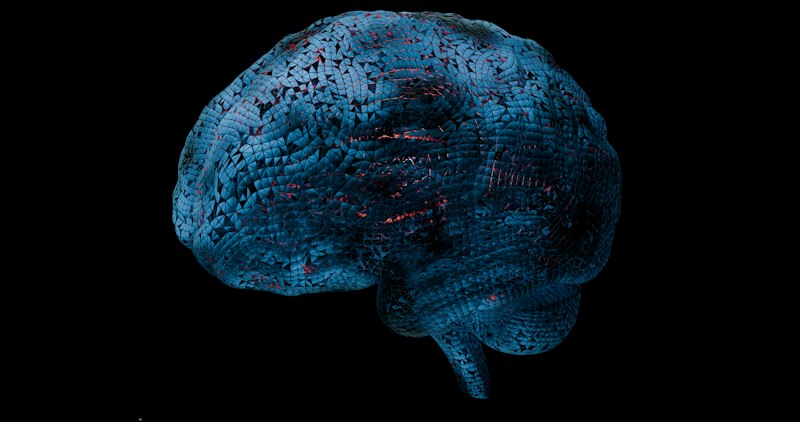
Positron Emission Tomography (PET) is a powerful, non-invasive functional neuroimaging technique utilized across clinical medicine and psychological research to visualize and measure metabolic activity within the body, particularly in the brain. At its most fundamental level, PET assesses cerebral metabolism by tracking the distribution and decay of specially designed radiolabeled tracers as they are metabolized by cells. This method provides dynamic insight into how organs and tissues are functioning, offering a marked contrast to structural imaging techniques like CT or MRI, which only capture anatomical details. The results allow researchers and clinicians to record operational modifications that take place in the brain during the performance of cognitive activities or to detect pathological changes associated with disease.
The fundamental mechanism behind PET relies on the principle of radioactive decay. A small amount of a biologically active molecule—often a glucose analog like Fluorodeoxyglucose (FDG)—is tagged with a positron-emitting radionuclide and injected into the bloodstream. Because neurons are highly demanding metabolically, areas of the brain that are actively engaged in a task or are simply functioning normally will rapidly uptake the tracer. As the radionuclide decays, it emits positrons. These positrons travel a short distance before encountering an electron, leading to an event known as annihilation, which produces two gamma rays traveling in opposite directions. The PET scanner detects these coincident gamma rays, allowing sophisticated computer algorithms to reconstruct a three-dimensional map of the tracer concentration, effectively showing which regions of the brain are most metabolically active at that precise moment.
Historical Context and Development
The conceptual foundation of PET scanning emerged from the field of nuclear medicine in the mid-20th century. Key figures in its development include researchers such as Michel Phelps and Michael Ter-Pogossian, who, working primarily at Washington University in St. Louis during the late 1960s and early 1970s, pioneered the instrumentation and mathematical models necessary to transform the theoretical understanding of positron decay into a practical clinical tool. Their early work focused on developing detectors capable of measuring the coincident gamma rays characteristic of annihilation events, moving beyond the capabilities of earlier single-photon imaging devices.
The critical breakthrough that propelled PET into mainstream neurological and psychological research was the successful labeling of biologically relevant molecules, especially glucose, with short-lived radionuclides like Oxygen-15 and Fluorine-18. Since glucose is the primary energy source for the brain, using FDG allowed scientists to measure the regional cerebral metabolic rate for glucose (rCMRGlc). This provided an unprecedented window into the functional architecture of the living human brain, enabling the mapping of cognitive processes in real-time, something static imaging could not achieve. The initial applications were highly focused on identifying tumors, which exhibit unusually high metabolic rates, but the potential for studying cognitive function soon became evident.
The Mechanism of Tracer Utilization and Detection
The operational efficiency of PET hinges entirely on the careful selection and use of the radiotracer. For psychological and cognitive studies, FDG is the most common tracer because it mimics glucose; active neurons absorb it but cannot fully metabolize it, causing it to accumulate in the highly active areas. Other tracers, however, are designed to bind to specific receptors (e.g., dopamine receptors) or neurotransmitters, allowing researchers to investigate specific neurochemical systems relevant to psychiatric disorders or addiction. The choice of tracer determines the precise physiological function being measured, whether it is blood flow, oxygen consumption, or receptor density.
Once the tracer is injected and distributed throughout the body, the patient is positioned in the ring-like PET scanner, which is lined with thousands of scintillation detectors. When the annihilation event occurs, the resulting gamma rays strike the detectors. Because the two gamma rays are emitted at nearly 180 degrees to each other, the scanner can determine the line of response (LOR) along which the event occurred. By collecting millions of these LORs over the scanning period, sophisticated mathematical techniques, often involving filtered back-projection or iterative reconstruction, are employed to determine the precise point within the brain where the tracer concentration is highest. This computational process translates raw radiation counts into meaningful, spatially resolved images of metabolic activity.
A Practical Example in Cognitive Psychology
To illustrate the application of PET in psychological research, consider a study designed to map the brain regions involved in long-term memory retrieval. In such a scenario, the participant would be prepared for the scan, typically having the FDG tracer injected while resting quietly to establish a baseline metabolic rate. The scan itself would be conducted in two phases, utilizing a technique known as the subtraction method, crucial for isolating specific cognitive processes.
In the first phase, the control condition, the participant might be asked to perform a simple, low-demand task, such as viewing a series of neutral shapes without attempting to remember them. In the second, experimental phase, the participant is presented with a list of words they had previously memorized and asked to actively retrieve those words. The PET scanner records the metabolic activity during both phases. By computationally subtracting the brain activity map generated during the control task from the map generated during the memory retrieval task, researchers are left with a detailed image highlighting only the brain regions—such as the hippocampus, prefrontal cortex, and associated temporal lobe structures—that showed a statistically significant increase in glucose metabolism, thereby confirming their involvement specifically in the process of memory retrieval. This step-by-step application of tracer uptake and differential measurement allows for the functional mapping of complex human cognition.
Significance and Impact in Science and Medicine
The impact of PET on both clinical medicine and the fundamental understanding of the human brain has been profound. In psychological science and cognitive neuroscience, PET provided the first reliable means to directly observe the biological correlates of thought, emotion, and behavior in living human subjects. Before PET, much of the understanding of functional localization came from studying brain injuries or post-mortem analysis. PET allows researchers to connect specific psychological functions (e.g., attention, language production, emotional regulation) to specific neural systems, greatly advancing theories of brain organization and function.
Clinically, PET scanning is invaluable. It is widely used in oncology for cancer staging, determining the efficacy of treatments, and detecting recurrence, as cancerous cells typically exhibit extremely high rates of glucose metabolism. Furthermore, PET has revolutionized the diagnosis and study of neurodegenerative disorders. For instance, FDG-PET scans can reveal characteristic patterns of hypometabolism in the parietal and temporal lobes long before severe cognitive symptoms manifest in patients with Alzheimer’s disease. Specialized tracers are also employed to assess dopamine activity in the basal ganglia, aiding in the early and accurate diagnosis of Parkinson’s disease. The ability to visualize these subtle biological markers makes PET a cornerstone of modern diagnostic imaging.
Advantages and Inherent Limitations
PET offers several distinct advantages over other neuroimaging modalities. Its primary strength lies in its ability to measure true metabolic function, providing quantitative data regarding biochemical processes that other techniques often infer indirectly. For example, while Functional Magnetic Resonance Imaging (fMRI) measures the Blood-Oxygen-Level Dependent (BOLD) signal, which is a proxy for neural activity, PET directly measures the consumption of metabolic substrates or the concentration of specific molecular targets, giving it a unique place in pharmacological research. PET also exhibits very high sensitivity, capable of detecting extremely small concentrations of the radiotracer.
However, PET scanning is not without significant limitations. A major drawback is its poor temporal resolution, which typically spans tens of seconds to several minutes, reflecting the time required for the tracer to uptake and decay sufficiently to generate a clear signal. This poor timing capability makes it difficult to study rapid cognitive events, unlike techniques such as EEG. Furthermore, PET is inherently invasive, subjecting the patient to a small but measurable dose of radiation. Logistically, PET requires access to specialized facilities, often including an on-site or nearby cyclotron to produce the short-lived radioisotopes necessary for the tracers, making it significantly more expensive and less universally available than MRI or CT technology.
Connections to Related Neuroimaging Concepts
PET scanning belongs broadly to the subfield of Cognitive Neuroscience and Biological Psychology, serving as one of the primary tools for investigating the structure-function relationship of the brain. It is often compared and contrasted with other functional neuroimaging techniques. The most prominent comparison is with fMRI. While fMRI offers superior spatial and temporal resolution, PET provides greater flexibility in measuring diverse biological processes depending on the tracer used (e.g., measuring neurotransmitter release, inflammation, or oxygen consumption directly).
Another related technique is Single-Photon Emission Computed Tomography (SPECT), which also uses radioactive tracers but detects only a single gamma ray per decay event rather than the coincident pairs detected by PET. This fundamental difference means PET offers significantly better spatial resolution and sensitivity than SPECT. Often, PET technology is combined with structural imaging technologies, resulting in hybrid scanners like PET-CT or PET-MRI. These combined modalities provide crucial anatomical context for the functional data, allowing researchers to precisely localize metabolic anomalies within the brain’s physical structure, thereby maximizing the diagnostic and research utility of the technique.