Somatosensory Cortex: Mapping Your Brain’s Physical Reality
Scientifically Reviewed · Dr. Marwa Abd-Alazim · August 23, 2026
Review Criteria & Clinical Standards
This content undergoes rigorous scientific peer-review and medical editorial standards at Arab Psychology Network to ensure clinical accuracy, validity, and compliance with evidence-based guidelines from leading psychological and healthcare authorities (APA / WHO).
Introduction and Anatomical Localization of the Postcentral Area
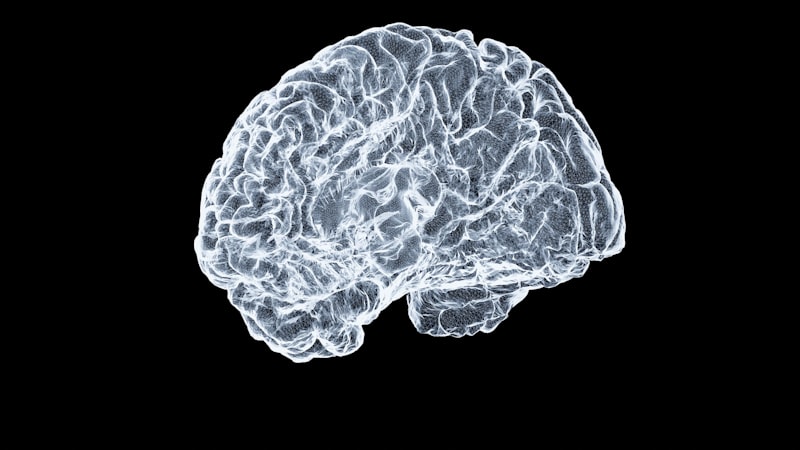
The Postcentral Area refers anatomically to the region of the cerebral cortex situated immediately posterior to the central sulcus, occupying a significant portion of the parietal lobe. This critical neural structure is more precisely identified as the Postcentral Gyrus and serves as the primary receiving station for afferent sensory information originating from the body. It is often designated as the Primary Somatosensory Cortex (S1). Its fundamental role involves the initial processing and interpretation of diverse physical sensations, ensuring the central nervous system maintains a continuous, detailed map of the body’s state and interaction with the external environment. This area is essential not only for conscious perception but also for the critical feedback loops required for skilled motor execution.
The anatomical positioning of the postcentral gyrus, wedged between the frontal lobe (anteriorly, responsible for motor planning) and the remainder of the parietal lobe (posteriorly, responsible for spatial processing), highlights its role as a crucial nexus point. The central sulcus acts as a distinct dividing line, separating the primary somatosensory cortex (S1) from the primary motor cortex (M1) located in the precentral gyrus. This close proximity facilitates rapid communication and integration between sensation and action, a necessity for coordinated movements such as grasping or balancing. Furthermore, the structural integrity of the area is supported by complex layers of neuronal tissue that are organized specifically to rapidly decode the electrical signals transmitted via the thalamus from peripheral receptors throughout the body.
Histologically, the postcentral area is composed of several distinct regions, defined by Brodmann as Areas 1, 2, 3a, and 3b, with Area 3b generally considered the true primary somatosensory receiving zone. Area 3b receives the densest projections from the ventroposterior nucleus (VPN) of the thalamus, acting as the gateway for somatic sensations. Areas 1 and 2 then process this information further, integrating textural and spatial details (Area 1) and joint/pressure information (Area 2). This intricate, hierarchical processing system ensures that raw sensory data is rapidly transformed into meaningful, contextual information concerning touch, pressure, vibration, temperature, and nociception, all within the confines of the parietal lobe’s anterior boundary.
The Primary Somatosensory Cortex (S1) Functionality
The functional significance of the S1 within the postcentral area lies in its capacity to translate raw electrical impulses into conscious perception of bodily states. It acts as the initial site where the intensity and quality of somatosensory stimuli are systematically analyzed and categorized. Neurons within this region possess highly specific receptive fields, meaning they are tuned to respond optimally to particular types of stimulation, such as light pressure, deep stretching, or temperature shifts. This specialization allows for the remarkable precision inherent in the human sensory system, enabling the distinction between subtle variations in texture or the precise localization of a painful stimulus on the skin.
The integration of information within S1 is a complex process that extends beyond simple signal relay. The cortex performs advanced processing, including lateral inhibition, which sharpens the contrast between adjacent stimuli, thereby enhancing two-point discrimination. For instance, when two closely placed stimuli activate neighboring neurons, the stronger signal inhibits the weaker signal surrounding it, making the perception of two distinct points much clearer than it would be without this cortical refinement. This sophisticated neural mechanism is foundational to tasks requiring fine motor control and high tactile acuity, such as reading Braille or identifying objects solely by touch.
Moreover, the postcentral area is intrinsically linked to memory and learning concerning sensory experiences. While S1 handles immediate perception, it collaborates extensively with secondary somatosensory areas (S2) and the posterior parietal cortex to integrate sensory data with spatial awareness and motor intent. This functional connectivity allows individuals to learn to associate specific textures or temperatures with objects, building a library of sensory memories that inform future interactions. The plasticity of S1 is also noteworthy; research indicates that the cortical representation within this area can change dramatically following injury, intensive training, or amputation, demonstrating the brain’s incredible capacity for adaptation and reorganization of sensory mapping.
Somatotopic Organization: The Sensory Homunculus
A defining characteristic of the postcentral area is its strict somatotopic organization, a principle articulated by the concept of the Sensory Homunculus. This term refers to the distorted, map-like representation of the human body projected onto the surface of the primary somatosensory cortex. The map is ordered spatially, with adjacent body parts generally represented by adjacent cortical areas. For example, the representation of the foot is situated near the apex of the gyrus (medial surface), while the face and tongue are mapped near the base (lateral surface), close to the Sylvian fissure. This orderly arrangement ensures efficiency in processing and integration of related sensory input from contiguous areas of the body.
Crucially, the Sensory Homunculus is not proportionate to the actual size of the body parts but rather to the density of sensory innervation and the functional importance of that region. Areas demanding high sensory resolution, such as the lips, tongue, and especially the hands (fingers and palm), occupy vastly disproportionate areas of the S1 cortex compared to larger, less sensitive areas like the trunk or upper arm. This magnification reflects the evolutionary importance of these areas for complex tasks like exploration, communication, and fine motor manipulation. The greater the dedicated cortical real estate, the finer the detail and precision with which sensory input from that body part can be processed and interpreted.
The existence of the Homunculus is not merely an anatomical curiosity; it is clinically significant. Damage to specific regions of the postcentral gyrus results in predictable sensory deficits corresponding precisely to the affected body part on the map. For instance, a small stroke impacting the superior portion of the gyrus would likely impair sensation in the lower limb, while a lesion affecting the lateral aspect would result in sensory loss primarily in the face and hands. Furthermore, the Homunculus is highly plastic, meaning its boundaries can shift. If a finger is amputated, the cortical area previously dedicated to that finger may be quickly recruited by neighboring digits or parts of the hand, illustrating the continuous functional reassignment that occurs within the adult brain.
Processing Tactile and Discriminative Touch
The interpretation of tactile stimulation is one of the primary responsibilities of the postcentral area. Tactile input begins at the peripheral level through various mechanoreceptors embedded in the skin, such as Meissner’s corpuscles, Pacinian corpuscles, and Merkel cells, each tuned to different aspects of touch, including pressure, vibration, and indentation. These signals ascend via the dorsal column-medial lemniscus pathway, which is responsible for carrying fine touch and proprioceptive information with high spatial fidelity, ensuring that the necessary detail reaches the cortical level of the postcentral area for conscious awareness.
Within the S1 cortex, the processing of discriminative touch is paramount. This involves the ability to distinguish between subtle differences in stimuli, such as texture, shape, and size, without visual input. This complex task requires the simultaneous integration of signals reporting intensity, location, and temporal characteristics. For example, when running a finger across a piece of sandpaper, the rapidly adapting mechanoreceptors report the vibratory quality (texture), while slowly adapting receptors report continuous pressure and shape. The neurons in S1 synthesize these disparate signals into a unified, coherent perception of the object’s surface properties, enabling recognition and appropriate behavioral response.
Deficits in the processing of discriminative touch arising from damage to the postcentral area lead to conditions like astereognosis, the inability to identify an object purely by touch despite intact primary sensory modalities (i.e., the person can feel something is touching them, but cannot recognize what it is). This demonstrates that S1’s function goes beyond mere sensation; it involves the crucial step of attributing meaning and identity to the sensory input. The ability to localize touch with precision is also managed here, requiring the precise mapping provided by the Homunculus to accurately place the stimulus on the body surface, a function vital for avoiding harm and for effective interaction with the physical world.
Role in Proprioception and Kinesthesis
Beyond external tactile senses, the postcentral area plays an equally critical role in processing proprioception and kinesthesis, the internal senses of body position and movement, respectively. Proprioceptive input, originating from specialized receptors such as muscle spindles (detecting muscle length and stretch) and Golgi tendon organs (detecting muscle tension), provides continuous, non-visual feedback regarding the static position of limbs and joints. This information is crucial for maintaining posture, balance, and knowing where one’s body parts are located in space without having to look at them.
Kinesthesis, often considered the dynamic aspect of proprioception, provides information about the speed, direction, and trajectory of movement. The neurons in Brodmann Area 3a, which receives significant input from muscle spindles, are particularly specialized for this dynamic feedback. The integration of proprioceptive and kinesthetic data within the postcentral area is indispensable for the smooth execution of voluntary movements. Without accurate internal feedback, movements would be jerky, imprecise, and poorly coordinated, highlighting the postcentral area’s foundational contribution to the sensorimotor loop.
The constant interplay between the sensory input processed in S1 and the motor commands generated in the adjacent motor cortex (M1) allows for continuous error correction during movement. If, for example, a movement requires lifting an object of unknown weight, the initial motor command may be insufficient. The resulting sensory feedback processed in S1—reporting the lack of expected muscle tension or joint displacement—immediately triggers adjustments in M1, refining the force applied. This rapid, iterative feedback loop, heavily dependent on the integrity of the postcentral area, is essential for complex tasks ranging from walking on uneven ground to performing delicate surgery.
Integration of Gustatory (Taste) Information
Although the postcentral area is overwhelmingly associated with somatosensory processing, it also incorporates sensory input related to taste, or gustation, a detail often overlooked but critical in clinical contexts. The primary cortical area for taste reception is generally located in the insula and the adjacent frontal operculum. However, significant integration and secondary processing of gustatory information occur in the parietal operculum, which lies close to the lateral aspects of the postcentral gyrus and is functionally linked to the S1 region.
The close functional relationship between somatosensory and gustatory processing is intuitive, as the experience of eating involves not only chemical detection (taste) but also textural and temperature information (somatosensory input) from the mouth and tongue. Neurons in this adjacent postcentral region likely merge these distinct forms of sensory data to create a unified perception of flavor, which is a composite of taste, smell, and tactile qualities. For example, the perception of a spicy meal involves both chemosensory detection of capsaicin (which is registered as pain/temperature by S1 input) and the basic taste qualities registered elsewhere.
Clinical evidence strongly supports the involvement of this area in gustatory function. As observed in the original description, taste reception has been known to be severely affected whenever trauma injures the postcentral area, particularly lesions extending into the lower lateral aspect of the gyrus and the surrounding operculum. Injury here can lead to ageusia (loss of taste) or dysgeusia (distorted taste perception), confirming that the postcentral region and its immediate neighboring structures are crucial for the cortical representation and processing of oral sensations, extending its role beyond mere skin and joint awareness.
Lesions, Trauma, and Related Syndromes
Damage to the postcentral area, typically caused by ischemic stroke, hemorrhage, traumatic brain injury (TBI), or tumors, results in significant and often devastating sensory deficits contralateral (on the opposite side) to the lesion. The most common presentation is a reduction or complete loss of sensation, known as anesthesia or hypesthesia. Unlike motor damage, which results in paralysis, damage to S1 primarily impairs the ability to feel and interpret touch, temperature, and pain, though motor function remains technically possible (albeit severely uncoordinated due to lack of sensory feedback).
A particularly disabling syndrome related to S1 damage is the loss of fine discriminative abilities, leading to conditions such as agraphognosia (inability to recognize letters or shapes traced on the skin) and the aforementioned astereognosis. The inability to integrate tactile information prevents the victim from performing simple daily tasks that rely on touch feedback, such as handling keys, buttoning a shirt, or distinguishing coins in a pocket. Furthermore, lesions in the thalamic pathways projecting to S1, or within the cortex itself, can sometimes paradoxically lead to chronic pain syndromes, such as central post-stroke pain (or thalamic pain syndrome), where the affected side experiences severe, intractable pain despite the absence of external painful stimuli.
The sensory deficits resulting from postcentral area injury underscore its vital role in quality of life and physical autonomy. Rehabilitation often focuses on retraining the remaining sensory pathways and promoting cortical plasticity, attempting to reassign sensory functions to adjacent, undamaged cortical areas. Understanding the precise somatotopic organization of the S1 cortex allows clinicians to accurately predict the location and extent of neurological damage based solely on the pattern of sensory loss observed during neurological examination, providing a crucial diagnostic tool for localizing cerebral lesions.