Postural Arm Drift: Decoding Hidden Neurological Cues
Scientifically Reviewed · Dr. Marwa Abd-Alazim · August 21, 2026
Review Criteria & Clinical Standards
This content undergoes rigorous scientific peer-review and medical editorial standards at Arab Psychology Network to ensure clinical accuracy, validity, and compliance with evidence-based guidelines from leading psychological and healthcare authorities (APA / WHO).
Introduction and Core Definition
The concept of Postural Arm Drift (PAD), often synonymously referred to in clinical settings as the Parietal Drift, describes the subtle, involuntary deviation of the arms from an initial static position when the individual is instructed to hold them outstretched, typically with eyes closed. This phenomenon is not merely a sign of physical fatigue but serves as a crucial, non-invasive diagnostic indicator in the field of neurology, suggesting potential impairments in the complex systems responsible for maintaining body schema and spatial orientation. The core requirement for eliciting this drift is the removal of visual feedback, forcing the brain to rely solely on internal sensory inputs—namely, proprioception and vestibular function—to maintain the limb’s position against gravity.
The fundamental mechanism underlying PAD involves the failure of higher cortical centers to accurately process and counteract the continuous, subtle forces acting upon the limbs. When the eyes are closed, the brain must continuously monitor muscle tension and joint angles to keep the arms stable. A drift occurs when there is an asymmetrical or impaired ability to integrate this sensory information, leading to uncorrected, progressive movement. Characteristically, when PAD is symptomatic of specific neurological lesions, the drift often manifests as a slow, deliberate movement, frequently tending toward the body’s midline, although upward or downward drifts can also indicate different types of underlying pathology, requiring careful observation by the examining clinician.
While a slight, momentary oscillation is normal even in healthy individuals, true Postural Arm Drift is defined by a sustained, observable deviation that the patient is often unaware of until their eyes are reopened. The direction and quality of the drift provide vital clues regarding the location of the neurological impairment, distinguishing between primary motor pathway dysfunction and deficits in sensory integration or spatial neglect. This simple test, therefore, provides profound insight into the integrity of the sensorimotor loop, which is essential for all coordinated movement and environmental interaction.
Mechanism and Neurological Basis
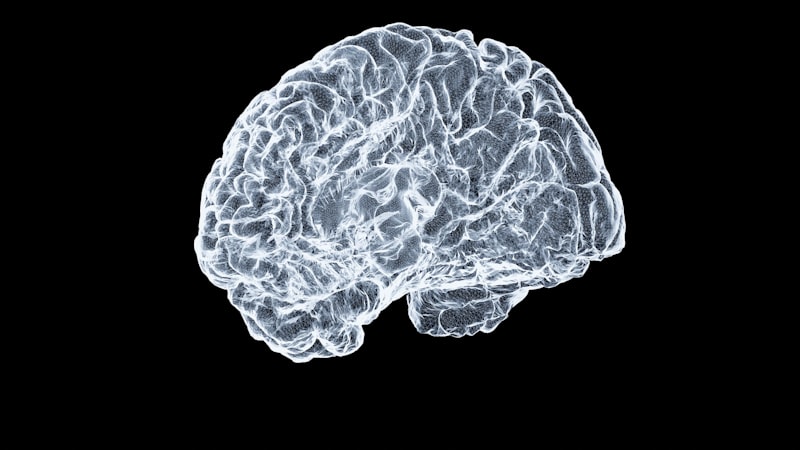
The ability to hold the arms outstretched and motionless requires the constant, sophisticated coordination of three primary neurological systems: the motor system (pyramidal and extrapyramidal tracts), the sensory system (specifically proprioception), and the cerebellar system (coordination and balance). Postural Arm Drift primarily localizes deficits within the sensory integration pathways, heavily relying on the structural integrity of the parietal lobe. The parietal lobe is the epicenter for processing spatial awareness, body image (somatognosis), and integrating tactile and positional feedback from the limbs.
When a patient closes their eyes, the visual system—a powerful compensatory mechanism for spatial positioning—is immediately removed from the equation. The brain must then rely on proprioceptive feedback—the unconscious sense of where the joints and muscles are located in space. If the Parietal Lobe is damaged, particularly in the non-dominant hemisphere (often the right side, responsible for large-scale spatial attention regardless of handedness), the brain fails to register the minor positional errors that accumulate over time. This lack of corrective sensory integration results in the arm slowly drifting out of position, often towards the midline, which is a classic manifestation of parietal neglect or impaired spatial representation.
It is crucial to differentiate Postural Arm Drift stemming from sensory integrative failure (parietal pathology) from drift caused by simple motor weakness (pyramidal tract lesions). In cases of mild motor weakness, the arm tends to drift downward (a phenomenon known as pronator drift) due to an inability to maintain muscle tone against gravity, and the palm often pronates (turns inward). Conversely, a true parietal drift often involves a more complex movement, typically a gradual upward or inward drift, sometimes without pronation, reflecting a deeper disturbance in the internal map of where the limb should be positioned relative to the rest of the body and external space. This distinction makes PAD a refined tool for lesion localization within the central nervous system.
Historical Context and Clinical Origin
The history of Postural Arm Drift is intertwined with the broader development of standardized neurological examinations designed in the mid-to-late 19th and early 20th centuries to localize brain injury before the advent of modern imaging techniques like MRI and CT scans. Neurologists sought simple, reliable bedside tests that could quickly establish whether a patient’s symptoms were due to a generalized functional disorder or a specific structural lesion. The concept emerged from tests designed to assess equilibrium and motor coordination, similar to the protocols established by clinicians such as Heinrich Romberg.
While specific attribution to a single psychologist or neurologist for the isolation of the “parietal drift” phenomenon is challenging, its systematic incorporation into the standard neurological battery was a collective effort focused on refinement. Early tests, such as the Romberg Test (which assesses lower limb stability and balance with eyes closed), provided the foundation. Clinicians realized that testing the upper limbs in a static, non-visualized state could similarly reveal subtle, unilateral cortical deficits. The recognition that a drift without concurrent gross motor weakness strongly pointed toward deficits in spatial processing solidified its role as a key indicator of parietal lobe dysfunction, distinguishing it from purely cerebellar or motor pathway issues.
The test’s clinical utility grew significantly as understanding of the cortical localization of function deepened. During the period of neurological mapping, clinicians observed that patients with confirmed lesions in the posterior parietal cortex—resulting from stroke, trauma, or tumor—exhibited this distinct type of drift, often accompanied by other symptoms of hemispatial neglect. This observation formalized the test as a specific probe for assessing the integrity of the spatial awareness networks, making it an indispensable part of routine clinical neurological screening, especially for subtle deficits following minor head injury or transient ischemic attacks (TIAs).
Diagnostic Procedure and Clinical Observation
The execution of the test for Postural Arm Drift is deceptively simple but requires strict adherence to protocol to yield reliable diagnostic information. The patient is typically asked to stand or sit comfortably and extend both arms forward, parallel to the floor, with the palms facing upward (supination) or sometimes downward (pronation), depending on the specific focus of the test. The critical step is instructing the patient to close their eyes and hold the position perfectly still for a duration, usually between 30 and 60 seconds.
The clinician meticulously observes the patient’s arms for any deviation. Several types of drift can be noted, each pointing toward a different neurological locus. If the arm gradually drops downward, often accompanied by the palm turning inward (pronation), this is a classic pronator drift, highly suggestive of pyramidal tract involvement, indicating subtle contralateral motor weakness (upper motor neuron lesion). If the arm drifts upward or laterally, or if the drift is characterized by pronounced ataxia or oscillation, this may suggest cerebellar pathology. However, the specific Parietal Drift is characterized by a slow, sustained movement of the arm, often upward and inward toward the midline, frequently without pronation, indicating a breakdown in the spatial integration provided by the parietal cortex.
The detailed observation during the test extends beyond the movement itself to include awareness and compensatory effort. A patient with a true parietal deficit may be completely unaware that their arm is drifting, even when questioned, reflecting the underlying neglect of the affected side of space. Conversely, a patient experiencing pure motor weakness will often attempt to visibly correct the drift but fail due to muscle fatigue or weakness. The combination of the type of drift, the direction of movement, and the patient’s subjective awareness (or lack thereof) allows the clinician to perform a sophisticated differential diagnosis solely through careful, non-invasive observation at the bedside.
A Practical Example of Postural Arm Drift
To illustrate the application of Postural Arm Drift, consider a hypothetical patient, Mr. Harris, who recently experienced a minor stroke (cerebrovascular accident, CVA) affecting a small area of the right posterior parietal lobe. Mr. Harris reports no obvious paralysis and can lift objects with both arms equally well, suggesting that his primary motor pathways (pyramidal tracts) are largely intact. However, he has begun exhibiting very subtle signs of spatial difficulty, such as bumping into doorframes on his left side.
During the neurological examination, the clinician asks Mr. Harris to participate in the Postural Arm Drift test.
- The clinician instructs Mr. Harris to stand and stretch both arms straight out in front of him, keeping them level and parallel, with palms facing up.
- Mr. Harris is then told to close his eyes and hold this position absolutely still for one minute, focusing on maintaining the position through internal sensation alone.
- The “How-To”: Within 20 seconds, the clinician observes that Mr. Harris’s left arm begins a slow, deliberate drift. Unlike a pronator drift, the arm does not simply drop due to weakness; rather, it slowly moves upward and slightly inward, crossing the midline. This deviation is subtle and continuous.
- Upon completion of the test, when asked about the position of his arms, Mr. Harris confidently states that both arms remained perfectly still and level throughout the minute. This complete lack of conscious awareness regarding the significant deviation of his left arm is the key indicator of a sensory integrative deficit stemming from the damaged right parietal lobe—the side responsible for processing the spatial location of the left half of the body. The drift itself is the physical manifestation of the brain’s failure to maintain an accurate internal representation of the left arm’s position in space.
Significance and Impact in Clinical Psychology
The clinical significance of Postural Arm Drift lies in its unparalleled ability to detect and localize subtle lesions that might otherwise be missed by gross motor testing. In the context of modern neuropsychology and behavioral neurology, PAD is considered a cornerstone test for assessing the integrity of spatial awareness and body schema. Its primary importance is the differentiation between functional disorders, primary motor weakness, and higher-order sensory integrative deficits.
This concept is highly valuable in the fields of stroke rehabilitation and traumatic brain injury (TBI) assessment. Detecting a parietal drift early can guide therapeutic intervention, indicating that the patient requires focus not just on physical strengthening, but on cognitive and perceptual retraining aimed at correcting the disturbed internal body map. For instance, if PAD is detected, therapists know they must address issues related to hemispatial neglect or extinction, which require specialized visual scanning and attention exercises, rather than only focusing on traditional strength training for weakness.
Furthermore, in diagnostic neurology, PAD helps refine the understanding of complex disorders like peripheral neuropathy versus central nervous system pathology. If a patient exhibits drift but the primary motor strength is preserved, the focus shifts immediately to cortical areas, particularly the sensory association cortices. The elegance of Postural Arm Drift is that it leverages the body’s natural reliance on internal feedback mechanisms, providing a window into the silent, unconscious processes of spatial regulation that are critical for everyday functioning and interaction with the environment.
Connections and Relations to Other Concepts
Postural Arm Drift belongs primarily to the subfield of Behavioral Neurology and Clinical Neuropsychology, as it bridges the assessment of motor function with higher-level cognitive processes such as spatial awareness and attention. Its understanding requires familiarity with several related concepts and diagnostic tests.
One of the most closely related concepts is the Romberg Test. Both tests assess the ability to maintain static posture by removing visual input, thereby forcing reliance on proprioception. However, the Romberg Test focuses on the lower limbs and trunk, primarily testing spinal cord sensory pathways and vestibular function, whereas PAD specifically targets the cortical integration of upper limb proprioception, often localizing the issue to the parietal lobe. Similarly, tests of Vestibular Function, which assess the inner ear’s role in balance, are often performed concurrently to rule out peripheral balance issues as the cause of generalized instability.
Another key connection is to the concept of Hemispatial Neglect, a condition in which the patient fails to report, respond to, or orient to meaningful stimuli presented on the side opposite a brain lesion (usually right parietal). Postural Arm Drift is frequently one of the subtler motor manifestations of neglect, showing that the brain is not only ignoring external stimuli on the affected side but is also failing to monitor the position of the corresponding limb. Finally, the phenomenon is conceptually linked to the broader psychological theory of Body Schema, which is the dynamic, internal representation of the body’s position in space. PAD indicates a distortion or failure in the integrity of this crucial internal schema, demonstrating its profound importance in both clinical assessment and theoretical models of embodied cognition.