Precision Grip: Mastering the Art of Human Dexterity
Scientifically Reviewed · Dr. Marwa Abd-Alazim · September 6, 2026
Review Criteria & Clinical Standards
This content undergoes rigorous scientific peer-review and medical editorial standards at Arab Psychology Network to ensure clinical accuracy, validity, and compliance with evidence-based guidelines from leading psychological and healthcare authorities (APA / WHO).
Definition and Fundamental Characteristics
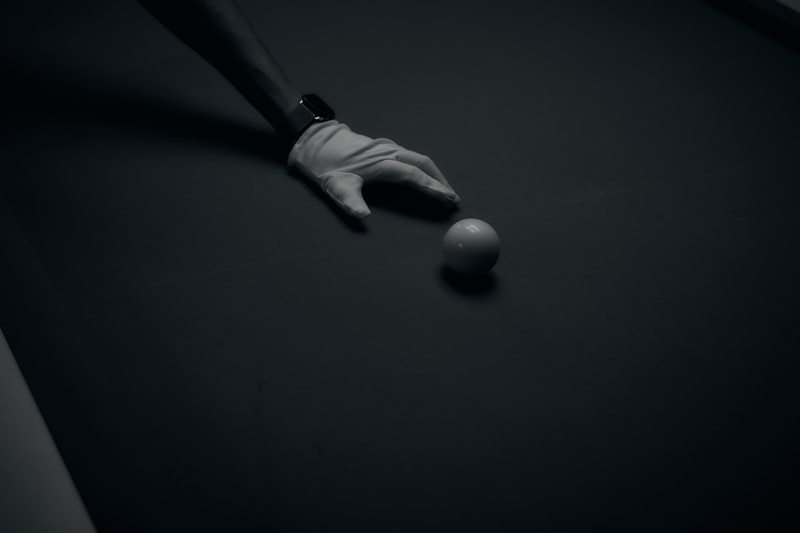
The precision grip, often referred to synonymously as the pincer grasp or prehension, represents a highly refined motor action crucial for human interaction with the environment, defined fundamentally as the method of securing an item utilizing the opposed tactile pads of the tips of the fingers, predominantly the index finger, and the thumb. This intricate manipulative movement allows for the execution of delicate tasks requiring fine motor control, such as threading a needle, writing, or manipulating small instruments, establishing it as a hallmark of primate manual dexterity and a primary distinguishing feature in the comparative analysis of motor capabilities across species. Its efficacy relies heavily on the ability of the central nervous system to precisely coordinate intrinsic and extrinsic hand muscles, ensuring adequate force application—just enough to prevent slippage without crushing the held object—and maintaining stable orientation throughout the duration of the task, thereby facilitating complex exploratory and operative behaviors. Unlike gross motor movements, the precision grip is fundamentally about sensory feedback integration, where mechanoreceptors provide continuous information regarding object texture, weight, and friction, allowing for constant, minute adjustments to the gripping force and configuration, cementing its role as a key component of sensorimotor integration.
This specialized form of prehension is typically classified further based on the fingers involved, most commonly manifesting as the two-jaw chuck (thumb and index finger) or the three-jaw chuck (thumb, index, and middle finger), depending on the size and shape of the object being handled, demonstrating remarkable versatility within its operational parameters. The successful execution of a precision grip demands exceptional kinaesthetic awareness and proprioceptive input, allowing the individual to determine the exact spatial relationship between the digits and the target object even before physical contact is made, a process heavily mediated by cortical areas responsible for spatial mapping and motor planning. Furthermore, the selection of a precision grip over other forms of manual grasp is dictated by the task goal—specifically, when the object must be stabilized for fine manipulation or when the object’s small size necessitates contact predominantly through the distal phalanges, maximizing the concentration of pressure on a minimal surface area. The inherent complexity of this grip underscores its fragility in the face of neurological impairment or musculoskeletal injury, highlighting its dependence on an intact peripheral nervous system and healthy joint function, particularly the mobility of the thumb’s saddle joint.
The functional importance of the precision grip extends far beyond simple holding, fundamentally enabling tool use and the development of specialized human skills that require high spatial and temporal accuracy, influencing areas ranging from art and craftsmanship to surgery and engineering. Research has shown that the grip force applied during precision handling is dynamically adjusted not only based on the object’s physical properties but also based on the perceived stability and context of the ongoing action, indicating a strong cognitive overlay influencing purely physical parameters. Maintaining a stable precision grip requires sustained isometric contraction in numerous hand muscles, demanding significant muscular endurance and precise antagonistic muscle balance to counteract destabilizing forces, particularly when the hand is oriented against gravity or when external perturbations are encountered. Therefore, the capacity for fine motor control inherent in the precision grip is not merely a mechanical achievement but a profound reflection of advanced sensorimotor processing and cortical mapping unique to higher-order mammals.
Biomechanical Foundation and Musculoskeletal Synergy
The biomechanics underlying the precision grip are exceptionally complex, requiring precise coordination between the wrist stabilizers, the extrinsic flexor and extensor muscles originating in the forearm, and the intrinsic muscles situated entirely within the hand, primarily the thenar and hypothenar groups responsible for thumb opposition and digital abduction/adduction. The anatomical structure of the human hand, particularly the length and mobility of the fingers relative to the opposable thumb, provides the mechanical leverage necessary for achieving the opposition required for precision tasks, where the thumb pad precisely meets the pads of the index or middle finger, creating a closed kinematic chain that securely envelops the small object. Critical to this synergy is the intricate interplay of the flexor digitorum profundus and superficialis muscles, which control finger flexion, balanced by the extensors, preventing unwanted curling or hyperextension, while the intrinsic muscles—like the lumbricals and interossei—fine-tune the metacarpophalangeal and interphalangeal joint angles, ensuring optimal contact geometry.
The stability of the grip is heavily dependent upon the integrity of the joints, most notably the carpometacarpal joint (CMC) of the thumb, which acts as a saddle joint allowing rotation and wide range of motion essential for successful opposition against the fingers, forming the critical pivot point for fine manipulation. Furthermore, the alignment of the wrist must be carefully controlled, often maintained in slight extension by the wrist extensors, which places the finger flexors at an optimal length-tension relationship, maximizing their force production efficiency and preventing wrist collapse during sustained gripping actions. Electromyographic studies confirm that during a precision grip, the activation sequence and intensity of these muscles are highly regulated, showing anticipatory recruitment patterns based on visual and tactile cues about the object, demonstrating a sophisticated system of feedforward and feedback control mechanisms working in unison. Any compromise to these biomechanical components, such as arthritis affecting the CMC joint or neuropathy affecting intrinsic hand muscles, severely degrades the ability to maintain necessary stability and force modulation for precision tasks.
Force control during the precision grip is perhaps its most remarkable biomechanical achievement, involving a dynamic balance between the tangential forces required to prevent the object from slipping and the normal forces applied perpendicular to the contact surface, which collectively determine the overall grip strength applied. This delicate force scaling is continuously modulated based on the coefficient of friction between the skin and the object, where rougher surfaces require less normal force for stabilization than smoother surfaces, minimizing fatigue while ensuring security. The specialized nature of the digital pads, equipped with papillary ridges and dense innervation, maximizes frictional adherence and sensory input, further optimizing the force demands. Thus, the mechanical efficiency of the precision grip is a direct result of evolutionary adaptations that optimized the skeletal structure and muscular architecture of the hand specifically for highly nuanced manipulation rather than sheer crushing power.
Distinctions from the Power Grip Taxonomy
While both the precision grip and the power grip are fundamental forms of prehension, they serve distinct functional purposes and utilize fundamentally different biomechanical and muscular strategies, making their differentiation critical in motor classification and rehabilitation science. The primary distinction lies in the role of the fingers and the thumb: the precision grip involves manipulation primarily using the tips of the digits and the thumb pad, allowing the object to be held away from the palm, enabling fine, independent movement of the object. Conversely, the power grip—used for tasks requiring maximum force application, such as hammering or carrying heavy items—involves securing the object firmly against the palm, utilizing the full length of the fingers and the thumb acting as a counter-support, thereby maximizing the surface contact area and muscle recruitment for stability and strength.
Muscular involvement also dramatically differs; the precision grip relies heavily on the intrinsic hand muscles (lumbricals and interossei) for fine positional adjustments and precise force application, whereas the power grip primarily recruits the much stronger extrinsic forearm muscles (long flexors) to generate bulk force. Furthermore, the posture of the wrist and fingers during the two types of grips varies significantly: the precision grip often involves an extended wrist and partially extended fingers, ensuring maximum dexterity, while the power grip typically involves flexion of the wrist and fingers in a hook or cylindrical configuration, optimizing the transmission of force proximally through the forearm. This functional dichotomy means that damage to the intrinsic muscles (e.g., Ulnar nerve injury) severely impairs precision grip function, while damage to the long forearm flexors impacts power grip strength more acutely, although both systems are interconnected.
The goal of the movement dictates which grip is selected; the precision grip is oriented towards exploration and manipulation—tasks that prioritize accuracy and sensory feedback, such as handling a key or painting—whereas the power grip is geared towards stability and force transmission, such as grasping a shovel or pulling a rope. In many complex tasks, the two grips operate sequentially or co-operatively; for example, a power grip might be used to lift a large container, but a precision grip is immediately required to manipulate the smaller lid or pour the contents. Understanding this fundamental taxonomic distinction is vital for clinicians assessing hand function, as it allows for targeted diagnostic testing and the development of specific rehabilitation programs aimed at restoring the particular motor capabilities required for daily living and occupational tasks.
Developmental Trajectory and Acquisition in Infancy
The acquisition of the precision grip represents a significant cognitive and motor milestone in human development, typically emerging fully developed around the age of nine to twelve months, following a predictable sequence of grasping behaviors that progress from rudimentary palmar reflexes to highly differentiated digital control. Initially, infants utilize the ulnar palmar grasp, where objects are secured using the pinky side of the hand and the palm, lacking the necessary thumb opposition or digital independence. This is gradually replaced by the radial palmar grasp, which involves the index finger and thumb side of the palm, marking the beginning of purposeful engagement of the radial digits, setting the stage for more advanced prehension skills. The transition to a mature precision grip—the ability to pick up tiny objects like crumbs or pebbles using the tips of the index finger and thumb—signifies maturation in cortical pathways and significant advancement in visual-motor integration.
The refinement of the precision grip is intrinsically linked to the development of ocular-motor coordination, allowing the infant to visually guide the hand to the target object with increasing accuracy and efficiency, a process known as visually-guided reaching. As infants practice grasping, they refine their ability to scale the grip aperture (the distance between the thumb and finger) anticipatorily, based on the perceived size of the object, reducing wasted movement and improving the speed of object acquisition. This developmental process is not merely mechanical but highly dependent on sensory experience; repeated tactile exposure allows the infant’s nervous system to calibrate the necessary forces required to handle different materials, moving from an initially excessive grip force to one that is optimally modulated for stability and ease. The emergence of this pincer movement is often considered a critical indicator of normal neurological development, as delays can sometimes signal underlying motor or cognitive deficits requiring early intervention.
Furthermore, the establishment of a reliable precision grip facilitates exploration and cognitive development by enabling the infant to manipulate objects in new ways, such as turning, placing, or combining items, directly influencing problem-solving skills and spatial reasoning. The continuous practice of these fine motor skills strengthens the neural pathways connecting the motor cortex, cerebellum, and basal ganglia, solidifying the complex motor programs required for sustained skilled activity. Research suggests that environmental factors, such as the availability of small, manipulable toys and parental encouragement of independent feeding, play a crucial role in accelerating and refining the trajectory of precision grip development, emphasizing the interplay between biological readiness and environmental stimulation in achieving motor mastery.
Neural Substrates and Motor Command Systems
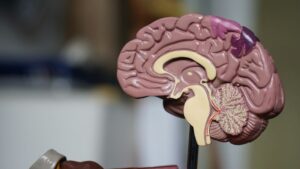
The execution and modulation of the precision grip are governed by highly complex neural substrates involving multiple cortical and subcortical regions, demonstrating the depth of integration required for fine motor control. The primary initiation pathway originates in the Primary Motor Cortex (M1), which relays the motor command down the corticospinal tract, particularly those fibers controlling the distal musculature of the hand, which are known to be somatotopically represented with disproportionately large cortical areas dedicated to the fingers and thumb. However, effective precision gripping relies heavily on pre-motor and supplementary motor areas (PMA and SMA) for planning the grasping action, determining the appropriate grip aperture, and anticipating the required force based on visual and stored knowledge of the object’s properties before movement initiation.
Crucially, the Cerebellum plays a vital role in coordinating the timing and smoothness of the precision grip, acting as an error-correction mechanism that compares the intended motor output with the actual sensory feedback, allowing for immediate, non-conscious adjustments to grip force and trajectory during the movement. Simultaneously, the Basal Ganglia contribute to the selection and initiation of the appropriate motor program, suppressing competing or irrelevant movements, ensuring that the selected precision grip is executed efficiently and without tremor. This complex interplay ensures that the grip is not a static command but a dynamically controlled process, adapting instantaneously to changes in object position or external resistance, highlighting the system’s remarkable capacity for real-time sensorimotor integration.
The indispensable role of sensory feedback in precision gripping is mediated through the dense network of tactile receptors (Meissner’s corpuscles, Merkel cells) located in the digital pads, which transmit information via the dorsal column-medial lemniscus pathway to the Somatosensory Cortex (S1). This constant stream of afferent data informs the motor control system about slippage, pressure distribution, and texture, allowing for the predictive and reactive adjustment of the grip force—a phenomenon known as grip force scaling. Damage to S1 or interruptions in the sensory pathways can severely compromise the ability to maintain a stable precision grip, forcing reliance on visual feedback, which is inherently slower and less efficient, thereby underscoring the necessity of an intact sensorimotor loop for optimal manual dexterity.
Functional Significance Across Daily Activities
The precision grip is indispensable for nearly all aspects of complex human daily life (Activities of Daily Living or ADLs), serving as the foundational movement pattern for interaction with small tools, communication through writing, and the execution of self-care tasks, thus profoundly impacting individual autonomy and quality of life. Tasks such as buttoning a shirt, using cutlery during eating, typing on a keyboard, or handling small electronics all fundamentally require the rapid and reliable deployment of the precision grip, demonstrating its pervasive influence across personal and occupational domains. Its importance is magnified in tasks requiring high levels of manual dexterity, such as dentistry, microsurgery, watchmaking, or drawing, where minute deviations in force or position can lead to significant errors, elevating the precision grip from a simple movement to a high-stakes, specialized skill.
In the context of tool manipulation, the precision grip allows the user to exert control over the tool’s distal end with high fidelity, whether it is controlling the tip of a scalpel or the point of a pen, ensuring that the necessary forces are applied precisely where needed without destabilizing the tool handle. This control is crucial not only for accuracy but also for prolonged endurance; by using the fingertips, the force is localized efficiently, minimizing the overall muscular effort required compared to using a cumbersome power grasp for fine tasks. Furthermore, the precision grip is heavily involved in non-verbal communication and symbolic activities, such as pointing, signaling, or manipulating currency, highlighting its role not only in physical interaction but also in complex social and economic exchanges.
The deterioration of precision grip function, often due to conditions like stroke, Parkinson’s disease, or peripheral neuropathies, results in significant functional impairment, making seemingly simple tasks arduous or impossible, thereby necessitating adaptive strategies or assistive technology. The ability to smoothly transition between different precision grip variations (e.g., from a lateral pinch to a tip-to-tip pinch) allows for fluid interaction with diverse object shapes and sizes, underscoring the flexibility and adaptive nature of this motor skill. Therefore, the sustained capacity for a high-quality precision grip remains a key metric for assessing overall manual function and predicting an individual’s independence in their daily environment.
Clinical Assessment and Rehabilitation Strategies
Clinical assessment of the precision grip is a fundamental component of neurological and occupational therapy evaluations, providing critical insights into the integrity of the peripheral nerves, spinal cord pathways, and cortical motor control centers, often serving as a highly sensitive indicator of subtle motor deficits. Standardized tests, such as the Nine Hole Peg Test (NHPT) or various dynamometers designed to measure pinch strength (tip-to-tip, lateral, and tripod pinches), quantify the speed, accuracy, and force generation capabilities specific to precision tasks. These assessments are vital for diagnosing conditions like carpal tunnel syndrome, cervical radiculopathy, or post-stroke motor deficits, where precision grip is often disproportionately affected compared to gross power grip strength, allowing clinicians to localize the affected neurological or musculoskeletal structures.
Rehabilitation strategies aimed at restoring or improving precision grip function are highly targeted and typically involve a combination of strengthening exercises, sensory re-education, and task-specific training designed to re-establish the crucial sensorimotor loop. Strengthening protocols often focus specifically on the intrinsic hand muscles and the thenar eminence, utilizing small manipulative tools, putty, or resistive devices to build endurance and force control essential for sustained fine motor activity. Furthermore, sensory re-education techniques, such as graded exposure to different textures or fine discrimination tasks (stereognosis), are employed to recalibrate the afferent feedback system, allowing patients to regain the ability to automatically scale grip force based on tactile input, thereby reducing reliance on vision.
Advanced rehabilitation increasingly incorporates technology, including virtual reality (VR) environments or specialized biofeedback systems, which provide patients with immediate, visual representations of their grip force and movement accuracy, fostering greater conscious control and promoting neuroplastic changes in the motor cortex. For individuals with chronic or irreversible deficits, adaptive strategies and assistive devices become paramount; these include specialized tools with built-up handles, universal cuffs, or dynamic splints that provide the necessary mechanical support or leverage to compensate for lost digital independence or muscle weakness. The goal of all precision grip rehabilitation is functional recovery, enabling patients to perform essential ADLs and return to meaningful occupational activities, emphasizing the restoration of dexterity over mere strength.
Ergonomic Enhancements and Assistive Technologies
The principles of ergonomics have been extensively applied to optimize tools and environments specifically to enhance the efficiency and reduce the fatigue associated with tasks requiring a sustained or repetitive precision grip, recognizing that poor design can lead to repetitive strain injuries and reduced productivity. Ergonomic design focuses on optimizing the handle size, shape, and surface texture of tools to maximize contact area, distribute pressure evenly across the tactile pads, and minimize the necessary force application, thereby reducing the strain on the intrinsic hand muscles. Examples include the use of soft, non-slip grip materials on pens and surgical instruments, or the contouring of computer mouse devices to support the hand in a neutral, relaxed position, facilitating intermittent precision grips without requiring continuous muscle tension.
Specific tools and technologies exist today to better one’s precision grip when working with intricate or small instruments, spanning from simple modifications to complex mechanical aids. For instance, gloves designed for laboratory or cleanroom environments often feature textured fingertips that significantly increase the coefficient of friction, allowing the user to stabilize minute objects with less normal force, mitigating the risk of accidental slippage. Magnification technologies, such as operating microscopes or specialized loupes, also function as ergonomic aids by visually enlarging the target area, thereby reducing the required motor precision and minimizing eye strain associated with extremely fine manipulation tasks.
In occupational settings, particularly manufacturing or assembly where precision tasks are repetitive, robotics and advanced manipulation systems are increasingly utilized to augment or replace human precision gripping, ensuring consistency and preventing human fatigue or error. However, for tasks requiring high levels of human judgment and adaptability, assistive technologies often take the form of specialized orthotics or exoskeletons that provide power assistance to the weakened hand muscles, allowing individuals with conditions like muscular dystrophy or severe arthritis to execute the necessary opposition and stabilization required for a functional precision grip. The ongoing development in smart materials and customizable 3D-printed tools promises further breakthroughs in optimizing the interface between the human hand and manipulative objects, continually improving the accessibility and efficiency of precision tasks across all populations.