Prenatal Development: Unlocking Early Growth Mysteries
Scientifically Reviewed · Dr. Marwa Abd-Alazim · September 6, 2026
Review Criteria & Clinical Standards
This content undergoes rigorous scientific peer-review and medical editorial standards at Arab Psychology Network to ensure clinical accuracy, validity, and compliance with evidence-based guidelines from leading psychological and healthcare authorities (APA / WHO).
Introduction and Definition of Prenatal Developmental Anomalies
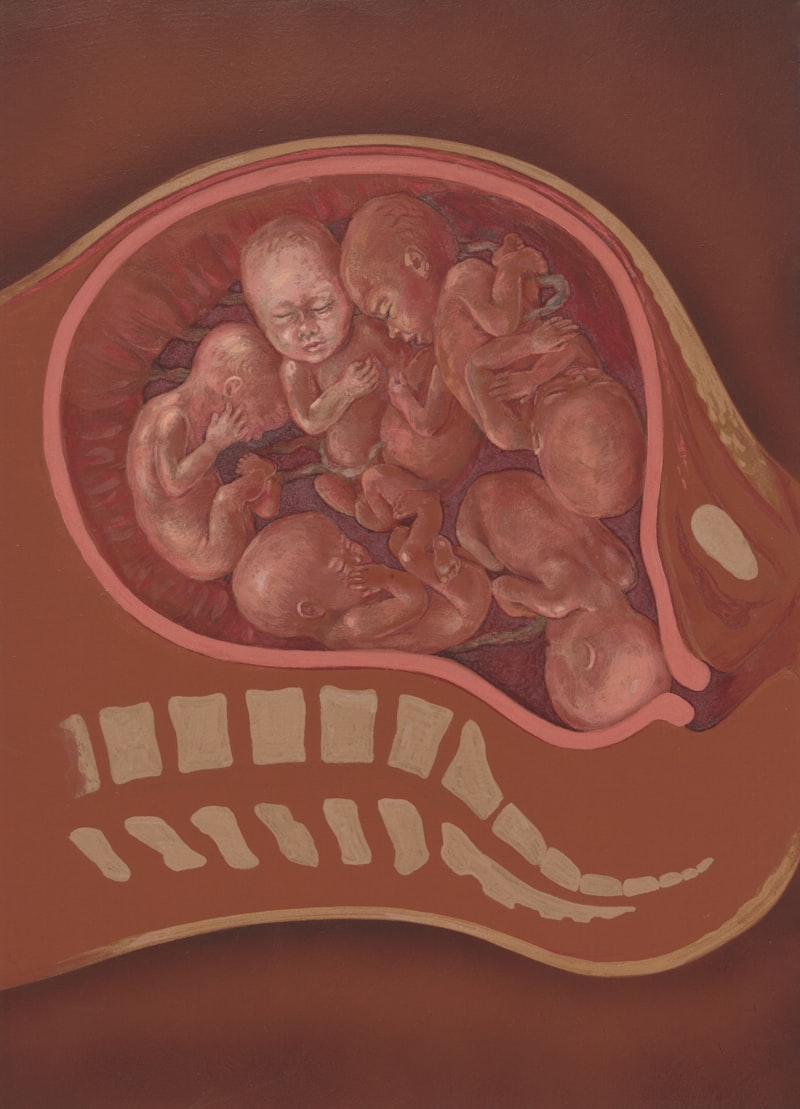
A prenatal developmental anomaly is defined as a congenital irregularity or deviation that originates during the process of growth and differentiation prior to birth. These conditions, often referred to synonymously as birth defects or congenital disorders, encompass a vast spectrum of morphological, structural, functional, and metabolic deviations that significantly impact the development of the fetus. Crucially, the term “prenatal” emphasizes that the genesis of the condition occurs during the gestational period, regardless of whether the anomaly is clinically manifest at birth or becomes evident later in life. Understanding these anomalies requires an interdisciplinary approach, drawing on embryology, genetics, pediatrics, and psychology, as they represent fundamental interruptions in the meticulously choreographed sequence of human development, often leading to profound and lasting consequences for the individual and their family system.
The study of these anomalies, known as teratology, attempts to delineate the causes, mechanisms, and patterns of abnormal development. These conditions range in severity from minor cosmetic issues to life-threatening structural malformations, and their prevalence makes them a significant public health concern globally. It is essential to distinguish between a malformation, which results from an intrinsic abnormal developmental process (e.g., a genetic defect causing heart septal failure), and a disruption, which results from an extrinsic factor acting on an intrinsically normal developmental process (e.g., amniotic bands constricting a limb). Furthermore, deformations refer to abnormal shape or position caused by mechanical forces, such as uterine constraint. Recognizing these nuances in classification is pivotal for accurate prognosis, genetic counseling, and subsequent therapeutic planning, providing the foundation for effective intervention tailored to the specific nature of the developmental error.
Prenatal developmental anomalies stand as critical markers for the vulnerability of the human organism during its most rapid period of growth. For example, conditions such as cleft palates represent a failure of fusion of certain facial structures during early embryogenesis. While seemingly complex, modern medical advancements, particularly in reconstructive and plastic surgery, allow for the effective repair of such common anomalies, highlighting the progress made in mitigating the physical effects of these congenital irregularities once the child reaches an appropriate age for surgical intervention. However, the presence of even seemingly minor physical anomalies often serves as a signal, prompting closer investigation into potential underlying systemic genetic or functional issues that may not be immediately apparent at birth, necessitating continuous monitoring and multidisciplinary care throughout childhood.
Etiology: The Critical Periods of Vulnerability
The etiology of prenatal developmental anomalies is overwhelmingly complex, often involving a synergistic interaction between genetic predispositions and environmental exposures. Determining the exact cause is challenging, but research consistently points to the concept of critical periods in embryonic and fetal development. The embryonic period, spanning the first eight weeks post-conception, is widely recognized as the time of maximum susceptibility to teratogenic agents and intrinsic developmental errors. During this phase, major organ systems are established through rapid cellular proliferation, migration, and differentiation (organogenesis). Any interference during this critical window—whether genetic mutations, viral infections, or exposure to toxic substances—can lead to irreversible structural defects because there is typically no secondary chance for the formation of the affected structure.
Following the embryonic period, the fetal period (from the ninth week until birth) is characterized primarily by growth and functional maturation rather than new structural formation. While the risk of major structural malformations decreases significantly during this time, the fetus remains vulnerable to anomalies affecting growth, central nervous system development, and functional capacity. For instance, exposure to certain toxins or infectious agents late in gestation might not cause a heart defect, but could severely impede brain development, leading to neurodevelopmental disorders or cognitive impairment. Therefore, the type of anomaly produced is highly dependent not only on the nature of the injurious agent but also on the precise developmental stage at which the exposure occurs, underscoring the temporal sensitivity of human embryogenesis.
Furthermore, many anomalies are classified as multifactorial, meaning they result from the cumulative effect of multiple small genetic variations interacting with specific environmental triggers. This interaction often demonstrates a threshold effect; an individual may carry genetic susceptibility, but a defect only manifests if environmental exposure (e.g., nutritional deficiency or maternal illness) exceeds a certain level. Understanding these critical periods and the multifactorial nature of developmental errors is crucial for preventative strategies, particularly preconception planning and early maternal education regarding lifestyle choices and potential occupational hazards. Effective risk mitigation relies on protecting the developing organism precisely when it is most sensitive to external and internal perturbations, ensuring the integrity of the fundamental biological processes that dictate normal human form and function.
Classification of Developmental Anomalies
Prenatal developmental anomalies are broadly categorized based on the biological system affected and the mechanism of the defect, providing a structured framework for diagnosis and research. The primary categories include structural anomalies, functional anomalies, and metabolic disorders. Structural anomalies are the most commonly recognized type and involve physical defects in body parts, such as congenital heart defects, spina bifida, or limb deficiencies. These defects arise from failures during organogenesis—failures of closure (e.g., neural tube defects), failures of separation (e.g., syndactyly), or failures of migration (e.g., ectopia cordis). The impact of structural anomalies is often immediate and requires surgical or physical intervention shortly after birth.
In contrast, functional anomalies involve defects in how a bodily system operates, even if the physical structure appears superficially normal. These often involve complex systems like the nervous or immune systems. Examples include intellectual disability without major brain structural defects, autism spectrum disorder, or some forms of hearing loss. These anomalies may not be obvious at birth and might only become apparent as the child fails to meet specific developmental milestones during infancy or early childhood. The diagnostic pathway for functional anomalies often involves extensive developmental screening and specialized psychological or neurological assessments, highlighting the delayed manifestation characteristic of these prenatal developmental interruptions.
The third major group comprises metabolic disorders, often termed inborn errors of metabolism. These are typically genetic defects that disrupt specific biochemical pathways, preventing the body from properly processing certain nutrients or toxins. While the structure of the organs may be normal, the lack of a critical enzyme or transporter protein leads to the accumulation of toxic substances or the deficiency of essential compounds. Classic examples include Phenylketonuria (PKU) and congenital hypothyroidism. These anomalies are frequently screened for universally at birth via heel prick tests because early detection and dietary intervention can dramatically mitigate severe developmental consequences, illustrating a successful public health approach to managing specific prenatal developmental anomalies through functional modification rather than structural repair.
The Role of Teratogens (Environmental Factors)
Teratogens are external agents—including chemicals, infectious diseases, and physical factors—that can cause deviations in prenatal development, leading to anomalies. The impact of a teratogen is highly dependent on the dosage, the duration of exposure, and the timing during gestation, as discussed previously in the context of critical periods. A classic and well-studied example involves certain pharmaceuticals, such as thalidomide, which, when taken during the first trimester, tragically resulted in severe limb reduction defects (phocomelia), demonstrating the profound vulnerability of rapidly differentiating tissues to chemical interference. Consequently, stringent regulations are now in place regarding medication use during pregnancy, necessitating careful risk-benefit analysis for any drug administered to expectant mothers.
Beyond medications, maternal exposure to environmental toxins represents a significant risk factor. Heavy metals like lead and mercury, certain pesticides, and industrial solvents have been strongly linked to adverse neurodevelopmental outcomes, affecting the functional integrity of the fetal brain. Furthermore, lifestyle choices such as excessive alcohol consumption, resulting in Fetal Alcohol Spectrum Disorders (FASD), and nicotine exposure, linked to intrauterine growth restriction and premature birth, are critical contributors to environmentally induced anomalies. The mechanism often involves direct toxicity, interference with nutrient transport, or disruption of cellular signaling pathways essential for normal organogenesis, leading to structural damage or long-term functional impairment.
Infectious agents also constitute a potent class of teratogens, collectively referred to by the acronym TORCH: Toxoplasmosis, Other (such as syphilis, varicella-zoster, parvovirus B19), Rubella, Cytomegalovirus, and Herpes Simplex Virus. Infections acquired by the mother and transmitted vertically to the fetus can cause severe anomalies, particularly affecting the central nervous system, eyes, and heart. For instance, congenital rubella syndrome, though now rare due to vaccination programs, historically caused deafness, cataracts, and cardiac defects. Public health efforts focused on maternal vaccination and hygiene awareness are paramount in reducing the incidence of these avoidable, environmentally mediated prenatal developmental anomalies, emphasizing prevention as the most effective form of intervention against teratogenic risk.
Genetic and Chromosomal Contributions
A substantial proportion of prenatal developmental anomalies are rooted in genetic factors, encompassing single-gene defects, chromosomal aberrations, and polygenic inheritance patterns. Single-gene disorders follow Mendelian inheritance rules and result from mutations in a specific gene, often leading to structural or metabolic anomalies. Examples include cystic fibrosis, Marfan syndrome, and certain forms of congenital deafness. The severity and manifestation depend on whether the mutation is dominant or recessive, and whether it affects an enzyme or a structural protein, demonstrating the direct link between molecular errors and developmental outcome. Genetic counseling plays a vital role in identifying carrier status and calculating recurrence risks for families affected by these highly penetrant conditions.
Chromosomal aberrations involve changes in the number or structure of chromosomes and typically have severe and widespread effects on development due to the large amount of genetic material involved. The most common numerical anomaly is trisomy, where an individual has three copies of a chromosome instead of two; Down Syndrome (Trisomy 21) is the quintessential example, leading to characteristic facial features, cardiac defects, and intellectual disability. Structural aberrations include deletions, duplications, inversions, and translocations, each capable of disrupting gene dosage and expression across large genomic regions. These major genetic events often result in multiple congenital anomalies affecting various organ systems simultaneously, presenting significant challenges for comprehensive medical management and long-term care planning.
It is important to recognize the increasing role of epigenetics in the understanding of developmental anomalies. Epigenetic mechanisms, such as DNA methylation and histone modification, regulate gene expression without altering the underlying DNA sequence. Disruptions in these regulatory processes, often influenced by maternal diet, stress, or toxin exposure, can lead to abnormal embryonic development. This interaction between genetics and environment—where the environment modifies gene expression—is critical for understanding complex conditions like neural tube defects, where both genetic predisposition and maternal folic acid deficiency interact. Advanced genetic sequencing technologies, including whole-exome and whole-genome sequencing, are continually improving our ability to pinpoint the precise molecular basis of these prenatal developmental anomalies, moving diagnostics from descriptive classification to targeted molecular etiology.
Diagnosis, Screening, and Detection Methods
Effective management of prenatal developmental anomalies relies heavily on early and accurate detection, often achieved through a combination of prenatal screening and diagnostic testing. Prenatal screening aims to assess the probability that a fetus has an anomaly, typically involving non-invasive methods such as maternal serum markers (e.g., the triple or quad screen) and specialized ultrasound examinations. The Nuchal Translucency (NT) scan in the first trimester, for example, measures fluid accumulation at the back of the fetal neck and is an important marker for Trisomy 21 and certain cardiac defects. Screening tests provide risk assessment but do not definitively diagnose a condition, necessitating follow-up diagnostic procedures if the risk is determined to be elevated.
When screening indicates high risk, or when advanced maternal age or family history warrants concern, diagnostic testing is employed to confirm the presence of an anomaly. Invasive procedures include amniocentesis and chorionic villus sampling (CVS), which obtain fetal cells for karyotyping and genetic analysis, providing definitive diagnoses for chromosomal abnormalities. More recently, Non-Invasive Prenatal Testing (NIPT), which analyzes cell-free fetal DNA circulating in the maternal bloodstream, has revolutionized screening for common trisomies, offering high accuracy without the inherent risk of invasive procedures, leading to earlier detection and better preparation for potential outcomes.
High-resolution ultrasonography remains the cornerstone of detecting structural prenatal developmental anomalies. Detailed anatomical surveys, particularly performed in the second trimester, can visualize malformations such as hydrocephalus, heart defects, renal agenesis, and skeletal dysplasias. Advances like fetal echocardiography allow for detailed visualization of the fetal heart, critical for detecting complex congenital heart disease. The purpose of these detection methods extends beyond mere diagnosis; early confirmation allows parents and medical teams to prepare for specialized delivery, immediate postnatal care, and, in rare but increasing cases, allows for in-utero fetal surgery or targeted medical therapy, optimizing the neonatal outcome for the affected child.
Clinical Management and Intervention Strategies
The clinical management of prenatal developmental anomalies is highly individualized and depends critically on the nature and severity of the defect. For many structural anomalies, intervention begins immediately post-delivery. For instance, addressing the common anomaly of cleft palate requires a staged surgical approach. The initial repair, performed by plastic surgeons, typically occurs when the child is several months old, aiming to close the defect in the soft and hard palate to restore normal feeding ability and facilitate correct speech development. This is often followed by orthodontic care, speech therapy, and potentially further surgeries throughout childhood and adolescence to address associated dental, auditory, and aesthetic concerns, illustrating a long-term, coordinated multidisciplinary care model.
For metabolic anomalies detected through newborn screening, such as PKU, management involves strict dietary modification to eliminate the offending substrate (phenylalanine), thereby preventing the buildup of neurotoxic compounds. This intervention is non-surgical but requires continuous monitoring and adherence throughout the patient’s life, demonstrating how functional anomalies can be managed effectively through biochemical control. Furthermore, some life-threatening conditions, particularly severe congenital diaphragmatic hernia or certain forms of spina bifida, may now be treated with fetal surgery (intervention performed while the fetus is still in the uterus). While highly specialized and risky, this approach aims to correct or mitigate the defect before birth, allowing for potentially better organ development and functional outcomes than traditional postnatal intervention alone.
A comprehensive intervention strategy must extend beyond the physical anomaly to include developmental and psychological support. Children affected by prenatal anomalies, especially those involving the brain or chronic illness, often require extensive occupational therapy, physical therapy, and specialized educational support. Early intervention programs are crucial for maximizing developmental potential. Management teams must also incorporate robust psychological counseling for the parents, who face significant stress, grief, and adjustment issues related to receiving the diagnosis and managing complex long-term care needs. The goal of intervention is not merely survival, but the achievement of the highest possible quality of life and functional independence, necessitating a holistic approach involving pediatricians, surgeons, geneticists, therapists, and mental health professionals.
Psychological and Developmental Impact
The psychological impact associated with a prenatal developmental anomaly is multifaceted, affecting the child, the parents, and the entire family system. For the affected child, the anomaly may lead to developmental delays, chronic health issues, frequent hospitalizations, and differences in physical appearance, all of which can affect self-esteem, social integration, and academic performance. Children with visible anomalies, such as craniofacial defects, may face stigmatization or bullying, necessitating supportive psychological intervention focused on building resilience and coping mechanisms. Furthermore, the constant medical monitoring and therapeutic interventions can interrupt normal childhood activities and impose significant emotional burdens, often requiring specialized psychological assessment to address concurrent mood disorders or adjustment difficulties.
For the parents, the diagnosis of a prenatal developmental anomaly often precipitates a profound emotional crisis, involving stages of shock, denial, grief, and anger, regardless of whether the diagnosis was delivered prenatally or at birth. The process of bonding may be challenged, especially if the anomaly necessitates immediate separation for intensive medical care. Parents must quickly transition into the role of expert advocates for their child, navigating complex medical systems, securing specialized services, and dealing with financial strain. Psychological counseling and support groups are essential for helping parents process their feelings of loss—the loss of the “expected” perfect child—and to build the emotional resources necessary for long-term caregiving, fostering a positive and nurturing environment for the child’s development.
From a developmental perspective, prenatal anomalies serve as critical variables influencing the trajectory of child development. Structural defects, especially those involving the central nervous system (e.g., microcephaly), directly impair cognitive and motor development. Functional anomalies, like certain metabolic disorders if untreated, can cause pervasive developmental delays. Even anomalies that are surgically correctable, such as the aforementioned cleft palates, require extensive speech therapy and may influence early language acquisition and social interaction patterns. Therefore, psychological professionals working in this field must adopt a developmental psychopathology framework, understanding how the biological irregularity interacts with the social and environmental context to shape the child’s long-term mental health and overall adaptation to their condition, ensuring that intervention targets both the physical defect and the subsequent emotional and developmental challenges.