Preterm Viability: The Threshold of Early Life Survival
Scientifically Reviewed · Dr. Marwa Abd-Alazim · October 3, 2026
Review Criteria & Clinical Standards
This content undergoes rigorous scientific peer-review and medical editorial standards at Arab Psychology Network to ensure clinical accuracy, validity, and compliance with evidence-based guidelines from leading psychological and healthcare authorities (APA / WHO).
The Core Definition of Preterm Viability
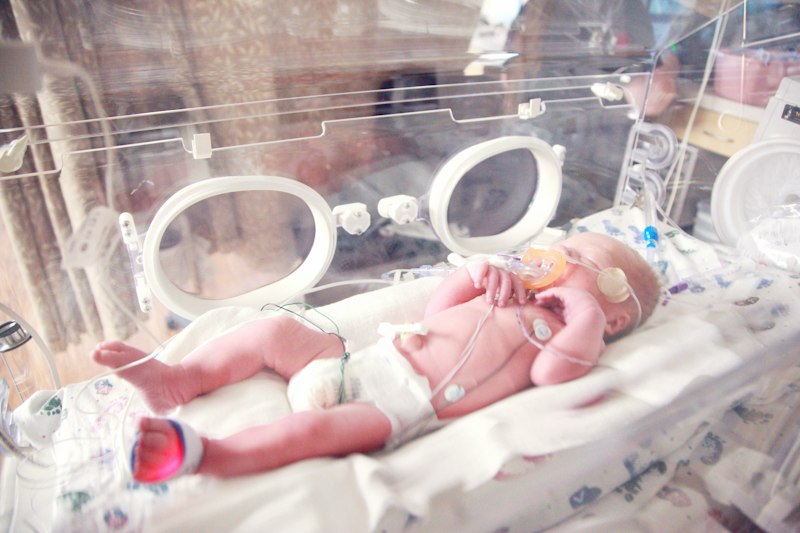
Preterm viability represents a critical threshold in human development, specifically denoting the earliest gestational age at which a fetus has a realistic chance of survival outside the mother’s uterus. This concept is fundamentally rooted in the physiological maturity required for independent existence, primarily concerning the development of the lungs, brain, and other vital organs. While often discussed as a specific point in time, preterm viability is more accurately understood as a probabilistic continuum, where the likelihood of survival gradually increases with each passing day and week of gestation. It is not a fixed, universal line but rather a dynamic benchmark influenced heavily by the availability and quality of advanced neonatal care and medical interventions. The World Health Organization (WHO) currently identifies this range as approximately 22 to 23 weeks of gestation, signifying that at this stage, with optimal medical support, an infant begins to possess a greater than 50% chance of surviving birth and the initial challenges of extrauterine life.
The key idea underpinning preterm viability revolves around the intricate balance of organ development and the capacity for physiological adaptation. For a fetus to survive outside the womb, its organ systems, particularly the respiratory and circulatory systems, must be sufficiently developed to function independently or with significant medical assistance. The lungs, for instance, must be capable of gas exchange, a process heavily reliant on the production of surfactant, a substance that prevents the collapse of the alveoli. Similarly, the brain must be mature enough to regulate essential functions like breathing and heart rate, albeit often with external support. Below the viability threshold, these systems are typically too immature to sustain life, even with the most intensive medical interventions. Above it, medical technology can bridge many of the developmental gaps, enabling survival, although often with a high risk of immediate complications and long-term health challenges.
Historical Evolution of Preterm Viability and Neonatal Care
The concept and reality of preterm viability have undergone a dramatic evolution, inextricably linked to advancements in medical science and technology, particularly in the field of neonatology. In earlier centuries, infants born significantly before their due date had virtually no chance of survival, and their births were often viewed with fatalism. The late 19th and early 20th centuries saw the nascent beginnings of specialized care, with pioneers like Dr. Pierre Budin in France advocating for incubators and feeding techniques for premature infants. However, it was truly in the latter half of the 20th century that significant breakthroughs began to reshape the landscape of neonatal care. The establishment of dedicated Neonatal Intensive Care Units (NICUs) played a pivotal role, centralizing expertise and equipment necessary for the complex management of extremely premature infants.
The development of crucial medical technologies and pharmacological interventions marked turning points in improving preterm viability. The advent of mechanical ventilators capable of supporting the fragile lungs of premature infants, coupled with the understanding and therapeutic use of exogenous surfactant in the 1980s, revolutionized the survival rates for infants born at increasingly earlier gestational ages. Before these innovations, respiratory distress syndrome was a leading cause of death among preterm infants. Furthermore, improved understanding of fluid and electrolyte balance, infection control, and specialized nutritional support, including parenteral nutrition, contributed significantly to enhancing the chances of survival for these vulnerable newborns. These advancements collectively pushed the boundaries of viability, allowing infants born at 24, 23, and even 22 weeks of gestation to survive, a feat unimaginable just a few decades prior.
Critical Factors Influencing Preterm Survival
Several interconnected factors profoundly influence an infant’s chance of survival when born prematurely, with gestational age at birth standing out as the single most powerful predictor. As the fetus spends more time developing in the womb, its organ systems become progressively more mature and better equipped to handle the transition to extrauterine life. Consequently, the probability of survival increases substantially with each additional week of gestation, creating a steep gradient of risk. An infant born at 25 weeks, for instance, typically has a significantly higher chance of survival and fewer severe morbidities than one born at 22 weeks, reflecting the rapid pace of development during this critical period. This exponential relationship underscores why medical efforts often focus on prolonging pregnancy even by a few days when preterm labor is imminent.
Beyond gestational age, a constellation of other factors plays a crucial role in determining preterm viability and subsequent outcomes. The presence of multiple births, such as twins or triplets, often complicates pregnancies and can lead to earlier deliveries, potentially impacting individual infant survival rates due to shared resources or increased maternal complications. The availability and quality of prenatal care are paramount; consistent medical oversight allows for the identification and management of risk factors for preterm birth, as well as the timely administration of interventions. One of the most impactful prenatal interventions is the administration of antenatal corticosteroids, which accelerate fetal lung maturation and significantly reduce the incidence and severity of respiratory distress syndrome, thereby boosting survival rates. Finally, immediate access to a highly specialized Neonatal Intensive Care Unit (NICU) equipped with advanced technology and expert personnel is absolutely critical for managing the complex needs of extremely premature infants, directly influencing their chances of survival and reducing the severity of potential complications.
Long-Term Outcomes and Morbidities for Preterm Infants
While medical advancements have dramatically improved the survival rates for preterm infants, a significant proportion of these survivors face a heightened risk of various long-term morbidities. The extent and severity of these outcomes are strongly correlated with the infant’s gestational age at birth, with those born at the earliest stages of viability enduring the highest burden of health challenges. The immaturity of vital organs and systems at birth makes them particularly susceptible to damage from the stresses of extrauterine life and necessary medical interventions. This vulnerability can lead to permanent impairments that affect multiple aspects of development, requiring extensive medical, educational, and rehabilitative support throughout their lives.
Among the most concerning long-term morbidities are neurological complications, notably cerebral palsy, a group of disorders affecting movement and muscle tone or posture. Preterm infants, especially those born before 28 weeks, are at increased risk for brain injuries such as intraventricular hemorrhage or periventricular leukomalacia, which can directly lead to cerebral palsy. Beyond motor impairments, cognitive and developmental delays are common, potentially manifesting as learning disabilities, attention deficit hyperactivity disorder (ADHD), and lower IQ scores. Sensory impairments are also prevalent; vision loss, including retinopathy of prematurity, and hearing loss can significantly impact a child’s development and quality of life. Furthermore, respiratory morbidity, such as chronic lung disease (bronchopulmonary dysplasia), often persists into childhood, leading to recurrent respiratory infections and asthma-like symptoms. Gastrointestinal disorders, including feeding difficulties and necrotizing enterocolitis, also contribute to the complex health profile of many preterm survivors, necessitating ongoing medical management and specialized care.
Advancements and Strategies for Improving Preterm Viability
The continuous pursuit of improved outcomes for preterm infants drives ongoing research and clinical innovation, leading to the development of sophisticated strategies aimed at enhancing preterm viability and reducing long-term morbidities. These strategies encompass a multi-faceted approach, addressing both prenatal risk factors and postnatal care. From a prenatal perspective, the primary goal is often to prevent preterm labor whenever possible or, failing that, to optimize the fetal environment before an anticipated early delivery. This includes comprehensive prenatal care to monitor maternal health, manage complications like preeclampsia or infections, and educate expectant parents on warning signs.
Crucial prenatal interventions include the timely administration of antenatal corticosteroids to mothers at risk of preterm birth. These steroid medications, given before delivery, significantly accelerate lung development in the fetus, reducing the incidence and severity of respiratory distress syndrome, a major cause of mortality and morbidity in preterm infants. Magnesium sulfate is another intervention that, when administered prenatally, has been shown to offer neuroprotection for the preterm infant, reducing the risk of cerebral palsy. Postnatal care, particularly within the specialized environment of the Neonatal Intensive Care Unit (NICU), employs a multidisciplinary approach involving neonatologists, nurses, respiratory therapists, nutritionists, and other specialists. This team provides highly individualized care, including advanced respiratory support (e.g., non-invasive ventilation, surfactant therapy), precise fluid and electrolyte management, aggressive infection control, and optimized nutrition, often starting with human milk.
Beyond high-tech medical interventions, humanistic approaches also play a vital role in improving outcomes. Practices such as kangaroo care, which involves skin-to-skin contact between the infant and parent, have been shown to stabilize heart rate, improve breathing patterns, promote sleep, reduce stress, and facilitate bonding, contributing to better developmental outcomes. Nutrition optimization, particularly the emphasis on human milk, provides immunological protection and optimal nutrients crucial for the rapid growth and development of fragile preterm infants. Ongoing research continues to explore novel therapies, including neuroprotective strategies, advanced imaging techniques to better predict outcomes, and personalized medicine approaches tailored to the unique genetic and physiological profile of each preterm infant, all with the overarching aim of not only ensuring survival but also maximizing the quality of life for these most vulnerable newborns.
Clinical Considerations and Ethical Dilemmas in Preterm Birth
The determination and management of preterm viability present profound clinical considerations and complex ethical dilemmas for medical professionals, parents, and society. When an expectant mother presents with signs of extremely preterm labor, healthcare providers face the challenging task of counseling parents on the infant’s potential for survival and the likely spectrum of morbidities, which can range from mild developmental delays to severe, lifelong disabilities. This scenario often forces families to confront agonizing decisions about resuscitation efforts, the intensity of medical interventions, and the overall goals of care, balancing the desire for survival against the potential for significant suffering and compromised quality of life. The “how-to” in such a practical example is less about a simple step-by-step guide and more about the intricate process of shared decision-making, where medical expertise meets parental values and hopes.
Consider a couple facing the imminent birth of their baby at 23 weeks of gestation. The medical team would provide detailed information regarding the statistical probability of survival at this gestational age, highlighting that while survival is possible with aggressive intervention, the risk of severe long-term neurological impairment, such as cerebral palsy, or other disabilities is substantial. They would explain the necessity of interventions like mechanical ventilation, multiple medications, potential surgeries, and a prolonged stay in the NICU. The parents, grappling with fear and uncertainty, would then be guided through discussions about their wishes for their child, their understanding of the potential outcomes, and their capacity to support a child with complex medical needs. This process exemplifies how the psychological principle of shared decision-making is applied, where informed consent is not just a formality but a deep dive into the implications of medical choices, ensuring that the care plan aligns with the family’s values while respecting the infant’s potential for life.
The ethical considerations extend beyond individual family choices to broader societal questions. These include the allocation of scarce medical resources, especially in a highly specialized NICU, and the societal responsibility to support children with disabilities and their families. Debates around the definition of viability itself, the point at which a fetus is considered a person with rights, and the limits of medical intervention continue to evolve. These discussions often touch upon principles of beneficence (acting in the best interest of the patient), non-maleficence (doing no harm), autonomy (respecting the decisions of informed individuals), and justice (fair distribution of resources), all of which are central to the field of bioethics. The practical application of viability knowledge therefore requires not only medical expertise but also profound ethical reflection and empathetic communication.
Societal Impact and Broader Connections of Preterm Viability
The concept of preterm viability holds immense significance, transcending the immediate medical context to profoundly impact the fields of obstetrics, pediatrics, public health, and even societal norms. For neonatologists and obstetricians, understanding the shifting boundaries of viability dictates clinical practice, informing decisions about when to intervene aggressively to save a life and when to provide comfort care. It shapes prenatal counseling, allowing parents to make more informed choices about their pregnancy and potential outcomes. In pediatrics, the long-term health trajectories of preterm survivors necessitate specialized follow-up care, developmental assessments, and early intervention programs, significantly influencing the demand for and provision of pediatric subspecialties.
From a public health perspective, preterm birth is a leading cause of infant mortality and a major contributor to childhood disability globally. Therefore, understanding and improving preterm viability is central to public health initiatives aimed at reducing infant mortality rates and improving population health outcomes. This involves not only advancements in neonatal care but also broader strategies to prevent preterm birth, such as improving maternal health, addressing socioeconomic disparities, and promoting access to quality prenatal care. The increasing survival of extremely preterm infants also has significant economic implications, requiring substantial investments in healthcare infrastructure, specialized equipment, and long-term support services for children with complex medical needs, impacting healthcare budgets and resource allocation at national and international levels.
Preterm viability connects directly to broader psychological and sociological concepts. The survival and development of extremely preterm infants provide a living laboratory for understanding human resilience, early brain development, and the impact of early life stress on long-term psychological well-being. It informs the field of developmental psychology, offering insights into the critical periods of development and the plasticity of the human brain. Furthermore, the experiences of families with preterm infants shed light on aspects of parental bonding, coping mechanisms, and the psychological burden of caring for a medically fragile child, highlighting the need for robust mental health support for these families. The very definition of when life begins and when it merits full medical intervention is continuously challenged and refined by the evolving reality of preterm viability, influencing legal frameworks, ethical debates, and societal values concerning life itself.