Primary Sensory Area: Decoding Your Brain’s Senses
Scientifically Reviewed · Dr. Marwa Abd-Alazim · September 30, 2026
Review Criteria & Clinical Standards
This content undergoes rigorous scientific peer-review and medical editorial standards at Arab Psychology Network to ensure clinical accuracy, validity, and compliance with evidence-based guidelines from leading psychological and healthcare authorities (APA / WHO).
Introduction to the Primary Sensory Area
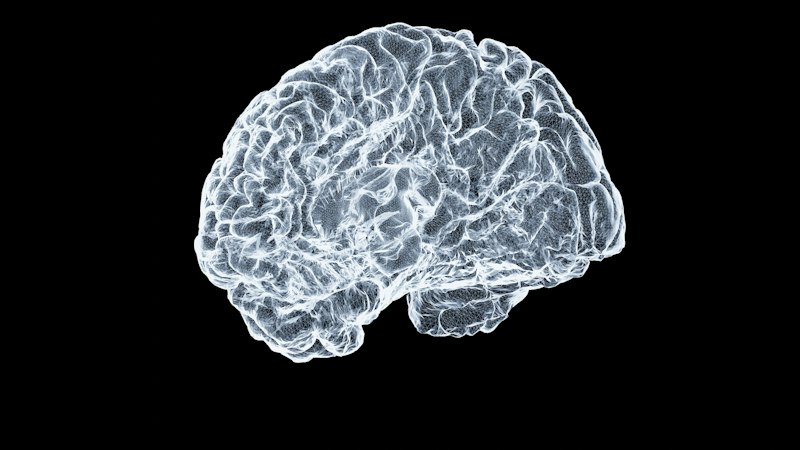
The primary sensory area represents a sophisticated and highly specialized set of cortical regions within the human brain, fundamentally tasked with the processing and integration of various streams of sensory information. Situated predominantly within the posterior parietal cortex and its adjacent structures, this area serves as the initial cortical destination for signals originating from the peripheral nervous system. It is composed of several distinct yet profoundly interconnected regions that work in concert to translate raw physical stimuli into meaningful internal representations. By acting as a gateway for external data, the primary sensory area facilitates the foundation upon which complex human experiences are built, ensuring that the organism can interact effectively with its environment.
Beyond its role in basic sensation, the primary sensory area is instrumental in the integration of sensory information across multiple modalities, such as sight, sound, touch, and taste. This multimodal synthesis is not merely a passive reception of data but an active biological process that informs higher-level cognitive processes, including attention, perception, and memory. Without the refined filtering and organization provided by these cortical zones, the brain would be overwhelmed by a chaotic influx of stimuli, making it impossible to focus on relevant environmental cues or form a coherent understanding of the world. Consequently, the study of these regions is vital for understanding both normal neurological function and the mechanisms underlying various cognitive capabilities.
This comprehensive article will explore the intricate anatomy, physiology, and functional dynamics of the primary sensory area, providing a detailed examination of its constituent parts. We will delve into how specific cortices—such as the primary somatosensory cortex and the primary visual cortex—contribute to the overall sensory landscape. Furthermore, the discussion will extend to the clinical implications associated with damage to these regions, highlighting how neurological insults can lead to profound deficits in both sensory perception and cognitive stability. By synthesizing current neuroscientific knowledge, we aim to provide a high-level overview of this critical component of the central nervous system.
The historical understanding of the primary sensory area has evolved from viewing it as a collection of isolated reception centers to recognizing it as a dynamic, interdependent network. Modern neuroimaging and electrophysiological studies have demonstrated that these areas do not function in a vacuum; rather, they are part of a larger hierarchy of cortical processing. This article adheres to this modern perspective, emphasizing the collaborative nature of the sensory cortices and their essential role in maintaining the homeostasis of human consciousness and environmental awareness.
Neuroanatomical Foundations of Sensory Processing
The neuroanatomical landscape of the primary sensory area is characterized by a high degree of structural organization and regional specialization. It is primarily situated within the posterior parietal cortex, a location that is strategically advantageous for the convergence of diverse neural pathways. This region is not a monolithic block but rather a mosaic of interconnected subdivisions, each fine-tuned to handle specific types of sensory input. These include the primary somatosensory, auditory, visual, and gustatory cortices, which together form the bedrock of the afferent nervous system’s cortical representation. The physical architecture of these regions is designed to maximize the efficiency of neural transmission and data synthesis.
Within this anatomical framework, the primary somatosensory cortex is perhaps the most extensively studied, occupying the postcentral gyrus and extending into the parietal regions. It is organized somatotopically, meaning that specific parts of the cortex correspond to specific parts of the body, creating a “map” of sensory experience. Similarly, the primary auditory cortex is located within the superior temporal gyrus, while the primary visual cortex resides in the occipital lobe. Each of these areas possesses a unique cellular composition—often referred to as cytoarchitecture—that reflects its specific functional requirements, such as the high-density packing of neurons required for sharp visual acuity or the specialized layers needed for frequency discrimination in hearing.
The primary gustatory cortex, located within the insula and the frontal operculum, represents the chemical senses and is essential for the perception of taste. The integration of these various cortices is facilitated by a complex web of white matter tracts and association fibers that allow for rapid cross-talk between modalities. This connectivity ensures that a single event, such as eating an apple, is perceived as a unified experience involving taste, texture, smell, and sight, rather than a fragmented series of unrelated sensations. The physiology of these regions is characterized by synaptic plasticity and the ability to refine sensory maps based on environmental interaction and experience.
Furthermore, the thalamus plays a critical role as the relay station that directs sensory traffic to these primary cortical areas. Except for olfaction, all sensory pathways pass through specific thalamic nuclei before reaching the primary sensory area. This relationship highlights the importance of the thalamocortical loops in modulating the intensity and clarity of sensory signals. The structural integrity of these pathways is paramount; any disruption in the anatomical link between the periphery, the thalamus, and the primary sensory area can result in significant sensory processing disorders or complete loss of modality-specific perception.
The Primary Somatosensory Cortex: Tactile and Proprioceptive Integration
The primary somatosensory cortex (S1) is a cornerstone of the primary sensory area, acting as the principal site for processing mechanical stimuli from the skin, muscles, and joints. It is traditionally divided into two major functional subdivisions: the anterior subdivision and the posterior subdivision. The anterior portion is primarily concerned with tactile information, processing sensations such as pressure, vibration, and temperature from the body’s surface. This allows for the precise localization of touch and the ability to discriminate between different textures and shapes, a process known as stereognosis.
In contrast, the posterior subdivision of the primary somatosensory cortex focuses on proprioceptive information. This involves the processing of signals originating from the proprioceptors located in the joints, tendons, and muscles, which provide the brain with constant feedback regarding the position and movement of the limbs in space. The integration of tactile and proprioceptive data within S1 is essential for motor control and the execution of complex physical tasks. Without this continuous feedback loop, the brain would struggle to coordinate movements or maintain postural stability, leading to significant motor impairments.
The organization of the somatosensory cortex is famously characterized by the sensory homunculus, a distorted map where the size of the cortical representation is proportional to the sensitivity and innervation density of the body part rather than its physical size. For instance, the hands and face have much larger cortical areas dedicated to them than the trunk or legs, reflecting their role in high-precision tasks and communication. This plasticity of the homunculus also allows the brain to adapt to changes in sensory input, such as the increased sensitivity developed by a Braille reader or the reorganization that occurs following the loss of a limb.
Physiologically, the somatosensory cortex utilizes lateral inhibition to sharpen the boundaries of sensory stimuli, allowing for high spatial resolution. When a specific area of the skin is touched, the corresponding neurons in S1 are activated, while neighboring neurons are inhibited, preventing the “blurring” of the sensation. This mechanism is critical for discriminative touch and the ability to identify two points of contact as separate entities. The complex interplay between excitatory and inhibitory signals within the somatosensory layers ensures that the primary sensory area provides a high-fidelity representation of the physical self.
The Primary Auditory Cortex and Sound Processing
The primary auditory cortex (A1) is the essential hub for the perception of auditory information, located deep within the superior temporal gyrus of the brain. Its primary function is to receive and interpret signals from the ears, specifically those transmitted via the auditory nerve and the medial geniculate nucleus of the thalamus. A1 is organized tonotopically, meaning that different regions of the cortex are tuned to specific frequencies of sound. Low-frequency sounds are processed in one area, while high-frequency sounds are processed in another, creating a functional map of the audible spectrum that allows for precise pitch discrimination.
Beyond simple frequency detection, the primary auditory cortex is heavily involved in sound localization. By analyzing the subtle differences in the timing and intensity of sounds reaching each ear—known as interaural time differences and interaural level differences—the auditory cortex enables the individual to determine the direction and distance of a sound source. This capability is vital for environmental awareness and survival, allowing organisms to detect predators, locate prey, or orient themselves toward a speaker in a crowded room. The integration of these spatial cues is a hallmark of the primary sensory area’s computational power.
Another critical function of the auditory cortex is the recognition of complex sounds, including speech and music. While higher-order association areas handle the semantic meaning of words, the primary auditory cortex is responsible for the initial feature extraction, such as identifying the rhythm, tempo, and timbre of a sound. It acts as a sophisticated filter that distinguishes meaningful auditory patterns from background noise. This process of auditory stream segregation is essential for effective communication and the ability to focus on a single voice amidst a cacophony of competing sounds, a phenomenon often referred to as the “cocktail party effect.”
The primary auditory cortex also exhibits significant neuroplasticity, particularly during early developmental periods. Exposure to specific sound environments can shape the tonotopic map, a feature that is utilized in the rehabilitation of individuals with cochlear implants. Furthermore, the connections between the auditory cortex and the limbic system explain why certain sounds can evoke powerful emotional responses or trigger vivid memories. As a key component of the primary sensory area, the auditory cortex ensures that the auditory landscape is integrated into the broader cognitive framework of the individual.
The Primary Visual Cortex and the Perception of Sight
The primary visual cortex (V1), often referred to as the striate cortex due to its distinctive layered appearance under a microscope, is situated in the occipital lobe at the back of the brain. It is the first cortical stage of visual processing, receiving highly organized input from the lateral geniculate nucleus. V1 is responsible for the initial decomposition of visual scenes into basic elements such as edges, orientations, and motion. Through a process known as retinotopic mapping, the spatial relationships of the visual field are maintained within the cortical structure, ensuring that the brain has an accurate geometric representation of the external world.
One of the most remarkable features of the primary visual cortex is its ability to process visual stimuli with extreme speed and precision. Neurons in V1 are specialized to respond to specific features; for example, some cells are “tuned” to horizontal lines, while others respond only to vertical or diagonal orientations. This feature detection is the building block of all visual perception, allowing the brain to eventually recognize complex shapes, faces, and objects. The primary visual cortex also plays a role in color perception through specialized clusters of cells known as “blobs,” which process information regarding wavelength and intensity.
Research has also highlighted the importance of fast backprojections from higher-order motion centers to the primary visual cortex. These feedback loops suggest that V1 is not merely a passive recipient of data but is actively involved in predictive processing and the refinement of visual signals. This bidirectional communication allows the primary sensory area to adjust its sensitivity based on contextual cues or prior expectations, enhancing the clarity of moving objects and improving the individual’s ability to track visual targets. The integration of depth perception and binocular vision also begins at this level, as signals from both eyes are first combined here.
Damage to the primary visual cortex can result in a condition known as cortical blindness, where the eyes and optic nerves are functional, but the brain cannot process the visual information. In some cases, individuals may experience blindsight, where they can respond to visual stimuli without consciously “seeing” them, illustrating the complex relationship between the primary sensory area and conscious awareness. The robustness and efficiency of V1 are therefore essential for the formation of perception and the overall guidance of behavior based on visual input.
The Primary Gustatory Cortex and Chemical Sensation
The primary gustatory cortex is the specialized region of the brain responsible for the perception of taste, primarily located within the insula and the frontal operculum. Unlike the visual or auditory systems, which process physical waves, the gustatory system processes chemical stimuli dissolved in saliva. This cortex receives signals from the taste buds via the cranial nerves and the thalamus, translating them into the five basic taste modalities: sweet, sour, salty, bitter, and umami. The primary gustatory cortex is essential for flavor recognition, a process that is further enriched by the integration of olfactory and somatosensory (texture) information.
The function of the gustatory cortex extends beyond simple taste identification; it is deeply involved in the evaluation of food quality and safety. By recognizing bitter tastes, which are often associated with toxins, the primary sensory area acts as a biological defense mechanism, triggering an immediate aversion response. Conversely, the recognition of sweet or umami flavors signals the presence of energy-rich carbohydrates or proteins, activating reward pathways within the brain. This evaluative function demonstrates how the primary sensory area directly influences consummatory behavior and nutritional intake, which are critical for survival.
Furthermore, the primary gustatory cortex maintains strong connections with the limbic system, particularly the amygdala and the hypothalamus. These connections facilitate the emotional and homeostatic aspects of eating, such as the feeling of satiety or the pleasure derived from a favorite meal. Memory also plays a significant role here; the gustatory cortex helps store taste memories, allowing an individual to associate specific flavors with past experiences, such as a localized food-borne illness or a celebratory feast. This associative learning is a key example of how the primary sensory area contributes to higher-order cognitive functions.
In the broader context of the primary sensory area, the gustatory cortex ensures that the chemical environment is monitored with the same rigor as the physical environment. Although it occupies a smaller cortical footprint than the visual or somatosensory areas, its impact on behavioral regulation and health is profound. Disruption of this area can lead to ageusia (loss of taste) or dysgeusia (distorted taste), which can significantly diminish the quality of life and lead to poor nutritional choices or accidental ingestion of harmful substances.
Integrative Functions and Cognitive Connectivity
The primary sensory area is not merely a collection of independent units; it is a highly integrated system that serves as the foundation for multimodal perception. While each cortex processes specific types of data, the real power of the primary sensory area lies in its ability to facilitate cross-modal integration. This means that information from the eyes, ears, and skin is synthesized into a unified “percept” that represents the environment accurately. For example, when you see a person speaking, the primary sensory area helps align the visual movement of the lips with the auditory signal of the voice, ensuring a coherent experience of communication.
This integration is vital for the formation of cognitive processes such as attention. The primary sensory area acts as a filter, prioritizing certain stimuli based on their intensity, novelty, or relevance to current goals. This selective attention allows the brain to allocate its limited metabolic and computational resources to the most important aspects of the environment. If the primary sensory area detects a sudden, sharp sound, it can trigger a bottom-up attentional shift, causing the individual to orient toward the potential threat. This interplay between sensory reception and attentional control is a core aspect of executive function.
Moreover, the primary sensory area is deeply involved in the encoding of memory. Before an experience can be stored in long-term memory, it must first be processed and organized by the sensory cortices. The clarity and detail of the initial sensory encoding determine the strength and accuracy of the resulting memory trace. For instance, the vividness of a visual memory is dependent on the high-fidelity processing of the primary visual cortex. The primary sensory area essentially provides the “raw data” that the hippocampus and other memory-related structures use to construct the narrative of our lives.
The connectivity of the primary sensory area extends to the frontal lobes, where sensory information is used to inform decision-making and planning. By providing a real-time update on the state of the world, these regions allow for the adaptive regulation of behavior. Whether it is adjusting the grip on a heavy object or navigating a complex visual landscape, the integrative functions of the primary sensory area are what make sophisticated human interaction with the environment possible. This synergy between sensation and cognition underscores the area’s central role in the architecture of the mind.
Clinical Implications and Sensory Deficits
The clinical significance of the primary sensory area cannot be overstated, as it is susceptible to various forms of neurological damage, including stroke, traumatic brain injury, and neurodegenerative diseases. Because these regions are the primary processors of external information, damage to them typically results in sensory deficits that are highly specific to the affected modality. For example, a lesion in the primary somatosensory cortex can lead to hypesthesia (reduced sensitivity) or anesthesia (complete loss of sensation) in corresponding body parts, often resulting in a profound inability to interact with objects or recognize tactile stimuli.
Beyond simple sensory loss, damage to the primary sensory area can lead to cognitive deficits that affect an individual’s ability to navigate daily life. Impairments in perception can manifest as various forms of agnosia, where the patient can “see” or “hear” a stimulus but cannot recognize what it is. For instance, auditory agnosia may leave a person able to hear sounds but unable to distinguish between a ringing phone and a barking dog. These deficits highlight the primary sensory area’s role in the meaningful interpretation of stimuli, not just their detection.
Furthermore, damage to these regions often disrupts attention and memory. If the primary sensory area cannot effectively filter or organize incoming data, the individual may become easily overwhelmed by sensory overload or, conversely, fail to notice important environmental cues. This can lead to neglect syndromes, where a patient completely ignores one side of their sensory world, typically following damage to the parietal regions. Such conditions demonstrate that the primary sensory area is essential for maintaining a balanced and focused state of consciousness.
The rehabilitation of sensory and cognitive deficits often focuses on the neuroplasticity of the remaining cortical tissue. Through targeted sensory re-education and compensatory strategies, some level of function can often be restored as the brain reorganizes its sensory maps. However, the extent of recovery is often limited by the severity of the initial insult to the primary sensory area. Understanding these clinical implications is crucial for neurologists and therapists working to improve the functional outcomes for patients with brain injuries or sensory processing disorders.
Future Directions in Sensory Neuroscience Research
Current research into the primary sensory area is increasingly focused on the molecular and cellular mechanisms that govern cortical organization and plasticity. Scientists are investigating how gene expression and neurotransmitter systems influence the development of sensory maps in early life and how these maps can be manipulated in adulthood. This research holds the potential for revolutionary treatments for sensory deprivation, such as the development of brain-computer interfaces (BCIs) that can bypass damaged sensory organs and deliver signals directly to the primary sensory area.
Another promising area of study involves the interconnectivity between different sensory modalities, often referred to as synesthesia research. By studying individuals who experience a “blending” of senses—such as seeing colors when hearing music—researchers can gain deeper insights into how the primary sensory area is wired and how cross-talk between regions is normally regulated. These studies may uncover the neural correlates of consciousness and explain how the brain constructs a unified, multi-sensory reality from fragmented inputs.
The role of the primary sensory area in artificial intelligence and robotics is also a growing field of interest. Engineers are looking to the hierarchical processing and feedback loops of the human visual and auditory cortices to design more effective machine learning algorithms for pattern recognition and environmental navigation. By mimicking the efficiency and adaptability of the primary sensory area, developers hope to create autonomous systems that can perceive and interact with the world with human-like precision. This interdisciplinary approach underscores the enduring relevance of sensory neuroscience in the modern technological era.
Finally, the study of sensory processing disorders (SPD) in children is providing new clues about the functional connectivity of the primary sensory area. By identifying the neural markers of hypersensitivity or hyposensitivity, clinicians can develop more effective interventions for children who struggle with sensory integration. As our understanding of the primary sensory area continues to expand, it remains a focal point for uncovering the mysteries of the brain and improving the lives of those with sensory and cognitive challenges.
Conclusion
In summary, the primary sensory area is a vital and complex network of cortical regions situated within the posterior parietal cortex and other specialized lobes of the brain. Composed of the primary somatosensory, auditory, visual, and gustatory cortices, this area serves as the foundational processor for all incoming sensory data. Its ability to integrate and refine these signals is what allows for the clear perception of the world, the focus of attention, and the formation of lasting memories. The structural and functional integrity of these regions is paramount for the maintenance of cognitive health and environmental adaptation.
The clinical implications of damage to the primary sensory area are profound, leading to a range of sensory and cognitive deficits that can significantly impair an individual’s quality of life. From the loss of basic tactile perception to complex disorders like agnosia and neglect, the symptoms of cortical injury highlight the essential nature of sensory processing. However, the inherent neuroplasticity of the primary sensory area offers hope for recovery and adaptation, serving as a primary focus for modern neurological rehabilitation and research.
As we continue to explore the depths of the primary sensory area through advanced imaging and interdisciplinary research, we move closer to a complete understanding of how the brain creates the human experience. The ongoing study of these regions not only informs our knowledge of anatomy and physiology but also sheds light on the very nature of consciousness itself. By recognizing the primary sensory area as the gateway to the mind, we can better appreciate the intricate biological mechanisms that allow us to see, hear, touch, and taste the world around us.
References
- Anderson, B. J., & Bhattacharya, A. (2016). Sensory systems and perception. Cambridge, UK: Cambridge University Press.
- Catani, M., & Mesulam, M. M. (2008). The arcuate fasciculus and the disconnection theme in language and aphasia: History and current state. Cortex, 44(8), 953–961. doi:10.1016/j.cortex.2008.04.001
- Kandel, E. R., Schwartz, J. H., & Jessell, T. M. (2000). Principles of Neural Science. New York, NY: McGraw-Hill.
- Mesulam, M. M. (2002). Primary cortical sensory systems. In Principles of Behavioral and Cognitive Neurology (2nd ed., pp. 419-444). Oxford, UK: Oxford University Press.
- Pascual-Leone, A., & Walsh, V. (2001). Fast backprojections from the motion to the primary visual cortex. Nature, 409(6821), 437–441. doi:10.1038/35053500