Problem-Solving Interviews: Decoding Hidden Talent Potential
Scientifically Reviewed · Dr. Marwa Abd-Alazim · September 18, 2026
Review Criteria & Clinical Standards
This content undergoes rigorous scientific peer-review and medical editorial standards at Arab Psychology Network to ensure clinical accuracy, validity, and compliance with evidence-based guidelines from leading psychological and healthcare authorities (APA / WHO).
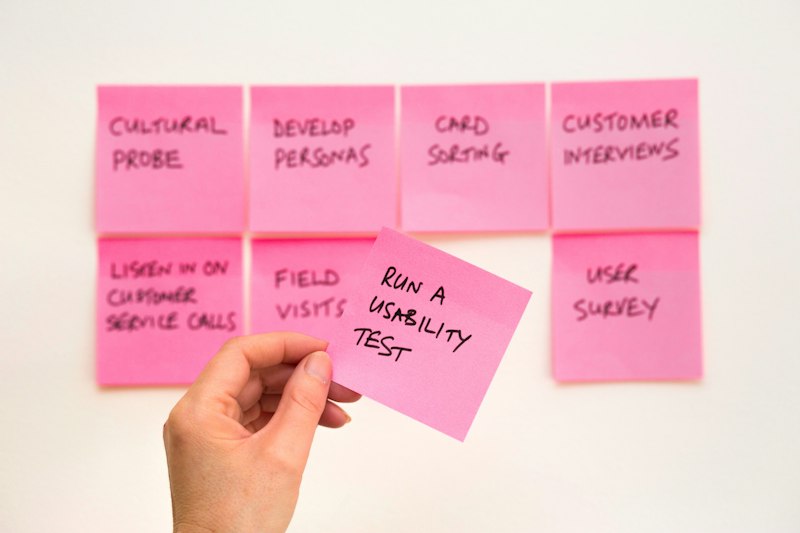
Introduction to the Problem-Solving Interview Paradigm
Problem-solving interviews have cemented their position as a fundamental component of the modern talent acquisition strategy across a multitude of industries and organizational structures. Unlike traditional interviews that focus primarily on past behavioral examples or technical knowledge recall, this specialized assessment methodology is meticulously designed to gauge a candidate’s cognitive agility, critical reasoning capabilities, and inherent capacity to navigate ambiguity. The core objective is to move beyond superficial qualifications listed on a resume and instead gain deep, actionable insight into how a prospective employee will approach unforeseen challenges, process complex information, and, ultimately, generate creative and viable solutions when faced with real-world business obstacles. This forward-looking approach allows employers to assess potential effectiveness in roles that demand frequent decision-making under pressure, thereby serving as a potent predictor of future job performance and organizational adaptability.
The increasing popularity of this interview style reflects a broader shift in organizational priorities. In today’s rapidly evolving professional landscape, characterized by continuous technological disruption and shifting market dynamics, the ability to merely execute tasks is often secondary to the capacity for sustained, independent analytical thought. Organizations seek individuals who are not simply repositories of technical skills but are active participants in identifying systemic inefficiencies and architecting innovative improvements. Consequently, the problem-solving interview is structured to test the candidate’s methodology—the process used to break down the problem—rather than focusing solely on the correctness of the final answer. This emphasis on structured thinking, logical progression, and transparent communication during the analysis phase is invaluable for roles requiring strategic oversight, project management, or leadership potential, where effective communication of complex ideas is paramount.
The complexity inherent in these interview formats requires both candidates and interviewers to adopt specific strategies to maximize the effectiveness of the exchange. For the candidate, preparation necessitates not only a review of foundational knowledge but also rigorous practice in applying logical frameworks under time constraints. For the employer, conducting this type of assessment demands clarity, structure, and a deep understanding of the evaluation criteria necessary to objectively assess nuanced responses. This comprehensive examination will delve into the strategic purpose underpinning these assessments, categorize the various types of questions utilized, outline the essential steps for robust candidate preparation, detail the optimal techniques for interview execution by the hiring team, and finally, discuss the analytical methods used to interpret candidate performance and predict professional success.
The Strategic Purpose of Problem-Solving Assessments
The primary strategic goal of employing problem-solving assessments is to evaluate a candidate’s innate ability to identify, dissect, and solve intricate problems in a manner that is both timely and highly effective. This goes far beyond merely offering a quick fix; employers are intensely focused on assessing the candidate’s entire analytical trajectory, from initial problem definition and scope setting to the final articulation of a justified recommendation. These interviews are designed to simulate the cognitive demands of the role, revealing whether a potential employee possesses the necessary intellectual horsepower to navigate scenarios where information is incomplete, resources are constrained, or stakeholders hold conflicting priorities. The ability to manage these critical variables successfully is directly correlated with high performance in complex, fast-paced professional environments.
Furthermore, problem-solving interviews serve as an exceptional mechanism for gauging a candidate’s decision-making efficacy under varying degrees of pressure and uncertainty. When confronted with a novel, challenging scenario during the interview, the candidate’s reaction provides a transparent window into their professional temperament and resilience. Employers gain crucial insights into whether the individual tends toward calculated risk-taking, relies heavily on precedent, or freezes when confronted with ambiguity. This evaluation is critical for roles involving significant organizational responsibility, as it allows the hiring team to gauge how a candidate will handle situations requiring difficult, high-stakes decisions that have broad organizational impact. The assessment reveals not just what the candidate knows, but how they deploy that knowledge when the path forward is unclear, offering strong predictive validity regarding leadership potential and crisis management skills.
A key function of this assessment model is the comprehensive evaluation of critical thinking and creative problem-solving abilities. Employers are deliberately seeking candidates who can move past superficial symptoms to accurately identify root causes and systemic issues. This involves the capacity for logical inference, the ability to synthesize disparate data points into a coherent narrative, and the intellectual courage to challenge underlying assumptions. Moreover, creative thinking is highly valued; organizations thrive on innovative solutions, and the interview allows candidates to demonstrate their capacity to generate non-obvious alternatives when conventional methods prove inadequate. By observing the candidate’s approach, interviewers can determine if the individual possesses the intellectual curiosity and structured creativity required to drive genuine innovation within the company.
Core Competencies Evaluated During the Interview
The problem-solving interview is fundamentally a multi-faceted evaluation tool that simultaneously assesses several core competencies vital for professional success. Foremost among these is analytical prowess, which encompasses the candidate’s ability to structure complex information, categorize relevant variables, and apply logical frameworks to derive insights. This involves demonstrating proficiency in breaking down massive, amorphous problems into smaller, manageable components—often referred to as the MECE (Mutually Exclusive, Collectively Exhaustive) principle—ensuring that all facets of the problem are addressed systematically without overlap. The utilization of data, whether hypothetical or provided, to support assumptions and drive conclusions is another critical marker of analytical strength that interviewers rigorously assess.
A second pivotal competency is innovative thinking and the capacity for generating novel solutions. In many high-level roles, simply applying textbook solutions is insufficient; organizations require employees who can think laterally and propose unconventional strategies that address market gaps or organizational bottlenecks. The problem-solving interview provides the ideal environment for candidates to showcase divergent thinking by proposing multiple alternatives, even those that initially appear radical, and then logically evaluating the feasibility, risks, and potential returns of each option. This ability to synthesize creativity with pragmatism distinguishes a merely competent employee from a genuinely transformative one, demonstrating the candidate’s potential to contribute meaningfully to strategic development.
Finally, exceptional communication skills are inextricably linked to successful problem-solving within a professional context. It is not enough for the candidate to arrive at a correct solution; they must also clearly and concisely articulate their entire thought process, assumptions, and supporting rationale to the interviewer. This competency includes the ability to structure a narrative, use precise language, and summarize complex findings into digestible takeaways. Furthermore, communication assessment includes observing the candidate’s responsiveness to prompts, their ability to ask insightful clarifying questions, and their capacity to adapt their communication style when receiving feedback or new data during the scenario, showcasing transparency and collaborative aptitude.
Categorization of Problem-Solving Question Types
Problem-solving questions generally fall into distinct categories, each designed to test different aspects of a candidate’s cognitive toolkit. The first major category comprises Hypothetical Questions, which include traditional brainteasers, estimation puzzles (e.g., market sizing questions), and logic games. These questions are intentionally abstract and often detached from the candidate’s direct professional experience, forcing reliance solely on foundational logic, structured thinking, and mathematical reasoning. Their function is to assess the candidate’s ability to establish a framework from scratch, identify key variables, and maintain composure while navigating an unfamiliar intellectual terrain. A successful response to a hypothetical question demonstrates superior capacity for abstract reasoning and methodological rigor.
The second, and often more prevalent, category involves Real-World Scenarios, frequently presented as Case Studies or Situational Judgement Tests. These scenarios are carefully tailored to mirror the specific challenges, operational constraints, or strategic decisions relevant to the target role or industry. Examples might include optimizing a supply chain, diagnosing a sudden drop in market share, or developing a launch strategy for a new product. The goal here is twofold: to evaluate the candidate’s practical experience and domain knowledge, and to assess their ability to apply that knowledge using a structured approach under simulated professional pressure. Responses must not only be analytically sound but also demonstrate feasibility, resource awareness, and alignment with organizational goals.
A third, hybrid category incorporates questions that blend quantitative analysis with strategic decision-making, often demanding rapid hypothesis generation and testing. These might include questions requiring candidates to perform quick calculations or interpret raw data to inform an immediate strategic recommendation. While some organizations still employ pure brainteasers to test agility and tolerance for ambiguity, the trend is moving toward scenarios that are behaviorally and strategically relevant. Regardless of the specific format, the most sophisticated assessments ensure that the question allows for multiple reasonable pathways to resolution, enabling the interviewer to evaluate the quality of the candidate’s chosen approach and the robustness of their justification, rather than simply checking for a single correct answer.
Best Practices for Candidate Preparation and Strategy
Effective preparation for a problem-solving interview is highly methodical and begins long before the interview day with extensive company and role research. Candidates must transcend superficial knowledge of the company’s services or products, delving deeply into its recent financial performance, significant market challenges, stated strategic goals, and prevailing corporate culture. Understanding the organization’s competitive landscape and the specific challenges currently facing the department they are applying to allows the candidate to contextualize their answers and propose solutions that are highly relevant and actionable. This deep preparatory work enables candidates to ask more insightful clarifying questions during the interview, demonstrating proactive engagement and strategic alignment.
The core of preparation involves mastering and internalizing various structured problem-solving frameworks. Candidates should be comfortable employing methodologies such as the Issue Tree, the Pyramid Principle, Hypothesis-Driven approaches, or established frameworks like Porter’s Five Forces, depending on the nature of the expected case. The goal is not memorization, but the ability to flexibly deploy a logical structure under stress. Consistent practice with complex cases ensures that the candidate can articulate their structure transparently—defining the scope, prioritizing investigation avenues, listing assumptions, and proposing potential solutions—before diving into the granular details. This demonstration of organizational thought process is often weighted more heavily than the final solution itself.
Furthermore, candidates must strategically manage the interview interaction itself. It is paramount that the candidate adopts an active role, transforming the interview into a collaborative dialogue rather than a passive examination. This involves actively seeking clarifying information from the interviewer to fill informational gaps or confirm critical assumptions before proceeding with the analysis. Candidates should utilize the “narrative monologue” technique, verbalizing their step-by-step reasoning, justifying every decision, and signaling when they are shifting focus to a new component of the problem. This transparency allows the interviewer to follow the candidate’s logic and intervene with relevant data or feedback, thereby demonstrating the candidate’s ability to incorporate new information and self-correct during a dynamic process.
Techniques for Effective Interview Conduct (Employer Perspective)
For employers, conducting a successful problem-solving interview hinges on maintaining stringent clarity and structure throughout the assessment. The initial problem statement must be articulated with precision, clearly defining the constraints, objectives, and any necessary boundary conditions. While the problem should be challenging, intentional ambiguity must be controlled; the interviewer must know precisely which pieces of information they intend to withhold for the candidate to request. This clarity ensures that all candidates are assessed against a consistent baseline and that the evaluation focuses on analytical skill rather than guesswork regarding the problem’s fundamental parameters.
A highly effective technique for the interviewer is adopting the role of a facilitator and guide, rather than a silent evaluator. Interviewers must provide sufficient time for reflection, allowing the candidate several minutes to process the question and organize their initial framework before speaking. Crucially, the interviewer should be prepared to intervene using “scaffolding” techniques—offering structured hints, providing additional data points, or redirecting the candidate if they stray too far off course. This scaffolding is vital because it tests the candidate’s ability to adapt and integrate new information, revealing their learning curve and resilience, which is often a more valuable metric than their initial solution attempt.
Finally, effective interview conduct necessitates meticulous active listening and detailed documentation of the candidate’s responses and behavioral indicators. Interviewers should constantly prompt the candidate to elaborate on assumptions, justify their prioritization choices, and explain the trade-offs inherent in their proposed solutions. Encouraging the candidate to ask questions not only provides crucial information for their analysis but also reveals their intellectual curiosity and ability to identify information gaps. Detailed notes must capture not just the proposed solution, but the entire process: the structure used, the quality of clarifying questions, the ability to handle ambiguity, and the clarity of communication, all of which feed into a standardized scoring rubric for objective evaluation.
Analyzing Candidate Responses and Behavioral Indicators
The analysis of a candidate’s response in a problem-solving interview moves beyond mere assessment of outcome; it is fundamentally an evaluation of the process employed. A strong response is characterized by a high degree of structural integrity, meaning the candidate used a consistent, logical framework to dissect the problem, and that framework was appropriate for the challenge presented. Key indicators of quality include accurate problem definition, effective prioritization of variables for investigation, the logical sequence of steps, and the transparent articulation of justifiable assumptions. Evaluators are looking for evidence that the candidate treated the problem systematically, demonstrating mastery over the complexity rather than being overwhelmed by it.
Behavioral indicators exhibited during the process offer profound insights into the candidate’s potential workplace performance. Evaluators closely watch for signs of resilience under pressure, noting whether the candidate maintains professionalism, articulates thoughts clearly, and demonstrates the capacity to recover gracefully from a momentary misstep or a complex curveball introduced by the interviewer. The willingness to accept feedback, integrate new data (especially data that contradicts their initial hypothesis), and perform rapid self-correction are highly valued attributes. These behavioral signals predict how well the individual will collaborate with a team, handle constructive criticism, and manage inevitable setbacks in a professional environment.
To ensure objectivity and comparability across multiple candidates, the assessment must rely on standardized scoring rubrics that quantify performance across predefined criteria. These rubrics typically allocate points to specific elements, such as the accuracy of problem framing, the analytical depth (moving beyond symptoms to root causes), the creativity and realism of proposed alternatives, and the overall clarity and persuasiveness of the presentation. By standardizing the evaluation metrics, organizations minimize subjective bias, ensuring that the hiring decision is based on demonstrable cognitive competence and strategic alignment, rather than superficial impressions. The rigorous application of such rubrics transforms the problem-solving interview into a reliable, evidence-based predictor of future success.
The Future Role of Problem-Solving Interviews in Talent Acquisition
The role of the problem-solving interview is set to become even more central to talent acquisition as the complexity of the global professional environment continues to escalate. Driven by rapid technological advancements, especially in areas like Artificial Intelligence and automation, the baseline expectation for human roles is shifting away from repetitive tasks toward high-level cognitive work—specifically, the ability to solve novel, unstructured problems that machines cannot yet handle. Consequently, the demand for individuals capable of complex judgment, strategic foresight, and nuanced ethical reasoning will only grow, solidifying the problem-solving interview as the indispensable tool for vetting these uniquely human competencies.
Looking forward, these interviews are increasingly being integrated with other advanced assessment tools to form a comprehensive evaluation suite. While simulations or technical coding assessments can measure specific functional skills, the structured problem-solving interview remains the most effective method for assessing generalized cognitive aptitude and critical thinking methodology. Organizations are leveraging technology to administer preliminary, scaleable case questions online, but the final, in-depth problem-solving interview, conducted live, provides the necessary human interaction to assess communication, resilience, and adaptability in real time—factors crucial for high-stakes leadership roles.
In conclusion, the problem-solving interview represents more than just a phase in the hiring process; it is a sophisticated, strategic investment in identifying high-potential talent capable of driving innovation and organizational success. By systematically evaluating a candidate’s structured thinking, creative capacity, and professional demeanor under analytical stress, employers gain a powerful predictive measure of an individual’s long-term value contribution. Understanding the methodological rigor required for both preparation and execution ensures that employers maximize the utility of this assessment, securing candidates who possess not only the necessary skills but also the cognitive flexibility required to thrive in a perpetually changing professional world.
References
- Faruqi, S. (2020). 10 Problem Solving Interview Questions and Answers. The Balance Careers. https://www.thebalancecareers.com/problem-solving-interview-questions-and-answers-2061225
- Harding, R. (2019). What Is a Problem-Solving Interview?. job-applications.com. https://www.job-applications.com/interview-questions/problem-solving-interview/
- Lombardo, M. (2020). Problem Solving Interview Questions and Answers. MockQuestions. https://www.mockquestions.com/interview/problem-solving-interview-questions-and-answers