Procedural Justice: Why Fairness Beats the Result
Scientifically Reviewed · Dr. Marwa Abd-Alazim · September 30, 2026
Review Criteria & Clinical Standards
This content undergoes rigorous scientific peer-review and medical editorial standards at Arab Psychology Network to ensure clinical accuracy, validity, and compliance with evidence-based guidelines from leading psychological and healthcare authorities (APA / WHO).
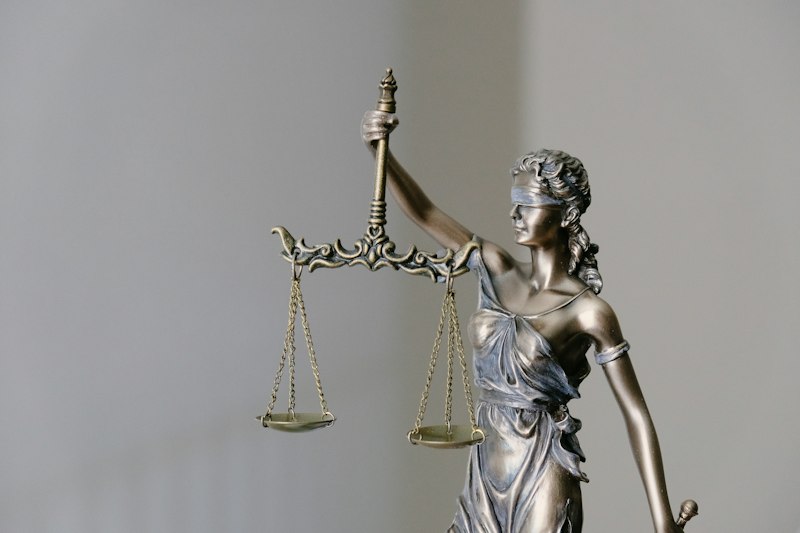
Defining the Theoretical Framework of Procedural Justice
The concept of procedural justice serves as a cornerstone in contemporary psychological and sociological discourse, representing a sophisticated understanding of how individuals perceive fairness within institutional frameworks. Rather than focusing exclusively on the tangible results of a decision, procedural justice emphasizes the integrity of the methods, rules, and protocols employed to reach those conclusions. In various social, legal, and organizational settings, the perception of fairness is often derived less from the favorability of the outcome and more from the perceived legitimacy of the process itself. This paradigm shift in understanding justice suggests that the “how” of decision-making is frequently more psychologically significant to the individual than the “what” of the eventual allocation of resources or punishments.
At its fundamental level, procedural justice addresses the psychological need for individuals to believe they are operating within a system that values equity and transparency. Scholars such as Mesch and Talmud (2014) have articulated that this focus on the decision-making process functions as a primary determinant of how people interact with authority figures and institutional structures. When a person perceives that a process is conducted with rigor and impartiality, they are significantly more likely to view the resulting outcome as valid, even if that outcome is personally disadvantageous or requires a sacrifice of resources. This inherent trust in the system facilitates social cohesion and minimizes the friction typically associated with the enforcement of rules and the distribution of limited assets.
The distinction between procedural justice and distributive justice is critical for a comprehensive understanding of human behavior in complex social systems. While distributive justice concerns the perceived fairness of the final distribution of outcomes—such as salary levels, legal verdicts, or resource allocations—procedural justice investigates the underlying mechanisms that facilitate these results. Research consistently demonstrates that when the procedural elements of a system are robust, individuals demonstrate a higher threshold for accepting outcomes they might otherwise deem unfavorable. Consequently, the study of procedural justice has become an essential tool for administrators, legal professionals, and organizational leaders who seek to maintain social order and institutional integrity through perceived fairness rather than through coercive power.
Furthermore, the application of procedural justice principles is not limited to a single domain but spans across the legal system, corporate environments, and interpersonal relationships. The psychological impact of being treated fairly during a process reinforces an individual’s sense of belonging and status within a group or society. By prioritizing the quality of the treatment and the neutrality of the decision-maker, institutions can foster an environment where participants feel respected and heard. This encyclopedia entry will explore the multifaceted nature of procedural justice, examining its core components, its empirical foundations in legal and organizational research, and the profound implications it holds for compliance and societal stability.
The Primacy of Process over Outcome in Human Psychology
One of the most compelling findings in the study of procedural justice is the observation that the fairness of a process can overshadow the actual outcome of a decision in the minds of the participants. This phenomenon, often referred to as the “fair process effect,” highlights a fundamental aspect of human psychology: the desire for procedural integrity. Mesch and Talmud (2014) emphasize that the focus on the fairness of the decision-making process is a vital predictor of how individuals will react to the decisions made by authorities. When the process is perceived as fair, individuals are psychologically predisposed to accept the result, viewing it as the product of a legitimate system rather than an arbitrary or biased exercise of power.
This psychological prioritization of process over outcome is particularly evident in high-stakes environments where decisions can have life-altering consequences. In these contexts, if an individual feels they were given a “fair shake,” they are less likely to harbor resentment or feel marginalized by the system, even if the result is negative. This suggests that the psychological utility derived from fair treatment is a powerful motivator of social behavior. By ensuring that procedures are consistent, transparent, and based on objective criteria, decision-makers can mitigate the potential for conflict and enhance the overall stability of the group or organization they lead. This focus on process serves as a protective layer that maintains trust during times of scarcity or difficult transitions.
Moreover, the belief that a process was fair acts as a buffer against the negative emotions associated with loss or rejection. When people understand the rationale behind a decision and believe that the same rules were applied to everyone, they are more likely to internalize the decision and comply with its requirements. This internalization is essential for the long-term health of any justice system, as it reduces the need for constant monitoring and enforcement. The work of Tyler et al. (1997) supports this by showing that the perception of fairness leads to a greater sense of social justice within diverse societies, bridging the gap between different groups through shared procedural standards that everyone can respect and follow.
Finally, the emphasis on process over outcome encourages a culture of accountability. When decision-makers are held to specific procedural standards, they are less likely to engage in favoritism or corruption. This accountability reinforces the public’s perception of the institution as a principled entity. Consequently, the study of procedural justice provides a blueprint for building institutions that are not only effective in their outputs but also respected for their methods. By valuing the dignity of the participant throughout the decision-making journey, procedural justice transforms the act of governance or management into a collaborative and respected endeavor rather than a top-down imposition of will.
Procedural Justice within the Legal and Judicial Systems
In the realm of the legal system, the principles of procedural justice are paramount to the maintenance of public trust and the legitimacy of the law. Research conducted by Tyler et al. (1997) has demonstrated that individuals who interact with the court system or law enforcement are significantly more satisfied with their experiences if they perceive the procedures used as fair. This satisfaction is not merely a reflection of winning or losing a case; rather, it is a reflection of whether the individual felt their rights were protected and their voice was heard. In many instances, a person who loses a legal battle but feels the process was fair will report higher levels of satisfaction than someone who wins a case through a process they perceive as corrupt or arbitrary.
The implications of these findings for law enforcement and the judiciary are profound. When the police and the courts are seen as procedurally just, the public is more likely to view them as legitimate authorities. This legitimacy is the foundation of voluntary compliance. According to Mesch and Talmud (2014), procedural justice is directly associated with increased compliance with laws and regulations. When citizens believe that the legal system operates with neutrality and respect, they are more inclined to follow the law even when no one is watching. This reduces the burden on the state to use force or surveillance to ensure order, creating a more harmonious and self-regulating society.
Furthermore, the legal application of procedural justice involves several key components, including the neutrality of the judge, the consistency of legal application, and the opportunity for the defendant to present their side of the story. Tyler (2004) has extensively researched how these elements contribute to police legitimacy. When officers treat citizens with professionalism and explain the reasons for their actions, it de-escalates potential conflicts and builds a rapport between the community and the state. This relational aspect of justice is crucial in diverse societies where different groups may have varying historical experiences with authority; a commitment to procedural fairness can serve as a universal standard that promotes equity across all demographics.
Ultimately, the legal system’s reliance on procedural justice ensures that the “rule of law” is not just a theoretical concept but a lived reality for those who encounter it. By focusing on the transparency of judicial proceedings and the objectivity of legal standards, the system reinforces the idea that justice is a process that can be observed and verified. This visibility of fairness is essential for the credibility of legal institutions. When the public sees that the rules are applied fairly and that decision-makers are held to high ethical standards, the resulting social stability benefits the entire community, fostering a culture where justice is seen as a shared value rather than a tool of the powerful.
Organizational Justice and its Impact on the Workplace
Within the context of organizational psychology, procedural justice plays a vital role in determining employee satisfaction, commitment, and overall performance. Colquitt et al. (2001) performed a comprehensive meta-analytic review of 25 years of research, concluding that fair procedures in the workplace are strongly linked to positive organizational outcomes. Employees are highly sensitive to the methods used by management to determine promotions, raises, and work assignments. When these processes are seen as transparent and bias-free, employees are more likely to feel a sense of loyalty to the organization and are more willing to go above and beyond their basic job descriptions.
The impact of procedural justice on employee performance cannot be overstated. When workers feel that the system for evaluating their performance is fair, they are more motivated to achieve their goals. Conversely, a lack of procedural justice can lead to disengagement, cynicism, and increased turnover rates. If an employee believes that rewards are distributed based on favoritism rather than merit or a consistent set of rules, their motivation to perform well is significantly diminished. Therefore, organizational leaders must prioritize the development of objective criteria and clear communication channels to ensure that all members of the workforce feel the system is weighted in favor of equity and meritocracy.
Moreover, procedural justice in organizations is closely tied to the concept of organizational commitment. Employees who perceive their organization as fair are more likely to identify with its goals and values. This identification fosters a sense of psychological ownership, leading to higher levels of prosocial behavior within the workplace, such as helping colleagues or contributing to a positive work culture. Colquitt et al. (2001) highlight that the fairness of the process acts as a signal to employees about their value to the organization. Being treated fairly suggests that the organization respects its members, which in turn boosts morale and retention.
In addition to performance and commitment, procedural justice is a key factor in conflict resolution within the workplace. When disputes arise between employees or between an employee and management, the perceived fairness of the resolution process determines whether the conflict is truly settled or if it will continue to fester. A fair process involves giving all parties a chance to speak, using accurate information, and ensuring that the final decision-maker is unbiased. By adhering to these principles, organizations can manage internal tensions effectively, maintaining a productive and harmonious environment that supports long-term growth and success.
Core Elements: Voice and Meaningful Participation
One of the most essential components of procedural justice is the concept of voice, or the opportunity for individuals to participate in the decision-making process. Tyler et al. (1997) argue that providing individuals with a platform to express their views and influence the outcome is a primary driver of perceived fairness. This participation must be meaningful; it is not enough for authorities to simply listen to feedback without genuinely considering it. When people feel that their input has the potential to affect the final decision, their sense of agency and self-worth is validated, leading to a much higher acceptance of the eventual outcome, regardless of what it is.
The psychological benefit of “voice” stems from the fact that it acknowledges the individual as a valued member of the community or organization. It transitions the decision-making process from a unilateral command to a deliberative interaction. This is particularly important in democratic societies and collaborative workplaces where the autonomy of the individual is highly prized. By creating opportunities for participation, decision-makers can gather better information, identify potential problems early, and build consensus among stakeholders. This collaborative approach not only improves the quality of the decision but also ensures that those affected by it feel they were a part of the process.
Furthermore, the absence of voice can lead to feelings of alienation and disempowerment. When decisions are made behind closed doors without any consultation, individuals often feel that their interests are being ignored or that the decision-makers are out of touch with reality. This perception can quickly erode trust and lead to resistance. To avoid this, institutions must establish formal mechanisms for participation, such as town hall meetings, feedback surveys, or advisory committees. These structures provide a visible and accessible way for people to engage with authority, reinforcing the procedural integrity of the system.
In conclusion, the element of voice is a powerful tool for enhancing the legitimacy of any decision-making body. It transforms the relationship between the authority and the individual from one of subordination to one of engagement. As highlighted by the research of Tyler and colleagues, the ability to participate in the process is a fundamental human desire that, when satisfied, leads to greater social harmony and institutional loyalty. Decision-makers who prioritize voice are essentially investing in the social capital of their organizations, ensuring that they have the support and cooperation of those they lead.
The Role of Neutrality and Unbiased Decision-Making
A second pillar of procedural justice is the requirement for neutrality and objectivity on the part of the decision-maker. For a process to be viewed as fair, it is imperative that the individuals in power are perceived as impartial and not influenced by personal beliefs, prejudices, or external pressures. Colquitt et al. (2001) point out that bias-free decision-making is a critical metric for organizational justice. When people suspect that a decision was “rigged” or that the decision-maker had a preconceived outcome in mind, the entire process loses its credibility, and the resulting decision is often met with hostility and skepticism.
Achieving neutrality requires a commitment to transparency and the use of fact-based criteria. Decision-makers must be able to demonstrate that their conclusions were reached through a logical and consistent application of established rules. This often involves the use of standardized protocols and the public disclosure of the evidence or data used to make the decision. By being transparent about the “how” and “why” of a decision, authorities can prove their objectivity and reassure the public or their employees that the process was handled with honesty and integrity. This openness is a key defense against accusations of corruption or favoritism.
Moreover, the perception of neutrality is closely linked to the idea of consistency. A fair process is one where the same rules are applied to all individuals across different situations and over time. If the rules change depending on who is involved, the process is inherently biased. Consistency ensures that the system is predictable and that everyone is held to the same standard. This level playing field is a fundamental requirement for justice. When people see that the rules are applied uniformly, they are more likely to respect the system and the authorities who administer it, as it removes the fear of arbitrary treatment.
Finally, decision-makers must actively work to identify and mitigate their own implicit biases. This involves ongoing training and the implementation of checks and balances within the decision-making structure. For example, having multiple people review a decision or using a blind evaluation process can help ensure that personal feelings do not influence the outcome. By prioritizing neutrality, institutions can build a reputation for fairness that attracts and retains talented individuals and fosters a culture of trust. In the end, unbiased decision-making is not just an ethical requirement; it is a practical necessity for any system that seeks to be seen as legitimate and just.
Respect and the Interpersonal Treatment Dimension
Beyond the technical aspects of rules and participation, procedural justice includes a significant interpersonal dimension centered on respect and dignity. Tyler (2004) emphasizes that the way authorities treat individuals during an interaction is a major factor in how fair the process is perceived to be. Respectful treatment signals to the individual that they are a valued member of society or the organization, which has a profound impact on their self-esteem and their willingness to cooperate with authority. Even if the news being delivered is negative, being treated with politeness and professionalism can make the situation much more bearable and the decision more acceptable.
The interpersonal treatment dimension of procedural justice is often referred to as interactional justice. It involves the quality of communication and the level of sensitivity shown by the decision-maker. Authorities who take the time to explain their decisions, listen to concerns, and treat people with courtesy are much more likely to be viewed as fair. This is because respectful treatment fulfills a basic human need for social recognition. When an authority figure treats someone with contempt or indifference, it sends a message that the person is not important, which can lead to feelings of indignation and rebellion. Therefore, training in communication skills and emotional intelligence is essential for anyone in a leadership or authority position.
Furthermore, the relational model of procedural justice suggests that people use the treatment they receive from authorities as a way to gauge their standing within a group. Being treated fairly and with respect reinforces an individual’s social identity and their connection to the collective. This is particularly important in legal contexts, such as interactions with the police. As Tyler (2004) notes, when officers treat citizens with respect, it enhances the legitimacy of the entire police force. This, in turn, encourages people to report crimes, provide information, and comply with the law, creating a safer and more cooperative community.
In summary, the role of respect in procedural justice is to humanize the administrative and legal processes that govern our lives. It ensures that individuals are treated as ends in themselves rather than just cases or numbers in a system. By prioritizing dignity and respectful communication, decision-makers can bridge the gap between authority and the public, fostering a sense of mutual respect that is essential for the long-term health and stability of any social system. This interpersonal focus is the “heart” of procedural justice, providing the emotional foundation upon which trust and cooperation are built.
Implications for Compliance and Social Stability
The ultimate goal of fostering procedural justice is to ensure social stability and voluntary compliance with rules and authority. The research conducted by Mesch and Talmud (2014) provides strong evidence that when people perceive the justice system as procedurally fair, they are more likely to follow laws and regulations. This is a critical insight for governance, as no state or organization can afford to enforce every rule through coercion or surveillance alone. Voluntary compliance is a much more efficient and sustainable way to maintain order, and it is directly tied to the perceived legitimacy of the procedures used to create and enforce those rules.
Social stability is further enhanced when procedural justice is applied consistently across all levels of society. When diverse groups—regardless of their wealth, status, or background—feel they are treated fairly by the legal and political systems, the potential for social unrest is significantly reduced. Tyler et al. (1997) argue that procedural justice is a key ingredient for social justice in a diverse society. It provides a common ground where people with different interests can agree on the fairness of the process, even if they disagree on the outcomes. This shared commitment to fair procedures acts as a social glue that holds complex societies together during times of conflict or change.
Moreover, the benefits of procedural justice extend to the performance and efficiency of institutions. In organizational settings, as noted by Colquitt et al. (2001), fair procedures lead to higher employee commitment and better performance. When workers trust that the system is fair, they are more willing to invest their time and energy into their work, knowing that their efforts will be recognized and rewarded through a transparent and unbiased process. This creates a virtuous cycle of trust, effort, and success that benefits both the individual and the organization. In this sense, procedural justice is not just a moral imperative but a strategic advantage for any institution.
Finally, the long-term sustainability of any system of authority depends on its ability to be seen as just. Procedural justice provides the empirical basis for this perception. By ensuring that decisions are explained, feedback is heard, and participation is encouraged, authorities can build a reservoir of goodwill that they can draw upon during difficult times. When people believe in the fairness of the system, they are more likely to support it even when it makes mistakes or faces challenges. This institutional resilience is the true power of procedural justice, making it one of the most important concepts for understanding and managing human behavior in social, legal, and organizational contexts.
Conclusion and Synthesis of Procedural Justice Research
In conclusion, procedural justice represents a vital and multifaceted concept for understanding fairness in decision-making processes. As we have seen through the research of Tyler, Colquitt, and Mesch and Talmud, the way decisions are made and the way people are treated during that process are primary determinants of satisfaction, compliance, and performance. Whether in the legal system or an organizational context, the perception of fairness is built on the pillars of voice, neutrality, respect, and transparency. These elements work together to create a sense of legitimacy that is essential for the smooth functioning of any group or society.
The psychological power of procedural justice lies in its ability to satisfy the human need for dignity and agency. By giving people a voice and treating them with respect, authorities acknowledge their value and status. This, in turn, fosters trust and a willingness to cooperate, even when the outcomes of the process are not personally favorable. The evidence is clear: people are more likely to accept and abide by decisions if they believe the process that produced them was principled and unbiased. This makes procedural justice an indispensable tool for anyone in a position of authority who seeks to lead effectively and ethically.
To ensure that decisions are perceived as fair, decision-makers must be deliberate and transparent in their actions. They should make a concerted effort to explain the rationale behind their decisions, actively listen to and consider feedback, and create meaningful opportunities for participation. Additionally, they must remain unbiased and ensure that their personal beliefs do not interfere with the objective application of rules. By adhering to these principles, institutions can build a culture of fairness that promotes social harmony, employee engagement, and legal compliance, ultimately leading to a more just and stable society for everyone.
References
- Colquitt, J. A., Conlon, D. E., Wesson, M. J., Porter, C. O. L. H., & Ng, K. Y. (2001). Justice at the millennium: A meta-analytic review of 25 years of organizational justice research. Journal of Applied Psychology, 86(3), 425–445. https://doi.org/10.1037/0021-9010.86.3.425
- Mesch, G. S., & Talmud, I. (2014). The impact of procedural justice on legal compliance. The ANNALS of the American Academy of Political and Social Science, 651(1), 217–235. https://doi.org/10.1177/0002716213516584
- Tyler, T. R. (2004). Enhancing police legitimacy. In D. Weisburd & A. Braga (Eds.), Police innovation: Contrasting perspectives (pp. 17–44). Cambridge: Cambridge University Press.
- Tyler, T. R., Boeckmann, R. J., Smith, H. J., & Huo, Y. J. (1997). Social justice in a diverse society. Boulder, CO: Westview.