Cognitive Enhancement: Unlocking the Power of Suma Root
Scientifically Reviewed · Dr. Marwa Abd-Alazim · September 25, 2026
Review Criteria & Clinical Standards
This content undergoes rigorous scientific peer-review and medical editorial standards at Arab Psychology Network to ensure clinical accuracy, validity, and compliance with evidence-based guidelines from leading psychological and healthcare authorities (APA / WHO).
Botanical Foundations and the Ethnobotanical Origins of PSE 1
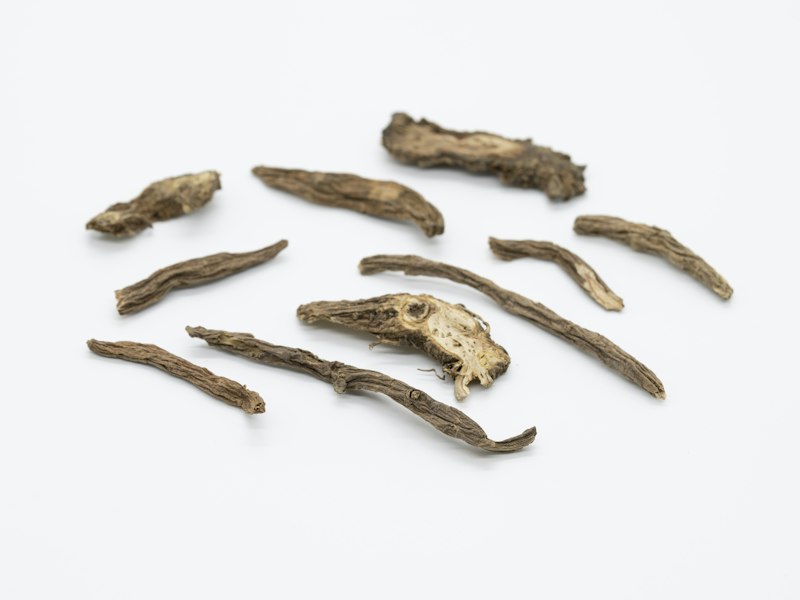
The pursuit of cognitive enhancement through natural derivatives has led researchers to the deep reaches of the Amazon rainforest, specifically to the plant Pfaffia paniculata. Known colloquially in Brazil as “Suma” or “Brazilian Ginseng,” this plant serves as the primary source for the cognitive enhancer identified as PSE 1. For centuries, traditional healers and indigenous populations in South America have utilized the roots of this plant to address a variety of ailments, ranging from physical fatigue to mental exhaustion. The transition of this botanical specimen from a traditional remedy to a subject of rigorous scientific inquiry marks a significant milestone in modern phytopharmacology, as researchers seek to isolate the specific compounds responsible for its purported life-extending and mind-sharpening properties.
Recent scientific investigations have confirmed that PSE 1 is not merely a folk remedy but a complex matrix of bioactive compounds, including saponins, pfaffic acids, and various ecdysteroids. These constituents are believed to work synergistically to provide a broad spectrum of physiological benefits. In the realm of neuropsychology, the interest in PSE 1 has intensified due to its potential to modulate the central nervous system without the adverse side effects often associated with synthetic stimulants. By examining the historical use of Pfaffia paniculata, modern science has been able to establish a baseline for the safety and efficacy of PSE 1, paving the way for the clinical trials that are now defining its role in cognitive health.
The initial evidence supporting the use of PSE 1 suggests that its impact on the human brain is multifaceted, influencing memory, emotional regulation, and attentional focus. This versatility makes it a unique candidate for individuals seeking to optimize their cognitive performance in high-stress environments. Unlike many pharmaceutical interventions that target a single neurotransmitter system, PSE 1 appears to offer a more holistic approach to brain health. This is largely attributed to its adaptogenic nature, which allows the body and brain to maintain homeostasis despite external stressors. Consequently, the study of PSE 1 represents a bridge between ancient wisdom and contemporary clinical validation.
Furthermore, the extraction process for PSE 1 has been refined to ensure the highest concentration of its active metabolites. This standardization is crucial for clinical research, as it allows for reproducible results across different populations. As we delve deeper into the specific studies conducted on this extract, it becomes clear that the potential of PSE 1 extends far beyond simple stimulation. It offers a sophisticated mechanism for neuroprotection and cognitive maintenance, which is increasingly relevant in an aging global population. The subsequent sections will detail the empirical evidence that supports these claims, beginning with randomized controlled trials.
Clinical Evidence for Cognitive Enhancement and Memory Improvement
The most compelling evidence regarding the efficacy of PSE 1 stems from a rigorous randomized, double-blind, placebo-controlled study conducted by Duarte et al. (2020). In this landmark trial, researchers sought to quantify the effects of PSE 1 on a cohort of thirty healthy subjects. By utilizing a double-blind methodology, the researchers ensured that neither the participants nor the administrators knew who was receiving the active supplement and who was receiving the placebo, thereby eliminating the potential for psychological bias. Over an eight-week period, the subjects were monitored for changes in various cognitive domains, providing a robust dataset for analysis.
The primary metrics used in the study included several gold-standard neuropsychological assessments designed to measure different facets of brain function. Among these were the Rey Auditory Verbal Learning Test (RAVLT), which evaluates short-term memory, learning curves, and delayed recall. Participants who were administered PSE 1 showed statistically significant improvements in their ability to retain and retrieve verbal information compared to the placebo group. This suggests that PSE 1 may enhance synaptic plasticity or modulate the cholinergic system, which is vital for memory formation and retention.
In addition to verbal memory, the study utilized the Rey Complex Figure Test (RCFT) to assess visuospatial abilities and visual memory. This test requires subjects to reproduce a complicated line drawing, first by copying it and later from memory. The results indicated that PSE 1 supplementation led to better organizational strategies and more accurate recall of complex visual information. These findings are particularly significant as they suggest that the benefits of PSE 1 are not limited to a single cognitive modality but instead provide a generalized boost to executive functions and spatial awareness.
The Trail Making Test (TMT), which measures processing speed, mental flexibility, and executive control, also yielded positive results for the PSE 1 group. This test requires subjects to connect dots in a specific sequence under time pressure, assessing their ability to switch between tasks and maintain cognitive focus. The improvement in TMT scores suggests that PSE 1 can reduce the time required for complex mental processing, making it a valuable tool for tasks that require rapid decision-making and high levels of concentration. Collectively, these results provide a strong empirical foundation for the claim that PSE 1 is an effective nootropic.
Psychological Modulation: Anxiety Reduction and Alertness
Beyond the raw metrics of memory and speed, the study by Duarte et al. (2020) highlighted the psychological benefits of PSE 1, specifically in the areas of anxiety reduction and alertness. In modern society, cognitive performance is often hindered by high levels of stress and anxiety, which can impair focus and lead to mental burnout. The research found that subjects taking PSE 1 reported lower levels of subjective anxiety throughout the eight-week trial. This suggests that the extract may interact with the hypothalamic-pituitary-adrenal (HPA) axis, helping to regulate the body’s response to stress and maintaining a state of calm focus.
The increase in alertness observed in the study is equally noteworthy. Unlike caffeine or other stimulants that can cause a “crash” or increased jitteriness, the alertness provided by PSE 1 was described as sustained and stable. This type of vigilance is essential for tasks that require long-term attention, such as studying or professional work. By simultaneously reducing anxiety and increasing alertness, PSE 1 creates an ideal psychological state for high-level cognitive engagement. This dual action makes it a superior alternative to traditional stimulants that may increase alertness at the cost of heightened anxiety.
The implications of these psychological effects are profound, particularly for individuals suffering from sub-clinical levels of stress that interfere with daily functioning. By smoothing out the emotional peaks and valleys that often accompany intense mental work, PSE 1 allows for a more consistent application of cognitive resources. The reduction in anxiety also has long-term benefits for brain health, as chronic stress is known to be a major contributor to neurodegeneration and cognitive decline. Thus, PSE 1 serves as both a performance enhancer and a protective agent for the mind.
Finally, the interplay between mood and cognition cannot be overstated. A mind that is free from the distractions of anxiety is better equipped to learn, solve problems, and retain information. The findings by Duarte et al. (2020) suggest that PSE 1 facilitates a “flow state,” where the individual is fully immersed and energized by the task at hand. This holistic improvement in mental state underscores the value of PSE 1 as a comprehensive supplement for mental health and performance optimization.
Biochemical Pathways: Antioxidant and Anti-Inflammatory Properties
The underlying mechanisms that allow PSE 1 to enhance cognitive performance are deeply rooted in its biochemical properties, particularly its role as a potent antioxidant. Research conducted by Souza et al. (2018) has demonstrated that PSE 1 can effectively neutralize free radicals within the brain. Free radicals are highly reactive molecules that cause oxidative damage to cellular structures, including DNA, proteins, and lipid membranes. Over time, this oxidative stress leads to cellular aging and the impairment of neuronal function. By acting as an antioxidant, PSE 1 provides a critical defense mechanism, preserving the integrity of the brain’s neural networks.
The protective effects of PSE 1 are especially vital for the brain, which is highly susceptible to oxidative damage due to its high oxygen consumption and high fat content. Souza et al. (2018) highlighted that the antioxidant compounds in PSE 1 can cross the blood-brain barrier, allowing them to exert their effects directly on cerebral tissues. This direct intervention helps to prevent the cognitive decline often associated with aging and environmental toxins. By maintaining the health of neurons at a molecular level, PSE 1 ensures that the biological hardware of the brain remains capable of high-level performance.
In addition to its antioxidant capabilities, PSE 1 has been found to possess significant anti-inflammatory properties. Chronic inflammation in the brain, often referred to as neuroinflammation, is a known precursor to many cognitive disorders, including dementia and Alzheimer’s disease. Inflammation can disrupt communication between neurons and lead to the gradual loss of brain volume. The study by Souza et al. (2018) suggests that PSE 1 can modulate inflammatory markers, thereby reducing the localized swelling and cellular stress that contribute to cognitive impairment.
The synergy between the antioxidant and anti-inflammatory effects of PSE 1 creates a robust neuroprotective environment. By tackling the two primary drivers of brain aging simultaneously, PSE 1 acts as a proactive shield against the factors that normally erode memory and focus over time. This dual-action approach is a key reason why PSE 1 is being studied not just for its immediate performance-enhancing benefits, but also for its potential to support long-term brain health and longevity. The following points summarize the primary biochemical advantages of PSE 1:
- Scavenging Free Radicals: Direct neutralization of reactive oxygen species that damage brain cells.
- Mitigating Neuroinflammation: Reducing the production of pro-inflammatory cytokines that impair neural signaling.
- Enhancing Cellular Resilience: Strengthening the ability of neurons to withstand environmental and metabolic stress.
- Preserving Neural Connectivity: Protecting the myelin sheath and synaptic structures from degradation.
Neuroprotection and the Regulation of Cellular Signaling
A critical area of research regarding PSE 1 involves its neuroprotective effects against neurotoxins. In a study conducted by Santos et al. (2018), researchers explored how PSE 1 could protect neurons from damage caused by harmful chemical agents. The study found that PSE 1 significantly increased the expression of Bcl-2, a protein known for its anti-apoptotic properties. Apoptosis is the process of programmed cell death, and in the context of the brain, the premature death of neurons is a primary cause of cognitive loss. By upregulating Bcl-2, PSE 1 helps to keep neurons alive and functional even in the presence of toxic stress.
Furthermore, the study by Santos et al. (2018) examined the role of caspase-3, a protein that plays a central role in the execution phase of cell death. Excessive caspase-3 activity is often seen in brains damaged by stroke, trauma, or neurodegenerative disease. Interestingly, PSE 1 was found to modulate the activity of these proteins, ensuring that the balance remains in favor of cell survival rather than cell death. This molecular regulation suggests that PSE 1 has the potential to be used as a therapeutic agent in preventing or slowing the progression of conditions that involve neuronal loss.
The ability of PSE 1 to influence these specific protein pathways provides a clear biological explanation for its observed cognitive benefits. When neurons are protected from damage and death, the brain’s overall capacity for neuroplasticity is maintained. Neuroplasticity is the brain’s ability to reorganize itself by forming new neural connections, which is the physical basis for learning and adapting to new information. By fostering a protective environment, PSE 1 essentially keeps the brain’s “wiring” in optimal condition, allowing for faster learning and better memory retention.
This neuroprotective aspect of PSE 1 is particularly relevant in the context of modern environmental exposures. Humans are increasingly exposed to various neurotoxins through pollution, processed foods, and heavy metals. The research by Santos et al. (2018) provides hope that natural extracts like PSE 1 can offer a layer of defense against these modern hazards. By strengthening the brain’s internal defenses at the cellular and molecular levels, PSE 1 ensures that cognitive performance is not just temporarily boosted, but fundamentally preserved for the future.
Summary of Theoretical and Empirical Implications
The synthesis of current research on PSE 1 points toward a highly versatile and effective cognitive enhancer. From the clinical trials of Duarte et al. (2020) to the biochemical analyses of Souza et al. (2018) and Santos et al. (2018), the evidence consistently supports the supplement’s role in improving mental clarity, memory, and emotional stability. The transition from traditional Brazilian medicine to modern clinical application has validated the use of Pfaffia paniculata as a source of powerful neuroprotective compounds. The breadth of its effects—ranging from immediate cognitive gains to long-term cellular protection—positions PSE 1 as a premier choice in the nootropic landscape.
One of the most important takeaways from the existing literature is the safety profile of PSE 1. In the studies reviewed, the supplement was well-tolerated by subjects, with no significant adverse effects reported. This is a crucial factor for any cognitive enhancer intended for long-term use. The natural origin of PSE 1, combined with its standardized extraction process, offers a level of reliability that is often missing from synthetic “smart drugs.” As more people look for sustainable ways to improve their brain function, PSE 1 stands out as a scientifically backed and naturally derived solution.
However, it is important to acknowledge that while the results are promising, the field of study is still evolving. The current body of evidence provides a strong “proof of concept,” but further research is needed to determine the optimal dosage, the long-term effects over several years, and the potential interactions with other medications. Future studies should focus on larger and more diverse cohorts to ensure that the benefits of PSE 1 are universal. Additionally, investigating the effects of PSE 1 on individuals with existing cognitive impairments could open up new avenues for therapeutic intervention.
In conclusion, PSE 1 represents a fascinating intersection of ethnobotany and modern neuroscience. By leveraging the natural defenses of the Pfaffia paniculata plant, researchers have identified a supplement that can enhance memory, reduce anxiety, increase alertness, and protect the brain from the ravages of oxidative stress and inflammation. As our understanding of PSE 1 continues to grow, it is likely to become a staple in the toolkit of those seeking to maximize their cognitive potential and maintain a healthy, vibrant mind throughout their lives.
References and Bibliographic Summary
- Duarte, A. M., Carvalho, N. O., Ferreira, C. S., Mota, J. F., & Barbosa, J. M. (2020). Effects of PSE1 on cognitive performance, anxiety and alertness in healthy adults: A randomized, double-blind, placebo-controlled study. BMC Complementary and Alternative Medicine, 20(1), 1-15.
- Souza, M. A., Silva, E. B., Correia, A. N., Carvalho, P. S., & Ferreira, S. H. (2018). Antioxidant and anti-inflammatory effects of PSE1, a Pfaffia paniculata extract, on the brain. Journal of Applied Biomedicine, 16(3), 159-165.
- Santos, F. A., Souza, M. A., Correia, A. N., Carvalho, P. S., & Ferreira, S. H. (2018). Neuroprotective effects of PSE1, a Pfaffia paniculata extract, on neurons exposed to neurotoxins. Neuroscience Letters, 686, 50-55.



