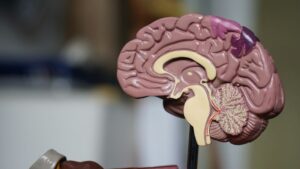
Psychedelic Science: Unlocking the Depths of the Human Mind
Scientifically Reviewed · Dr. Marwa Abd-Alazim · September 3, 2026
Review Criteria & Clinical Standards
This content undergoes rigorous scientific peer-review and medical editorial standards at Arab Psychology Network to ensure clinical accuracy, validity, and compliance with evidence-based guidelines from leading psychological and healthcare authorities (APA / WHO).

Introduction and Conceptual Definition
The term psychedelic drugs identifies a unique class of psychoactive substances characterized primarily by their capacity to induce profound alterations in perception, mood, and cognitive processes, leading to non-ordinary states of consciousness. These experiences often involve sensory distortions, synesthesia, emotional intensification, and deep introspection, frequently described by users as mystical or spiritual in nature. Unlike dissociatives or deliriants, classical psychedelics generally do not cause confusion, amnesia, or stupor at typical doses, but instead enhance the clarity and significance of internal mental content. The scope of substances included under this umbrella is chemically diverse, yet their shared mechanism of action on specific serotonin receptors unites them pharmacologically.
The nomenclature surrounding these compounds is historically significant. The term psychedelic, meaning “mind-manifesting” or “soul-revealing,” was first proposed in 1957 by British psychiatrist Humphry Osmond during correspondence with author Aldous Huxley. Osmond sought a term that was neutral and descriptive of the substances’ potential to reveal previously hidden aspects of the mind, rejecting older labels like “psychotomimetic” (which implied they simply mimicked psychosis) or “hallucinogen” (which only focused on the perceptual distortions). This careful choice of language underscored the early hope that these compounds could serve as powerful tools for psychological research and therapeutic intervention, helping to manifest unconscious thought patterns and emotional conflicts.
A prime example illustrating this category is LSD (Lysergic Acid Diethylamide), which remains the quintessential psychedelic drug against which others are often measured. The experience induced by such agents typically involves a temporary dissolution of the conventional boundaries of the self, coupled with an intense feeling of interconnectedness, a phenomenon central to their current application in treating mental health conditions where rigid thought patterns or emotional avoidance are primary obstacles. Understanding psychedelics requires moving beyond a simple definition of them as agents that merely cause hallucinations, recognizing instead their complex interaction with fundamental neurological systems responsible for consciousness and self-awareness.
Historical Context and Early Discovery
The use of naturally occurring psychedelic substances predates modern pharmacology by millennia, deeply embedded within the spiritual and healing practices of various indigenous cultures across the globe. Plants containing psychoactive compounds, such as peyote (containing mescaline), specific species of psychoactive mushrooms (containing psilocybin and psilocin), and the Amazonian brew ayahuasca (containing DMT), were utilized ceremonially to facilitate divination, spiritual communion, and physical healing. These traditional uses highlight that the substances were rarely consumed recreationally; rather, they were integrated within strict cultural and ritualistic frameworks designed to guide and interpret the intense subjective experiences, demonstrating an early understanding of the critical role of environment and intention.
The modern scientific engagement with psychedelics began dramatically in 1943 when Swiss chemist Albert Hofmann accidentally discovered the potent psychoactive properties of LSD-25, a compound he had first synthesized in 1938 while researching ergot alkaloids. Hofmann’s meticulous documentation of his self-experimentation ushered in an intense period of scientific exploration throughout the 1950s and early 1960s. During this time, thousands of clinical papers were published exploring the potential of psychedelics—particularly LSD and psilocybin—as tools for modeling temporary psychosis, facilitating psychotherapy, and enhancing creativity. These early studies laid the groundwork for contemporary research by establishing methodological approaches, though they were often limited by the nascent state of psychiatric understanding at the time.
The widespread enthusiasm among researchers and clinicians was, however, soon overshadowed by cultural shifts. As psychedelics moved out of the controlled laboratory environment and into mainstream counterculture during the 1960s, regulatory bodies responded by imposing severe restrictions. By the late 1970s, most classical psychedelics, including LSD and psilocybin, were classified as Schedule I controlled substances in the United States and similarly restricted internationally, effectively halting legitimate scientific research for several decades. This scheduling reflected a political and societal reaction to the perceived risks and misuse, rather than a definitive conclusion about their therapeutic potential, leading to a long hiatus in psychedelic science that is only now being reversed.
Chemical Classification and Structural Diversity
Although they produce similar subjective effects, classical psychedelic drugs are structurally diverse, primarily falling into two major chemical families that dictate their interaction with biological targets. The most common and potent agents are derived from or mimic the structure of naturally occurring neurotransmitters. This chemical relationship is key to understanding their profound effects at extremely low doses, often in the microgram range for compounds like LSD, demonstrating their high affinity for specific receptor sites within the central nervous system.
The two primary chemical classes are defined by their core molecular skeleton:
- Indolealkylamines (Tryptamines): These compounds are structurally related to the neurotransmitter serotonin (5-hydroxytryptamine). This class includes many of the most well-known psychedelics, such as Psilocybin and its active metabolite Psilocin (found in magic mushrooms), DMT (Dimethyltryptamine), and LSD. While LSD is technically an ergoline, its psychoactive mechanism is fundamentally linked to its tryptamine core structure, making it a functional member of this group. Tryptamines typically have rapid onset and varying durations, with DMT being extremely short-acting and LSD having a duration that can span ten to twelve hours.
- Phenethylamines: These compounds are structurally related to the catecholamine neurotransmitters, such as dopamine and norepinephrine, though their psychedelic action is still primarily mediated through the serotonergic system. The most prominent naturally occurring example is Mescaline, derived from the peyote cactus. Synthetic phenethylamines, such as those in the 2C-X series, also fall into this category. These substances are often characterized by a longer onset time compared to tryptamines and may produce more distinct visual and somatic effects depending on their specific substitutions.
Despite these structural differences, the unifying characteristic of classical psychedelics is their shared primary pharmacological target, which ensures a consistent profile of effects defined by alterations in perception and thought. This consistency, despite chemical variety, underscores the delicate balance of the brain’s serotonergic system and its powerful influence on conscious experience.
Pharmacological Mechanisms of Action
The defining characteristic of classical psychedelic drugs is their agonistic activity at the 5-HT2A serotonin receptor, particularly those located in the neocortex. These receptors are densely expressed in areas of the brain responsible for higher-order cognitive functions, sensory processing, and introspection. Binding to the 5-HT2A receptor is considered the necessary and sufficient trigger for the initiation of the psychedelic state. The potency of a psychedelic drug correlates strongly with its binding affinity for this specific receptor subtype, suggesting that the precise modulation of 5-HT2A function is the key neurobiological event driving the profound subjective experiences.
The activation of 5-HT2A receptors leads to a cascading series of neurological effects, notably the disruption of established brain network organization. Research utilizing functional magnetic resonance imaging (fMRI) has demonstrated that psychedelics induce a state of “unconstrained” cognition by reducing the activity and connectivity within the Default Mode Network (DMN). The DMN is typically highly active during states of self-referential processing, planning, and maintaining a stable sense of ego. The temporary suppression of the DMN is hypothesized to be the neural correlate of experiences like ego dissolution, feelings of interconnectedness, and the ability to view personal problems from a detached, novel perspective—effects crucial for their therapeutic utility.
Furthermore, while suppressing the DMN, psychedelics simultaneously increase “cross-talk” or functional connectivity between brain regions that normally do not communicate extensively. This state of hyper-connectivity, or increased network entropy, is linked to the phenomenon of synesthesia (mixing of sensory modalities) and the profound novelty of thought reported by users. By temporarily dismantling rigid functional architectures, psychedelics may allow the brain to reset or reorganize its connectivity patterns, providing a window of neural plasticity that can be harnessed through subsequent psychotherapy and integration work.
Subjective Phenomenology and the Role of Set and Setting
The subjective experience induced by psychedelic drugs is notoriously difficult to categorize due to its intensity and variability, often involving feelings that transcend conventional language. Common phenomenological features include vivid, often geometric, closed-eye visuals; profound emotional shifts, ranging from intense euphoria and awe to anxiety and sorrow; and a deep alteration in the perception of time, space, and self. Users frequently report a sense of revelation, feeling that they have gained crucial insight into personal issues or the nature of reality itself, lending credence to Osmond’s original term “mind-manifesting.”
However, the quality and outcome of a psychedelic experience are not solely determined by the chemical agent; they are critically mediated by the paradigm of Set and Setting. “Set” refers to the individual’s internal psychological state, including their mood, expectations, personality, and past experiences. A person entering the experience with high anxiety or unresolved trauma may be more prone to a psychologically challenging experience. Conversely, a positive mindset, curiosity, and specific therapeutic intentions can guide the experience toward beneficial insights.
“Setting” refers to the physical and social environment in which the drug is consumed. In modern therapeutic research, the setting is carefully controlled: sessions take place in comfortable, supportive rooms, typically with soft lighting and music, and always under the guidance of trained, non-judgmental facilitators. This controlled environment is designed to maximize safety and trust, minimizing external distractions that could trigger fear or paranoia. The recognition that Set and Setting are primary determinants of the experience underscores why medical administration of psychedelics must always be coupled with psychological preparation and integration, transforming a potentially chaotic experience into a structured therapeutic intervention.
Therapeutic Re-emergence and Clinical Applications
Following decades of scientific suppression, the 21st century has witnessed a dramatic psychedelic renaissance, marked by renewed, rigorous clinical research into the therapeutic potential of these compounds. Modern studies utilize double-blind, placebo-controlled designs, adhering to the highest standards of pharmacological research, and focusing on indications resistant to conventional treatments. This research strongly suggests that psychedelics, when administered in controlled clinical settings alongside psychotherapeutic support, possess unique efficacy as catalysts for mental health improvement.
Current clinical trials are investigating several key areas where psychedelics appear to offer breakthrough potential:
- Treatment-Resistant Depression (TRD): Studies, particularly those using psilocybin, show rapid and sustained reduction in depressive symptoms after just one or two high-dose sessions. The proposed mechanism involves disrupting negative, ruminative thought loops characteristic of chronic depression.
- Anxiety and Distress in Terminal Illness: Psilocybin has shown remarkable ability to reduce existential anxiety and demoralization in patients facing life-threatening diagnoses, often facilitating acceptance and providing a sense of meaning or peace regarding death.
- Substance Use Disorders: Research focusing on alcohol use disorder and nicotine dependence indicates that psychedelics can significantly increase rates of abstinence, potentially by resetting entrenched addictive behaviors and increasing emotional connectivity and motivation for change.
- Post-Traumatic Stress Disorder (PTSD): Though often grouped with classical psychedelics due to scheduling, certain related compounds are showing immense promise in helping patients process traumatic memories in a safe, controlled manner, reducing the emotional charge associated with the trauma.
The prevailing model posits that psychedelics function not as daily medications, but as acute psychological interventions. The intense, plastic state induced by the drug creates a “window of opportunity” lasting several weeks, during which integrated psychotherapy helps the patient incorporate the insights gained during the peak experience into lasting behavioral changes. This integrated approach distinguishes modern psychedelic-assisted therapy from traditional psychopharmacology.
Risks, Safety Profile, and Contraindications
While classical psychedelics are generally considered physiologically safe—they are non-toxic and possess a low risk of dependency or addiction—their primary risks are psychological. The most common acute adverse event is the psychologically difficult experience, often termed a “bad trip,” characterized by intense paranoia, anxiety, fear, and transient feelings of disintegration. While generally self-limiting, these episodes require careful management and professional support to prevent lasting psychological distress. The environment and the psychological preparation of the user are paramount in mitigating this risk.
A significant, though rare, risk is the precipitation or exacerbation of underlying severe mental illnesses, particularly in individuals with a personal or strong family history of psychotic disorders, such as schizophrenia or bipolar disorder. Due to the profound alteration of cognitive processes, psychedelics are strictly contraindicated for these populations, emphasizing the necessity of thorough psychological screening prior to any controlled administration. These substances can potentially trigger the onset of psychosis in vulnerable individuals, making careful screening a non-negotiable step in research and therapeutic protocols.
Another rare but recognized adverse outcome is Hallucinogen Persisting Perception Disorder (HPPD), a condition characterized by chronic or intermittent visual disturbances (such as halos, trailing lights, or geometric patterns) that persist long after the drug has been metabolized. While the exact prevalence is debated and often linked to prior substance abuse patterns, it represents a genuine concern, particularly for individuals who use psychedelics outside of medical supervision. Overall, when administered in highly controlled clinical settings with rigorous psychological preparation and support, the acute physical risks associated with classical psychedelics are minimal; the primary focus of safety protocols remains the careful management of psychological vulnerability and environment.
Conclusion and Future Trajectory
The history of psychedelic drugs represents a profound trajectory from ancient ritual tools to modern pharmacological agents capable of reshaping consciousness and treating debilitating mental illness. The resurgence of research, built upon the foundations laid by early pioneers like Humphry Osmond, confirms that these substances are far more than mere hallucinogens; they are powerful modulators of brain network function, offering unique access to deep psychological material. The scientific consensus is moving toward viewing psychedelics as crucial adjunctive tools in psychotherapy, rather than standalone pharmacological cures.
The immediate future of psychedelic research is focused on translating promising clinical trial results into regulatory approval for widespread medical use. This includes developing standardized therapeutic protocols, training specialized clinicians, and rigorously defining the long-term safety profile of these treatments. Furthermore, researchers are exploring novel compounds, often termed “next-generation psychedelics,” that aim to retain the therapeutic benefits while potentially minimizing some of the challenging subjective effects, thereby broadening their clinical applicability.
Ultimately, the study of psychedelics continues to challenge fundamental concepts in psychology and neuroscience regarding the nature of consciousness, selfhood, and mental health. Their integration into mainstream medicine promises a paradigm shift, moving treatment away from chronic symptom management toward acute, transformative interventions, necessitating continued ethical scrutiny and rigorous scientific inquiry to unlock their full potential safely and effectively.