Psychogenic Heart Symptoms: When Stress Mimics Disease
Scientifically Reviewed · Dr. Marwa Abd-Alazim · October 7, 2026
Review Criteria & Clinical Standards
This content undergoes rigorous scientific peer-review and medical editorial standards at Arab Psychology Network to ensure clinical accuracy, validity, and compliance with evidence-based guidelines from leading psychological and healthcare authorities (APA / WHO).
Introduction: Defining Psychogenic Cardiovascular Disorder
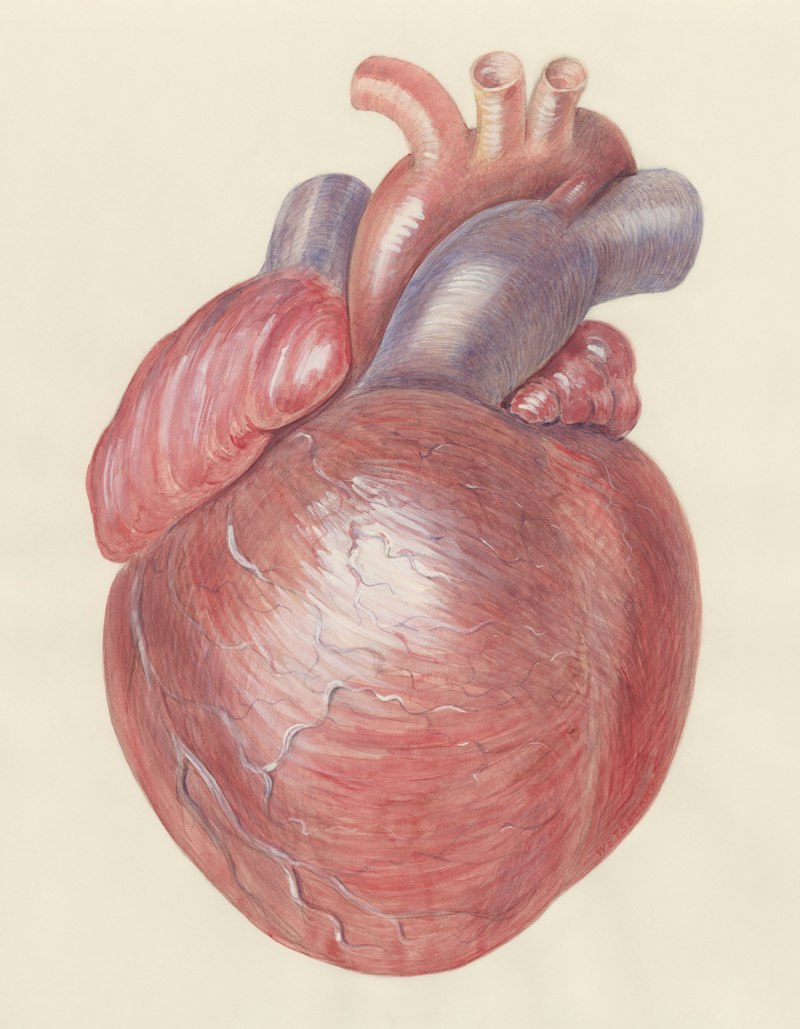
Psychogenic Cardiovascular Disorder (PCD) is a multifaceted and often challenging condition characterized by the manifestation of physical symptoms that mimic serious cardiovascular diseases, yet are primarily driven or exacerbated by psychological and psychosocial factors. It is not a life-threatening organic heart disease, but rather a complex interplay between the mind and body where emotional states, stress, and psychological distress significantly influence the perception and experience of cardiovascular symptoms. These symptoms can include chest pain, palpitations, shortness of breath (dyspnea), and fainting spells (syncope), leading to significant distress and impairment in daily life for affected individuals.
The core principle underlying PCD lies in the profound connection between psychological states and physiological responses, particularly concerning the cardiovascular system. When an individual experiences chronic stress, anxiety, or depression, the body’s physiological responses can become dysregulated. This dysregulation often involves the autonomic nervous system, which controls involuntary bodily functions like heart rate, blood pressure, and respiration. An overactive sympathetic nervous system, often triggered by psychological distress, can lead to symptoms like increased heart rate, sensations of pounding in the chest, and hyperventilation, all of which can be interpreted as signs of a serious heart condition, despite a lack of organic pathology.
While PCD can affect individuals of any gender, historical and contemporary research has often highlighted its prevalence and presentation more extensively in women. The chronic and recurrent nature of these symptoms can impose a substantial burden of disease, impacting quality of life, work productivity, and social functioning. The diagnostic journey for patients with PCD is frequently protracted and challenging, as it necessitates a thorough exclusion of genuine organic cardiovascular disease, followed by a comprehensive assessment that integrates both medical and psychological perspectives. This necessitates a multidisciplinary approach, combining the expertise of cardiologists, psychiatrists, and other mental health professionals.
Historical Background and Evolution of Understanding
The concept of a psychological influence on cardiovascular symptoms is not new; it has roots tracing back centuries, though the terminology and understanding have evolved significantly. Early observations of soldiers experiencing chest pain, palpitations, and fatigue without clear organic cause during wartime led to descriptions like “soldier’s heart” or “effort syndrome” in the 19th century. A prominent figure in this early understanding was Jacob Mendes Da Costa, who, during the American Civil War, extensively described a syndrome of cardiac and respiratory symptoms associated with exertion and emotional distress, which later became known as Da Costa’s Syndrome. This marked an important recognition of non-organic cardiovascular complaints.
In the early 20th century, the rise of psychoanalysis and psychosomatic medicine further explored the mind-body connection, proposing that unresolved psychological conflicts or chronic emotional distress could manifest as physical symptoms, including those affecting the heart. Terms such as “cardiac neurosis” or “neurotic heart” became common, reflecting a growing awareness that psychological factors played a significant role in the presentation of certain cardiovascular complaints. These historical insights laid the groundwork for modern concepts of psychogenic disorders, acknowledging that symptoms, though physically experienced, may have a primary psychological etiology or exacerbating factors.
The contemporary understanding of PCD moves beyond a purely “neurotic” label, embracing a more sophisticated biopsychosocial model. This model recognizes that psychological factors (like stress, anxiety, personality traits), social factors (such as family dynamics, interpersonal relationships, cultural norms), and physiological factors (including autonomic nervous system dysregulation, low-grade inflammation, and endocrine dysfunction) all interact to contribute to the development and persistence of PCD. This integrated view allows for a more comprehensive and compassionate approach to diagnosis and treatment, moving away from a simple dichotomy of “real” versus “imagined” symptoms.
Etiological Factors: A Multifaceted Perspective
The development of Psychogenic Cardiovascular Disorder is attributed to a complex interplay of various factors, rather than a single cause. Psychological factors are paramount, with chronic stress being a primary contributor. Prolonged exposure to stressors, whether occupational, relational, or personal, can lead to persistent activation of the body’s fight-or-flight response, ultimately affecting cardiovascular function. High levels of trait anxiety, characterized by excessive worry and apprehension, along with clinical depression, significantly increase susceptibility to experiencing physical symptoms interpreted as cardiac in nature. Certain personality traits, such as perfectionism, neuroticism, or a tendency towards somatization, can also predispose individuals to PCD.
Social and environmental factors also play a crucial role in the etiology of PCD. Dysfunctional family dynamics, strained interpersonal relationships, or significant social isolation can contribute to chronic emotional distress, which then manifests physically. Cultural norms and expectations regarding health, illness, and the expression of emotions can influence how individuals perceive and present their symptoms. For instance, in some cultures, physical complaints may be a more socially acceptable way to express psychological distress than verbalizing emotional difficulties, leading to a higher likelihood of somatization, including cardiovascular symptoms.
Furthermore, underlying physiological mechanisms are critical in mediating the psychological and social influences on cardiovascular symptoms. Dysregulation of the autonomic nervous system (ANS) is a key physiological component. The ANS, particularly the sympathetic branch, becomes overactive in response to chronic psychological stress, leading to increased heart rate, altered blood pressure, and heightened myocardial sensitivity. Additionally, emerging research suggests roles for low-grade systemic inflammation and endocrine dysfunction, particularly involving the hypothalamic-pituitary-adrenal (HPA) axis, in perpetuating the physical symptoms seen in PCD. These physiological changes create a feedback loop, where perceived physical symptoms further intensify psychological distress, exacerbating the condition.
Clinical Manifestations and Diagnostic Challenges
Patients afflicted with Psychogenic Cardiovascular Disorder typically present with a range of cardiovascular-like symptoms that, critically, lack an identifiable organic cause upon thorough medical examination. Common complaints include chest pain, which can vary in intensity and character but is often described as sharp, stabbing, or aching, and may not conform to typical angina patterns. Palpitations, characterized by a heightened awareness of one’s own heartbeat, often feeling like racing, pounding, or skipped beats, are also frequently reported. Other prevalent symptoms include dyspnea or shortness of breath, particularly when not exerting oneself, and syncope or near-syncope (fainting or feeling faint).
Beyond these primary cardiovascular symptoms, individuals with PCD often experience a constellation of other physical and psychological complaints. These can include pervasive fatigue, persistent dizziness or lightheadedness, recurrent headaches, and gastrointestinal disturbances such as nausea. Psychologically, patients frequently report heightened anxiety, often manifesting as health anxiety or a preoccupation with their symptoms, alongside feelings of impending doom, which can be particularly distressing during episodes of perceived cardiac distress. The combination of these symptoms, coupled with the absence of a clear organic diagnosis, often leads to significant functional impairment and a profound impact on quality of life.
The diagnostic process for PCD is inherently challenging due to its complex and heterogeneous nature, demanding a meticulous and comprehensive approach. The initial and paramount step involves systematically ruling out any organic cardiovascular disease that could account for the symptoms. This typically includes a detailed medical history, thorough physical examination, various laboratory tests (such as cardiac enzymes, thyroid function tests), electrocardiograms (ECGs), echocardiograms, stress tests, and potentially Holter monitoring to assess heart rhythm over time. Only after a rigorous exclusion of physical causes can a diagnosis of PCD be considered. Furthermore, a comprehensive psychological assessment is vital to identify underlying psychological stressors, anxiety disorders, depressive symptoms, or personality factors that contribute to the presentation, making differential diagnosis a crucial and delicate process.
The Impact of Psychogenic Cardiovascular Disorder: A Practical Scenario
To illustrate the profound impact and manifestation of Psychogenic Cardiovascular Disorder, consider the case of Sarah, a 35-year-old marketing executive. Sarah consistently faces high-pressure deadlines, works long hours, and shoulders significant responsibility both professionally and personally, including caring for aging parents. Over the past six months, she has developed recurrent episodes of chest tightness, rapid heartbeats, and occasional feelings of breathlessness, especially during peak stress periods at work or after arguments with family members. These symptoms often appear suddenly, leading to intense fear that she is having a heart attack.
Sarah has visited her doctor multiple times and has undergone numerous cardiovascular tests, including several ECGs, an echocardiogram, and a cardiac stress test. Each time, the results have come back normal, reassuring her that her heart is structurally sound and functioning properly. Despite these clear medical findings, her symptoms persist, and her fear has only intensified. She now avoids situations she associates with her symptoms, such as strenuous exercise or even social gatherings, leading to increased isolation and a significant decline in her overall well-being. The “how-to” of PCD’s application here is evident in the cyclical nature of her experience: the chronic stress from her life activates her autonomic nervous system, leading to physiological changes (e.g., increased heart rate, muscle tension) that she perceives as alarming cardiac events.
This perceived threat, despite medical reassurance, triggers a strong anxiety response, which in turn exacerbates her physical symptoms, creating a vicious cycle. The repeated negative medical workups, while ruling out organic disease, fail to address the psychological root of her distress, leaving her feeling invalidated and increasingly hopeless. Her quality of life is severely compromised, demonstrating how PCD, though not organically life-threatening, can profoundly impair an individual’s daily functioning, mental health, and overall sense of security, highlighting the critical need for an integrated approach to diagnosis and treatment that acknowledges the mind-body connection.
Significance in Psychology and Modern Applications
The concept of Psychogenic Cardiovascular Disorder holds immense significance within the field of psychology, particularly in the subfields of Health Psychology and Psychosomatic Medicine. It serves as a powerful illustration of the intricate mind-body connection, challenging simplistic dualistic views of health and illness. PCD underscores that psychological distress is not merely an emotional experience but can manifest as tangible, distressing physical symptoms, often mimicking serious medical conditions. This understanding is crucial for moving beyond a purely biomedical model of disease and embracing a holistic perspective that considers psychological, social, and biological factors in concert.
In contemporary clinical practice, the principles derived from understanding PCD are applied across various domains. In mental health, it informs the diagnosis and treatment of conditions like Somatic Symptom Disorder and Illness Anxiety Disorder, where physical symptoms or health preoccupations are central. For individuals presenting with unexplained cardiovascular symptoms, recognizing the potential for a psychogenic component guides clinicians towards appropriate psychological assessment and intervention, preventing unnecessary invasive procedures and reducing healthcare costs. This perspective is vital in promoting a more patient-centered approach, where a patient’s lived experience of symptoms is validated, even in the absence of organic pathology.
Furthermore, insights from PCD inform therapeutic strategies that integrate psychological and physiological interventions. For instance, cognitive-behavioral therapy (CBT) is widely used to help patients identify and challenge maladaptive thought patterns related to their symptoms, manage anxiety, and develop coping mechanisms for stress. Relaxation techniques and mindfulness practices are also employed to regulate the autonomic nervous system and reduce physiological hyperarousal. In understanding public health, PCD highlights the significant burden of chronic, unexplained physical symptoms and advocates for integrated care models that bridge cardiology and mental health services, ensuring comprehensive support for affected individuals and reducing the societal impact of chronic illness.
Therapeutic Approaches and Management Strategies
The effective treatment of Psychogenic Cardiovascular Disorder necessitates a comprehensive and multidisciplinary approach, integrating both psychological and physical interventions. The primary goal is not only to alleviate distressing symptoms but also to address the underlying psychological and psychosocial factors that contribute to their onset and persistence. This typically involves collaboration between cardiologists, psychiatrists, psychologists, and other allied health professionals to provide holistic care tailored to the individual’s specific needs and symptom profile.
Psychological interventions form the cornerstone of PCD management. Cognitive-behavioral therapy (CBT) is particularly effective, helping patients to identify and restructure catastrophic interpretations of their bodily sensations, such as interpreting palpitations as an imminent heart attack. CBT also teaches practical coping strategies for managing anxiety, depression, and stress, which are often significant triggers for symptoms. Other beneficial psychological therapies include psychodynamic therapy to explore underlying emotional conflicts, and supportive therapy to provide a safe space for processing distress and building resilience. Relaxation techniques, such as diaphragmatic breathing, progressive muscle relaxation, and mindfulness meditation, are also crucial for directly addressing autonomic nervous system dysregulation and reducing hyperarousal.
Alongside psychological support, physical interventions play a supportive role in managing the physical symptoms and improving overall well-being. Lifestyle modifications are often recommended, including regular physical exercise, which can help regulate the autonomic nervous system, reduce stress, and improve cardiovascular fitness, thereby reducing symptom sensitivity. Dietary adjustments, adequate sleep hygiene, and avoiding stimulants like excessive caffeine can also be beneficial. In some cases, pharmacological therapies may be prescribed, typically for co-occurring conditions such as anxiety disorders or depression, rather than directly treating the cardiovascular symptoms themselves. Antidepressants or anxiolytics, carefully monitored by a physician, can help manage mood and anxiety symptoms, which in turn can reduce the frequency and intensity of psychogenic cardiovascular complaints.
Connections to Related Psychological Concepts and Broader Context
Psychogenic Cardiovascular Disorder exists within a broader landscape of psychological conditions that involve the interplay between mind and body, often categorized under psychosomatic medicine or somatic symptom and related disorders. It shares significant overlap with conditions such as Somatic Symptom Disorder, where individuals experience persistent physical symptoms that cause significant distress or functional impairment, accompanied by excessive thoughts, feelings, or behaviors related to these symptoms. Unlike PCD, which specifically focuses on cardiovascular symptoms, Somatic Symptom Disorder can involve any bodily system.
Another closely related concept is Illness Anxiety Disorder (formerly hypochondriasis), characterized by a preoccupation with having or acquiring a serious illness, despite the absence of significant somatic symptoms or despite having minor somatic symptoms that are disproportionately distressing. While individuals with PCD experience genuine physical symptoms, both conditions involve significant health anxiety and a heightened focus on bodily sensations. Furthermore, PCD can co-occur with or be difficult to distinguish from Panic Disorder, where recurrent, unexpected panic attacks often manifest with intense physical symptoms like chest pain, palpitations, shortness of breath, and dizziness, mimicking acute cardiac events. The key distinction often lies in the episodic, acute nature of panic attacks versus the more chronic and sometimes fluctuating course of PCD.
In a broader psychological context, PCD falls under the umbrella of Health Psychology and clinical psychology, specifically within the area of behavioral medicine. These fields explore how psychological, behavioral, and cultural factors contribute to physical health and illness. Understanding PCD contributes to a more nuanced appreciation of how stress, anxiety, and depression can directly impact physiological systems, necessitating integrated treatment approaches that address both mental and physical health. This interdisciplinary perspective challenges the traditional separation of mind and body, advocating for comprehensive care that recognizes the profound and bidirectional influence between psychological states and physical well-being.
Conclusion
Psychogenic Cardiovascular Disorder represents a significant and intricate challenge in clinical practice, characterized by genuine physical symptoms of cardiovascular origin that are primarily driven or exacerbated by psychological and psychosocial factors. It is a condition that, while not organically life-threatening, imposes a substantial burden of disease due to its chronic nature, recurrent episodes, and the profound distress it causes individuals. The diagnostic process is often prolonged and complex, requiring a meticulous exclusion of organic cardiovascular disease and a comprehensive assessment that integrates medical, psychological, and social considerations.
The understanding of PCD has evolved from early observations of “soldier’s heart” to a sophisticated biopsychosocial model that recognizes the multifaceted etiology involving psychological stressors, social influences, and physiological dysregulation of the autonomic nervous system. Its significance in psychology lies in its compelling demonstration of the mind-body connection, informing fields such as psychosomatic medicine and Health Psychology. Recognizing PCD helps move healthcare towards a more holistic, patient-centered approach, validating the patient’s experience even when physical tests yield normal results.
Effective management of PCD hinges on a multidisciplinary approach, combining psychological interventions like cognitive-behavioral therapy and relaxation techniques with physical interventions such as lifestyle modifications. By addressing both the emotional and physiological components, clinicians can help patients manage symptoms, reduce anxiety, and improve their overall quality of life. Continued research and education are essential to enhance diagnostic accuracy, refine therapeutic strategies, and ultimately reduce the significant impact of this complex disorder on affected individuals and healthcare systems worldwide.