Diabetes Psychology: Mastering the Mind Over Metabolism
Scientifically Reviewed · Dr. Marwa Abd-Alazim · September 15, 2026
Review Criteria & Clinical Standards
This content undergoes rigorous scientific peer-review and medical editorial standards at Arab Psychology Network to ensure clinical accuracy, validity, and compliance with evidence-based guidelines from leading psychological and healthcare authorities (APA / WHO).
Introduction: Defining Diabetes and its Scope
Diabetes is characterized as a chronic, metabolic disease defined by sustained high levels of blood glucose, medically termed hyperglycemia. This debilitating condition arises from defects in the body’s ability to produce insulin, utilize insulin effectively (insulin resistance), or a combination of both mechanisms. As a global health crisis, diabetes affects individuals across all demographics and age groups, ranging from Type 1 diabetes, typically diagnosed in childhood or adolescence, to Type 2 diabetes, which accounts for the vast majority of cases and is often linked to lifestyle factors. The physiological ramifications of uncontrolled diabetes are severe, leading to a host of microvascular and macrovascular complications, including heart disease, cerebrovascular events (stroke), chronic kidney disease (nephropathy), visual impairment and blindness (retinopathy), and peripheral neuropathy often necessitating limb amputation. However, the immense burden of this disease extends far beyond these physical manifestations, profoundly impacting the psychological well-being and mental health of those affected.
Understanding the full impact of diabetes requires a holistic view that acknowledges the intricate interplay between somatic health and psychological state. The constant demands of disease management, coupled with the potential for sudden acute complications (like hypoglycemia or severe hyperglycemia), create an environment ripe for psychological distress. This relentless need for vigilance, encompassing strict dietary adherence, timed medication or insulin administration, and frequent blood glucose monitoring, places significant cognitive load on the patient. Consequently, healthcare professionals and researchers have increasingly recognized that diabetes is not solely an endocrinological disorder but also a complex chronic condition with significant psychosocial dimensions that require dedicated clinical attention.
Failure to address these underlying psychological effects can severely compromise treatment adherence, thereby worsening glycemic control and accelerating the onset of debilitating physical complications, creating a destructive feedback loop that diminishes overall quality of life. The psychological challenges associated with diabetes are often so interwoven with the physical symptoms that they must be viewed as integral components of the disease trajectory itself. Therefore, effective diabetes care necessitates comprehensive screening for psychological sequelae and the provision of integrated mental health support.
Historical Context of Diabetes Recognition
The recognition of diabetes is rooted deeply in antiquity, with descriptions of the characteristic symptoms—excessive thirst (polydipsia) and urination (polyuria)—appearing in medical texts as far back as 3000 BC among the ancient Greeks and Egyptians. Early physicians noted the ‘sweet’ nature of the urine, leading to the name ‘diabetes mellitus,’ meaning ‘to pass through’ (diabetes) and ‘honey-sweet’ (mellitus). Despite this early recognition of its physical symptoms, the underlying pathology remained a mystery for millennia, and treatment focused primarily on severe dietary restrictions which often led to patient starvation. The modern understanding of the disease only began to crystallize in the late 19th and early 20th centuries, marking a pivotal shift in treatment paradigms, moving from purely symptomatic management to biochemical interventions.
A monumental breakthrough occurred in 1921–1922 when Sir Frederick Banting and Dr. Charles Best successfully isolated and purified insulin from canine pancreases. This discovery revolutionized treatment, transforming diabetes from an invariably fatal condition into a manageable, chronic illness. While insulin therapy dramatically extended life expectancy, it simultaneously ushered in a new era of complexity regarding self-management, demanding patient engagement and responsibility on an unprecedented scale. Prior to this, the psychological impact was often overshadowed by the acute, life-threatening nature of the disease; however, as patients survived longer, the chronic, daily psychological toll became increasingly apparent to clinicians and researchers.
By the mid-20th century, research began systematically linking diabetes to various psychological sequelae. Clinicians observed that individuals struggling with the daily routines often reported feelings of persistent stress, generalized anxiety, and clinical depression. These issues were gradually recognized not merely as external comorbidities, but as intrinsic elements of the patient experience exacerbated by the requirements of chronic self-care. The growing body of literature solidified the view that successful diabetes management must incorporate psychological support to address the mental health challenges stemming both from the metabolic disorder itself and the burden of its treatment.
The Dual Burden: Physical and Mental Health Intersections
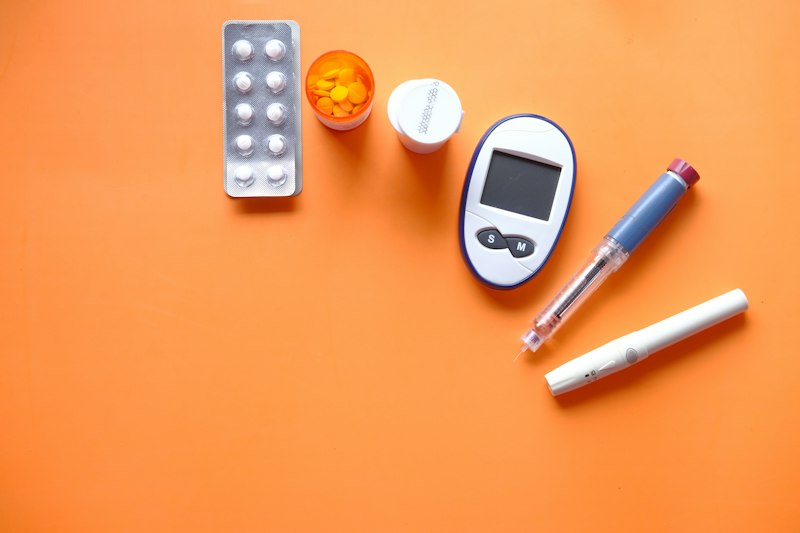
Living with diabetes imposes a substantial “dual burden” on the individual, requiring not only vigilance against physical deterioration but also constant navigation of emotional and mental challenges. The sheer volume of daily tasks required for effective diabetes management—including multiple daily finger pricks for blood glucose monitoring, precise carbohydrate counting, timing of medication or insulin injections, and adherence to rigorous dietary and exercise regimes—can feel relentless and overwhelming. This continuous, high-stakes self-management is a primary catalyst for psychological distress, often referred to as the “tyranny of the immediate.” Patients must constantly act as their own pancreas, making dozens of critical decisions daily, which rarely allows for mental rest or spontaneity.
When mental health deteriorates, adherence to these complex regimes often falters, leading directly to poor glycemic control, which, in turn, can exacerbate mood disturbances due to fluctuating blood sugar levels affecting brain chemistry. Conversely, the physiological mechanisms connecting diabetes and mental health are increasingly understood to be bidirectional. Chronic hyperglycemia itself can induce subtle, yet significant, structural and functional changes in the brain, potentially influencing neurotransmitter balance and contributing to cognitive deficits or mood disorders. This complex relationship means that mental illness in diabetes is not just a reaction to the disease, but also a potential consequence of the metabolic imbalance itself.
Furthermore, heightened states of stress and depression trigger hormonal responses (such as elevated cortisol and inflammatory cytokines) that are known to promote insulin resistance and increase systemic inflammation, thereby directly worsening glycemic control. This biological feedback loop underscores why psychological distress must be treated as an essential component of diabetes care, rather than an optional add-on. Integrated psychological and endocrinological management strategies are thus necessary to break the cycle where poor mental health leads to poor physical health, which subsequently exacerbates psychological suffering.
Specific Psychological Sequelae: Depression and Anxiety
Among the most commonly reported psychological effects in individuals with diabetes are clinical depression and generalized anxiety disorders. Epidemiological data consistently demonstrates that the prevalence of clinical depression is approximately twofold higher in people with diabetes compared to the general population, regardless of diabetes type. This elevated risk is critical because depression significantly impairs the ability to perform the necessary self-care activities—such as healthy eating, regular exercise, and medication adherence—leading directly to poorer glycemic outcomes. Meta-analytic reviews, such as the seminal work by Lustman et al. (2000), established a clear and detrimental link between depressive symptoms and impaired glycemic control (high HbA1c). The symptoms of depression in diabetes often include pervasive sadness, loss of interest (anhedonia), chronic fatigue unrelated to blood sugar, sleep disturbances, and intense feelings of hopelessness regarding the future and the prognosis of the disease.
Anxiety is also highly prevalent, often manifesting as excessive worry related to acute complications, particularly the debilitating fear of severe hypoglycemia (low blood sugar). Hypoglycemia can be disorienting, involve loss of consciousness, and requires immediate intervention, making the fear of it a constant shadow for many patients on insulin therapy. This constant fear can lead to ‘defensive’ or maladaptive coping behaviors, such as intentionally keeping blood glucose levels slightly elevated (a behavior known as “fear of hypo”), which successfully reduces the immediate risk of a hypo event but significantly increases the long-term risk of microvascular complications like retinopathy and nephropathy. This trade-off illustrates the profound psychological conflict inherent in managing the condition.
Beyond the fear of acute events, patients often experience generalized anxiety related to the long-term progression of the disease, including potential blindness, kidney failure, or amputation. This constant contemplation of future disability creates significant emotional strain and contributes to a state of chronic worry. Because the link between these mental health conditions and diabetes is so strong, they are often considered chronic complications themselves. Effective screening for both depression and anxiety using standardized psychological tools should therefore be a routine and mandatory part of comprehensive diabetes care appointments to ensure early detection and intervention, preventing these disorders from derailing physical treatment.
Stress, Burnout, and Diabetes Distress
While depression and anxiety are formal psychiatric diagnoses, a unique and pervasive psychological state termed “diabetes distress” (DD) affects a substantial majority of people with the condition at some point in their lives. Diabetes distress is defined as the emotional response to living with diabetes and the burden of self-management; it is distinct from clinical depression but shares overlapping symptoms like frustration, resentment, and feeling overwhelmed. DD arises specifically from concerns about daily routines, lack of social support, perceived lack of control over blood glucose numbers, and the omnipresent fear of long-term complications. Unlike depression, DD is primarily focused on the disease itself and its management, rather than a generalized low mood.
Chronic stress stemming from the daily grind of management frequently leads to a state known as diabetes burnout. This profound emotional and physical exhaustion occurs when an individual, overwhelmed by the relentless demands of the condition, temporarily or permanently disengages from essential self-care activities. Individuals experiencing burnout may stop monitoring blood sugars entirely, skip insulin or medication doses, or abandon dietary restrictions, often resulting in dangerous glycemic instability and emergency room visits. Burnout is a serious risk factor for rapid physical deterioration and represents a profound psychological crisis where the patient perceives the effort required for management as outweighing the perceived benefits, leading to feelings of apathy and surrender.
Recognizing the crucial difference between diabetes distress and clinical depression is vital for effective treatment. Diabetes distress often responds best to targeted diabetes education, skill-building focused on self-efficacy, behavioral modification, and peer support interventions that normalize the feelings of burden. In contrast, clinical depression, characterized by pervasive anhedonia and hopelessness extending beyond diabetes concerns, typically requires formal psychotherapy (such as CBT) and sometimes pharmacotherapy. Healthcare providers must be trained to differentiate these states to apply the most appropriate and effective interventions.
Impact on Self-Esteem and Stigma
A diabetes diagnosis, particularly when chronic complications begin to manifest or when intensive treatment modalities (like pumps or multiple daily injections) are introduced, can profoundly impact an individual’s self-esteem and body image. The necessary medical routines, such as frequent finger pricks, insulin injections, or the visual presence of continuous glucose monitors (CGMs) or pumps, can make the condition highly visible, leading to feelings of difference, isolation, or embarrassment, particularly among adolescents and young adults navigating social environments. Furthermore, the relentless focus on body metrics—weight, blood pressure, and blood glucose numbers—can foster an unhealthy relationship with one’s own body, often resulting in decreased self-worth tied directly to biological measurements.
The experience of stigma—the negative social label applied to those with diabetes—is a major contributor to psychological distress and is particularly acute for individuals with Type 2 diabetes. Societal perceptions often involve harmful stereotyping, linking the condition solely to poor lifestyle choices, regardless of complex genetic, environmental, or socioeconomic factors. This leads to intense feelings of guilt and shame among patients, internalizing the belief that their illness is a moral failing or a consequence of personal irresponsibility. Patients frequently report instances of “diabetes shaming,” where they are publicly scrutinized or criticized by family members, friends, or even strangers regarding what they eat or how they manage their condition.
This external judgment often forces individuals to hide their illness (non-disclosure), which further limits their access to necessary social support and increases psychological isolation. The resulting decreased self-esteem can manifest as withdrawal from social situations, difficulty forming intimate relationships, or reluctance to engage in necessary self-care activities if those activities (like injecting insulin in public) draw attention to the disease. Addressing stigma requires a fundamental shift in public and professional narrative, emphasizing that diabetes is a complex chronic disease influenced by a multitude of factors, not simply a failure of willpower. For the individual, interventions focused on building self-efficacy and challenging internalized guilt are essential to mitigate the negative impact of the diagnosis on core self-identity.
Challenges of Diabetes Management (Adherence and Control)
Adherence to complex treatment regimens is the cornerstone of effective diabetes management, yet it represents one of the greatest psychological hurdles. The required adherence is not a singular action but a continuous spectrum of behavioral choices encompassing strict dietary restrictions, regular physical activity, timely medication usage, and frequent self-monitoring. Failures in adherence are rarely due to willful negligence; rather, they are often rooted in deep psychological factors such as forgetfulness stemming from high cognitive load, cost barriers, lack of motivation due to depression, or the overwhelming feeling that the effort required is disproportionate to the perceived outcome. This feeling of effort without reward is a powerful inhibitor of sustained self-care.
The psychological impact of striving for perfect glycemic control is intrinsically tied to the concept of self-efficacy—the belief in one’s ability to successfully manage the disease. When blood glucose readings are persistently high despite diligent effort, the resulting frustration erodes self-efficacy, leading to therapeutic inertia or non-adherence. This cycle is particularly vicious because poor glycemic control (measured by high HbA1c) is strongly associated with mood disturbances, creating a biochemical and behavioral trap. Addressing adherence challenges effectively requires tailored behavioral strategies that simplify routines, utilize technology for automation and reminders, and crucially, involve shared decision-making between the patient and the healthcare team.
Key adherence challenges frequently cited by patients include:
- Medication Fatigue: Exhaustion associated with the scheduling, timing, and administering of multiple daily insulin injections or oral medications.
- Dietary Compliance: The difficulty of maintaining restrictive or specific diets in diverse social, cultural, and family settings, leading to feelings of deprivation.
- Monitoring Burden: The intrusive and repetitive nature of blood glucose testing, especially the need to perform this activity in public or during important social events.
- Fear of Treatment: Anxiety related to needles (needle phobia), or the side effects of medications, particularly weight gain associated with certain therapies.
The Role of Psychosocial Interventions
Given the pervasive nature and high incidence of the psychological effects of diabetes, integrated psychosocial interventions are now recognized as an essential component of optimal diabetes care. These interventions aim not only to treat formal psychological disorders but also to reduce diabetes distress, improve coping mechanisms, and enhance adherence behaviors necessary for metabolic control. Cognitive Behavioral Therapy (CBT) is highly effective in this population, helping individuals identify and modify maladaptive thoughts related to food, self-management failures, and the fear of complications. By restructuring negative thought patterns, CBT can significantly reduce symptoms of depression and anxiety, leading indirectly to improved glycemic control by making adherence feel less burdensome.
Other effective modalities include mindfulness-based stress reduction (MBSR), which helps patients cope with the chronic, moment-to-moment nature of the disease by focusing on present-moment awareness and acceptance, thereby reducing the intensity of distress. Furthermore, specialized psychoeducation programs and support groups play a vital role. These programs often utilize peer support groups, which provide a non-judgmental space for sharing experiences, reducing feelings of isolation, and exchanging practical coping strategies that are often more valuable than clinical advice alone.
The ultimate goal of these psychological interventions is to empower the individual, shift the locus of control internally (promoting self-efficacy), and foster resilience against the daily psychological wear and tear of living with a chronic condition. Early intervention is key; addressing mild distress before it escalates into clinical depression or burnout is significantly easier and more effective, highlighting the need for routine psychological surveillance within endocrinology and primary care settings.
Conclusion: Integrating Care
Diabetes is a chronic condition that carries a profound and undeniable psychological burden alongside its severe physical complications. Individuals with diabetes frequently experience elevated rates of depression, anxiety, and diabetes distress stemming from the relentless demands of self-management, the fear of complications, the constant vigilance required, and internalized feelings of guilt or shame associated with their diagnosis. This psychological morbidity significantly impacts treatment adherence and metabolic outcomes, forming a vicious cycle of poor physical and mental health.
It is imperative for modern healthcare systems to adopt an integrated, multidisciplinary approach where mental health professionals specializing in chronic illness are routinely involved in the care pathway of individuals with diabetes. Awareness of the psychological effects of diabetes is the first critical step; the second is ensuring easy, affordable access to specialized mental health support, such as structured CBT or dedicated diabetes distress counseling, rather than relying solely on traditional primary care models.
By treating the mind and the metabolism concurrently, healthcare providers can significantly enhance treatment adherence, improve glycemic control, reduce the frequency and severity of complications, and ultimately elevate the overall quality of life for those living with this complex condition. Comprehensive, integrated care is not a luxury but a fundamental necessity for effective long-term diabetes management.
References
- American Diabetes Association. (2020). What is diabetes? Retrieved from https://www.diabetes.org/diabetes/
- Browning, J. R., & Botti, C. (2011). Psychological issues in diabetes. Journal of Diabetes Nursing, 15(6), 297-302.
- Chadwick, P., & Jago, L. (2010). Psychological impact of diabetes. Diabetes Spectrum, 23(3), 172-177.
- Lustman, P. J., Anderson, R. J., Freedland, K. E., de Groot, M., Carney, R. M., & Clouse, R. E. (2000). Depression and poor glycemic control: a meta-analytic review of the literature. Diabetes Care, 23(7), 934-942.
- Sivayogan, S., & Kaur, J. (2013). The psychological impact of diabetes mellitus: an overview. Indian Journal of Endocrinology and Metabolism, 17(3), 425-431.