Psychosocial Factors: How Your Environment Shapes You
Scientifically Reviewed · Dr. Marwa Abd-Alazim · October 10, 2026
Review Criteria & Clinical Standards
This content undergoes rigorous scientific peer-review and medical editorial standards at Arab Psychology Network to ensure clinical accuracy, validity, and compliance with evidence-based guidelines from leading psychological and healthcare authorities (APA / WHO).
Understanding Psychosocial Factors: A Core Definition
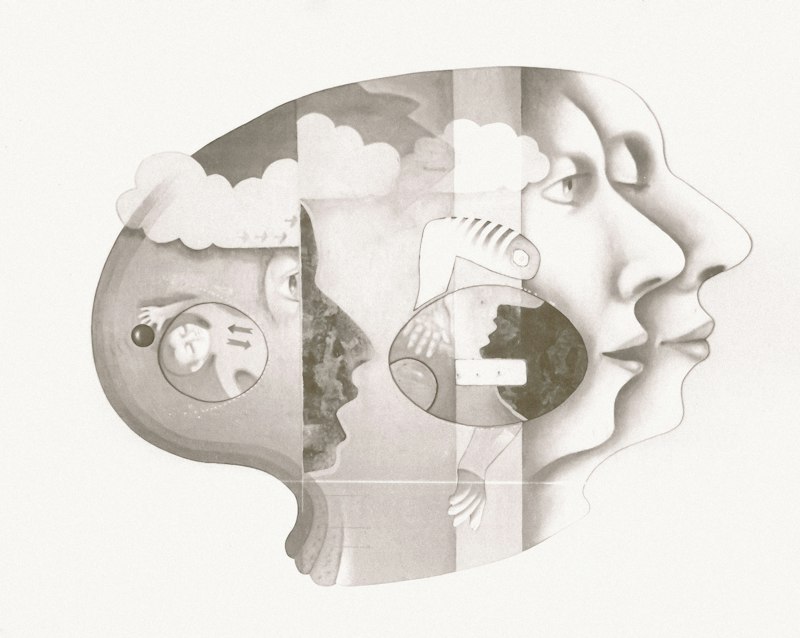
Psychosocial factors represent the intricate web of influences stemming from an individual’s psychological and social environment that collectively shape their experiences, behaviors, and overall well-being. At its core, the term synthesizes two critical domains: the psychological, which encompasses internal mental processes such as thoughts, emotions, beliefs, attitudes, and coping mechanisms; and the social, which refers to external influences like interpersonal relationships, social networks, cultural norms, socioeconomic status, and community structures. These two facets are not independent but rather are in a constant, dynamic interplay, where internal states affect social interactions, and social contexts profoundly influence psychological landscapes.
A simple way to grasp this concept is to recognize that humans are inherently social beings whose internal lives are inextricably linked to their external world. A clear, concise definition identifies psychosocial factors as those aspects of life that arise from the interaction between an individual’s inner psychological state and their surrounding social environment. This interaction can either foster resilience and growth or contribute to vulnerability and distress, particularly in the realm of mental health. Understanding this interplay is crucial for comprehending the multifaceted nature of human experience and the origins of various psychological conditions.
The fundamental mechanism behind the concept of psychosocial factors lies in the recognition that psychological states are not solely biological or purely intrapsychic. Instead, they are significantly modulated by the social world an individual inhabits. For instance, feelings of self-worth (a psychological factor) can be heavily influenced by peer acceptance or rejection (a social factor). Conversely, an individual’s personality traits (psychological) can dictate how they navigate and respond to social challenges. This continuous feedback loop highlights how social support can buffer stress, while social isolation can exacerbate feelings of anxiety and depression, demonstrating the profound and often subtle ways these domains converge to shape an individual’s mental and emotional landscape.
The Historical Trajectory of Psychosocial Thought
The recognition of social and psychological influences on health and behavior has roots spanning several centuries, though the formal conceptualization of “psychosocial factors” as a distinct area of study gained significant traction in the 20th century. Early philosophers and physicians, from ancient Greece to the Enlightenment, often acknowledged the connection between a person’s social circumstances and their mental state. However, it was not until the advent of modern psychiatry and psychology that these connections began to be systematically explored and theorized. Key figures like Sigmund Freud, with his focus on early childhood experiences and family dynamics, laid foundational groundwork, even if his emphasis was primarily intrapsychic.
A more direct lineage can be traced to the mid-20th century with the emergence of fields like social psychology and the development of systemic approaches in therapy. Researchers and clinicians began to move beyond purely biological or individualistic explanations for psychological distress, increasingly looking towards the individual’s environment, relationships, and societal pressures. The World Health Organization’s broader definition of health, encompassing physical, mental, and social well-being, further solidified the importance of social dimensions. The development of the biopsychosocial model by George Engel in the late 1970s was a pivotal moment, formally integrating biological, psychological, and social factors into a comprehensive framework for understanding health and illness, providing a robust theoretical home for the concept of psychosocial factors.
The origin of systematically studying psychosocial factors often stemmed from observations in public health and clinical settings where individuals from similar backgrounds, exposed to similar stressors, exhibited vastly different health outcomes. This disparity highlighted that something beyond individual biology or personal choices was at play. Epidemiological studies began to link socioeconomic status, social networks, and community support to disease prevalence and recovery rates. This research provided empirical evidence that an individual’s social context and their psychological interpretation of it were not merely peripheral but central determinants of their overall health and well-being, leading to a more holistic understanding of human experience.
Key Psychosocial Dimensions: Family, Social Support, and Culture
Among the myriad of psychosocial factors, certain dimensions have been extensively studied and consistently demonstrated to exert profound influence on individual well-being, particularly mental health. One of the most critical is family dynamics. The family unit serves as the primary social environment during formative years, shaping personality, coping styles, and relational patterns. Research consistently indicates that dysfunctional family environments, characterized by a lack of emotional support, excessive criticism, frequent conflict, or neglect, can significantly contribute to feelings of isolation, diminish self-esteem, and increase susceptibility to various mental health disorders such as anxiety, depression, and even more severe conditions. Conversely, nurturing and supportive family dynamics foster resilience, emotional security, and effective problem-solving skills, acting as a protective buffer against life’s stressors.
Another pivotal psychosocial factor is an individual’s social support network. This encompasses the web of relationships with friends, peers, colleagues, and community members that provide emotional, practical, and informational assistance. A robust social support system is strongly correlated with improved mental health outcomes, while its absence or inadequacy is a significant risk factor for psychological distress. Social support can manifest in various forms: emotional support offers comfort and validation; practical help provides tangible assistance with daily tasks; and informational support offers advice and guidance. These networks provide a sense of belonging, reduce feelings of loneliness, and offer resources for navigating challenges, thereby enhancing an individual’s capacity to cope with stress and adversity.
Furthermore, an individual’s cultural and religious beliefs play a substantial role in shaping their psychological experiences and responses to life events, including mental health issues. Cultural norms dictate acceptable behaviors, emotional expressions, and help-seeking attitudes, influencing how individuals perceive, interpret, and articulate their psychological distress. For example, some cultures may stigmatize mental illness, deterring individuals from seeking professional help, while others may integrate spiritual or traditional healing practices into their approach to well-being. Similarly, religious beliefs can offer a framework for meaning, purpose, and hope, providing comfort and a sense of community during difficult times. They can also influence coping strategies, moral values, and an individual’s worldview, profoundly impacting their psychological resilience and their path to recovery from mental health challenges.
A Practical Illustration: Navigating Academic Stress
Consider a university student named Alex, who is experiencing significant academic stress during final exams. This real-world scenario effectively illustrates how various psychosocial factors interact. Psychologically, Alex might be feeling overwhelmed, anxious, and doubting their capabilities, leading to difficulty concentrating and disrupted sleep patterns. Socially, the pressure from peers, expectations from family, and the competitive academic environment contribute to this internal state. Without a healthy interplay of psychological resilience and social support, this stress could escalate into more severe mental health issues.
Let’s break down how psychosocial principles apply in Alex’s situation. Firstly, Alex’s internal psychological factors, such as their coping mechanisms and self-efficacy beliefs, are crucial. If Alex has strong problem-solving skills and a belief in their ability to succeed (high self-efficacy), they might approach exams with a more positive outlook. However, if they have a history of anxiety or perfectionism, these psychological traits can amplify the stress. Secondly, the social environment plays a critical role. If Alex has a supportive group of friends who study together, offer encouragement, and share resources, this social support can buffer the negative impact of stress. Conversely, if Alex feels isolated, experiences academic competition as hostile, or faces immense pressure from family to achieve top grades, these social factors can intensify their anxiety and feelings of inadequacy.
In a step-by-step application, if Alex is struggling, a psychosocial approach would consider: 1) Their internal psychological state (e.g., are they prone to rumination? Do they have effective stress management techniques?). 2) Their immediate social context (e.g., do they have friends to talk to? Is their family supportive or critical?). 3) Broader societal expectations (e.g., the high-pressure culture of academic success). Interventions might involve teaching Alex psychological coping strategies like mindfulness or time management, encouraging them to seek out a study group for social support, or advising them to communicate their stress to understanding family members. This holistic view, integrating both the ‘mind’ and the ‘society’, is fundamental to effectively addressing Alex’s academic stress and preventing it from developing into a chronic mental health concern.
Profound Significance: The Impact on Mental Health and Well-being
The concept of psychosocial factors holds immense importance within the field of psychology because it provides a comprehensive framework for understanding the etiology, maintenance, and treatment of mental illness and for promoting overall well-being. It moves beyond reductionist views that attribute mental health solely to biological imbalances or individual personality traits, instead positing that an individual’s experiences and interactions within their social environment are powerful determinants of their psychological state. This holistic perspective is crucial for developing effective interventions that address the root causes of distress rather than just symptoms. By acknowledging the interplay of psychological and social elements, practitioners can better identify individuals at risk, understand the contextual factors perpetuating their struggles, and tailor support to their specific needs.
The significance of psychosocial factors is particularly evident in the field of mental health, where they are recognized as major contributors to both vulnerability and resilience. For instance, adverse childhood experiences (ACEs), which are fundamentally psychosocial in nature (e.g., neglect, abuse, household dysfunction), have been extensively linked to a wide range of physical and mental health problems in adulthood. Similarly, positive psychosocial factors, such as strong family bonds, supportive communities, and meaningful social roles, are known to be protective, enhancing an individual’s capacity to cope with stress, recover from trauma, and thrive despite adversity. This understanding underscores that mental health is not merely the absence of illness but a dynamic state influenced by continuous interactions between an individual and their environment.
Ultimately, the recognition of psychosocial factors emphasizes that individuals are not isolated entities but are embedded within complex social systems that constantly influence their psychological landscape. This perspective has fundamentally reshaped our approach to understanding psychological phenomena, from the development of personality to the manifestation of severe psychopathology. It highlights that promoting mental health requires not only individual-focused interventions but also broader social and environmental changes that foster supportive communities, equitable opportunities, and healthy relational dynamics. The continuous interplay between internal psychological processes and external social conditions remains a cornerstone of modern psychological thought.
Applications Across Disciplines: From Therapy to Public Health
The profound understanding of psychosocial factors has far-reaching applications, extending beyond theoretical psychology into practical domains such as therapy, public health, education, and even marketing. In clinical psychology and therapy, the assessment of psychosocial factors is foundational. Therapists routinely explore a client’s family history, social support networks, cultural background, and current life stressors to gain a comprehensive understanding of their presenting problems. For instance, in cognitive-behavioral therapy (CBT), while focusing on thought patterns, the therapist will also consider how social interactions or environmental stressors might trigger or maintain maladaptive cognitions. Similarly, family systems therapy directly targets dysfunctional family dynamics, recognizing them as key psychosocial contributors to individual distress. This comprehensive approach ensures that interventions are tailored not just to internal psychological states but also to external social challenges.
In public health and community interventions, the application of psychosocial factors is critical for disease prevention and health promotion. Public health initiatives often target social determinants of health, which are inherently psychosocial. For example, programs aimed at reducing health disparities might focus on improving access to education, fostering community cohesion, or mitigating the effects of poverty, all of which are social factors with significant psychological consequences. Campaigns promoting mental health literacy often address the social stigma surrounding mental illness, aiming to create more supportive and understanding communities. By understanding how social environments impact psychological well-being, public health professionals can design more effective, population-level strategies to improve overall societal health outcomes.
Beyond health, psychosocial factors also inform practices in education and organizational psychology. In educational settings, teachers consider a student’s home environment, peer relationships, and cultural background to understand learning challenges or behavioral issues, implementing interventions that support both academic and social-emotional development. In the workplace, understanding team dynamics, organizational culture, and work-life balance (all psychosocial elements) is crucial for fostering employee well-being, productivity, and job satisfaction. Even in marketing and consumer behavior, companies leverage an understanding of social influence, cultural trends, and psychological desires to shape consumer preferences and purchasing decisions. This broad applicability underscores the pervasive relevance of psychosocial factors in comprehending and influencing human behavior across diverse contexts.
Interconnectedness: Related Concepts and Broader Fields
The concept of psychosocial factors is intricately woven into the fabric of modern psychology, sharing significant overlap and theoretical synergy with several other key psychological terms and theories. Most notably, it forms a central pillar of the biopsychosocial model, a comprehensive framework that posits that biological, psychological, and social factors all play significant roles in human functioning in the context of disease or illness. While psychosocial factors specifically address the psychological and social components, the biopsychosocial model expands this to include genetic predispositions, physiological processes, and neurochemical imbalances, offering a truly holistic understanding of health and disease. This model emphasizes that no single factor operates in isolation; rather, they interact dynamically to determine an individual’s state of well-being.
Another closely related concept is the stress-diathesis model, particularly in understanding vulnerability to mental health disorders. This model suggests that psychological disorders arise from a combination of an inherited predisposition (diathesis) and environmental stressors. Many of these environmental stressors are psychosocial in nature, such as chronic poverty, traumatic life events, or lack of social support. The model highlights how psychosocial factors can act as triggers for individuals who are biologically or psychologically predisposed to certain conditions, illustrating the critical interaction between internal vulnerabilities and external social pressures. Furthermore, the concept aligns with the broader understanding of social determinants of health, an interdisciplinary field that examines the non-medical factors influencing health outcomes, such as socioeconomic status, education, neighborhood, and access to resources, all of which are deeply psychosocial.
The study of psychosocial factors inherently belongs to several subfields of psychology, reflecting its multifaceted nature. It is a core component of health psychology, which investigates the psychological and social factors influencing health and illness. It is also central to social psychology, which examines how individuals’ thoughts, feelings, and behaviors are influenced by the actual, imagined, or implied presence of others. Furthermore, psychosocial considerations are paramount in clinical psychology, guiding assessment, diagnosis, and treatment planning, as well as in developmental psychology, where researchers explore how social environments and psychological processes interact to shape human development across the lifespan. The pervasive influence of psychosocial factors thus makes it an indispensable concept across virtually all domains of psychological inquiry and practice.