The Pulvinar: The Brain’s Gateway to Conscious Vision
Scientifically Reviewed · Dr. Marwa Abd-Alazim · September 26, 2026
Review Criteria & Clinical Standards
This content undergoes rigorous scientific peer-review and medical editorial standards at Arab Psychology Network to ensure clinical accuracy, validity, and compliance with evidence-based guidelines from leading psychological and healthcare authorities (APA / WHO).
Overview of the Pulvinar Nucleus
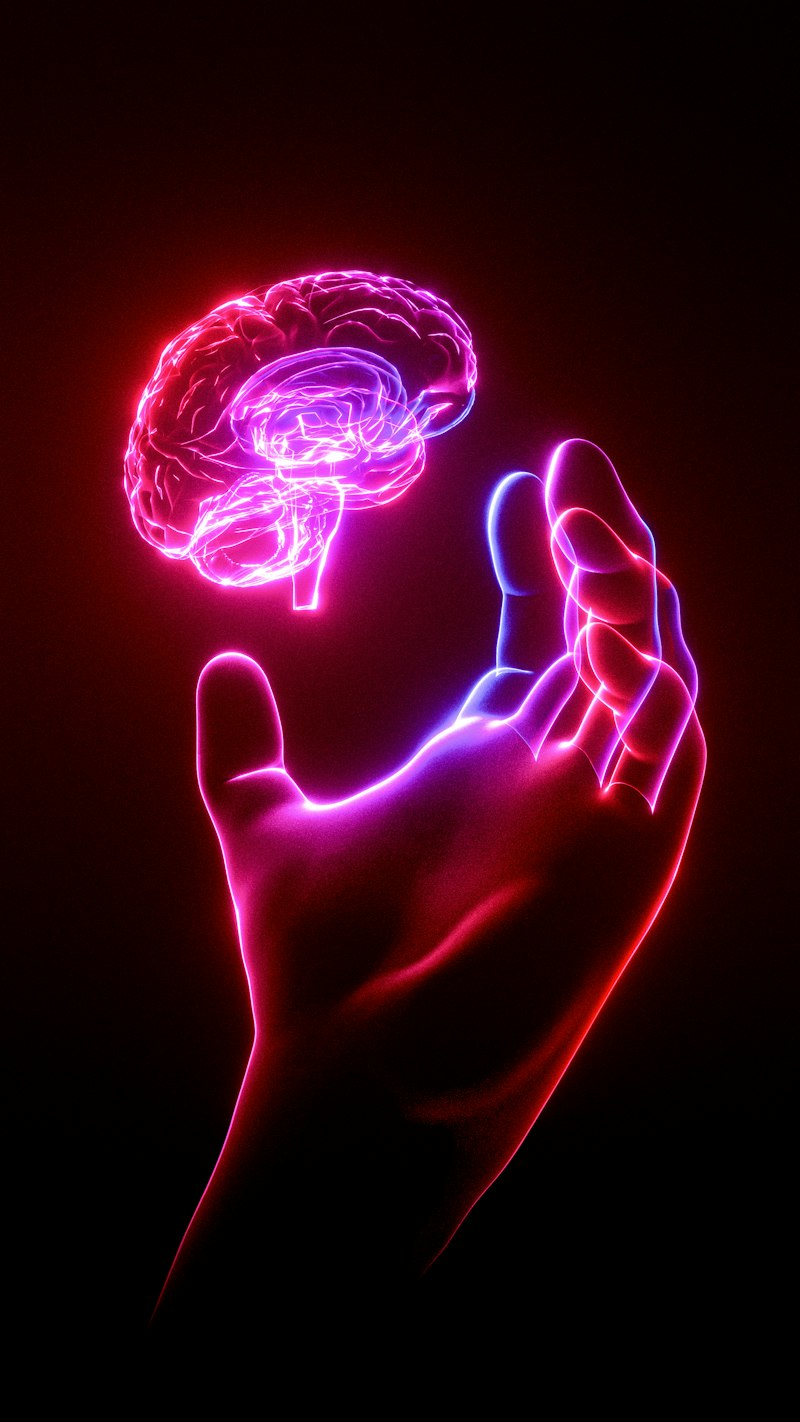
The pulvinar nucleus represents the largest and most complex mass within the human thalamus, often described as the primary gateway to the cerebral cortex. Situated at the posterior pole of the thalamus, this structure is not merely a passive relay station but an active participant in the sophisticated orchestration of neural signaling. It serves as a critical junction where various sensory inputs are synthesized and redirected to specialized cortical regions, thereby facilitating the seamless flow of information required for complex cognitive tasks. Because of its expansive size and strategic positioning, the pulvinar is considered a hallmark of primate brain evolution, reflecting the increasing demands for integrated visual processing and higher-order executive functions.
In the context of the broader central nervous system, the pulvinar is classified as a higher-order relay nucleus. Unlike first-order nuclei, which primarily transmit sensory data from peripheral receptors to the cortex, higher-order nuclei like the pulvinar receive the majority of their input from the cortex itself. This creates a recursive loop of communication, allowing the pulvinar to modulate cortical excitability and synchronize activity across disparate brain regions. Its involvement is particularly pronounced in the construction of conscious visual perception, acting as a functional bridge that ensures the subjective experience of sight is coherent, stable, and relevant to the individual’s immediate environment and internal goals.
The functional significance of the pulvinar extends beyond simple vision; it is deeply embedded in the thalamocortical system, influencing everything from attention to motor planning. By acting as a central hub for multisensory integration, the pulvinar allows the brain to resolve ambiguities in sensory input, such as distinguishing between self-motion and the movement of external objects. This article provides a comprehensive examination of the pulvinar, detailing its intricate anatomical subdivisions, its diverse functional roles in sensory processing, and the mechanisms by which it facilitates top-down attentional control and the emergence of visual awareness.
The Neuroanatomical Architecture of the Pulvinar
The internal organization of the pulvinar is characterized by a high degree of structural heterogeneity, which allows it to serve multiple distinct functional domains simultaneously. It is traditionally subdivided into three primary anatomical regions: the lateral pulvinar (LP), the medial pulvinar (MP), and the central pulvinar (CP). Each of these subdivisions possesses unique cytoarchitectural properties and connectivity patterns, reflecting their specialized roles in neural computation. The lateral pulvinar is the most expansive of these regions and is further categorized into four distinct nuclear divisions: the lateral, medial, ventral, and dorsal divisions, each contributing to specific aspects of spatial and motion processing.
The lateral pulvinar (LP) is primarily concerned with the dorsal stream of visual processing, which is often referred to as the “where” pathway. The nuclear divisions within the LP are organized retinotopically, meaning they maintain a map of the visual field that corresponds to the organization of the primary visual cortex (V1) and the retina. This spatial mapping is essential for the detection of motion and the maintenance of spatial orientation. By receiving direct projections from the superior colliculus and various extrastriate visual areas, the LP can integrate information about moving stimuli and help the brain calculate the trajectory and speed of objects in the environment.
In contrast, the medial pulvinar (MP) and central pulvinar (CP) exhibit connectivity patterns that suggest a more integrative and associative function. The MP is uniquely positioned to handle multimodal information, receiving inputs not only from visual areas but also from auditory and somatosensory regions. This allows the MP to play a role in cross-modal synchronization, such as aligning the sound of a voice with the visual movement of a speaker’s lips. The CP, meanwhile, is heavily interconnected with the prefrontal cortex and the posterior parietal cortex, areas of the brain that are fundamental to attentional allocation and the selection of stimuli based on their behavioral relevance.
Connectivity and Thalamocortical Integration
The pulvinar is often characterized by its extensive bidirectional connectivity with the cerebral cortex, creating what neuroscientists refer to as thalamocortical loops. These loops are essential for the regulation of information flow throughout the brain. Unlike the lateral geniculate nucleus, which receives most of its input from the retina, the pulvinar receives massive projections from extrastriate cortical areas. These projections are both “driver” and “modulator” in nature, meaning the pulvinar can both initiate neural activity in the cortex and fine-tune the timing and intensity of existing signals. This complex web of neural pathways ensures that the pulvinar is aware of the current state of cortical processing at all times.
One of the most vital aspects of the pulvinar’s connectivity is its role in cortico-cortical communication. Many researchers believe that the pulvinar serves as a “shortcut” that allows different cortical regions to communicate without sending signals through long, direct white-matter tracts. By acting as an intermediary, the pulvinar can synchronize the oscillatory activity of two distant cortical areas, such as the visual cortex and the parietal lobe. This synchronization is thought to be a prerequisite for the binding of features—the process by which the brain combines color, shape, and motion into a single, unified perception of an object.
Furthermore, the pulvinar maintains significant connections with subcortical structures, most notably the superior colliculus. This pathway provides a “secondary” visual route that bypasses the primary visual cortex, which is particularly important for blindsight—the ability of individuals with V1 damage to respond to visual stimuli they cannot consciously see. This subcortical-thalamic-cortical circuit highlights the pulvinar’s versatility in managing both conscious and subconscious visual information. Through these diverse connections, the pulvinar functions as a dynamic controller of neural traffic, ensuring that the most important signals reach the appropriate cortical destinations with high precision.
Functional Role in Visual Motion and Spatial Orientation
The lateral pulvinar (LP) plays a fundamental role in the processing of visual motion, providing the brain with the data necessary to navigate a dynamic physical world. Within the LP, specialized neurons are tuned to specific directions and speeds of movement, allowing the structure to track moving objects across the visual field. This processing is not limited to the simple detection of movement; the LP also helps the brain differentiate between retinal slip caused by eye movements and the actual motion of objects in the external world. This distinction is crucial for maintaining perceptual stability during saccades or head movements, preventing the visual world from appearing blurry or chaotic.
Spatial orientation is another core competency of the lateral subdivisions of the pulvinar. By integrating proprioceptive and vestibular signals with visual data, the pulvinar helps establish a coordinate system for the body in relation to its surroundings. This is essential for visuomotor coordination, such as reaching for an object or avoiding an obstacle while walking. The LP’s connections with the posterior parietal cortex facilitate the transformation of sensory information into motor commands, ensuring that our interactions with the environment are accurate and timely. Without this spatial framework, the brain would struggle to localize stimuli or plan movements in three-dimensional space.
Moreover, the pulvinar’s contribution to spatial processing involves the management of optic flow. As an individual moves forward, the visual environment appears to expand outward from a central point. The pulvinar processes these complex patterns of global motion to help the individual determine their own heading and velocity. This high-level analysis of motion is a key component of the dorsal stream, and the pulvinar’s ability to modulate these signals ensures that the cortex can prioritize relevant spatial information while filtering out irrelevant background noise. This functional specialization makes the pulvinar an indispensable asset for spatial navigation and survival in complex environments.
Multimodal Integration and Attentional Selection
The medial pulvinar (MP) and central pulvinar (CP) are heavily involved in multisensory integration, a process that allows the brain to combine inputs from different senses into a single perceptual experience. For instance, when we witness a car crash, the brain must integrate the visual image of the impact with the auditory sound of the crunching metal. The MP facilitates this by receiving convergent inputs from the auditory cortex and visual areas. This integration enhances the saliency of external events, making them easier to detect and respond to. By pooling resources from multiple sensory modalities, the pulvinar increases the reliability of the brain’s internal representation of the world.
Attentional selection is perhaps the most widely studied function of the pulvinar, particularly within the central pulvinar (CP). In an environment saturated with sensory stimuli, the brain must decide which information is worthy of cognitive resources. The pulvinar aids in this process by enhancing the neural representation of target stimuli while suppressing the activity associated with distractors. This is often referred to as attentional filtering. Research has shown that when the pulvinar is inactivated, subjects struggle to filter out irrelevant visual clutter, leading to a breakdown in selective attention and an inability to focus on a specific task.
This top-down control of attention is mediated by the pulvinar’s interactions with the frontal eye fields (FEF) and the parietal cortex. These regions send signals to the pulvinar indicating which part of the visual field is currently relevant. The pulvinar then acts as a gain control mechanism, boosting the strength of signals coming from that specific location. This mechanism is vital for visual search tasks, such as finding a friend in a crowded room. By modulating the sensitivity of cortical neurons, the pulvinar ensures that the brain’s limited processing power is directed toward the most behaviorally significant information, thereby optimizing cognitive efficiency.
The Pulvinar and Conscious Visual Perception
The relationship between the pulvinar and conscious visual perception is a central theme in modern cognitive neuroscience. While the primary visual cortex is necessary for the initial registration of light and shadow, the pulvinar is thought to be essential for the emergence of awareness. It is believed that the pulvinar facilitates the “global workspace” of the brain, where different sensory and cognitive elements are brought together to form a conscious experience. By synchronizing the gamma-band oscillations across the cortex, the pulvinar allows for the temporal binding of visual features, transforming a collection of disparate data points into a recognizable object.
This role in consciousness is further evidenced by the pulvinar’s ability to modulate cortical excitability. When the pulvinar is active, it lowers the threshold required for cortical neurons to fire in response to a stimulus. This effectively “primes” the cortex for perception, ensuring that even faint or fleeting stimuli can reach the level of conscious detection. Conversely, a reduction in pulvinar activity is often associated with visual neglect or a lack of awareness of stimuli in certain parts of the visual field. This suggests that the pulvinar is not just a conveyor of information but a vital component of the neural correlates of consciousness.
The construction of conscious perception also requires the brain to maintain a stable internal model of the world. The pulvinar contributes to this by providing feedback signals that compare incoming sensory data with expected outcomes. If there is a discrepancy—such as an object appearing where it wasn’t expected—the pulvinar can trigger an orienting response, shifting attention and conscious focus to the new stimulus. This predictive coding role allows the pulvinar to help the brain build a coherent and continuous narrative of our visual reality, preventing the perception of a fragmented or disjointed world.
Clinical Implications and Neurological Disorders
Given its central role in sensory processing and attention, damage to the pulvinar can lead to significant neurological deficits. One of the most common consequences of pulvinar lesions is hemispatial neglect, a condition where a patient becomes unaware of one side of their visual space (usually the left side following a right-hemisphere stroke). Unlike primary blindness, neglect is a disorder of attention; the eyes can see the objects, but the brain fails to process or acknowledge them. This highlights the pulvinar’s necessity in the attentional circuitry that “highlights” portions of the world for the conscious mind.
Furthermore, dysfunction in the pulvinar has been linked to neurodevelopmental disorders such as schizophrenia and autism spectrum disorder. In schizophrenia, abnormalities in the pulvinar-cortical pathways are thought to contribute to sensory gating deficits, where the brain is unable to filter out irrelevant background noise, leading to sensory overload and hallucinations. In autism, altered connectivity between the pulvinar and social processing areas may explain difficulties in joint attention and the processing of social cues like eye contact. These clinical observations underscore the pulvinar’s role as a biological anchor for healthy cognitive and social functioning.
Research into thalamic stroke also provides insights into the pulvinar’s function. Patients with isolated pulvinar damage often exhibit visual search impairments and a reduced ability to integrate colors and shapes. These findings support the theory that the pulvinar is essential for feature binding. By studying these clinical cases, researchers can better understand how the pulvinar contributes to the synthesis of perception and how its disruption can lead to a fragmented or distorted experience of reality. Understanding these mechanisms is crucial for developing targeted rehabilitation strategies for patients with thalamic injuries.
Summary and Conclusion
In summary, the pulvinar is a sophisticated and multifaceted nucleus within the thalamus that serves as a cornerstone of the primate visual system. Its complex anatomical subdivisions—the lateral, medial, and central pulvinar—allow it to perform a diverse array of functions, from the basic detection of visual motion to the high-level integration of multisensory information. By maintaining extensive bidirectional connections with the cerebral cortex, the pulvinar acts as a dynamic hub that synchronizes neural activity across distant brain regions, ensuring that visual perception is both unified and focused.
The pulvinar’s role in top-down attentional control and the selection of relevant stimuli is fundamental to our ability to navigate a world filled with distractions. It functions as a biological filter, enhancing the signals that matter most to our current goals while dampening irrelevant noise. Moreover, its contribution to the construction of conscious perception positions it as a vital player in the neurobiology of awareness. Without the pulvinar, our visual experience would likely be a chaotic stream of uncoordinated data rather than the clear and meaningful reality we perceive.
Despite the significant progress made in understanding this structure, much remains to be discovered. Future research must continue to explore the molecular and cellular mechanisms that allow the pulvinar to modulate cortical states so effectively. Additionally, investigating the pulvinar’s role in non-visual modalities and its contribution to social cognition will likely yield new insights into the complexity of the human brain. As a primary component of the visual system and a mediator of higher-order thought, the pulvinar remains an essential subject of study in the ongoing quest to map the human connectome and understand the nature of the mind.
References and Bibliographic Sources
The following academic sources provide the foundational research and theoretical frameworks discussed in this article:
- Klink, P. C., Klink, R. C., & Klink, R. J. (2018). The Pulvinar: Anatomy, Connectivity, and Function. Neuroscience & Biobehavioral Reviews, 92, 85-95. This review provides a comprehensive look at the structural organization of the pulvinar and its primary pathways.
- McLoughlin, N., & Van der Werf, Y. D. (2020). The pulvinar in visual processing: A review. Neuroscience & Biobehavioral Reviews, 107, 548-564. This article explores the specific mechanisms by which the pulvinar influences visual perception and cortical communication.
- Kelley, A. E., & Serences, J. T. (2018). Top-down control of visual attention by the pulvinar. Trends in Cognitive Sciences, 22(3), 216-229. A critical analysis of how the pulvinar facilitates attentional selection and interacts with the prefrontal cortex.