Pupillary Reflex: Decoding Your Hidden Subconscious
Scientifically Reviewed · Dr. Marwa Abd-Alazim · October 2, 2026
Review Criteria & Clinical Standards
This content undergoes rigorous scientific peer-review and medical editorial standards at Arab Psychology Network to ensure clinical accuracy, validity, and compliance with evidence-based guidelines from leading psychological and healthcare authorities (APA / WHO).

Introduction to the Pupillary Reflex
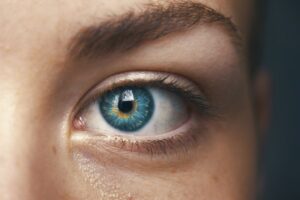
The pupillary reflex, commonly referred to as the pupil reflex or pupillary light reflex, stands as a fundamental and involuntary physiological response that regulates the size of the pupil in response to varying light conditions and other stimuli. This intricate reflex is an indispensable component of the human visual system, serving a crucial role in optimizing visual acuity and protecting the delicate retinal photoreceptors from excessive light exposure. It operates beneath the level of conscious control, ensuring that the appropriate amount of light enters the eye at any given moment, thereby adapting the visual input to the prevailing environmental luminosity. This dynamic adjustment is essential not only for clear vision across a wide range of lighting but also for safeguarding the eye against potential damage from intense light.
At its core, the pupillary reflex exemplifies an autonomic reflex, meaning it is mediated by the involuntary divisions of the nervous system. The primary mechanism involves a delicate balance between two branches of the autonomic nervous system: the parasympathetic nervous system, which is responsible for constricting the pupil (a process known as miosis), and the sympathetic nervous system, which facilitates pupil dilation (a process termed mydriasis). This intricate interplay ensures that the pupil can rapidly expand in dim conditions to capture more light, enhancing vision in low illumination, and contract sharply in bright conditions to reduce light entry, preventing glare and potential photochemical damage to the retina. Understanding this core mechanism is vital for appreciating the sophistication with which our eyes adapt to the world around us.
The efficacy of the pupillary reflex highlights the remarkable adaptability of human physiology. Beyond its primary role in vision, the integrity and responsiveness of this reflex serve as critical indicators of neurological health. Changes in pupillary size, shape, and reactivity can provide invaluable diagnostic clues regarding the functionality of specific neural pathways and the overall state of the central nervous system. Consequently, the pupillary reflex is not merely a fascinating biological phenomenon but also a cornerstone in clinical neurological assessments, offering a non-invasive window into the brain’s complex operations.
Anatomical Foundations and Physiological Mechanisms
The anatomical basis of the pupillary reflex involves a sophisticated neural pathway known as the pupillary light reflex arc, which orchestrates the constriction and dilation of the pupil. This arc is primarily an autonomic reflex, integrating both sensory (afferent) and motor (efferent) components. When light stimulates the retina, photoreceptor cells, particularly the intrinsically photosensitive retinal ganglion cells (ipRGCs) which contain the photopigment melanopsin, detect the change in illumination. These specialized cells project their axons along the optic nerve, which transmits visual information from the eye to the brain. Unlike the pathways responsible for conscious vision, the pupillary reflex pathway diverges at specific points to process light information for reflexive control of pupil size.
The afferent limb of the pupillary light reflex begins with light entering the eye and stimulating the retina. Signals then travel along the optic nerve, through the optic chiasm where fibers from the nasal retina cross, and continue along the optic tract. Before reaching the lateral geniculate nucleus (LGN) for visual perception, a subset of these fibers detours to the pretectal nucleus located in the midbrain. This divergence is crucial because it ensures that light information directly influences pupil size without requiring conscious processing. From the pretectal nucleus, interneurons project to the Edinger-Westphal nucleus, which is the parasympathetic component of the oculomotor nuclear complex. This nucleus is the origin of the efferent parasympathetic fibers that control pupillary constriction.
The efferent limb continues as preganglionic parasympathetic fibers exit the Edinger-Westphal nucleus and travel with the oculomotor nerve (cranial nerve III). These fibers synapse in the ciliary ganglion, a small parasympathetic ganglion located in the orbit. Postganglionic parasympathetic fibers then emerge from the ciliary ganglion and innervate the iris sphincter muscle. Contraction of this muscle, which is arranged circularly around the pupil, leads to a reduction in pupil diameter, or miosis. This mechanism ensures that as light intensity increases, the pupil constricts to limit the amount of light reaching the retina. Conversely, in conditions of dim light or heightened arousal, the sympathetic nervous system takes precedence, innervating the iris dilator muscle. Contraction of these radially arranged muscle fibers leads to an increase in pupil diameter, or mydriasis, allowing more light to enter the eye and enhancing vision in low light environments.
Crucially, the pupillary light reflex exhibits both a direct pathway and a consensual pathway. The direct pathway refers to the constriction of the pupil in the eye that is directly illuminated. When light enters the ipsilateral eye, it stimulates the ipsilateral retinal ganglion cells, which activate the ipsilateral pretectal nucleus and subsequently the ipsilateral Edinger-Westphal nucleus, leading to constriction of the ipsilateral iris sphincter muscle. The consensual pathway, however, describes the simultaneous constriction of the pupil in the contralateral eye, even though it is not directly illuminated. This occurs because the fibers from the pretectal nucleus cross the midline and project bilaterally to both Edinger-Westphal nuclei. Therefore, stimulating one eye with light causes both pupils to constrict, a phenomenon that underscores the integrated and protective nature of this reflex in maintaining balanced retinal illumination and visual comfort across both eyes.
Historical Perspectives on Reflex Arc Understanding
The concept of the pupillary reflex, while understood in its basic form for centuries due to its observable nature, truly began to be elucidated with the broader development of neuroscience and the understanding of the reflex arc. Early philosophical and physiological inquiries into human movement and sensation, dating back to figures like René Descartes in the 17th century, posited initial ideas about how external stimuli could lead to involuntary responses. Descartes, for instance, described a mechanical model where “animal spirits” flowed through nerves to produce reactions, a rudimentary conceptualization that, while inaccurate, laid foundational groundwork for thinking about stimulus-response relationships without conscious mediation. However, a precise understanding of the neural pathways and the autonomic nervous system was still centuries away.
Significant strides in understanding the fundamental mechanisms of reflexes, including those involving the eye, occurred during the 18th and 19th centuries with pioneers in neurophysiology. Researchers began to empirically demonstrate the distinct roles of sensory and motor nerves, moving beyond speculative theories to observable anatomical and physiological evidence. The discovery of specific neural pathways responsible for involuntary actions, such as spinal reflexes, provided a template for investigating more complex reflexes like the pupillary response. This era saw the meticulous dissection and observation of nerve structures, allowing scientists to piece together the anatomical components that facilitate rapid, automatic bodily adjustments.
The precise understanding of the pupillary reflex as an autonomic function gained considerable momentum with the characterization of the autonomic nervous system itself. Key figures like John Newport Langley in the late 19th and early 20th centuries were instrumental in distinguishing the sympathetic and parasympathetic divisions and elucidating their distinct roles in regulating involuntary bodily functions, including pupil size. Langley’s work, building on earlier observations by Claude Bernard and others, provided the physiological framework necessary to understand how specific neural pathways, separate from those controlling voluntary movement, govern processes like pupillary constriction and dilation. This historical progression from general theories of reflex action to the detailed mapping of specific autonomic pathways underscores the gradual, empirical journey toward a comprehensive understanding of the pupillary reflex as we know it today.
The Pupillary Reflex in Everyday Life: A Practical Example
To fully grasp the practical implications of the pupillary reflex, consider a common scenario: transitioning from a brightly lit outdoor environment into a dimly lit indoor space, such as walking from direct sunlight into a movie theater or a dimly lit restaurant. As you step out of the intense sunlight, your pupils are typically constricted, a state of miosis, to limit the amount of light entering your eyes and prevent overstimulation of the retina. This constriction is a rapid, protective response mediated primarily by the parasympathetic nervous system, which activates the iris sphincter muscle to reduce pupil diameter and manage the high luminance levels.
Upon entering the dark interior, your eyes initially struggle to discern details. This is because the constricted pupils are still limiting light entry, making it difficult for the retina to gather sufficient photons to form a clear image in the low-light conditions. Almost immediately, however, your pupils begin to dilate, a process known as mydriasis. This dilation is driven by the sympathetic nervous system, which relaxes the iris sphincter and contracts the iris dilator muscle, effectively widening the pupil aperture. The “how-to” of this process involves a rapid physiological adjustment: the reduction in light hitting the retina signals the pretectal nuclei and Edinger-Westphal nuclei to decrease parasympathetic outflow, while simultaneously, the sympathetic system is activated, leading to a noticeable expansion of the pupil. This allows more available light to enter the eye, enhancing the sensitivity of the retina, particularly the rod photoreceptors, and gradually improving your ability to see in the dim environment.
Another common real-world illustration of the pupillary reflex occurs during a routine medical or neurological examination. A doctor will often perform a “pupil light reflex test” by shining a penlight directly into one eye. In a healthy individual, the illuminated pupil will immediately constrict (the direct light reflex), and, simultaneously, the pupil of the opposite, unilluminated eye will also constrict (the consensual light reflex). This simple, non-invasive procedure provides crucial real-time information about the integrity of the patient’s visual pathways, midbrain function, and the health of both the parasympathetic and sympathetic nervous systems. An absent, sluggish, or asymmetric response can signal a variety of underlying neurological issues, making this reflex a cornerstone of clinical assessment for conditions ranging from stroke and brain injury to optic nerve damage.
Clinical Significance and Diagnostic Applications
The pupillary reflex holds profound clinical significance, serving as an invaluable diagnostic tool in neurology, ophthalmology, and emergency medicine. Its integrity provides a direct, non-invasive window into the functional status of specific neural pathways within the brainstem, optic nerves, and the autonomic nervous system. Abnormalities in pupillary size, shape, or reactivity can indicate a wide spectrum of underlying neurological damage or disease, often guiding clinicians toward a precise diagnosis and severity assessment. For instance, a fixed and dilated pupil in a patient with a head injury can be a critical sign of increased intracranial pressure compressing the oculomotor nerve, necessitating urgent medical intervention.
One of the most critical clinical applications of the pupillary reflex lies in the assessment of brain injury, including traumatic brain injury (TBI) and stroke. The presence of anisocoria, a condition characterized by unequal pupil sizes, is frequently observed in brain injury patients. The specific pattern of anisocoria, along with the reactivity of the pupils to light, can provide vital clues about the location and extent of neurological damage. For example, a unilateral fixed and dilated pupil often points to uncal herniation, a life-threatening condition where a part of the temporal lobe is forced into the brainstem, compressing the third cranial nerve (oculomotor nerve) responsible for pupillary constriction. Conversely, certain brainstem lesions might lead to pinpoint pupils, indicating damage to the sympathetic pathways or irritation of the parasympathetic nuclei.
Beyond acute brain injuries, the pupillary reflex aids in diagnosing a variety of neurological and systemic conditions. Lesions affecting the optic nerve, such as optic neuritis or severe glaucoma, can result in an afferent pupillary defect (APD), also known as a Marcus Gunn pupil, where both pupils paradoxically dilate when light is swung from the unaffected eye to the affected eye. Conditions like Horner’s syndrome, caused by damage to the sympathetic pathway supplying the eye and face, manifest as a triad of miosis (constricted pupil), ptosis (drooping eyelid), and anhydrosis (decreased sweating on the affected side of the face). Furthermore, specific patterns like the Argyll Robertson pupil, characterized by pupils that constrict to accommodation but not to light, were historically indicative of neurosyphilis, although they can also be seen in other conditions affecting the midbrain. The nuanced responses of the pupils thus provide a rich tapestry of diagnostic information, making the pupillary exam an indispensable component of comprehensive clinical evaluation.
Methods for Assessing Pupillary Responses
The evaluation of pupillary responses is a cornerstone of neurological examination, with several established methods employed to assess their integrity and functionality. These methods range from simple, bedside techniques to more sophisticated, quantitative measurements. The goal of these assessments is to determine pupil size, shape, symmetry, and reactivity to light, all of which provide crucial insights into the health of the visual pathways and the autonomic nervous system. Proper technique and environmental control are paramount to ensure accurate and reproducible results, as factors such as ambient light, patient alertness, and medication use can influence pupillary responses.
One of the most widely used and fundamental methods is the swinging flashlight test, primarily employed to detect an afferent pupillary defect (APD), often referred to as a Marcus Gunn pupil. In this test, the examiner rapidly swings a bright light (typically a penlight) back and forth between the patient’s two eyes, observing the pupillary response in each eye. In a healthy individual, when the light is swung from one eye to the other, both pupils should remain constricted or show only a slight, transient dilation before constricting again. However, if an APD is present in one eye (indicating a problem with the afferent pathway, such as an optic nerve lesion), when the light is swung from the healthy eye to the affected eye, both pupils will paradoxically dilate. This occurs because the signal from the damaged optic nerve is weaker, leading to less constriction than when the healthy eye was illuminated, allowing the consensual response from the healthy eye to temporarily “escape.”
The basic pupil light reflex test involves shining a light into one eye while observing both the direct response (constriction of the illuminated pupil) and the consensual response (constriction of the contralateral pupil). This test helps to evaluate the overall integrity of the light reflex arc. The speed and extent of constriction, along with the symmetry between the two eyes, are critical observations. A sluggish response, an absent response, or an asymmetry between the direct and consensual responses can all point to specific neurological lesions. For instance, a lesion in the oculomotor nerve (cranial nerve III) on one side would impair the direct and consensual constriction in the ipsilateral eye, while the contralateral eye would still show a consensual response when the unaffected eye is illuminated. These qualitative assessments are highly dependent on the examiner’s experience and keen observation skills.
For more objective and quantitative measurements, pupillometry is employed. Pupillometers are specialized devices, often incorporating infrared cameras, that precisely measure pupil size and reactivity over time. These instruments eliminate the subjectivity inherent in manual observations, providing highly accurate data on baseline pupil diameter, latency of response, constriction velocity, and redilation velocity. Automated pupillometry is particularly valuable in critical care settings, such as intensive care units (ICUs) and emergency departments, where continuous monitoring of neurological status is essential. It allows for the detection of subtle changes in pupillary dynamics that might be missed by manual examination, providing early warnings of neurological deterioration or improvement in conditions like traumatic brain injury, stroke, or hydrocephalus. The objective data provided by pupillometry can track trends, assess the effectiveness of interventions, and facilitate standardized communication among healthcare providers, enhancing the precision and reliability of neurological assessments.
Broader Implications and Connections to Psychological Science
The pupillary reflex, while fundamentally a physiological mechanism, carries profound broader implications that extend significantly into various subfields of psychological science. Its study provides a critical lens through which to understand the intricate interplay between sensory input, neural processing, and involuntary physiological responses, forming a foundational element in physiological psychology and neuroscience. The pupil’s dynamic adjustments are not merely mechanical reactions to light; they are deeply intertwined with cognitive and emotional states, making pupillometry a valuable tool for research beyond clinical diagnosis. This connection underscores the idea that the eye is not just an organ of vision but also a profound window into the brain’s ongoing activity and mental states.
In cognitive psychology and cognitive neuroscience, pupillometry has emerged as a robust and non-invasive technique for measuring cognitive load, attention, and mental effort. Research consistently demonstrates that pupil dilation, a response primarily mediated by the sympathetic nervous system, often correlates with increased cognitive demands. When an individual is engaged in a complex task, such as solving a difficult math problem, memorizing a string of numbers, or making a challenging decision, their pupils tend to dilate even in constant light conditions. This phenomenon, known as “task-evoked pupillary response,” is believed to reflect the activation of the locus coeruleus-norepinephrine (LC-NE) system, which plays a critical role in arousal, attention, and cognitive control. Thus, pupillary changes serve as an objective index of how hard the brain is working, offering insights into various cognitive processes that are otherwise difficult to quantify.
Furthermore, the pupillary reflex is intimately connected to emotional psychology and the study of affect. Pupil dilation can be a reliable indicator of emotional arousal, whether positive or negative. For instance, pupils tend to dilate in response to exciting, surprising, fearful, or even aesthetically pleasing stimuli. This is because emotional states often trigger the activation of the sympathetic nervous system, preparing the body for “fight or flight” and leading to mydriasis. Researchers use pupillary responses to gauge emotional reactions to various stimuli, from images and sounds to social interactions, providing objective data that complements self-report measures. This makes the pupillary reflex a valuable bio-marker in understanding how individuals process and react to emotional content, bridging the gap between physiological responses and subjective emotional experiences.
The pupillary reflex also provides crucial links to neuropsychology and the understanding of various neurological and psychiatric conditions. Beyond its diagnostic role in brain injury, aberrant pupillary responses can be observed in conditions affecting executive function, attention-deficit/hyperactivity disorder (ADHD), autism spectrum disorder, and schizophrenia. These variations can reflect underlying differences in autonomic regulation, cognitive processing, or neural pathway integrity associated with these conditions. By studying pupillary dynamics, researchers can gain deeper insights into the neurological underpinnings of these disorders, potentially leading to improved diagnostic criteria and more targeted interventions. The reflex, therefore, transcends its basic function, serving as a dynamic and informative measure of both healthy and disordered brain function across the broad spectrum of psychological science.
Conclusion
The pupillary reflex stands as a remarkably elegant and vital physiological mechanism, intricately woven into the fabric of the human visual system and neurological function. As an involuntary autonomic response, it meticulously regulates the amount of light entering the eye, ensuring optimal visual acuity across a diverse range of lighting conditions while simultaneously safeguarding the delicate retinal structures from potentially damaging light exposure. This dual role underscores its fundamental importance, making it far more than a simple reflex but rather a dynamic adaptive system essential for both vision and ocular protection.
The detailed anatomical and physiological underpinnings of the pupillary reflex, involving a precise interplay between the parasympathetic and sympathetic nervous systems, illustrate the sophistication of neural control. From the detection of light by specialized retinal ganglion cells to the intricate circuitry involving the pretectal and Edinger-Westphal nuclei, and finally to the motor control of the iris muscles, every component of the reflex arc contributes to its rapid and effective operation. The presence of both direct and consensual responses further highlights the integrated nature of this system, ensuring synchronized adaptation across both eyes and providing valuable diagnostic insights into neural pathway integrity.
Beyond its physiological marvel, the pupillary reflex serves as an indispensable tool in clinical medicine, particularly in neurology. Its assessment provides a swift, non-invasive indicator of neurological health, offering critical clues for diagnosing and monitoring conditions ranging from traumatic brain injury and stroke to various cranial nerve palsies and systemic diseases. Furthermore, modern pupillometry has extended its utility into research, offering objective measures of cognitive load, attention, and emotional arousal, thereby bridging core physiological responses with complex psychological states. This broad applicability solidifies the pupillary reflex’s position as a cornerstone in both clinical practice and psychological science, continually revealing new insights into the intricate workings of the human brain and its profound adaptability.