Neuropsychology: Healing the Mind After Radiation Trauma
Scientifically Reviewed · Dr. Marwa Abd-Alazim · October 15, 2026
Review Criteria & Clinical Standards
This content undergoes rigorous scientific peer-review and medical editorial standards at Arab Psychology Network to ensure clinical accuracy, validity, and compliance with evidence-based guidelines from leading psychological and healthcare authorities (APA / WHO).
The Core Definition
Radiation Necrosis (RN) is a serious, non-malignant complication resulting from exposure to therapeutic ionizing radiation, most commonly observed following treatment for cancer. At its most fundamental level, RN represents irreversible tissue destruction that occurs specifically within or immediately adjacent to the high-dose radiation field. While acute radiation effects manifest during or shortly after treatment, necrosis is a characteristically delayed event, often appearing months or even years post-treatment, making its diagnosis and management particularly challenging for both patients and clinicians in the field of oncology.
The fundamental mechanism driving this pathological process is severe, localized tissue ischemia, or insufficient blood flow, leading to critical oxygen deprivation. High-energy radiation, delivered during procedures like radiotherapy, targets and destroys malignant cells, but also inevitably causes damage to the highly sensitive normal tissue structures, particularly the microvasculature. Over time, this damage precipitates a cascade of events including endothelial cell death, vessel wall thickening, and thrombosis, effectively shutting down the blood supply to the affected region.
It is crucial to understand that RN is distinct from tumor recurrence, despite often presenting with similar clinical and radiographic features. While tumor recurrence signifies the failure of radiotherapy to eradicate all malignant cells, RN signifies an excessive and detrimental response by the normal surrounding tissue. The ensuing destruction involves the death of structural cells, leading to a permanent, non-healing lesion characterized by inflammation, demyelination (especially in the central nervous system), and the formation of necrotic, avascular tissue that cannot be effectively repaired by the body’s natural processes.
Pathophysiology and Cellular Mechanisms
The development of RN is fundamentally tied to the cumulative dose of radiation delivered and the specific sensitivity of the irradiated organ. Tissues with limited regenerative capacity, such as the brain and spinal cord, are particularly susceptible. The process begins with direct damage to the vascular endothelium—the inner lining of the blood vessels. This damage triggers an inflammatory response and prompts the release of various cytokines and growth factors, paradoxically leading to both acute inflammation and long-term fibrotic changes.
Over months, the initial vascular injury progresses into chronic vasculopathy. This involves the proliferation of fibroblasts and the deposition of collagen, causing the walls of arterioles and capillaries to thicken significantly, a process known as hyalinization. This progressive narrowing of the vascular lumen results in chronic and severe ischemia, thereby exacerbating the initial injury and causing widespread cellular necrosis due to prolonged oxygen deprivation. This self-perpetuating cycle of vascular occlusion and tissue death defines the pathology of delayed RN.
Furthermore, recent research highlights the role of sustained oxidative stress and lipid peroxidation in the necrotic process. Ionizing radiation generates reactive oxygen species (ROS) which damage cell membranes and DNA. While normal tissues possess repair mechanisms, high radiation doses overwhelm these capacities, leading to chronic cellular stress. The resulting inflammatory milieu, coupled with microvascular failure, creates a localized environment where tissue repair is impossible, resulting in the characteristic irreversible destruction seen in RN, which may continually expand in size even without further radiation exposure.
Clinical Presentation and Symptoms
The clinical manifestation of radiation necrosis is highly dependent upon the anatomical site affected. In soft tissues or bone (e.g., osteoradionecrosis of the jaw), symptoms typically include localized pain, swelling, ulceration, and non-healing wounds. However, the most clinically devastating form is central nervous system (CNS) radiation necrosis, which often follows treatment for brain tumors, nasopharyngeal carcinoma, or head and neck cancers. CNS symptoms are often subtle at first but can rapidly progress, severely impacting the patient’s quality of life and potentially leading to death if mismanaged.
Symptoms of cerebral RN frequently mimic those of the original tumor recurrence, creating a diagnostic dilemma. Patients commonly experience new or worsening headaches, nausea, vomiting, and profound fatigue. More severe presentations involve focal neurological deficits corresponding to the area of the brain affected, such as hemiparesis (weakness on one side of the body), visual field cuts, aphasia (difficulty with speech), or cognitive decline affecting memory and executive function. The severity of these symptoms is usually correlated with the degree of surrounding edema caused by the necrotic mass, which exerts pressure on adjacent functional brain structures.
In the most severe cases, particularly when the necrosis affects critical deep brain structures or the brainstem, symptoms can include seizures or hydrocephalus, requiring urgent intervention. Because these symptoms emerge long after the conclusion of radiotherapy, patients may initially dismiss them, delaying crucial medical evaluation. Therefore, any new or progressive neurological symptom in a patient with a history of therapeutic radiation must be treated as an urgent potential sign of RN or recurrence until proven otherwise through meticulous diagnostic workup.
Diagnosis and Differential Imaging
The definitive diagnosis of radiation necrosis relies on a combination of clinical assessment, detailed history of radiation delivery, and advanced imaging modalities designed to differentiate necrotic tissue from metabolically active tumor tissue. Given the similarity in clinical presentation between RN and tumor recurrence, diagnostic accuracy is paramount, as the treatment pathways for the two conditions are diametrically opposed: recurrence requires further cytotoxic treatment, while necrosis requires anti-inflammatory or surgical intervention.
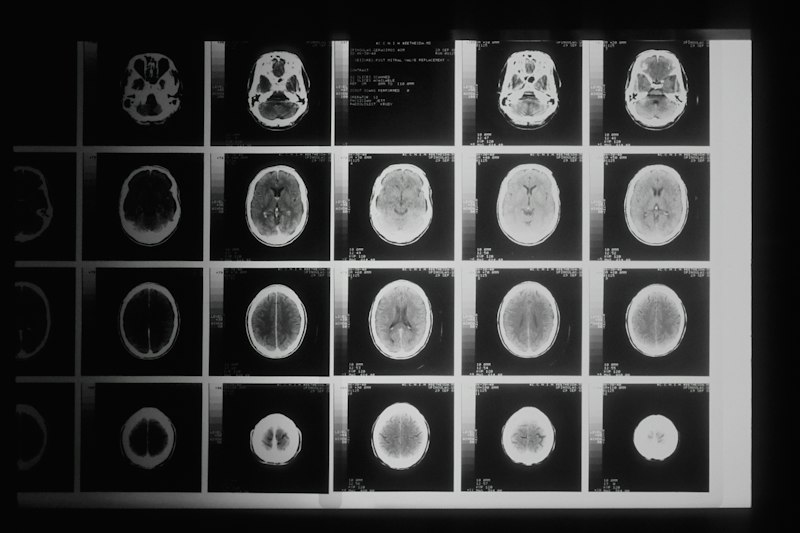
Magnetic Resonance Imaging (MRI) is the gold standard for initial assessment. RN lesions typically appear as enhancing masses on contrast-enhanced MRI, often displaying a characteristic “soap bubble” or “Swiss cheese” appearance due to small cystic changes within the core. However, definitive differentiation often requires functional or metabolic imaging techniques. MR spectroscopy (MRS) measures the concentration of metabolites within the lesion; tumor recurrence typically shows elevated choline and decreased N-acetylaspartate (NAA), whereas RN shows decreased levels of all metabolites, consistent with tissue death.
Furthermore, positron emission tomography (PET) using fluorodeoxyglucose (FDG) is highly useful in clarifying the diagnosis. Malignant tumors are generally hypermetabolic, showing high uptake of FDG. Conversely, necrotic tissue is metabolically inert and exhibits low or absent FDG uptake. Newer techniques, such as amino acid PET imaging (using tracers like FET or MET), offer even greater sensitivity in distinguishing between the high proliferation rates of malignant tumors and the low metabolic activity characteristic of RN, thus ensuring that patients receive the appropriate, targeted management plan without unnecessary or harmful treatments.
Historical Context of Recognition
The understanding of radiation-induced tissue damage dates back to the very beginnings of therapeutic radiation use in the late 19th and early 20th centuries. Early practitioners, lacking precise dosimetry and shielding techniques, frequently observed severe, acute cutaneous burns and tissue destruction following high-dose exposure. These immediate effects were easily recognizable. However, the recognition and formal definition of *delayed* necrosis as a specific chronic entity took considerably longer to evolve.
During the mid-20th century, as radiotherapy techniques became more formalized and survival rates for cancer improved, clinicians began observing patients presenting with neurological deficits and debilitating tissue destruction months or years after successful tumor ablation. This realization prompted extensive research into tissue tolerance and dose fractionation. Key early work focused on defining the tolerance limits of critical organs, particularly the brain and spinal cord, establishing that delayed RN was not merely a random event but a predictable consequence of exceeding a threshold dose delivered to normal tissue volume.
The development of modern imaging techniques, particularly CT and subsequent MRI in the 1970s and 1980s, revolutionized the ability to visualize the necrotic lesions in the CNS clearly, distinguishing them anatomically from surrounding healthy tissue and recurrent disease. This technological advancement was critical in solidifying the clinical definition of RN and paving the way for targeted medical and surgical treatments designed specifically to address the ischemic and inflammatory components of the condition, moving beyond simple palliative care.
Treatment and Management Strategies
The management of RN is multi-modal, aiming primarily to reduce edema, alleviate symptoms, and restore blood flow to the affected area. The initial and often most effective medical treatment, particularly for CNS RN where swelling is the primary cause of neurological symptoms, involves the use of high-dose corticosteroids. Steroids work by reducing the inflammatory response and decreasing the permeability of the damaged blood-brain barrier, thereby shrinking the surrounding vasogenic edema and rapidly improving patient symptoms. However, long-term steroid use is avoided due to severe side effects.
For patients who are refractory to steroids or require chronic management, specialized pharmacological agents have been introduced. The most notable is Bevacizumab, a monoclonal antibody that targets Vascular Endothelial Growth Factor (VEGF). High levels of VEGF are produced in RN tissue and contribute significantly to vascular leakage and edema formation. Bevacizumab effectively blocks this pathway, leading to a marked and often rapid reduction in edema and lesion volume, offering a powerful non-surgical option for complex cases of cerebral necrosis.
In cases where medical management fails, or when the necrotic mass is large and causing mass effect, surgical resection may be necessary to alleviate pressure and confirm the diagnosis histologically. Furthermore, Hyperbaric Oxygen Therapy (HBO) is a recognized treatment for certain types of RN, particularly soft tissue and bone necrosis. HBO involves administering 100% oxygen at increased atmospheric pressure, significantly raising the oxygen concentration in the bloodstream and promoting diffusion into the ischemic, hypoxic tissue. This high oxygen tension stimulates angiogenesis (new blood vessel formation) and supports fibroblast activity, thereby encouraging repair and revascularization in the chronic wound environment.
A Practical Example: Post-Treatment Scenario
Consider a 60-year-old patient who successfully completed radiotherapy for a glioblastoma multiforme two years ago. For 18 months, follow-up scans showed stable post-treatment changes. Suddenly, the patient presents with new-onset persistent weakness in the right arm and increasing difficulty finding words, symptoms highly concerning for tumor recurrence. An initial follow-up MRI reveals a large, enhancing lesion in the previously irradiated area, surrounded by significant edema, confirming a pathological change.
The critical step is differential diagnosis. If this were tumor recurrence, immediate cytotoxic therapy would be indicated. However, the clinical team orders a follow-up amino acid PET scan. This advanced imaging reveals that while the lesion is large and enhancing (consistent with either tumor or RN), it has very low metabolic activity, confirming the lesion is primarily necrotic tissue rather than rapidly dividing malignant cells. This crucial distinction prevents the patient from undergoing unnecessary and potentially toxic chemotherapy.
The resulting treatment pathway (The “How-To”) focuses on managing the necrotic mass and its associated swelling. The patient is immediately started on a tapered high-dose course of steroids (e.g., Dexamethasone). Within days, the edema subsides, and the patient’s neurological symptoms significantly improve. If, upon steroid reduction, the symptoms returned, the next step would involve initiating treatment with Bevacizumab to stabilize the blood-brain barrier and permanently reduce the chronic edema, thereby effectively managing the condition without resorting to invasive surgery.
Significance and Connections
The study and management of radiation necrosis holds immense significance in modern oncology, serving as a critical measure of the limits of therapeutic efficacy. The persistent risk of RN necessitates the continuous refinement of radiation delivery techniques, promoting approaches like Intensity-Modulated Radiation Therapy (IMRT) and proton therapy, which aim to conform the radiation dose precisely to the tumor volume while sparing surrounding healthy structures. Understanding the biology of RN drives the quest for radioprotective agents—drugs that can shield normal tissue from damage without protecting the tumor itself.
RN is closely related to a broader spectrum of chronic radiation injuries. It shares pathological mechanisms—namely chronic inflammation, vascular damage, and fibrosis—with conditions like radiation-induced fibrosis (scarring of soft tissue), radiation pneumonitis (lung inflammation), and osteoradionecrosis (bone death). These conditions collectively represent the delayed consequences of high-energy exposure, and treatments developed for one form of chronic radiation injury, such as HBO, often find application across these related pathologies.
From a broader scientific perspective, the study of radiation necrosis connects to fields far beyond clinical medicine. The underlying principles of chronic tissue failure due to microvascular insufficiency and failure of oxygen-dependent repair mechanisms are central topics in *Pathology* and *Vascular Biology*. Furthermore, because radiation accelerates cellular aging and senescence in the affected tissue, research into RN provides valuable insights into the fundamental processes of chronic disease, oxidative stress, and the long-term impact of environmental or therapeutic insults on the body’s ability to maintain homeostasis and repair critical structures.