Diagnostic Perception: Decoding the Hidden Mind
Scientifically Reviewed · Dr. Marwa Abd-Alazim · September 17, 2026
Review Criteria & Clinical Standards
This content undergoes rigorous scientific peer-review and medical editorial standards at Arab Psychology Network to ensure clinical accuracy, validity, and compliance with evidence-based guidelines from leading psychological and healthcare authorities (APA / WHO).
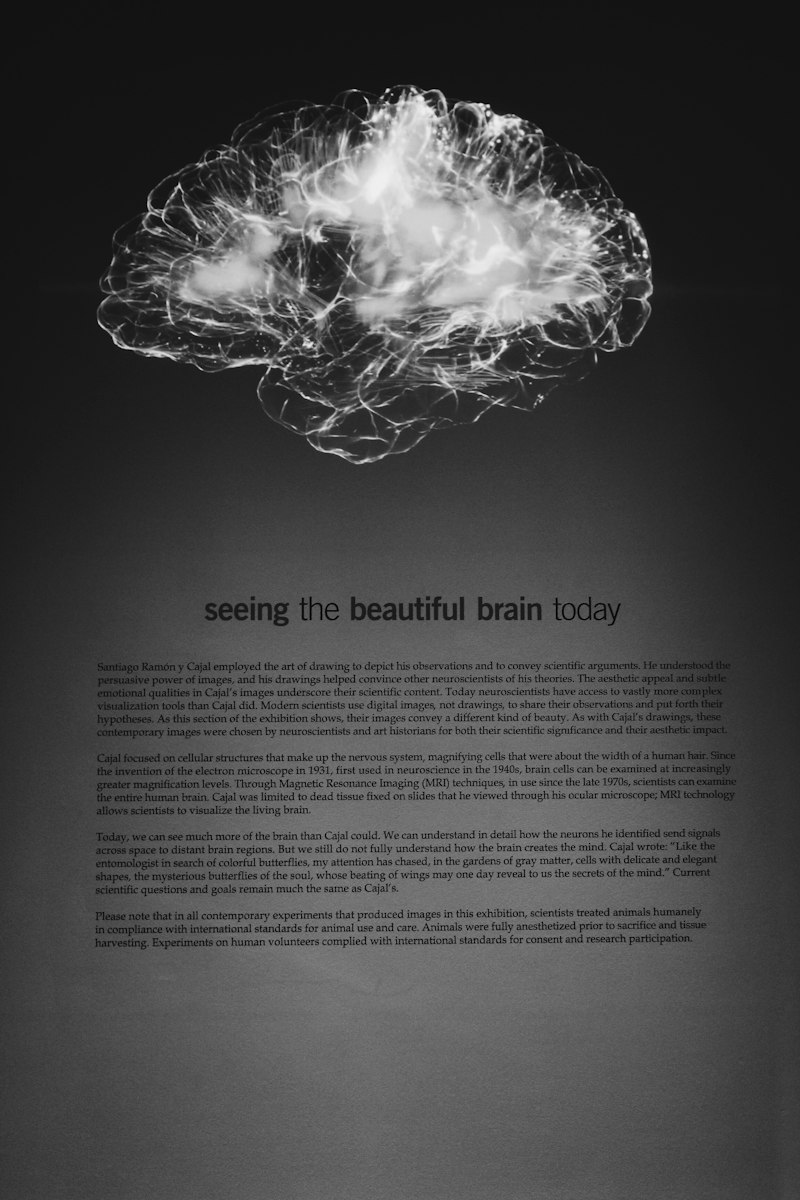
Radiologists: Diagnostic Imaging Professionals
Radiologists are highly specialized physicians who serve as experts in interpreting medical imaging studies, which include a comprehensive range of modalities such as conventional X-rays, computed tomography (CT) scans, magnetic resonance imaging (MRI), ultrasound, and nuclear medicine. Their expertise is foundational to modern clinical medicine, playing a critical and often determinative role in the diagnosis, staging, treatment planning, and overall management of virtually all known medical conditions, ranging from infectious diseases and trauma to chronic degenerative conditions and cancer. The primary responsibility of the radiologist is to translate complex visual data generated by these imaging technologies into meaningful, actionable diagnostic reports that guide referring clinicians in making crucial healthcare decisions for patients. This pivotal role ensures that patients receive timely and accurate diagnoses, which is the cornerstone of effective patient management and ultimately leads to improved health outcomes globally.
The discipline of radiology bridges advanced physics, complex technology, detailed human anatomy, and clinical medicine. Radiologists must possess an encyclopedic knowledge of pathology, understanding how various disease processes manifest visually across different imaging platforms. Furthermore, they are responsible for understanding the biological effects of radiation and adhering strictly to safety protocols, such as the ALARA principle (As Low As Reasonably Achievable), when utilizing ionizing radiation modalities like X-rays and CT scans. Their input often initiates the patient’s journey through the healthcare system, as an early and accurate radiological interpretation can prevent unnecessary invasive procedures or accelerate the commencement of life-saving treatments. Consequently, the radiologist functions not merely as an interpreter of images but as a core diagnostic consultant within the multidisciplinary healthcare team, ensuring that diagnostic certainty is maximized before proceeding with therapy.
Given the rapid evolution of imaging technologies and the increasing complexity of medical data, the radiologist’s role has expanded far beyond simple image interpretation. They are integral to quality control regarding image acquisition parameters, ensuring optimal image quality while minimizing risks to the patient. Moreover, they often participate in protocol development for new imaging sequences or contrast agents, tailoring these tools to specific clinical questions presented by the referring physician. The highly specialized nature of this field demands continuous education and adaptation, as new scanners and processing algorithms are constantly introduced, requiring the radiologist to remain at the forefront of technological advancement to maintain diagnostic proficiency. This continuous commitment to mastering both the science of imaging and the art of diagnosis solidifies their position as indispensable experts in the diagnostic process.
Educational Pathway and Certification
The journey to becoming a board-certified radiologist is rigorous and extensive, requiring a profound commitment to advanced medical and scientific education. Prospective radiologists must first complete a four-year medical degree (M.D. or D.O.), followed by a mandatory preliminary clinical year, often an internship in internal medicine or surgery, to establish a broad foundation of patient care skills. This is then succeeded by a comprehensive four-year residency training program specifically dedicated to Diagnostic Radiology. This residency curriculum is intensely focused, covering all aspects of medical imaging, including physics related to image generation, advanced cross-sectional anatomy, differential diagnosis across diverse organ systems, and extensive hands-on experience interpreting thousands of complex cases under the supervision of experienced attending physicians.
During residency, the training involves structured rotations through various subspecialty areas, ensuring competence in interpreting images related to neurological, musculoskeletal, abdominal, thoracic, and pediatric conditions. Residents are rigorously educated on the technical aspects of image acquisition, the proper administration and monitoring of intravenous contrast agents, and the recognition and management of potential complications. A significant component of training also involves learning to communicate diagnostic findings effectively and concisely through structured written reports, known as official dictations, which serve as the legal and medical record of the diagnosis. Successful completion of the residency allows the physician to sit for the comprehensive board certification examinations administered by the American Board of Radiology (ABR), a credential necessary for independent practice and a testament to specialized competence.
Following residency, many radiologists elect to pursue further specialization through a one or two-year fellowship program. This optional but increasingly common step allows for deep immersion into a highly focused area, such as Neuroradiology, Vascular and Interventional Radiology, or Breast Imaging. Fellowship training refines expert knowledge and procedural skills within that niche, which is crucial given the complexity and volume of modern medical imaging. This additional training ensures the radiologist can handle the most complex and challenging cases within their chosen subspecialty, providing the highest level of diagnostic assurance to patients and referring clinicians. Continuous Maintenance of Certification (MOC) activities, including ongoing learning and periodic assessments, are required throughout a radiologist’s career to ensure persistent adherence to high standards of practice and knowledge of emerging technologies.
Core Diagnostic Imaging Modalities
Radiologists utilize a diverse arsenal of imaging modalities, each providing unique information based on different physical principles. Computed Tomography (CT) scans use X-rays combined with computer processing to create detailed cross-sectional images of the body. CT is exceptionally fast and is the modality of choice for acute settings, such as evaluating trauma, stroke protocols, pulmonary embolisms, and complex abdominal pathology. The radiologist must meticulously analyze hundreds of slices per study, often utilizing advanced workstation tools for 3D reconstruction and multi-planar reformation, to accurately characterize lesions, assess organ integrity, and detect subtle signs of disease that might be missed on conventional X-rays.
Magnetic Resonance Imaging (MRI) offers superior soft-tissue contrast compared to CT, making it invaluable for examining the brain, spinal cord, joints, and soft tissues throughout the body. MRI uses strong magnetic fields and radio waves to generate images, avoiding ionizing radiation entirely. However, MRI acquisition is significantly slower than CT, requiring the radiologist to manage complex protocols involving different sequences (T1, T2, FLAIR, diffusion weighting) tailored to specific clinical queries. Interpretation requires a nuanced understanding of signal characteristics, as subtle variations in tissue water content or molecular motion can signify serious pathology, such as early demyelination, tumor infiltration, or ischemic injury.
Ultrasound, or sonography, utilizes high-frequency sound waves to create real-time images. This modality is radiation-free, portable, and excellent for evaluating dynamic processes, fluid collections, and soft-tissue structures like the thyroid, liver, gallbladder, and reproductive organs. It is the primary tool for obstetric imaging and vascular studies (Doppler ultrasound). The radiologist or sonographer must understand the physics of acoustic impedance and wave reflection, and the interpretation is heavily dependent on the operator’s technique. The radiologist often performs or supervises the scan, allowing for immediate correlation between clinical findings and real-time imaging observations, providing immediate diagnostic feedback that is often critical in emergency settings.
Finally, Nuclear Medicine involves the administration of small amounts of radioactive material (radiopharmaceuticals) to visualize organ function rather than just anatomy. Modalities like PET (Positron Emission Tomography) scans are critical in oncology for staging cancer, assessing treatment response, and detecting recurrence, as they highlight areas of high metabolic activity. Interpretation requires the radiologist to synthesize anatomical information (often co-registered with CT or MRI) with functional data, identifying areas of abnormal tracer uptake. This integration of morphology and function represents a sophisticated diagnostic approach, requiring specialized training in radiation biology and nuclear physics.
Subspecialization within Radiology
As imaging technology and medical knowledge have advanced, the field of radiology has increasingly trended towards subspecialization to manage the sheer volume and complexity of diagnostic information. Subspecialty training allows radiologists to achieve a truly expert level of diagnostic accuracy within a specific anatomical area or disease process. For example, Neuroradiology specialists focus exclusively on the complex imaging of the central nervous system, including the brain, spine, head, and neck. These specialists are crucial in diagnosing conditions like stroke, multiple sclerosis, brain tumors, and intricate vascular malformations, often working closely with neurologists and neurosurgeons to determine optimal management strategies.
Another critical area is Musculoskeletal (MSK) Radiology, focusing on bones, joints, and soft tissues. MSK radiologists interpret complex joint MRI studies, diagnose subtle fractures, evaluate sports injuries, and characterize bone tumors. They frequently collaborate with orthopedic surgeons and rheumatologists, often performing image-guided joint injections for both diagnostic and therapeutic purposes. Similarly, Pediatric Radiology focuses specifically on imaging children, requiring specialized knowledge of pediatric diseases, growth plate anatomy, congenital anomalies, and the appropriate use of radiation reduction techniques tailored for the pediatric population, ensuring the lowest possible dose exposure.
Breast Imaging, often practiced by dedicated specialists, encompasses screening and diagnostic mammography, breast ultrasound, and MRI. These radiologists are highly skilled in detecting minute calcifications or architectural distortions that may signal early breast cancer. They also perform numerous image-guided procedures, such as stereotactic and ultrasound-guided biopsies, providing tissue samples necessary for definitive diagnosis. This focused expertise significantly improves cancer detection rates and guides therapeutic decisions, underscoring how subspecialization directly translates into better patient care through enhanced precision and procedural skill refinement.
Interventional Radiology: Procedures and Scope
Interventional Radiology (IR) represents a unique and rapidly growing subspecialty where the radiologist moves beyond purely diagnostic interpretation into the realm of therapeutic procedure execution. Interventional radiologists utilize advanced imaging guidance—such as fluoroscopy, CT, or ultrasound—to navigate minimally invasive instruments, including needles, catheters, and wires, through small incisions or natural body openings to treat disease directly. This approach often provides patients with viable alternatives to traditional open surgery, resulting in shorter hospital stays, reduced pain, and faster recovery times, fundamentally transforming the treatment landscape for many conditions.
The scope of procedures performed by interventional radiologists is vast and continually expanding. Key examples include angiography and embolization, where catheters are guided through blood vessels to diagnose or treat vascular problems, such as blocking blood flow to tumors or stopping internal hemorrhage. They perform percutaneous tumor ablation (using heat or cold to destroy cancer cells), place venous access devices (PICC lines, ports), perform drainages of abscesses and fluid collections, and conduct vertebral augmentations. Their ability to precisely target pathology using real-time imaging ensures maximum therapeutic effect while minimizing damage to surrounding healthy tissues.
A cornerstone of interventional radiology practice is the performance of image-guided biopsies. When a diagnostic imaging study identifies a suspicious mass, the IR specialist uses CT or ultrasound guidance to accurately direct a biopsy needle into the lesion, retrieving tissue samples essential for pathological diagnosis. This precision minimizes the risk of sampling error and potential complications compared to blind or surgical biopsies. The evolution of IR has solidified the radiologist’s role as both a diagnostician and a primary proceduralist, managing patients from initial consultation and procedure planning through post-procedure follow-up care, establishing them as clinical specialists integral to therapeutic medicine.
Consultative Role and Multidisciplinary Collaboration
The radiologist functions as a vital diagnostic consultant, collaborating extensively with virtually every other specialty in medicine. Their consultative role begins with optimizing the imaging exam requested by the referring provider, often modifying protocols based on the patient’s clinical history to maximize diagnostic yield. Crucially, the radiologist’s primary output, the official imaging report, must be clear, concise, and clinically relevant, translating complex visual findings into language that directly addresses the referring physician’s questions and guides subsequent therapeutic decisions.
Effective collaboration is most evident in the setting of multidisciplinary teams, such as tumor boards (oncology), trauma teams, and stroke teams. Radiologists regularly present and discuss complex cases, highlighting key imaging findings that influence treatment planning—for instance, determining if a tumor is resectable based on its proximity to critical vascular structures, or confirming the extent of brain injury following a traumatic event. This direct interaction ensures that imaging data is accurately integrated into the patient’s overall care plan, preventing diagnostic errors and optimizing the timing and nature of interventions.
The radiologist also plays a crucial educational role, helping medical students, residents from other specialties, and referring physicians understand the limitations and strengths of various imaging modalities. They are often called upon to discuss unexpected or incidental findings—lesions discovered by chance that may or may not be clinically significant—and provide recommendations on appropriate follow-up imaging or further workup. This continuous dialogue and professional consultation solidify the radiologist’s position not as a passive image reader, but as an active, decision-making member of the patient care team, essential for synthesizing vast amounts of clinical data into a cohesive diagnostic narrative.
Technological Advancements and Future Outlook
The field of radiology is inherently linked to technological innovation, with advancements constantly reshaping diagnostic capabilities and workflow efficiencies. The implementation of Picture Archiving and Communication Systems (PACS) revolutionized radiology by allowing digital storage, transmission, and retrieval of images, replacing traditional film-based practices. Teleradiology, which leverages PACS systems, permits radiologists to interpret studies remotely, ensuring 24/7 expert coverage for hospitals globally, particularly benefiting rural or underserved areas.
The future of radiology is increasingly being shaped by Artificial Intelligence (AI) and Machine Learning (ML). AI algorithms are being developed and implemented to assist radiologists in numerous ways, including automated detection of subtle pathologies (such as small lung nodules or intracranial hemorrhages), quantification of disease burden, and optimization of image acquisition protocols. While AI is not intended to replace the radiologist, it serves as a powerful tool to enhance efficiency, reduce diagnostic fatigue, and improve consistency, allowing the human expert to focus their intellectual energy on the most challenging and nuanced cases requiring high-level clinical correlation.
Furthermore, advancements in hardware, such as ultra-high-field MRI (7 Tesla and above) and spectral CT, continue to push the boundaries of spatial and contrast resolution, providing unprecedented detail for diagnosing micro-pathology. The integration of functional imaging techniques, such as advanced perfusion mapping and diffusion tensor imaging, allows radiologists to study tissue physiology and connectivity, particularly in neuroscience. As imaging becomes more quantitative and predictive, the radiologist’s role evolves into that of an information specialist who not only interprets visual data but also manages and analyzes massive datasets to predict patient response to treatment and forecast clinical trajectories.
Ethical and Professional Responsibilities
Radiologists carry significant ethical and professional responsibilities, particularly concerning patient safety and diagnostic accuracy. A paramount ethical duty is the responsible management of ionizing radiation exposure. Radiologists must strictly adhere to the ALARA principle, ensuring that the necessary diagnostic information is obtained using the lowest possible radiation dose, especially when imaging pediatric patients or those requiring frequent follow-up scans. This involves careful protocol selection, dose modulation techniques, and continuous auditing of radiation dose metrics across all imaging equipment.
Maintaining absolute diagnostic accuracy is another core responsibility. Given that radiological reports often dictate major treatment pathways—such as surgery, chemotherapy, or radiation therapy—a diagnostic error can have catastrophic consequences for the patient. Radiologists engage in rigorous peer review and quality improvement activities to minimize error rates and ensure consistency in interpretation. Furthermore, they are responsible for managing incidental findings—unrelated abnormalities discovered during an examination—which requires clinical judgment to determine if the finding warrants further investigation, balancing the need for thoroughness against the risk of patient anxiety and unnecessary follow-up procedures.
Finally, radiologists must uphold the ethical standards of patient communication and confidentiality. While direct patient interaction is often limited compared to primary care, interventional radiologists have direct consultative relationships, and all radiologists must ensure that patient information and imaging data are handled according to strict privacy regulations. Providing clear, empathetic explanations when discussing procedures or complex diagnoses is essential, ensuring informed consent and maintaining the patient’s trust in the diagnostic process. The radiologist’s commitment to safety, accuracy, and clear communication underpins their essential ethical mandate in modern healthcare.
Conclusion: The Vital Role in Modern Healthcare
Radiologists are indispensable experts in modern healthcare, serving as the critical link between advanced medical technology and clinical diagnosis. Their comprehensive training enables them to interpret highly complex imaging data across multiple modalities, translating subtle visual cues into definitive diagnostic statements that drive patient care. From the rapid assessment of life-threatening trauma using CT to the nuanced detection of early cancer signs via MRI and mammography, the radiologist’s skill set is foundational to effective disease management.
The ongoing integration of interventional radiology procedures has further cemented their role as therapeutic specialists, offering minimally invasive treatments that redefine patient recovery and outcomes. Coupled with their continuous adaptation to new technological frontiers, particularly in AI and advanced functional imaging, radiologists remain at the cutting edge of medicine. Their consultative partnerships with other clinicians ensure that imaging information is optimally utilized, maximizing diagnostic certainty and guiding evidence-based treatment decisions.
Ultimately, the expertise of the radiologist is critical for ensuring the best possible outcomes for patients. They safeguard patient safety through rigorous attention to radiation dosage and procedural protocols, and their diagnostic acuity ensures that patients receive the correct diagnosis at the appropriate time. This combination of technological mastery, anatomical knowledge, and clinical judgment underscores the vital and multifaceted contribution of radiologists to global public health.
References
- American Board of Radiology. (2020). About Radiology. Retrieved from https://www.theabr.org/about-radiology
- American College of Radiology. (2020). Radiology Professionals. Retrieved from https://www.acr.org/About-Us/Radiology-Professionals
- American Institute of Radiologic Pathologists. (2020). What is a Radiologist? Retrieved from https://www.airp.org/what-is-a-radiologist/