Rehabilitation Psychology: Unlock Your Hidden Potential
Scientifically Reviewed · Dr. Marwa Abd-Alazim · October 6, 2026
Review Criteria & Clinical Standards
This content undergoes rigorous scientific peer-review and medical editorial standards at Arab Psychology Network to ensure clinical accuracy, validity, and compliance with evidence-based guidelines from leading psychological and healthcare authorities (APA / WHO).
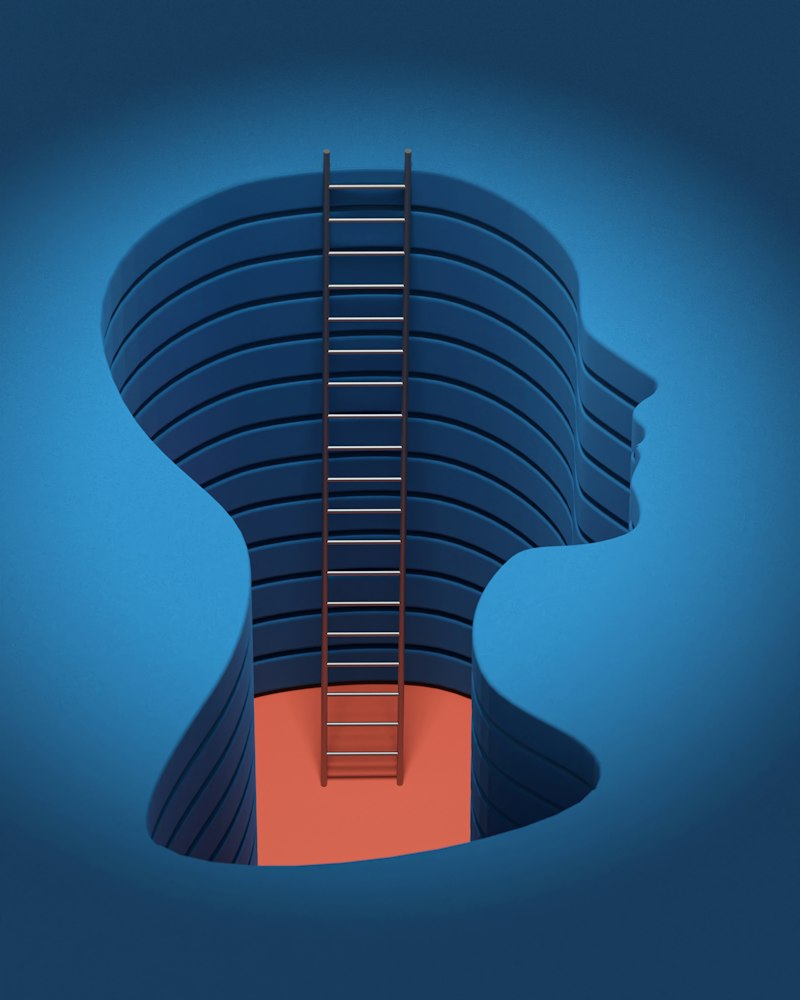
Rehabilitation psychology is a specialized and growing field within professional psychology dedicated to assisting individuals who experience a wide range of physical, cognitive, sensory, and developmental disabilities, as well as those managing chronic medical conditions. The overarching aim of this specialty is to help these individuals achieve optimal psychological, social, and vocational functioning, thereby enhancing their overall quality of life and facilitating greater independence and participation in society. This comprehensive approach recognizes that disability is not merely a medical condition but a complex interaction between an individual’s impairment and their environment, necessitating a holistic understanding and intervention.
At its core, rehabilitation psychology operates on the principle that individuals can adapt and thrive despite significant life challenges imposed by disability or chronic illness. The fundamental mechanism involves empowering individuals to identify and leverage their strengths, develop effective coping strategies, and navigate the psychological and social barriers that often accompany impairments. This includes addressing issues such as adjustment to disability, managing chronic pain, overcoming psychological distress, fostering self-advocacy, and facilitating reintegration into community and work environments. It is a proactive and person-centered discipline, focusing on rehabilitation, adjustment, and maximizing an individual’s potential rather than solely on treating disease.
Historical Foundations
The genesis of rehabilitation psychology as a distinct discipline can be traced back to the mid-20th century, largely spurred by the profound needs of veterans returning from World War I and World War II with significant physical and psychological injuries. These global conflicts highlighted an urgent societal necessity to not only treat acute medical conditions but also to support individuals in their long-term adjustment, vocational reintegration, and psychological well-being. Early efforts were often rooted in a medical model, focusing on restoring physical function, but gradually evolved to incorporate psychological and social dimensions of recovery.
Key figures like Beatrice Wright, a prominent psychologist, played a pivotal role in shaping the philosophical and theoretical underpinnings of the field, advocating for a focus on the individual’s assets and potential rather than solely on their limitations. Her work emphasized the importance of understanding the psychological impact of disability, promoting positive adjustment, and challenging societal biases. This period saw the formal establishment of rehabilitation psychology within the American Psychological Association (APA) in 1956, marking its recognition as a specialized area. The development of the field was also influenced by the burgeoning disability rights movement, which underscored the importance of societal inclusion, accessibility, and the empowerment of individuals with disabilities.
Over the decades, rehabilitation psychology has steadily moved beyond a purely medical paradigm to embrace a more comprehensive biopsychosocial model. This model acknowledges that biological factors (the impairment itself), psychological factors (thoughts, emotions, coping styles), and social factors (environmental barriers, support systems, societal attitudes) all interact to influence an individual’s experience of disability and their potential for rehabilitation. This integrative perspective has allowed the field to address the multifaceted challenges faced by individuals with chronic health conditions and disabilities, paving the way for more holistic and effective interventions.
Goals and Guiding Principles
The overarching goal of rehabilitation psychology is to optimize the functioning and well-being of individuals living with disabilities or chronic medical conditions, empowering them to lead fulfilling, productive, and independent lives. This pursuit extends beyond mere symptom reduction, aiming instead for comprehensive adjustment and adaptation across various life domains. Rehabilitation psychologists work collaboratively with individuals to help them identify, understand, and effectively manage the psychological, social, and environmental barriers that may impede their progress, ultimately striving to enhance their overall quality of life and participation in their communities.
A fundamental principle guiding this specialty is the belief in each individual’s inherent capacity for growth, resilience, and self-determination, irrespective of their physical or cognitive limitations. Rehabilitation psychologists adopt a strength-based perspective, focusing on an individual’s existing abilities and resources rather than exclusively on their deficits. This approach fosters a sense of agency and self-efficacy, encouraging individuals to become active participants in their own rehabilitation journey. The process often involves setting realistic yet challenging goals, developing problem-solving skills, and enhancing emotional regulation to navigate the complexities of living with an impairment.
To achieve these ambitious goals, rehabilitation psychology employs a multifaceted approach that typically includes detailed psychological assessment, targeted therapeutic interventions, and strategic consultation. These core activities are designed to provide a deep understanding of an individual’s unique circumstances, develop tailored strategies for coping and adaptation, and facilitate an environment conducive to their recovery and integration. The ultimate objective is to foster a sense of mastery and control over their lives, promoting psychological health and facilitating maximum independence in all areas of daily functioning, from personal care and social relationships to vocational pursuits and community engagement.
Key Approaches and Interventions
Rehabilitation psychology distinguishes itself through its comprehensive and adaptable array of approaches, meticulously tailored to the unique needs of individuals grappling with disabilities or chronic medical conditions. These approaches are broadly categorized into assessment, intervention, and consultation, each playing a critical role in facilitating optimal adjustment and functioning. The integrated application of these strategies ensures that the complex interplay of biological, psychological, and social factors affecting an individual’s life is thoroughly addressed.
Assessment forms the bedrock of effective rehabilitation, providing a detailed understanding of an individual’s strengths and challenges across multiple domains. Rehabilitation psychologists utilize a diverse battery of assessment techniques, which may include structured clinical interviews with the individual and their family, standardized psychological tests, and direct observation in relevant environments. These assessments delve into cognitive functioning (e.g., memory, attention, executive function), emotional status (e.g., depression, anxiety, grief), behavioral patterns (e.g., coping mechanisms, adherence to treatment), and social support systems. Furthermore, assessments often evaluate vocational aptitudes, functional limitations, and environmental barriers, providing a holistic picture that informs personalized treatment planning and goal setting.
Intervention strategies are designed to equip individuals with the skills and resources necessary to adapt to their impairments and enhance their quality of life. A cornerstone of this is cognitive-behavioral therapy (CBT), which helps individuals identify and modify maladaptive thoughts and behaviors that contribute to distress or hinder recovery. Other widely used interventions include individual and group psychotherapy, focusing on emotional processing, grief resolution, and developing healthy coping mechanisms. Relaxation techniques, mindfulness practices, and stress management training are often employed to mitigate the physiological and psychological impact of chronic conditions. Additionally, rehabilitation psychologists provide psychoeducation, problem-solving skills training, vocational counseling, and family therapy to address the broad spectrum of challenges faced by individuals and their support networks, including navigating stigma and advocating for their needs.
Consultation represents another vital facet of rehabilitation psychology, extending the psychologist’s expertise beyond direct client interaction to influence broader systems. Rehabilitation psychologists frequently consult with other healthcare professionals, including physicians, physical therapists, occupational therapists, and social workers, to ensure a coordinated and integrated approach to care. They also provide consultation to organizations, educational institutions, and employers, assisting in the development of accessible environments, inclusive policies, and effective rehabilitation programs. This consultative role often involves providing education and training to professional staff, participating in program evaluation, and advocating for systemic changes that promote the rights and well-being of individuals with disabilities, thus fostering a more inclusive and supportive society.
A Practical Application: Navigating Life After a Spinal Cord Injury
To truly grasp the essence of rehabilitation psychology, consider the real-world scenario of a 30-year-old individual, let’s call him Mark, who sustained a spinal cord injury (SCI) in a motor vehicle accident, resulting in paraplegia. Initially, Mark experiences profound physical limitations, but also significant psychological distress, including feelings of despair, anxiety about his future, and a sense of loss regarding his previous independence and career as a graphic designer. His family is also struggling to cope, unsure how best to support him emotionally and practically.
A rehabilitation psychologist would first conduct a thorough psychological assessment. This would involve interviews with Mark and his family to understand his pre-injury personality, coping styles, social support network, and immediate concerns. Standardized tests might assess his mood, cognitive function (as a head injury could co-occur), and perceived quality of life. The psychologist would observe Mark’s interactions with his medical team and family to gauge his adjustment and engagement in rehabilitation. This initial assessment would reveal not only his current emotional state – significant depression and anxiety – but also his strong desire to regain independence and continue his passion for design, which represent crucial strengths to build upon.
Based on this assessment, the psychologist would develop a comprehensive intervention plan. This plan might include individual psychotherapy, possibly utilizing cognitive-behavioral therapy (CBT) techniques to challenge negative thought patterns (“My life is over,” “I’m a burden”) and replace them with more adaptive ones (“I can find new ways to be productive,” “My family cares about me”). They would teach Mark relaxation techniques and mindfulness strategies to manage chronic pain and anxiety. Furthermore, vocational counseling would explore adaptive technologies and ergonomic solutions to enable him to continue graphic design, perhaps with specialized software or equipment. Family therapy sessions would address the family’s grief and stress, educate them on Mark’s condition, and help them develop effective communication and support strategies, fostering a resilient family unit.
Throughout this process, the rehabilitation psychologist would also engage in consultation. They would communicate closely with Mark’s physical and occupational therapists to integrate psychological goals with physical rehabilitation, ensuring that Mark’s emotional readiness aligns with his physical progress. For instance, if Mark is reluctant to use a wheelchair in public, the psychologist would address this psychological barrier while the occupational therapist works on wheelchair skills. The psychologist might also consult with Mark’s employer or vocational agencies to explore potential accommodations or retraining opportunities, advocating for his successful return to work or a new career path. This integrated, multi-pronged approach demonstrates how rehabilitation psychology facilitates holistic recovery and long-term adaptation, empowering individuals like Mark to reconstruct meaningful lives.
Significance and Societal Impact
The significance of rehabilitation psychology cannot be overstated, as it plays a pivotal role in transforming the lives of countless individuals and contributes substantially to the overall well-being and inclusivity of society. By addressing the profound psychological, emotional, and social challenges that accompany disability and chronic medical conditions, this field enables individuals to navigate complex life transitions, regain a sense of purpose, and achieve their fullest potential. Without the specialized interventions provided by rehabilitation psychologists, many individuals might succumb to prolonged distress, social isolation, and diminished functional capacity, placing a greater burden on healthcare systems and support networks.
The applications of rehabilitation psychology are remarkably diverse and span across various critical sectors. In healthcare settings, such as acute care hospitals, inpatient rehabilitation centers, and outpatient clinics, rehabilitation psychologists are integral members of interdisciplinary teams, collaborating with medical professionals to provide comprehensive patient care. They are crucial in helping patients adjust to new diagnoses, manage pain, cope with treatment side effects, and adhere to rehabilitation protocols. Beyond clinical environments, their expertise is applied in educational institutions to support students with learning disabilities or chronic health issues, in vocational rehabilitation agencies to assist individuals in returning to or finding new employment, and in community-based programs focused on promoting independent living and social participation for people with disabilities.
Furthermore, rehabilitation psychology exerts a significant influence on public policy and advocacy efforts, contributing to the development of more equitable and accessible societies. Psychologists in this field often engage in research that informs best practices, influences legislation related to disability rights, and promotes the design of inclusive environments. Their work helps to dismantle societal barriers and challenge stigma associated with disability, fostering a culture of understanding and acceptance. By promoting individual resilience and advocating for systemic change, rehabilitation psychology not only improves individual outcomes but also strengthens the fabric of communities, ensuring that all members have the opportunity to thrive and contribute.
Connections and Future Directions
Rehabilitation psychology is inherently interdisciplinary, maintaining robust connections with numerous other psychological subfields and allied health professions. It shares significant theoretical and practical overlaps with health psychology, particularly in addressing the psychological aspects of chronic illness, pain management, and health behavior change. Similarly, its close ties to neuropsychology are evident in the assessment and intervention for cognitive impairments resulting from brain injury, stroke, or neurological conditions. The field also draws heavily from clinical psychology and counseling psychology, applying psychotherapeutic techniques to address emotional distress, adjustment disorders, and mental health conditions within the context of disability. Moreover, it collaborates extensively with occupational therapy, physical therapy, speech-language pathology, and social work, forming comprehensive rehabilitation teams that address the holistic needs of individuals.
As a dynamic and evolving specialty, rehabilitation psychology belongs broadly to the domain of clinical psychology and applied psychology, focusing on the practical application of psychological principles to solve real-world problems related to disability and chronic health. This positioning emphasizes its dual role: grounded in scientific research while committed to direct service provision. The field continually adapts to advances in medicine, technology, and societal understanding of disability, ensuring its relevance and effectiveness in a changing world. It is a specialty that bridges the gap between medical treatment and everyday living, ensuring psychological well-being is prioritized throughout the rehabilitation continuum.
Current research in rehabilitation psychology is vibrant and multifaceted, exploring critical areas that promise to shape future practice. Studies are actively investigating the long-term psychological effects of various disabilities and chronic medical conditions, including aspects of identity, self-esteem, and social integration. Significant attention is paid to understanding and promoting resilience, adaptive coping strategies, and positive psychological growth in the face of adversity. Research also focuses on evaluating the efficacy of novel interventions, integrating assistive technologies into rehabilitation programs, and developing personalized, evidence-based approaches to care. Furthermore, investigations into reducing stigma, improving accessibility, and advocating for inclusive policies remain central, underscoring the field’s commitment to both individual empowerment and systemic change, ensuring that rehabilitation psychology continues to be at the forefront of improving quality of life for individuals with disabilities worldwide.
Conclusion
Rehabilitation psychology stands as a vital and compassionate specialty within the broader field of psychology, dedicated to enhancing the lives of individuals confronting the complex challenges of disabilities and chronic medical conditions. Through its rigorous application of psychological science, this field empowers individuals to adapt, cope, and ultimately thrive, fostering optimal physical, mental, and emotional functioning. By employing a person-centered approach that integrates comprehensive assessment, evidence-based interventions, and strategic consultation, rehabilitation psychologists play an indispensable role in promoting independence, improving quality of life, and advocating for societal inclusivity.
The enduring impact of rehabilitation psychology is evident in its ability to transform adversity into opportunity, guiding individuals through profound life changes and helping them to redefine their potential. As research continues to advance our understanding of adaptation, resilience, and the efficacy of interventions, the field remains poised to further refine its practices and expand its reach, ensuring that individuals with disabilities and chronic conditions receive the holistic support necessary to live full, meaningful, and productive lives within their communities.