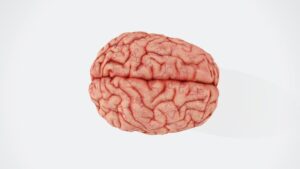
The Relay Nucleus: Your Brain’s Sensory Gatekeeper
Scientifically Reviewed · Dr. Marwa Abd-Alazim · October 16, 2026
Review Criteria & Clinical Standards
This content undergoes rigorous scientific peer-review and medical editorial standards at Arab Psychology Network to ensure clinical accuracy, validity, and compliance with evidence-based guidelines from leading psychological and healthcare authorities (APA / WHO).

The Core Definition of the Relay Nucleus
The Relay Nucleus (RN) is fundamentally defined as a small, specialized cluster of neurons strategically located within the midbrain, a critical region of the brainstem. Its primary role is not merely the transmission of signals, but the active integration and modulation of diverse sensory and regulatory information flowing between lower brain regions and the cerebral cortex. This structure serves as a crucial hub, facilitating the seamless processing of incoming stimuli and ensuring appropriate behavioral and physiological responses. The RN acts less like a simple wire and more like a sophisticated switchboard, determining which information receives priority access to higher cognitive centers.
A key idea underlining the function of the Relay Nucleus is its integral membership in the Ascending Reticular Activating System (ARAS). The ARAS is the diffuse network of neurons responsible for maintaining the state of wakefulness, alertness, and general arousal. The RN contributes significantly to this systemic function by regulating the tonic (sustained) and phasic (momentary) activity levels of the cortex. Without the proper functioning of the RN and its interaction within the ARAS, an organism would struggle to maintain a coherent state of consciousness, leading to impairments in attention, vigilance, and the capacity to respond to environmental cues.
The definition extends beyond simple arousal, encompassing the precise filtering of sensory data. The RN is highly influential in determining the salience of environmental stimuli, ensuring that only the most relevant or potentially threatening information breaks through the background noise to demand conscious attention. This mechanism of selective gating is essential for survival and efficient cognitive processing, preventing sensory overload while simultaneously preparing the organism for necessary motor and autonomic adjustments.
Anatomical Structure and Location
Anatomically, the Relay Nucleus is situated in the tegmentum of the midbrain, typically positioned rostral—or anterior—to the superior colliculus. This placement affords it proximity to major ascending and descending pathways, allowing it to exert broad influence over neural circuitry. Far from being a uniform mass, the RN is composed of distinct sub-nuclei, often described broadly as dorsal and ventral regions, along with anteroventral and lateral subdivisions. This heterogeneity in structure reflects the diversity of functions the RN performs, with different sub-regions potentially specializing in specific types of integration, such as autonomic regulation versus direct cortical activation.
The cellular architecture of the Relay Nucleus is characterized by a rich mixture of neuronal cell types, each contributing to the modulatory capacity of the nucleus. These cell populations include highly excitatory glutamatergic neurons, which utilize glutamate to promote excitation and signal transmission, and inhibitory GABAergic neurons, which use GABA to temper or gate incoming signals. Furthermore, the presence of cholinergic and serotonergic neurons is crucial, as these systems provide widespread neuromodulatory control, influencing global states of the brain, particularly those related to mood, sleep-wake cycles, and overall responsiveness.
The complex organization of the RN allows it to manage and distribute signals efficiently. The dendrites and axons of these varied neuronal populations interconnect extensively, forming a dense local network that facilitates rapid cross-talk and integration of inputs arriving from disparate parts of the brain. This anatomical complexity underscores the RN’s role as a central regulatory node rather than a simple transit station, suggesting a high degree of local processing occurs before signals are redistributed to higher brain regions like the cortex and the thalamus.
Neurophysiological Mechanisms and Input/Output Pathways
The physiological function of the Relay Nucleus is defined by its extensive and bidirectional connectivity. It serves as a confluence point, receiving massive input from numerous areas critical for emotion, memory, and cognitive processing. Key afferent inputs arrive from the thalamus—specifically the intralaminar nuclei—as well as the limbic system structures such as the hippocampus and the amygdala, providing contextual and emotional valence to incoming stimuli. Input is also gathered from the hypothalamus, linking the RN to homeostatic and autonomic regulation, and directly from the entire expanse of the cerebral cortex, providing information on current cognitive states and top-down control.
Crucially, the RN integrates raw sensory data from the primary sensory systems: auditory, visual, and somatosensory pathways all feed into the nucleus. This integration allows the nucleus to synthesize a holistic awareness of the environment, cross-referencing auditory signals with visual information, for instance, before determining the appropriate level of arousal. This multi-sensory convergence is essential for rapid orienting responses and the initiation of fight-or-flight behaviors, illustrating its fundamental role in survival mechanisms. The gating function here is critical; the RN ensures that strong or novel sensory information bypasses inhibitory filters to immediately elevate overall brain activity.
The output pathways of the Relay Nucleus are equally far-reaching, reflecting its modulatory influence over the entire neuraxis. Output signals are primarily directed back up to the thalamus and then widely distributed across the cerebral cortex, thereby regulating cortical excitability and attention. Additionally, efferent projections descend to various brainstem nuclei that directly govern essential functions, including those controlling autonomic responses (heart rate, respiration), motor commands (posture, movement preparation), and complex behavioral responses. This dual-direction communication loop ensures that the state of cortical awareness is constantly adjusted based on environmental needs and internal physiological demands.
Historical Discovery and Context
The concept of a centralized system controlling alertness, to which the Relay Nucleus belongs, emerged prominently in the mid-20th century. While the RN itself was not isolated as a functional unit immediately, its parent system, the Reticular Formation (RF), was the subject of pioneering work. Landmark research conducted by scientists like Giuseppe Moruzzi and Horace Magoun in the late 1940s and early 1950s provided the foundational evidence for the Ascending Reticular Activating System (ARAS). They demonstrated that electrical stimulation of the brainstem’s central core—the area housing the RF and subsequent nuclei like the RN—could instantaneously awaken a sleeping animal and induce a pattern of low-voltage, fast-frequency waves characteristic of wakefulness on an electroencephalogram (EEG).
The subsequent identification and anatomical delineation of specific nuclei within the broader RF complex allowed researchers to pinpoint structures responsible for specialized functions. The Relay Nucleus gained particular attention due to its unique position at the intersection of sensory input and cortical projection pathways. Research focused on this nucleus helped refine the understanding that arousal is not a monolithic phenomenon, but rather a carefully sculpted process involving distinct neural circuits. This historical shift moved the field away from viewing the brainstem as purely a relay for motor and sensory fibers, recognizing it instead as the primary engine driving consciousness and cognitive readiness.
The focus on the RN also intersected with early studies in attention and filtering. Scientists recognized that the brain needed a mechanism to suppress irrelevant information while amplifying crucial signals. The anatomical and physiological properties of the RN, particularly its use of inhibitory and excitatory neurotransmitters to manage signal traffic, positioned it as a prime candidate for this filtering role. This historical context established the RN not just as an anatomical curiosity, but as a functional cornerstone for theories of sustained attention and vigilance, paving the way for modern research in Cognitive Neuroscience.
Functional Roles in Attention and Behavior
The functions of the Relay Nucleus are deeply intertwined with the regulation of attention and arousal, representing a continuous spectrum of readiness states. It acts as a master regulator of the transition between low-alert states, such as drowsiness, and high-alert states, necessary for focused activity. By modulating the release of neuromodulators like acetylcholine and serotonin, the RN directly influences the excitability of cortical neurons. When RN activity is high, the cortex is primed for rapid processing, leading to enhanced concentration, faster reaction times, and heightened sensory perception.
Beyond simple arousal, the RN plays a crucial role in the processing of motivationally salient signals, specifically those related to reward and punishment. Inputs from the limbic system, particularly the amygdala and nucleus accumbens, converge here, allowing the Relay Nucleus to integrate emotional valence with sensory information. If a stimulus is associated with a strong reward or a severe threat, the RN ensures that the resulting arousal is intense and sustained, leading to highly motivated behavioral responses aimed at seeking reward or avoiding danger. This integration is vital for learning and adaptive behavior.
Furthermore, the RN is implicated in the fine-tuning of motor and autonomic responses that accompany shifts in attention. For instance, when a sudden, loud noise occurs, the RN not only triggers cognitive awareness (alertness) but simultaneously initiates the necessary autonomic changes—like increased heart rate and blood pressure—and pre-motor adjustments—like muscle bracing or orienting the head toward the source of the noise. This coordination demonstrates the RN’s power to link perception, emotion, and physical action into a coherent, immediate response package, ensuring the organism’s optimal interaction with a dynamic environment.
A Practical Scenario: The Role of the RN in Alertness
Consider a practical, everyday scenario: driving home late at night on a long, monotonous stretch of highway. Initially, the environment is predictable, and the driver is in a state of low-level sustained attention, potentially bordering on fatigue. The Relay Nucleus is maintaining a baseline level of cortical activation necessary for simple driving tasks, but it is not fully engaged. This state is marked by minimal filtering and a somewhat dampened responsiveness to minor environmental fluctuations.
Suddenly, a deer darts across the road ahead. This novel, critical visual input is immediately registered by the visual system and relayed directly to the RN, bypassing some of the slower, more circuitous cognitive routes. The threat signal is simultaneously amplified by the amygdala input to the RN. The nucleus instantaneously interprets this convergence of high-salience sensory data and strong emotional valence (fear/danger).
The RN then executes a rapid “How-To” sequence to elevate the driver’s state from moderate attention to maximal alertness:
- Signal Amplification: The RN disinhibits excitatory pathways to the thalamus and cortex, leading to the rapid desynchronization of cortical activity (an EEG signature of wakefulness), resulting in immediate, sharp awareness.
- Autonomic Activation: Efferent projections from the RN descend to the brainstem nuclei, triggering the sympathetic nervous system. This causes a surge of adrenaline, increasing heart rate, dilating pupils, and preparing the muscles for rapid action (e.g., slamming the brakes).
- Motor Priming: The RN modulates motor systems, reducing reaction time and allowing the driver to execute the necessary evasive maneuvers (turning the wheel, applying the brake) with maximal efficiency and speed.
- Sustained Vigilance: Even after the immediate danger passes, the RN maintains a high level of arousal for several minutes, ensuring the driver remains vigilant for secondary threats or consequences of the near-accident.
Clinical Significance and Therapeutic Implications
The functional importance of the Relay Nucleus makes it a significant target for understanding and treating various neurological and psychological disorders characterized by dysregulation of arousal and attention. Dysfunction in RN pathways has been implicated in conditions such as Attention Deficit Hyperactivity Disorder (ADHD), where patients struggle with sustained attention and appropriate filtering of environmental stimuli. If the RN’s gating mechanism is faulty, the cortex may receive a constant barrage of unfiltered information, leading to distractibility and cognitive overload.
Furthermore, the RN’s involvement in the ARAS means it is central to sleep pathology. Disturbances or lesions within the RN or its associated circuits can contribute to chronic insomnia, narcolepsy, or disorders of consciousness. Therapeutic strategies aimed at regulating the sleep-wake cycle often involve pharmacological agents that influence the key neurotransmitter systems—cholinergic, glutamatergic, and serotonergic—that are highly active within the Relay Nucleus. Understanding the precise role of the RN allows for the development of more targeted interventions that selectively enhance or suppress specific arousal pathways.
Finally, in the realm of clinical neurology, damage to the midbrain due to stroke or traumatic brain injury often severely compromises the function of the RN, potentially leading to profound impairments in consciousness, ranging from stupor to coma. The integrity and activity of the RN serve as key indicators for assessing the severity and prognosis of such injuries. Rehabilitative efforts focusing on stimulating arousal and restoring basic attentional capacities necessarily rely on an understanding of how to reactivate or bypass damaged RN circuits.
Connections to Broader Psychological Theories
The Relay Nucleus is a prime example of the intersection between biological neuroscience and higher-level cognitive psychology, particularly within the subfield of Behavioral Neuroscience. Its function directly supports prominent cognitive theories concerning attention and information processing. For instance, the RN provides a physiological basis for Donald Broadbent’s early filter theory of attention, which posited that incoming sensory information must pass through a bottleneck, or filter, before reaching conscious awareness. The RN acts as this critical bottleneck, prioritizing signals based on their intensity and behavioral relevance.
Its role in integrating sensory, emotional, and motor information places the RN centrally in theories of embodied cognition and psychological stress response. The ability of the RN to instantaneously trigger autonomic and somatic responses in conjunction with cognitive awareness links the internal physiological state directly to perception and decision-making. Thus, the RN is not just a passive information relay, but an active component in the loop that connects bodily sensations and external reality, heavily influencing how individuals appraise and react to stressful situations.
The broad category of psychology to which the RN primarily belongs is **Biological Psychology** (or Physiological Psychology), given its focus on the anatomical and biochemical underpinnings of behavior. However, its functional output is essential for **Cognitive Psychology**, specifically in the areas of selective attention, vigilance, and executive control. The RN’s influence on reward and emotional circuits also provides a crucial link to **Affective Neuroscience**, demonstrating how primary brain structures mediate the relationship between internal drives and externally expressed behavior.