Chronic Kidney Disease: The Hidden Mind-Body Connection
Scientifically Reviewed · Dr. Marwa Abd-Alazim · October 2, 2026
Review Criteria & Clinical Standards
This content undergoes rigorous scientific peer-review and medical editorial standards at Arab Psychology Network to ensure clinical accuracy, validity, and compliance with evidence-based guidelines from leading psychological and healthcare authorities (APA / WHO).
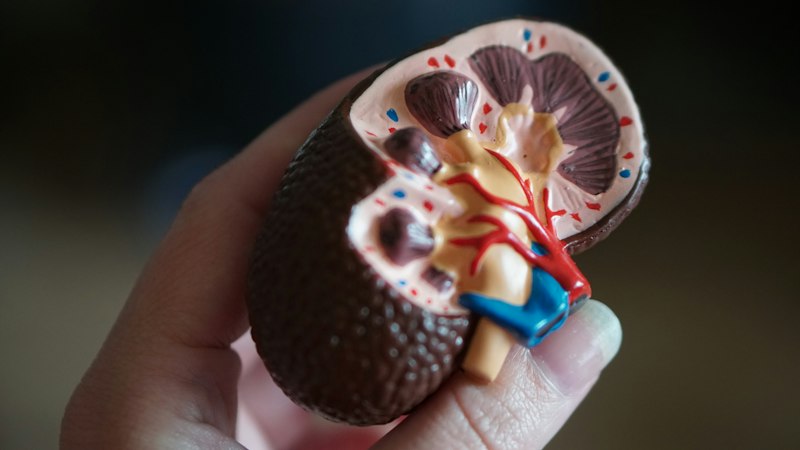
Introduction to Renal Dysfunction in Chronic Kidney Disease
Chronic Kidney Disease (CKD) represents an increasingly formidable and escalating global health challenge, currently impacting hundreds of millions of individuals across diverse demographics, socioeconomic strata, and geographic regions. At its physiological core, CKD is characterized by a gradual, progressive, and often insidious loss of functional renal parenchyma over an extended period. If left unaddressed or inadequately managed, this progressive decline can culminate in end-stage renal disease, a life-threatening state of complete kidney failure. Within the broad and complex spectrum of CKD, renal dysfunction stands out as both the primary clinical hallmark and one of the most severe complications, signifying the kidneys’ diminishing capacity to perform their vital physiological roles in filtering waste, maintaining homeostasis, and secreting essential hormones.
The inherently silent and insidious nature of renal dysfunction in its early stages means that the disease often progresses without presenting any noticeable symptoms to the patient. This lack of early clinical manifestations makes timely detection and therapeutic intervention particularly challenging, yet critically important for altering the patient’s long-term health trajectory. As kidney function deteriorates, the body’s capacity to filter metabolic waste products from the blood, regulate fluid and electrolyte balance, and produce essential regulatory hormones becomes progressively compromised. This systemic failure underscores why renal dysfunction should not be viewed as an isolated organ pathology, but rather as the central component of a complex, multi-system disorder that necessitates a comprehensive, multidisciplinary clinical approach.
A thorough understanding of renal dysfunction in the context of CKD requires a deep exploration of its multifaceted etiologies, intricate pathophysiological pathways, and the wide array of clinical manifestations it presents. From the initial, subtle alterations in glomerular hemodynamics to the overt, debilitating symptoms of advanced uremia, the trajectory of renal decline is a stark testament to the delicate homeostatic balance maintained by healthy kidneys. By elucidating the cellular and molecular mechanisms by which renal function declines, clinical researchers and healthcare providers can better design and employ targeted therapeutic strategies to mitigate the devastating impact of this chronic condition on global public health.
Defining Renal Dysfunction: A Comprehensive Overview
At a fundamental clinical level, renal dysfunction within the framework of Chronic Kidney Disease is defined and monitored using two primary, objective, and readily measurable physiological indicators: a persistent decline in glomerular filtration rate (GFR) and an increase in urinary protein excretion, most notably albuminuria. The GFR serves as the undisputed gold standard for assessing overall kidney function, representing the collective volume of blood filtered by the functional glomeruli per unit of time. A sustained reduction in GFR over a period of three months or more signifies an impaired filtration capacity, indicating that the kidneys are no longer effectively clearing metabolic waste products and excess fluid from the systemic circulation. This decline is progressive, allowing clinicians to categorize CKD into distinct stages that correlate directly with disease severity and the risk of systemic complications.
Complementing the GFR as a diagnostic cornerstone is the presence of elevated urinary protein excretion, clinically referred to as proteinuria or, more specifically, albuminuria. Healthy, intact kidneys possess a highly selective filtration barrier that prevents large macromolecular proteins, such as albumin, from leaking into the urinary space. Consequently, the detection of elevated protein levels in the urine is a direct indicator of structural damage to the glomeruli, the kidney’s primary filtration units. Proteinuria is not merely a passive marker of renal damage; it is also a potent independent predictor of accelerated CKD progression and a major risk factor for adverse cardiovascular events. The continuous passage of proteins through the renal tubules induces local inflammation and cellular injury, further driving the cycle of chronic kidney damage.
Beyond these primary diagnostic criteria, advanced renal dysfunction is frequently accompanied by a constellation of systemic disturbances that reflect the kidneys’ extensive regulatory roles. These include profound electrolyte disturbances, such as imbalances in potassium, phosphorus, and calcium, which can lead to life-threatening cardiac arrhythmias and bone mineral disorders. Furthermore, patients often present with hyperlipidemia, an abnormal elevation of serum lipids that accelerates systemic atherosclerosis and increases overall cardiovascular risk. Another common and highly impactful complication of renal decline is anemia, which arises primarily from the kidneys’ impaired synthesis of erythropoietin, a vital hormone that stimulates red blood cell production in the bone marrow. Together, these accompanying conditions demonstrate the far-reaching, systemic impact of renal dysfunction on the human body.
The Pathophysiological Mechanisms of Renal Decline
The pathophysiology underlying progressive renal dysfunction in CKD is remarkably intricate, involving a web of cellular, molecular, and hemodynamic processes that drive the gradual destruction of functional nephrons. This complexity is largely due to the diverse initiating etiologies of CKD, which range from systemic metabolic diseases like diabetes mellitus to vascular conditions like chronic hypertension, as well as primary renal diseases like glomerulonephritis. Despite these varied starting points, the chronic phase of renal decline typically converges on a common pathway of cellular injury, characterized by persistent inflammation, tissue hypoxia, and maladaptive remodeling. Understanding these convergent pathways is essential for developing therapeutic interventions aimed at halting the relentless progression of renal tissue damage.
A central structural driver of this decline is the development of glomerular sclerosis, which refers to the progressive scarring and hardening of the kidney’s microscopic filtration units. When a subset of glomeruli is damaged, the remaining healthy nephrons undergo compensatory hyperfiltration and hypertrophy to maintain overall clearance. While temporarily beneficial, this compensatory mechanism increases mechanical stress and intraglomerular pressure, ultimately leading to further endothelial damage, podocyte loss, and the eventual sclerosis of these previously healthy units. This self-perpetuating cycle of hyperfiltration and subsequent sclerosis leads to a steady, irreversible reduction in the total number of functioning nephrons, directly compromising the kidney’s filtration capacity.
Concurrently, tubulointerstitial fibrosis emerges as a critical, common pathway of advanced CKD, representing the primary histological correlate of long-term renal decline. This process is characterized by the excessive and uncontrolled deposition of extracellular matrix proteins, such as collagen, within the renal interstitium, leading to the destruction of the surrounding renal tubules and peritubular capillaries. Because the renal tubules are responsible for the essential reabsorption of water, electrolytes, and nutrients, as well as the active secretion of metabolic acids and toxins, their progressive fibrotic destruction severely impairs the kidney’s ability to concentrate urine, regulate systemic acid-base balance, and maintain fluid homeostasis.
Superimposed on these structural alterations are the damaging effects of chronic inflammation, oxidative stress, and dyslipidemia. The accumulation of metabolic waste products, combined with local tissue injury, triggers a persistent inflammatory response within the renal parenchyma, marked by the infiltration of macrophages and the release of pro-fibrotic cytokines. This inflammatory state is further exacerbated by oxidative stress, characterized by an overproduction of reactive oxygen species that directly damage cellular lipids, proteins, and nucleic acids. Additionally, systemic dyslipidemia leads to the accumulation of toxic lipid species within renal cells, causing lipotoxicity and endothelial dysfunction, which collectively impair renal perfusion and accelerate the progression of fibrotic tissue remodeling.
Historical Perspectives on Understanding Kidney Disease
The historical journey toward a comprehensive medical understanding of kidney disease and renal dysfunction has been long and evolving, spanning several centuries of clinical observation and scientific discovery. In ancient times, early healers made rudimentary connections between macroscopic changes in urine—such as alterations in color, consistency, or volume—and systemic illness, but they lacked any conceptual understanding of the kidney’s internal anatomy or physiological functions. For much of medical history, the kidneys were viewed as relatively simple excretory organs, and their critical roles in maintaining systemic fluid balance, blood pressure, and metabolic homeostasis remained largely unrecognized, often overshadowed by the more obvious functions of the heart and lungs.
A major paradigm shift occurred during the 17th and 18th centuries with the advent of early microscopy and detailed anatomical dissections, which allowed researchers to begin mapping the complex internal architecture of the renal parenchyma. In the 19th century, pioneering scientists such as William Bowman and Jacob Henle made fundamental contributions to renal histology by describing the structure of the glomerulus and the loop of the renal tubule, respectively. These anatomical discoveries laid the groundwork for the modern field of renal physiology, allowing subsequent researchers to conceptualize the nephron as the functional unit of the kidney and to begin investigating the physical forces driving glomerular filtration and tubular reabsorption.
The modern conceptualization of Chronic Kidney Disease (CKD) as a progressive, multi-stage clinical entity is a relatively recent development, largely taking shape during the late 20th and early 21st centuries. Prior to this period, various forms of renal impairment were often treated as separate, unrelated pathologies, lacking a unified diagnostic or prognostic framework. This changed dramatically with the establishment of standardized, evidence-based guidelines and staging systems by major international nephrology organizations, including the Kidney Disease Outcomes Quality Initiative (KDOQI) and later the Kidney Disease: Improving Global Outcomes (KDIGO) initiative. By introducing standardized definitions based on GFR and albuminuria, these clinical guidelines provided a common global language, transforming nephrology research and clinical practice worldwide.
Living with CKD: A Practical Illustration of Renal Dysfunction
To fully appreciate the clinical reality and profound human impact of progressive renal dysfunction, it is highly instructive to consider the hypothetical journey of a patient, “Mr. David,” a 55-year-old individual living with a long history of poorly controlled essential hypertension and type 2 diabetes mellitus. For many years, Mr. David felt entirely healthy, experiencing only occasional, mild fatigue that he easily dismissed as a consequence of his demanding career and aging. During this early phase of his disease, routine laboratory evaluations might have revealed a subtle decline in his estimated GFR alongside trace amounts of protein in his urine. However, because his remaining nephrons were still able to compensate for the underlying damage, he remained completely asymptomatic, illustrating the silent and dangerous progression that characterizes the early stages of renal decline.
As Mr. David’s chronic conditions continued to exert metabolic and mechanical stress on his renal vasculature, his CKD progressed to a moderate stage, with his GFR dropping below 60 mL/min/1.73m². At this point, the clinical signs of renal dysfunction became increasingly difficult to ignore, manifesting as persistent physical fatigue, noticeable swelling in his lower extremities due to fluid retention, and occasional shortness of breath. Diagnostic evaluations at this stage would confirm a marked increase in his urinary albumin excretion, alongside early systemic complications, including mild normocytic anemia and elevated serum potassium levels. In response, his nephrologist would initiate an intensive management plan, combining strict blood pressure and glycemic control with targeted pharmacological agents, such as an ACE inhibitor, designed to reduce intraglomerular pressure and slow the rate of functional decline.
If these therapeutic interventions fail to halt the progression of his disease, Mr. David’s renal function may eventually decline to end-stage renal disease (ESRD), a state in which his kidneys can no longer sustain systemic homeostasis. At this advanced stage, the profound accumulation of uremic toxins would lead to a severe clinical syndrome characterized by constant nausea, a loss of appetite, persistent generalized itching, and cognitive slowing. To survive, Mr. David would require renal replacement therapy, necessitating either a lifetime commitment to regular dialysis treatments—such as hemodialysis at a specialized clinic or peritoneal dialysis performed at home—or undergoing a major surgical procedure to receive a kidney transplant. This clinical narrative highlights how a silent, microscopic process can gradually transform into a life-altering illness requiring complex, lifelong medical care.
The Far-Reaching Significance of Renal Health
The global significance of understanding, detecting, and effectively managing renal dysfunction extends far beyond the boundaries of individual patient care, representing a critical and urgent public health priority with massive socioeconomic implications. Today, CKD is recognized as a leading non-communicable disease that contributes substantially to the global burden of morbidity and mortality, often acting as a silent multiplier of cardiovascular disease risks. Because of its high prevalence and its close association with other pandemic chronic conditions, such as diabetes and hypertension, the rising tide of renal dysfunction poses a major challenge to healthcare infrastructures and public health systems around the world.
From an economic perspective, the financial burden of managing advanced renal dysfunction, particularly when it progresses to end-stage renal disease, is exceptionally high and disproportionate to the size of the affected patient population. The direct medical costs associated with maintaining patients on chronic renal replacement therapies, such as hemodialysis and peritoneal dialysis, consume a significant portion of national healthcare budgets in both developed and developing nations. These direct expenses are further compounded by substantial indirect societal costs, including lost economic productivity, premature disability, and the extensive caregiving resources required to support patients with advanced kidney failure, highlighting the urgent economic need for effective early intervention strategies.
From a broader clinical and societal viewpoint, prioritizing renal health is essential because the kidneys are central to the preservation of overall systemic wellness. Effective strategies aimed at screening high-risk populations, raising public awareness, and implementing early renoprotective therapies can dramatically slow the progression of renal decline, thereby preventing or delaying the onset of debilitating cardiovascular events and the need for costly dialysis. By integrating renal health into national chronic disease prevention frameworks, public health agencies and clinical organizations can improve long-term patient outcomes, reduce health disparities, and build more sustainable, resilient healthcare systems for the future.
Therapeutic Approaches and Management Strategies
The clinical management of renal dysfunction in patients with CKD requires a comprehensive, multi-faceted, and highly individualized therapeutic approach that targets both the underlying causes of renal injury and its systemic complications. Because chronic nephron loss is generally irreversible, the primary goals of therapy are to preserve residual kidney function, delay the progression toward end-stage renal disease, and optimize the patient’s overall quality of life. Achieving these goals requires a coordinated, multidisciplinary care team consisting of nephrologists, primary care physicians, specialized nurses, and renal dietitians, all working together to implement lifestyle, pharmacological, and renal replacement strategies.
At the absolute foundation of any effective CKD management plan are comprehensive lifestyle modifications, which empower patients to take an active role in protecting their remaining renal function. Dietary interventions are particularly critical, typically involving a restricted intake of dietary sodium to assist in blood pressure control and reduce fluid retention, alongside careful monitoring of dietary protein, phosphorus, and potassium to prevent the accumulation of toxic metabolites and electrolyte imbalances. Additionally, patients are strongly encouraged to engage in regular, moderate physical activity, which helps optimize cardiovascular fitness, improve insulin sensitivity, and assist in weight management, while smoking cessation and the avoidance of nephrotoxic substances, such as nonsteroidal anti-inflammatory drugs, are mandatory to prevent acute-on-chronic kidney injury.
Pharmacological interventions represent a cornerstone of modern renoprotective therapy, focusing primarily on blood pressure control and the reduction of intraglomerular pressure. Medications that block the renin-angiotensin-aldosterone system, such as angiotensin-converting enzyme (ACE) inhibitors or angiotensin receptor blockers (ARBs), are widely prescribed due to their proven ability to lower systemic blood pressure and reduce urinary protein excretion, thereby protecting the delicate glomerular architecture from further hemodynamic damage. In addition to these traditional therapies, the clinical introduction of SGLT2 inhibitors has revolutionized CKD management, offering potent renoprotective benefits in both diabetic and non-diabetic patients. Other supportive medications, including erythropoiesis-stimulating agents, phosphate binders, and active vitamin D analogues, are routinely utilized to manage the systemic complications of advanced renal decline.
For those patients whose renal function inevitably declines to end-stage renal disease (ESRD), where conservative medical management is no longer sufficient to sustain life, the initiation of renal replacement therapies becomes necessary. Dialysis is the most common life-sustaining modality, utilizing a semi-permeable membrane to clear metabolic waste products and excess fluid from the patient’s blood. This can be accomplished via hemodialysis, which is typically performed three times a week in a specialized clinical setting, or through peritoneal dialysis, which is carried out daily by the patient in their home environment. For eligible candidates, a kidney transplant represents the optimal therapeutic option, offering superior long-term survival rates and a drastically improved quality of life compared to chronic dialysis, though it requires lifelong adherence to immunosuppressive medications to prevent organ rejection.
Interconnectedness: Renal Dysfunction and Systemic Health
Renal dysfunction in CKD is fundamentally a systemic disorder, reflecting the intricate anatomical and physiological connections between the kidneys and virtually every other organ system in the human body. Because the kidneys are responsible for the continuous filtration of blood, the regulation of systemic vascular tone, the maintenance of acid-base and fluid balance, and the secretion of critical hormones, any significant decline in their functional capacity inevitably triggers a cascade of pathophysiological consequences throughout the body. This systemic interconnectedness means that renal decline is rarely an isolated clinical event, but rather a central driver of a complex network of chronic comorbidities that complicate patient care and worsen overall clinical prognoses.
The most clinically significant and extensively studied of these connections is the bidirectional relationship between renal dysfunction and cardiovascular disease (CVD), a complex clinical interaction often referred to as the cardiorenal syndrome. Patients with CKD are at an exponentially higher risk of developing cardiovascular complications, including coronary artery disease, congestive heart failure, stroke, and lethal cardiac arrhythmias, with cardiovascular mortality far exceeding the rate of progression to ESRD. This elevated risk is driven by a combination of traditional risk factors, such as hypertension and diabetes, and non-traditional, kidney-specific factors, including chronic uremic inflammation, arterial calcification caused by calcium-phosphorus imbalances, fluid overload, and the myocardial strain associated with chronic anemia.
In addition to its profound cardiovascular links, renal dysfunction is inextricably bound to the clinical management of hypertension and diabetes mellitus, which serve as both the primary causes and major consequences of chronic kidney injury. Uncontrolled hypertension inflicts severe mechanical damage on the delicate renal vasculature, leading to nephrosclerosis and functional decline, while chronic hyperglycemia damages the glomerular filtration barrier through the accumulation of advanced glycation end-products and inflammatory signaling. Conversely, as kidney function declines, the body’s ability to excrete sodium and regulate vasoactive hormones is impaired, making blood pressure increasingly difficult to control, while alterations in insulin clearance and renal gluconeogenesis complicate the clinical management of blood glucose levels, creating a challenging therapeutic cycle.
The clinical study and management of these complex, multi-system interactions fall primarily within the medical subspecialty of Nephrology, a branch of internal medicine dedicated to the diagnosis and treatment of kidney diseases. However, because of the pervasive systemic effects of renal decline, effective patient care requires close, integrated collaboration between nephrologists and specialists across multiple other medical disciplines. This includes working alongside cardiologists to manage cardiorenal syndrome, endocrinologists to optimize metabolic control, primary care physicians to coordinate preventative care, and specialized renal dietitians to manage complex nutritional requirements, highlighting that optimal management of renal dysfunction demands a holistic, collaborative approach to the patient’s entire health profile.
Future Directions in Nephrology Research
Despite the significant diagnostic and therapeutic advances achieved in the field of nephrology over recent decades, the persistent global burden of CKD and its associated complications highlights the critical, ongoing need for scientific innovation and clinical research. While current pharmacological and lifestyle interventions are highly effective at slowing the rate of renal decline, they are generally insufficient to completely halt or reverse established structural damage, leaving many patients at risk of eventually progressing to end-stage renal disease. Consequently, contemporary research efforts are focused on gaining a deeper, more granular understanding of the molecular and cellular pathways of renal injury, with the goal of developing novel, targeted therapies that can truly modify the disease course.
One of the most promising avenues of modern nephrology research is the discovery and validation of novel biomarkers that can detect kidney injury much earlier than traditional markers like serum creatinine and estimated GFR, which often only rise after significant, irreversible nephron loss has already occurred. By utilizing advanced genomic, proteomic, and metabolomic technologies, researchers are identifying specific cellular proteins and microRNAs that are shed into the blood or urine at the very onset of cellular stress, potentially allowing for highly personalized, early intervention strategies. Furthermore, extensive research is currently underway to evaluate the therapeutic efficacy of novel anti-inflammatory, anti-fibrotic, and cellular signaling inhibitors designed to directly disrupt the chronic inflammatory and fibrotic pathways that drive progressive renal scarring.
Looking further into the future, the rapidly evolving fields of regenerative medicine and bioengineering hold revolutionary potential for the treatment of advanced renal dysfunction, offering hope for therapies that could eventually eliminate the need for traditional dialysis and organ transplantation. Scientists are actively investigating the use of stem cell therapies to promote the repair and regeneration of damaged glomerular and tubular cells, while advances in tissue engineering have enabled the creation of functional, three-dimensional kidney organoids in laboratory settings. Additionally, multi-disciplinary research teams are working to develop wearable, continuous blood-purification systems and implantable bio-artificial kidneys that utilize advanced membrane technology and cultured renal epithelial cells to mimic natural kidney function, representing a potential paradigm shift in the future management of end-stage renal disease.