Comparative Psychology: Primates Reveal Our Human Roots
Scientifically Reviewed · Dr. Marwa Abd-Alazim · September 29, 2026
Review Criteria & Clinical Standards
This content undergoes rigorous scientific peer-review and medical editorial standards at Arab Psychology Network to ensure clinical accuracy, validity, and compliance with evidence-based guidelines from leading psychological and healthcare authorities (APA / WHO).
Introduction to the Rhesus Macaque: Taxonomy and Geographic Significance
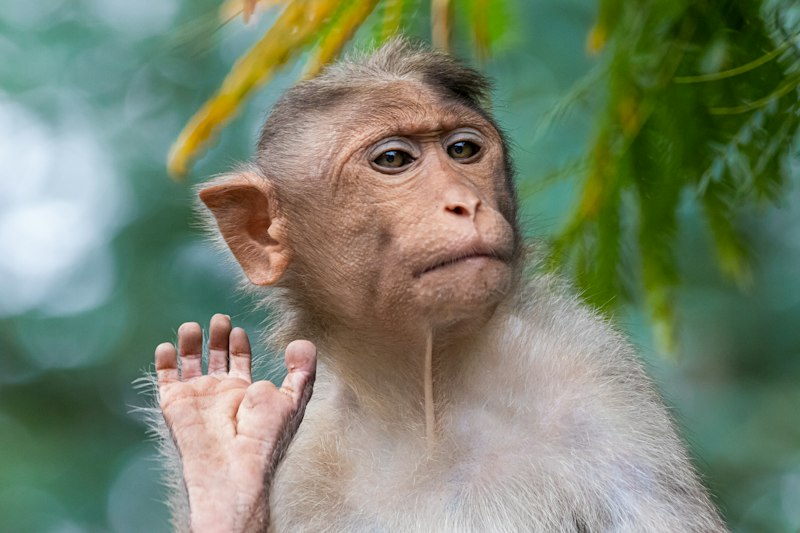
The rhesus monkey, scientifically classified as Macaca mulatta, represents one of the most prominent and widely recognized species within the Cercopithecidae family. As an Old World monkey, its evolutionary lineage and biological proximity to humans have made it a cornerstone of comparative biology and psychological inquiry. Historically, the species has been native to a vast geographical range across South and Southeast Asia, spanning countries such as India, Pakistan, China, and Thailand. This extensive distribution is a testament to the animal’s remarkable adaptability, allowing it to thrive in diverse environmental conditions that vary from arid plains to lush tropical regions. In the context of psychology and medicine, the rhesus monkey serves as a vital model organism, bridging the gap between simpler mammalian structures and the complexities of human physiology and cognition.
The academic and scientific interest in Macaca mulatta is not merely a modern phenomenon but is rooted in decades of intensive observation and experimentation. As a primary subject in a variety of research fields, including biomedical science and behavioral psychology, the rhesus monkey has provided invaluable data that has shaped our understanding of life sciences. This review aims to synthesize the existing knowledge regarding the biology, ecology, and social dynamics of this primate, while also addressing its critical role in laboratory settings. By examining the physical characteristics and life history of the species, we gain a clearer perspective on why these primates are uniquely suited for complex scientific studies that require a high degree of biological similarity to the human condition.
Furthermore, the study of rhesus monkeys extends beyond their utility as laboratory subjects; they are fascinating entities in their own right, possessing intricate social behaviors and ecological strategies that ensure their survival in the wild. The introduction of this species into various research protocols is always accompanied by a rigorous discussion of ethical considerations. As our understanding of primate sentience and social needs evolves, so too does the framework governing their use in scientific inquiry. This comprehensive review provides a detailed overview of the species, exploring how its natural biology informs its role in the laboratory and the broader implications of its use in advancing human health and psychological theory.
Physical Characteristics and Morphological Adaptations
The physical characteristics of the rhesus monkey are indicative of its status as a medium-sized primate adapted for both terrestrial and arboreal movement. On average, these monkeys possess a head-and-body length of approximately 50 centimeters, though there is significant variation within populations. Their weight typically ranges between 5 and 10 kilograms, with a pronounced sexual dimorphism where males are generally larger and more robust than their female counterparts. This size difference is often a factor in the species’ dominance hierarchy, influencing social interactions and access to resources. The physical build of Macaca mulatta is sturdy, allowing them to navigate varied terrains with considerable agility and strength.
In terms of coloration and aesthetics, the rhesus monkey is easily identifiable by its pale or pink face, which is largely devoid of fur, and its distinctive yellowish-brown pelage. The fur on the dorsal side is typically darker and more coarse, providing protection from the elements, while the underside features lighter, softer hair. One of the most notable features of their anatomy is the long and prehensile tail, which serves as a functional tool for grasping branches and maintaining balance while moving through the canopy. This anatomical feature is particularly useful in the more forested parts of their range, where arboreal navigation is essential for foraging and avoiding predators. Their hands and feet are highly dexterous, equipped with opposable thumbs that facilitate the manipulation of objects and food items.
The physiological makeup of the rhesus monkey also includes cheek pouches, a trait common among many Old World monkeys, which allows them to store food temporarily while foraging. This is an essential ecological adaptation, enabling the animals to gather resources quickly and retreat to safer locations for consumption. Their sensory organs are well-developed, with forward-facing eyes that provide binocular vision and excellent depth perception, a critical requirement for both social communication and navigating complex environments. Collectively, these physical attributes make the rhesus monkey a highly resilient and versatile species, capable of surviving in a wide array of environmental niches throughout Asia.
Life History, Reproduction, and Developmental Milestones
The life history of the rhesus monkey is characterized by a relatively long period of development and a significant investment in offspring. In captivity, these primates can reach a lifespan of 15 to 20 years, although their longevity in the wild may be influenced by predation, disease, and environmental stressors. The developmental trajectory begins with a period of intense maternal dependency, as the young are born in an altricial state and require constant care for survival. Sexual maturity is typically achieved between 3 and 4 years of age, at which point individuals begin to participate in the reproductive cycles of their social groups. This timing allows for the acquisition of necessary social skills before the onset of the complexities of mating and infant rearing.
Reproductive patterns in Macaca mulatta are generally characterized by annual cycles, with females giving birth to one or occasionally two offspring after a gestation period. The timing of births often coincides with periods of environmental abundance, ensuring that the nursing mother has access to sufficient nutrition. The reproduction process is deeply integrated into the social fabric of the group, with mating behaviors influenced by the established dominance hierarchy. High-ranking males often have greater priority access to mates, though female choice and alternative mating strategies also play a role in the genetic diversity of the troop. This annual reproductive cycle ensures a steady influx of new members, which is vital for the stability and growth of the social unit.
The weaning process and the journey toward independence are critical phases in a young rhesus monkey’s life. Offspring are typically weaned at around 6 months of age, transitioning from a milk-based diet to the solid foods consumed by adults. However, weaning is not merely a nutritional transition; it also involves a shift in social dynamics as the young monkey begins to spend more time interacting with peers and other group members. By the age of one year, most rhesus monkeys have reached a significant level of independence, although they may maintain strong social bonds with their mothers and kin for several years. This extended period of social learning is essential for mastering the intricate communication signals and social norms required to navigate the hierarchical structure of the troop.
Ecological Versatility and Foraging Strategies
One of the most remarkable aspects of the rhesus monkey is its adaptability to a wide variety of habitats. These primates are not restricted to a single environmental type; instead, they are found in everything from tropical rainforests and temperate forests to dry scrubland and even urban areas where they live in close proximity to human populations. This ecological flexibility is a primary reason for their success as a species and their broad distribution across the Asian continent. Whether residing in the high altitudes of the Himalayas or the humid lowlands of Southeast Asia, Macaca mulatta demonstrates a unique ability to adjust its behavior and diet to suit the available resources of its immediate environment.
The foraging behavior of rhesus monkeys is primarily diurnal, meaning they are active during the day and rest at night. Their diet is highly diverse, reflecting their status as opportunistic omnivores. While they primarily consume a variety of fruits, leaves, and insects, they are also known to supplement their diet with small animals, roots, and bark when preferred resources are scarce. This varied diet ensures that they can maintain their energy levels across different seasons and in habitats with fluctuating food availability. In areas where they coexist with humans, they often exhibit “crop-raiding” behaviors or scavenge for food in residential areas, further demonstrating their resourcefulness and ability to exploit new niches.
Socially, the ecology of the rhesus monkey is defined by their residence in groups of up to 30 individuals. These groups move through their home range in a coordinated manner to maximize foraging efficiency and minimize the risk of predation. The spatial distribution of the group during foraging is often influenced by the social structure, with individuals maintaining specific distances from one another based on their rank and kinship. The ability to inhabit such diverse ecology requires a high degree of behavioral plasticity, which is a hallmark of the macaque genus. By living in organized groups, these monkeys can share information about food sources and provide collective defense against potential threats, enhancing the survival prospects of all group members.
Complex Social Behavior and Dominance Hierarchies
The social behavior of rhesus monkeys is exceptionally complex and is a major area of study for primatologists and behavioral psychologists. They live in highly organized social groups that are characterized by matrilineal lines, meaning that females remain in their natal groups for life while males typically emigrate upon reaching maturity. This structure creates a stable core of related females who form the backbone of the troop’s social life. Within these groups, every individual occupies a specific position in a dominance hierarchy. This hierarchy is not static but is maintained and reinforced through a series of agonistic and affiliative interactions, such as grooming, vocalizations, and physical displays.
In rhesus society, high-ranking individuals enjoy significant advantages, including priority access to food and preferred mates. The rank of a female is often inherited from her mother, creating “rank families” that can persist for generations. For males, rank is more fluid and is often determined by a combination of physical prowess, age, and the ability to form strategic alliances with other members of the group. Despite the competitive nature of the hierarchy, there is also a high degree of cooperation within the troop. This is most evident in the shared care of the young and the collective defense of the group’s territory. Cooperative behaviors help to mitigate the stresses of competition and promote the overall cohesion of the social unit.
The primary mechanism for maintaining social bonds and resolving conflicts among rhesus monkeys is grooming. This behavior serves both a hygienic purpose—removing parasites and debris from the fur—and a vital social function. Grooming helps to reduce tension, establish trust, and reinforce the social structure. Through these interactions, individuals can navigate the complexities of their social world, forming alliances that may be crucial during periods of social upheaval or environmental stress. The intricate balance between competition and cooperation within Macaca mulatta groups provides a fascinating window into the evolutionary roots of primate sociality and the development of complex social systems.
The Role of Rhesus Monkeys in Biomedical Research
The use in research of rhesus monkeys has been instrumental in numerous medical breakthroughs over the last century. Because they share approximately 93% of their DNA with humans, they serve as an effective model for studying the pathophysiology of various human ailments. One of the most significant contributions of this species has been in the study of infectious diseases, most notably HIV/AIDS. Rhesus monkeys are susceptible to Simian Immunodeficiency Virus (SIV), which is closely related to HIV, allowing researchers to study the progression of the virus and test potential vaccines and antiretroviral therapies in a controlled environment. This research has been foundational in the global effort to manage and eventually cure the disease.
Beyond infectious diseases, rhesus monkeys are critical in the study of neurodegenerative conditions. Research involving these primates has provided deep insights into Alzheimer’s disease and Parkinson’s disease, conditions that involve complex brain structures and functions that cannot be adequately modeled in non-primate species. By observing the cognitive decline and motor impairments in monkeys that mirror human symptoms, scientists can evaluate the efficacy of new drugs and surgical interventions. The use of Macaca mulatta in these fields is often necessitated by the need for a nervous system that is structurally and functionally similar to that of a human, particularly when studying memory loss and motor control.
In addition to these specific diseases, rhesus monkeys contribute to general biomedical research in areas such as immunology, endocrinology, and pharmacology. They are used to test the safety and efficacy of new medications before they move to human clinical trials, ensuring that potential treatments are both effective and non-toxic. The development of many common vaccines, including those for polio and hepatitis, relied heavily on data obtained from rhesus monkey studies. While the use of these animals is a subject of ongoing debate, their contribution to the advancement of human medicine and the preservation of public health remains a significant aspect of modern scientific history.
Behavioral Science and Psychological Insights
In the realm of psychology, the rhesus monkey has been a fundamental subject for exploring the complexities of learning and social behavior. Behavioral researchers use these primates to understand the fundamental principles of cognition, memory, and problem-solving. Because rhesus monkeys exhibit high levels of intelligence and the ability to learn complex tasks, they are ideal for experiments that involve associative learning, spatial memory, and even the understanding of basic mathematical concepts. These studies help to delineate the cognitive boundaries between different primate species and offer clues into the evolutionary development of the human mind.
Perhaps the most famous—and controversial—use of rhesus monkeys in behavioral research was conducted by Harry Harlow, whose work on social development and maternal attachment fundamentally changed the way we understand human childhood. By observing the reactions of infant monkeys to different types of surrogate mothers, Harlow demonstrated the vital importance of contact comfort and social bonding in emotional development. This research highlighted that the need for affection and security is as fundamental as the need for food and water. Modern studies continue to build on these themes, investigating how early-life social behavior and environmental factors influence adult temperament and psychological resilience.
Current behavioral research also focuses on social cognition, investigating how rhesus monkeys perceive and react to the emotions and intentions of their peers. This includes studies on empathy, fairness, and communication. By analyzing the vocalizations and facial expressions of the monkeys, researchers can decode the social signals that maintain group harmony and facilitate collective action. These insights are not only valuable for primatology but also provide a comparative framework for understanding human social disorders, such as autism and social anxiety. The rhesus monkey remains a vital partner in the quest to map the intricacies of the social and psychological landscape of the primate order.
Ethical Considerations and Regulatory Oversight
The use of non-human primates in research is a topic that necessitates careful ethical considerations and rigorous oversight. Because of their high level of intelligence and complex social lives, the scientific community recognizes a profound moral obligation to ensure that these animals are treated with the utmost respect and care. The ethical use of rhesus monkeys is governed by a series of international and national regulations and guidelines designed to minimize pain and distress. In the United States, the Animal Welfare Act (AWA) sets the standards for the housing, feeding, and medical care of research animals, while the U.K. Animals (Scientific Procedures) Act provides a similar framework for researchers in the United Kingdom.
Adherence to these legal standards is monitored by Institutional Animal Care and Use Committees (IACUCs) or similar regulatory bodies, which must approve every research protocol before it can begin. These committees evaluate the potential risks and benefits of the research, ensuring that the use of monkeys is absolutely necessary for the scientific goals and that no alternative methods, such as computer modeling or cell cultures, are available. The principle of the 3Rs—Replacement, Reduction, and Refinement—is central to these ethical frameworks. Researchers are encouraged to:
- Replace the use of animals with non-animal alternatives whenever possible.
- Reduce the number of animals used to the minimum required for statistically significant results.
- Refine procedures to minimize any potential suffering and enhance the animals’ well-being.
Furthermore, the humane care and treatment of rhesus monkeys in a laboratory setting includes providing appropriate housing that allows for social interaction and natural behaviors. Environmental enrichment, such as toys, puzzles, and varied diets, is provided to stimulate the monkeys’ minds and prevent boredom or psychological distress. Veterinary care is provided around the clock to ensure the physical health of the animals. While the debate over the morality of animal testing continues, the current regulatory environment aims to balance the scientific necessity of primate research with the moral imperative to protect the welfare of the individual animals involved.
Conclusion: The Enduring Significance of Macaca mulatta
In summary, the rhesus monkey stands as a pivotal figure in both the natural world and the scientific laboratory. Its biology and behavior offer a rich tapestry for study, revealing the complexities of primate evolution and the intricate social structures that define the lives of Macaca mulatta. From their physical characteristics and adaptable ecology to their sophisticated social behavior, these primates demonstrate a resilience and intelligence that have allowed them to flourish across much of Asia. Their role as a bridge between human and non-human primate research has led to some of the most important medical and psychological discoveries of the modern era, impacting the lives of millions of people worldwide.
The conclusion of this review emphasizes the necessity of maintaining a balanced approach to the study and use of rhesus monkeys. While their contributions to biomedical and behavioral research are undeniable, they are accompanied by a heavy responsibility to uphold the highest ethical considerations. As technology advances, the scientific community must continue to seek ways to refine research methods and enhance the welfare of these sentient beings. The ongoing study of rhesus monkeys not only advances our medical knowledge but also deepens our appreciation for the shared biological heritage of all primates, reminding us of the profound connections that link the human species to the rest of the animal kingdom.
Ultimately, the rhesus monkey remains an indispensable subject in the pursuit of scientific knowledge. Whether through the lens of psychology, where they reveal the foundations of social bonding and cognition, or through biomedicine, where they act as sentinels in the fight against devastating diseases, their impact is profound. By continuing to study Macaca mulatta with a focus on both scientific rigor and compassionate care, we can ensure that their legacy in the annals of science is one of progress, understanding, and ethical integrity.
Scientific and Regulatory References
The information presented in this encyclopedia entry is supported by established scientific literature and regulatory documents. Key sources include:
- Adams, C. J., & Lee, P. C. (2006). Primate behavior: An introduction to the study of man and monkey. London: Academic Press. This text provides foundational knowledge on primate interactions and social structures.
- Beisner, B. A., & McCowan, B. (2012). “Social behavior of rhesus macaques: A review.” International Journal of Primatology, 33(1), 8–28. This paper offers a detailed analysis of the dominance hierarchies and matrilineal systems within the species.
- U.S. Department of Agriculture (USDA). (2020). Animal Welfare Act. This legislative document outlines the mandatory standards for the care and treatment of primates in research facilities within the United States.
- U.K. Home Office. (2014). Animals (Scientific Procedures) Act 1986. This guidance provides the regulatory framework for the ethical oversight of animal research in the United Kingdom.