Schizencephaly: Unraveling the Complexity of Brain Growth
Scientifically Reviewed · Dr. Marwa Abd-Alazim · September 11, 2026
Review Criteria & Clinical Standards
This content undergoes rigorous scientific peer-review and medical editorial standards at Arab Psychology Network to ensure clinical accuracy, validity, and compliance with evidence-based guidelines from leading psychological and healthcare authorities (APA / WHO).
SCHIZENCEPHALIC
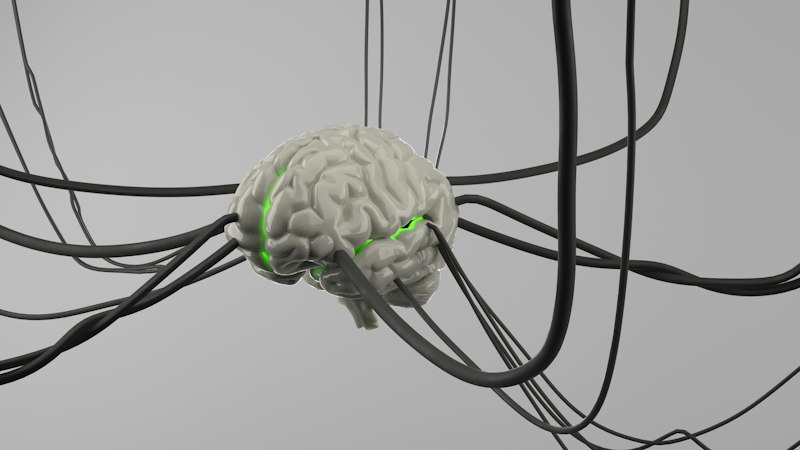
The term schizencephalic pertains to a profound congenital abnormality of brain development characterized by the presence of abnormal clefts or divisions within the cerebral hemispheres. This condition is fundamentally rooted in a failure of normal neuronal migration and cortical organization during early gestation. Specifically, schizencephaly results from the abnormal cleavage or formation of brain tissues, typically involving the entire depth of the cerebral hemisphere, extending from the pial surface to the ependymal lining of the ventricle. The presence of these clefts disrupts the normal architecture of the brain, leading to significant neurological deficits that vary widely in severity depending upon the size, location, and symmetry of the lesions. Understanding the underlying mechanisms of this maldevelopment is crucial for accurate diagnosis and prognostic assessment in affected individuals.
Schizencephaly is classified as a disorder of cortical development, falling under the larger umbrella of cerebral migration defects. The pathology is distinguished by the unique clefts that are lined by gray matter, often exhibiting features of polymicrogyria, meaning the cortex surrounding the cleft is abnormally thick and convoluted. This abnormal gray matter lining is definitive for schizencephaly and differentiates it from other types of cerebral injury or porencephaly, where the clefts are typically lined by white matter or gliotic scar tissue. The resulting structural anomaly significantly impairs the brain’s capacity for complex processing, motor control, and cognitive functions, necessitating intensive, multidisciplinary intervention from infancy onward.
The initial disruption that culminates in schizencephaly is thought to occur relatively early in fetal development, typically between the third and fifth months of gestation, coinciding with the peak period of neuronal migration. The precise timing of the insult influences the morphological characteristics of the resulting clefts. When the developmental process is interrupted, the radial glial scaffolding, which guides migrating neurons to their final destinations in the cortex, fails at localized points. This failure results in the formation of focal defects in the cerebral mantle, leading to the characteristic fissuring patterns observed postnatally. Therefore, schizencephalic divisions in the brain are not merely random absences of tissue but organized malformations lined by structurally aberrant cortex.
Etiology and Pathogenesis
The etiology of schizencephaly is complex and often multifactorial, involving a delicate interplay between genetic predispositions and environmental insults during critical developmental windows. A significant proportion of cases, particularly those involving bilateral or severe clefts, are strongly linked to genetic abnormalities. Specifically, mutations in genes regulating neuronal migration and cortical development, such as EMX2 (Empty Spiracles Homeobox 2), have been implicated. The EMX2 gene plays a vital role in controlling cell proliferation and patterning within the developing cerebral cortex, and its dysfunction can directly contribute to the failure of normal tissue cleavage, leading to the schizencephalic phenotype. The identification of specific gene mutations has reinforced the understanding that schizencephaly is often an intrinsic developmental failure rather than solely an acquired injury.
In addition to specific gene mutations, the pathogenesis involves vascular disruption during critical periods of neurogenesis. While genetic factors provide the underlying susceptibility, certain environmental factors, particularly those affecting blood supply to the developing fetal brain, can precipitate the condition. Maternal infections, exposure to teratogens, or trauma leading to localized vascular occlusion or hemorrhage in utero have been hypothesized as potential causative agents, particularly in cases where the clefts are unilateral or less severe. The developing brain is highly vulnerable to ischemic events, and even transient reductions in cerebral blood flow can lead to focal tissue necrosis or disruption of the intricate migration pathways necessary for forming a smooth, six-layered cortex.
It is important to differentiate the mechanisms that cause schizencephaly from those causing porencephaly, though both involve cerebral cavitation. The key pathogenic distinction lies in the formation of the abnormal gray matter lining in schizencephaly. This suggests that the insult occurs early enough to disrupt the fundamental organization of the cortical plate, causing the developing neurons to line the defect rather than migrate past it. Current research suggests that the primary mechanism involves the failure of the central portion of the cerebral mantle to close, often linked to the disruption of the primitive pial-glial membrane, which normally acts as a boundary during cortical development. The resulting structural defect is a persistent, full-thickness cleft, intrinsically lined by dysplastic tissue.
Further complexities in pathogenesis arise from the association of schizencephaly with specific syndromes. Cytomegalovirus (CMV) infection during the first trimester, for instance, has been documented to increase the risk of schizencephaly, demonstrating a clear environmental trigger that interacts with the developing neurological system. Furthermore, twin studies and familial clustering suggest that while single-gene defects are significant, the condition often exhibits a complex inheritance pattern, where multiple genes and subtle environmental factors contribute synergistically to the ultimate phenotypic expression. This necessitates comprehensive etiological investigation in all diagnosed cases to provide accurate genetic counseling to the families involved.
Classification and Types
Schizencephaly is clinically and radiologically classified into two primary types based on the morphology and appearance of the clefts on neuroimaging: Type I, or Closed-Lip Schizencephaly, and Type II, or Open-Lip Schizencephaly. This distinction is critical because it often correlates directly with the severity of the neurological impairment and the prognosis of the affected individual. Closed-lip schizencephaly is characterized by clefts where the walls are in close apposition, essentially touching or separated only by a thin layer of cerebrospinal fluid (CSF). While the gray matter lining is present, the functional impact may be somewhat less severe than the open-lip type, particularly if the defect is small and unilateral, allowing for greater compensatory development in the remaining brain tissue.
Type II, Open-Lip Schizencephaly, represents the more severe manifestation of the disorder. In this classification, the cleft walls are widely separated, creating a large, funnel-shaped defect that often dramatically alters the contour of the cerebral hemisphere. This large communication between the ventricle and the subarachnoid space results in a significant loss of functional cortical tissue. Individuals with open-lip schizencephaly typically present with more profound neurological deficits, including severe intellectual disability, extensive motor impairment, and intractable seizure disorders. The extent of tissue loss in Type II cases severely limits the capacity for neuronal plasticity and functional reorganization, leading to a much poorer long-term outcome.
The classification must also consider whether the condition is unilateral (affecting one hemisphere) or bilateral (affecting both hemispheres). Bilateral schizencephaly, regardless of whether the clefts are open-lip or closed-lip, is universally associated with the most severe clinical outcomes. When both hemispheres are affected, the patient often suffers from quadriparesis, severe developmental delay, and profound microcephaly. Unilateral cases, especially those involving small, closed-lip clefts, offer a more variable prognosis, with some individuals demonstrating near-normal intelligence and only mild motor deficits, particularly hemiparesis contralateral to the lesion. Thus, a comprehensive radiological description, detailing both the type (open vs. closed) and the extent (unilateral vs. bilateral) of the clefts, is essential for guiding clinical management and family expectations.
Clinical Presentation and Symptoms
The clinical manifestations of schizencephaly are highly dependent upon the extent and symmetry of the cortical involvement. Symptoms typically present early in infancy or childhood and often include a spectrum of neurological deficits, motor impairments, and cognitive delays. The most common presenting symptom is seizure activity, which can range from mild, well-controlled epilepsy to refractory, intractable seizures that significantly complicate management and development. The dysplastic gray matter that lines the schizencephalic clefts is inherently epileptogenic, acting as a focus for abnormal electrical activity, which is a key reason why seizure control is a primary challenge in treating this population.
Motor dysfunction is another hallmark of the condition. Patients frequently exhibit varying degrees of spasticity and paresis, often manifesting as hemiparesis (weakness on one side of the body) in unilateral cases, or quadriparesis (weakness affecting all four limbs) in bilateral cases. The location of the clefts, particularly if they involve the motor cortex, dictates the severity and pattern of the motor deficits. These motor impairments affect gross motor milestones, such as walking and sitting, and often necessitate lifelong physical and occupational therapy. The severity of the motor deficits often correlates strongly with the size of the cortical defect identified on neuroimaging, with larger defects resulting in more profound movement limitations.
Cognitive and developmental delays are almost universally observed, especially in bilateral and open-lip forms of schizencephaly. The degree of intellectual disability varies widely, ranging from mild learning difficulties to severe cognitive impairment requiring continuous supervision and support. Speech and language development are frequently impacted, often lagging significantly behind age-appropriate norms. Furthermore, associated features such as microcephaly (abnormally small head size) and visual disturbances, particularly those related to septo-optic dysplasia which is often comorbid, further compound the clinical picture. A thorough neurological assessment, including evaluation of cranial nerves and reflex integrity, is necessary to capture the full scope of the patient’s functional limitations.
Diagnosis and Imaging Techniques
The definitive diagnosis of schizencephaly relies heavily on advanced neuroimaging techniques, primarily Magnetic Resonance Imaging (MRI). MRI is superior to Computed Tomography (CT) because it provides detailed soft tissue contrast, allowing for clear visualization of the gray matter lining the clefts—the pathognomonic sign of the disorder. An MRI scan clearly demonstrates the full-thickness cerebral cleft extending from the pial surface to the lateral ventricle, confirming the diagnosis and allowing for accurate classification into open-lip or closed-lip subtypes. Detailed imaging is also crucial for identifying associated brain anomalies, such as polymicrogyria adjacent to the clefts, and the presence of septo-optic dysplasia, which involves the absence of the septum pellucidum and optic nerve hypoplasia.
Prenatal diagnosis, while challenging, is increasingly feasible through high-resolution fetal MRI, typically performed in the late second or third trimester when cortical development is sufficiently advanced. Detection prenatally allows for crucial counseling of the parents regarding the potential severity of the condition and the need for specialized care immediately following birth. However, subtle or closed-lip schizencephaly may be missed on prenatal imaging, leading to post-natal diagnosis often triggered by early clinical symptoms such as severe feeding difficulties, hypotonia, or the onset of infantile spasms. The ability to distinguish schizencephaly from other cystic brain lesions, such as porencephaly or arachnoid cysts, is paramount for prognostic accuracy.
In addition to structural imaging, electroencephalography (EEG) plays a vital supportive role in diagnosis and management, particularly for characterizing the associated seizure disorder. EEG findings often reveal abnormal electrical activity originating near the dysplastic cortex. Furthermore, comprehensive genetic testing, including chromosomal microarray and targeted gene sequencing for known implicated genes like EMX2, is an integral part of the diagnostic protocol. Genetic confirmation assists in determining the likely etiology, refining the prognosis, and assessing recurrence risk for future pregnancies, providing crucial information for families navigating this complex neurological disorder.
Associated Conditions and Comorbidities
Individuals diagnosed with schizencephaly frequently present with a constellation of other neurological and developmental disorders, indicating that the underlying developmental insult often affects multiple systems simultaneously. One of the most common and clinically significant comorbidities is septo-optic dysplasia (SOD), also known as De Morsier syndrome. SOD is characterized by the absence of the septum pellucidum (the membrane separating the frontal horns of the lateral ventricles) and hypoplasia of the optic nerves, leading to varying degrees of visual impairment. The co-occurrence of schizencephaly and SOD suggests a shared developmental pathway disruption, particularly concerning the midline structures of the forebrain during early embryogenesis.
Another frequent association is hydrocephalus, the accumulation of excessive cerebrospinal fluid (CSF) within the brain ventricles. Hydrocephalus can result from impaired CSF absorption or, less commonly, obstruction of CSF flow. In schizencephaly, the structural abnormalities, particularly the large open-lip clefts, can disrupt the normal circulation dynamics, necessitating neurosurgical intervention, typically the placement of a ventriculoperitoneal shunt, to manage intracranial pressure and prevent further brain damage. Furthermore, the dysplastic gray matter lining the clefts often displays features of polymicrogyria, a condition characterized by abnormally small, numerous, and disorganized gyri, which itself is highly correlated with epilepsy and intellectual disability.
Beyond intrinsic brain malformations, patients often suffer from secondary orthopedic issues resulting from chronic neurological impairment. Severe spasticity and motor deficits frequently lead to contractures, scoliosis, and hip dislocation, requiring ongoing orthopedic monitoring and physical therapy interventions. Endocrine dysfunction is also a key concern, particularly when septo-optic dysplasia is present, as hypoplasia of the pituitary gland can lead to hormone deficiencies, including growth hormone deficiency or diabetes insipidus. A holistic management approach must therefore integrate specialized pediatric neurology, neurosurgery, orthopedics, endocrinology, and ophthalmology to address the multifaceted challenges presented by this complex neurodevelopmental disorder.
Treatment and Management Strategies
There is no surgical cure for the structural cerebral clefts characteristic of schizencephaly; therefore, treatment is entirely symptomatic and focused on maximizing functional independence, controlling symptoms, and managing comorbidities. The management plan requires a highly coordinated, multidisciplinary team approach involving neurologists, neurosurgeons, physical therapists, occupational therapists, speech therapists, and special education professionals. A cornerstone of management is the control of epilepsy, which often requires aggressive pharmacological intervention using anticonvulsant medications. Due to the inherent epileptogenicity of the dysplastic cortex, achieving full seizure control can be challenging, often necessitating trials of multiple medications or consideration of non-pharmacological therapies such as the ketogenic diet or vagus nerve stimulation (VNS).
Physical and occupational therapies are crucial components aimed at mitigating the effects of motor impairment and spasticity. Early and consistent intervention is necessary to improve muscle tone, prevent contractures, enhance mobility, and develop adaptive skills for daily living. Specialized equipment, such as wheelchairs, bracing, and adaptive communication devices, is often required to support independence. Speech and language therapy address communication deficits, which can range from articulation difficulties to the need for augmentative and alternative communication (AAC) systems, especially in individuals with severe cognitive impairment. The goal is to establish effective communication pathways regardless of the severity of the intellectual disability.
Neurosurgical intervention is primarily reserved for managing associated complications, most notably hydrocephalus. Shunt placement is necessary when elevated intracranial pressure threatens brain function. Furthermore, orthopedic procedures may be required later in childhood to correct severe scoliosis or hip dislocations resulting from chronic spasticity. Given the frequent presence of endocrine and visual issues associated with SOD, regular monitoring by an endocrinologist and ophthalmologist is mandatory to address hormonal deficiencies and manage visual impairment, often involving corrective lenses or low-vision aids. Effective management requires constant reassessment as the child grows and develops to adapt therapeutic strategies to changing needs.
Prognosis and Long-Term Outlook
The prognosis for individuals with schizencephaly is highly variable and directly correlates with the severity of the anatomical defect, specifically the type (open vs. closed) and extent (unilateral vs. bilateral) of the clefts. Generally, patients with bilateral, open-lip schizencephaly face the poorest prognosis, characterized by profound intellectual disability, severe quadriparesis, and often intractable epilepsy, requiring extensive lifelong support and care. Conversely, individuals with small, unilateral, closed-lip clefts may achieve a much higher level of functional independence, sometimes exhibiting near-normal cognitive abilities and mild to moderate contralateral motor deficits that can be effectively managed through therapy.
Functional outcomes are intrinsically linked to seizure control and the preservation of unaffected brain tissue. Early and aggressive management of epilepsy can significantly improve developmental trajectory, as frequent or prolonged seizures can exacerbate cognitive decline. While the underlying cortical defect cannot be reversed, neuronal plasticity allows the unaffected parts of the brain to partially compensate for the lost function, emphasizing the critical role of early intervention therapies. Long-term outlook also depends heavily on the presence of comorbidities; for example, the co-occurrence of severe septo-optic dysplasia adds significant challenges related to vision and endocrine function.
Long-term care involves transitioning from pediatric to adult specialized medical services, focusing on maintaining quality of life, managing chronic complications such as orthopedic issues and chronic pain, and ensuring access to appropriate residential and vocational support. While life expectancy can be normal for individuals with less severe forms, those with profound neurological impairment may face reduced longevity due to complications related to immobility, feeding difficulties, and respiratory issues exacerbated by severe spasticity. Ongoing research into genetic etiologies offers future hope for targeted therapies, but current management remains focused on supportive care and maximizing the potential within the existing neurological framework.
Historical Context and Nomenclature
The recognition of schizencephaly as a distinct pathological entity dates back to the late 19th century. The condition was first formally described by scientists, notably by Yakovlev and Wadsworth in 1946, who established the foundational criteria distinguishing schizencephaly from other forms of cerebral cavitation. They utilized post-mortem examination techniques to characterize the full-thickness nature of the clefts and, most importantly, noted the presence of the abnormal gray matter lining, which became the definitive anatomical marker separating it from porencephaly, which historically had often been conflated with schizencephaly.
The term schizencephaly itself is derived from Greek roots, meaning “split brain,” accurately reflecting the macroscopic appearance of the hemispheres divided by the clefts. Prior to the advent of modern neuroimaging, particularly high-resolution MRI in the 1980s and 1990s, the diagnosis was often made only at autopsy or inferred clinically based on severe neurological presentation. The development of advanced imaging allowed clinicians to visualize the unique anatomy of the clefts in vivo, leading to the refinement of the classification system into the now standard open-lip and closed-lip types, greatly improving diagnostic specificity.
Modern nomenclature emphasizes the developmental basis of the disorder, classifying schizencephaly as a fundamental failure of neuronal migration and cortical organization rather than simply a destructive lesion. This shift in understanding, driven by molecular genetics research identifying genes like EMX2, highlights the intrinsic nature of the maldevelopment. This contemporary view influences clinical practice by prioritizing genetic counseling and early developmental intervention based on the understanding that the disorder is a primary structural failure originating in early fetal life, often due to a genetic abnormality that affects the intricate process of cerebral tissue cleavage.