Educational Psychology: How Classrooms Shape Your Mind
Scientifically Reviewed · Dr. Marwa Abd-Alazim · September 16, 2026
Review Criteria & Clinical Standards
This content undergoes rigorous scientific peer-review and medical editorial standards at Arab Psychology Network to ensure clinical accuracy, validity, and compliance with evidence-based guidelines from leading psychological and healthcare authorities (APA / WHO).
Definition and Societal Importance
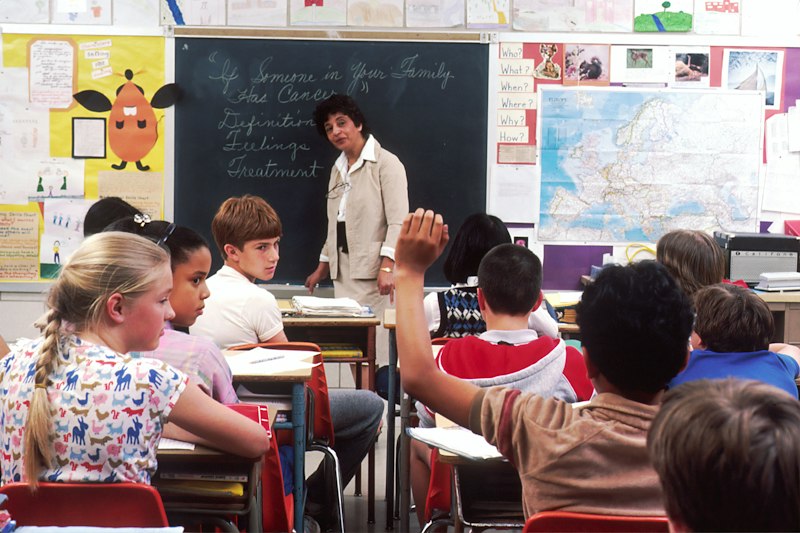
The school, fundamentally, serves as an institutionalized environment dedicated to the education of children, adolescents, and, increasingly, adults. It stands as one of the most critical foundational institutions within any modern society, transcending mere instruction to become a central mechanism for cultural transmission and human capital development. The establishment of formal schooling reflects a societal commitment to structured learning, ensuring that the accumulated knowledge, values, and technological advancements of previous generations are systematically transferred to successive cohorts. This institutional function is paramount not only for individual intellectual growth but also for maintaining the continuity and progress of the collective community. Schools provide a standardized platform where diverse populations converge, creating shared experiences and facilitating the acquisition of common foundational skills necessary for participation in civic and economic life.
Beyond the transmission of academic material, the school plays a crucial and complex role in the process of socialization. As emphasized by researchers like Kohlberg (1969), educational settings are vital arenas where cognitive and moral development stages are navigated and refined. The structured interaction within the classroom and the broader institutional environment exposes students to diverse perspectives, rules, and expectations that mirror the complexities of the larger society. This continuous interaction facilitates the internalization of social norms, the development of empathy, and the understanding of reciprocal obligations essential for cooperative living. Therefore, the institution of the school is not merely a knowledge repository; it is a primary agent responsible for shaping the social and moral fabric of future citizens, making its influence deeply pervasive across all societal sectors.
The societal importance of schools is also measured by their contribution to economic productivity and democratic stability. By cultivating a skilled workforce and promoting critical thinking, schools directly influence a nation’s capacity for innovation and competitiveness. Furthermore, the commitment to universal education reinforces principles of equity and access, theoretically offering all individuals, regardless of background, the opportunity for upward mobility. This dual function—providing both intellectual and social capital—underscores why educational policy and institutional performance remain central topics in political and public discourse. The success of a society is often inextricably linked to the efficacy and reach of its educational system, positioning the school as a strategic national asset requiring constant evaluation and investment.
Typologies of Educational Institutions
The educational landscape is characterized by institutional diversity, primarily categorized into three fundamental types based on governance, funding mechanisms, and curricular autonomy: public schools, private schools, and home schools. Each model offers a distinct approach to pedagogy and institutional structure, reflecting various philosophical viewpoints on how education should be delivered and regulated. Understanding these typologies is essential for grasping the complexities of educational choice and access within modern systems. The organizational model chosen often dictates the environment, resources available, and the core philosophical mission guiding the institution’s operations, thereby impacting the student experience significantly through variations in class size, specialization, and community focus.
Public schools represent the most widespread model, characterized by their funding through governmental taxation and their adherence to state-mandated curricula and standards. These institutions are designed to provide free, universal access to education, serving as the primary vehicle for achieving broad educational goals established by legislative bodies. Because public schools operate under government purview, they are typically subject to standardized testing, regulatory oversight, and accountability measures intended to ensure equitable outcomes across diverse student populations. While they often adhere strictly to prescribed academic frameworks, the sheer scale and diversity of public systems necessitate the development of specialized programs to address varied learning needs, including special education services, vocational training tracks, and advanced placement opportunities designed to challenge high-achieving students within the standardized framework.
In contrast, private schools are primarily funded by tuition fees, endowments, and private donations, affording them greater autonomy in curriculum design and administrative decision-making. This financial independence allows private institutions to pursue specialized missions, whether they are religious, pedagogical (e.g., Montessori or Waldorf), or focused intensely on specific academic disciplines suchs as science or the arts. The curriculum offered by private schools is often more diverse or highly tailored than that found in public systems, allowing for innovation and a highly focused approach to student development. However, access to private schooling is inherently limited by financial barriers, raising questions of equity and accessibility, despite their frequently smaller class sizes, enhanced resource ratios, and personalized instructional environments that often yield higher levels of direct student engagement.
Finally, home schools, as noted by Gunderson (1982), represent an alternative educational experience orchestrated and managed directly by parents or guardians within the home setting. This model grants the highest degree of curricular freedom and flexibility, allowing instruction to be tailored precisely to the individual child’s pace, interests, and learning style, often resulting in highly individualized educational journeys. While home schooling provides an intense level of parental involvement and customization, it requires significant organizational effort and resourcefulness from the caregivers to ensure comprehensive coverage of necessary subjects. Furthermore, home-schooled students often rely heavily on community groups, cooperatives, and structured extracurricular activities to meet the vital socialization needs and group interaction experiences that are inherently built into traditional public and private school settings.
The Core Educational Mandate: Knowledge and Skill Acquisition
The fundamental and non-negotiable objective of any school, regardless of its institutional type, is the delivery of a quality education. This mandate encompasses far more than simply the conveyance of facts; it involves a comprehensive commitment to developing the student’s intellectual capacity and academic foundation. Schools are tasked with guiding students through structured learning processes designed to expand their foundational knowledge base across core academic disciplines, including mathematics, sciences, humanities, and languages. This systematic approach ensures that students build upon prior learning, establishing the cognitive frameworks necessary for higher-order thinking, complex problem-solving, and continuous intellectual self-improvement throughout their lives.
In fulfilling this mandate, schools focus intensely on the development of critical abilities and skills. While subject matter mastery is crucial, the long-term success of students in professional and academic spheres is determined equally by their proficiency in transferable process skills such as critical analysis, effective communication (both written and verbal), sophisticated research methodologies, and technological literacy. Educational methodologies are increasingly shifting toward inquiry-based and project-based learning to foster these process skills, acknowledging that the capacity to learn independently, adapt to new information, and synthesize disparate data sources is paramount in a rapidly evolving global economy. The successful school equips students not just with what to think, but how to approach problems and think effectively and efficiently in various novel contexts.
Furthermore, schools bear the responsibility of ensuring that students acquire the necessary information and foundational competencies to succeed in their respective future fields and to advance within society (Hallinger & Murphy, 1985). This necessity translates into aligning curricular content with vocational and academic pathways, providing comprehensive guidance on higher education and career choices, and ensuring that educational outcomes meet the rigorous demands of higher education institutions and the professional world. The curriculum must be dynamic, reflecting current research and industry needs, thereby positioning students competitively upon graduation. The school environment acts as the initial testing ground where theoretical knowledge is applied, skills are honed through practice, and professional performance standards are initially established through grading and evaluation metrics.
The Role of Schools in Socialization and Citizenship
The school environment is arguably the single most important non-familial setting for comprehensive socialization. As students navigate the complex social ecology of the school—interacting with peers from diverse socio-economic, ethnic, and cultural backgrounds, engaging with various authority figures, and participating in structured group activities—they learn fundamental lessons about social interaction and cooperation. This process extends far beyond simple etiquette; it involves learning how to negotiate conflicts, establish boundaries, collaborate effectively on shared tasks, and understand the nuances of group dynamics, all of which are essential for functioning as contributing members of a complex society (Riley, 1984). The school serves as a microcosm of the larger political and social environment, providing safe, structured opportunities for practicing civic engagement and understanding societal diversity.
Through the institutional framework of the school, students are systematically exposed to and taught the core values and norms of society. This includes respect for established rules and institutional procedures, adherence to institutional authority, understanding the concept of distributive and procedural fairness, and developing responsibility towards both individual tasks and collective outcomes. The implementation of clear behavioral codes, consistent disciplinary systems, and proactive classroom management techniques all contribute to this socialization process, subtly reinforcing societal expectations regarding appropriate conduct, ethical decision-making, and self-control. By internalizing these norms, students are prepared to transition into responsible, law-abiding, and ethically aware citizens who understand their rights and obligations within a democratic system (Riley, 1984).
Moreover, the school fosters the development of civic consciousness and participatory citizenship. History and social studies curricula often provide the theoretical basis for understanding governmental structures, legal systems, and democratic principles, but the school environment itself offers practical, experiential opportunities. Student government bodies, school-wide elections, debate teams, and mandatory community service programs provide tangible opportunities for students to exercise leadership, voice concerns, and participate in decision-making processes that affect their immediate environment. These activities transform abstract lessons on citizenship into practical, applied skills, teaching students how to organize, advocate effectively for themselves and their communities, and compromise constructively, solidifying the school’s intrinsic role in cultivating a politically and socially engaged populace.
Developing Competencies for Life Success
A quality education is defined not only by academic achievement but also by the acquisition of robust competencies necessary for navigating the complexities of modern adult life. These competencies extend beyond traditional intellectual measures to include crucial non-cognitive skills such as emotional intelligence, resilience, adaptability, and complex interpersonal problem-solving abilities. Schools are increasingly recognizing the necessity of integrating social-emotional learning (SEL) into the curriculum, acknowledging that personal management skills—such as self-regulation, realistic goal setting, and effective stress management—are just as crucial for long-term professional and personal success as high grades in core subjects. The highly structured environment of the school provides consistent feedback and guidance, allowing students to develop and practice these crucial life skills under the supportive supervision of trained educators and counselors.
The development of professional and vocational competencies is also a major focus, driven by the need for economic relevance. Schools must actively prepare students for a future characterized by exponential technological change and highly dynamic job markets. This preparation requires teaching practical skills related to digital fluency, data literacy, collaborative teamwork across diverse platforms, and project management, often delivered through interdisciplinary projects and specialized vocational tracks. Whether preparing students for rigorous university study or immediate, skilled workforce entry, the school is responsible for ensuring that the competencies acquired are relevant, highly marketable, and adaptable to future technological shifts. This necessity drives the formation of partnerships with local businesses, structured mentorship programs, and comprehensive career counseling services that connect classroom learning directly to prevailing real-world applications and professional expectations.
Furthermore, the school environment cultivates the essential competency of resilience—the psychological ability to recover quickly from difficulties, setbacks, and failures. Academic challenges, social setbacks, and the rigorous demands of high-stakes testing provide inherent, real-time opportunities for students to build persistence, emotional self-awareness, and grit. Through supportive guidance, structured feedback, and a culture that values learning over perfection, educators teach students how to view failure not as a final endpoint, but as a critical and necessary learning opportunity. This psychological scaffolding is essential for fostering the mental toughness and optimistic outlook required to effectively manage the inevitable professional and personal obstacles encountered throughout a successful adult life.
Instructional Leadership and Environmental Safety
The efficacy and sustained improvement of a school are heavily dependent upon the quality of its instructional leadership. As argued by Hallinger and Murphy (1985), effective administrative leadership is essential for improving schools by influencing the instructional core. This leadership involves more than mere operational and administrative management; it requires principals and senior staff to actively shape the instructional climate, set high, achievable expectations for both staff and students, and ensure the continuous, targeted professional development of teachers. Instructional leaders are responsible for aligning curriculum delivery, assessment methods, and resource allocation with the school’s overarching educational goals, thereby creating a coherent and focused learning environment that maximizes student engagement and optimizes performance outcomes.
A critical and non-negotiable responsibility of the institution is the provision of a safe and secure learning environment for all students (Schlechty, 2001). This obligation encompasses physical safety, ensuring that facilities are well-maintained, equipment is safe, and emergency protocols for various scenarios are robust and frequently practiced, as well as psychological and emotional safety. A truly secure environment is one free from bullying, harassment, discrimination, and emotional intimidation, allowing students to focus fully on their academic tasks and intellectual exploration without fear of emotional or physical harm. Schools must implement clear anti-bullying policies, provide adequate supervision across all campus areas, and offer comprehensive counseling support to maintain an atmosphere where intellectual vulnerability in learning is encouraged and every student feels respected and valued regardless of their background.
Maintaining a secure and orderly environment is intrinsically linked to academic success and student well-being. When students feel physically and psychologically safe, and when the institutional norms are clearly communicated and consistently enforced, behavioral disruptions are minimized, allowing for greater sustained engagement in deep learning and complex tasks. This positive environment is cultivated through the consistent, fair enforcement of behavioral standards and the development of strong, positive relationships between staff and students built on mutual trust and respect. By fostering this culture of respect and accountability, schools can mitigate conflict proactively and promote a climate where learning and personal growth remain the indisputable primary focus, thereby fulfilling their commitment to both the intellectual development and the emotional well-being of the entire student population.
Extracurricular Engagement and Holistic Development
Schools often serve as vital community hubs for development that extends significantly beyond the confines of the academic classroom through the provision of extracurricular activities. These structured, non-mandatory programs—which include competitive athletics, fine and performing arts, specialized academic clubs (such as robotics or debate), and community service organizations—are crucial for holistic student development. They provide students with unique opportunities to apply classroom knowledge in practical, competitive settings, develop essential leadership skills, and build specialized talents outside the constraints of the standard curriculum (Schlechty, 2001). Participation in these activities fosters organizational skills, effective time management, and the ability to work collaboratively towards long-term goals within a diverse team structure.
The psychological benefits of extracurricular involvement are profound and multifaceted. These activities allow students to explore personal interests and identify potential passions or career pathways in relatively low-stakes environments, which can be highly motivational. Furthermore, participation demonstrably enhances self-esteem, provides a critical sense of belonging, and helps forge a strong personal identity within the school community, a benefit particularly significant for students who may not thrive exclusively in traditional, lecture-based academic subjects. The deep social bonds forged through shared commitment and effort towards a team or club goal often result in stronger peer networks and improved school attachment, which can positively influence overall academic motivation, attendance rates, and long-term educational persistence.
Extracurricular programs are also vital components of the socialization process, reinforcing lessons learned in the classroom regarding discipline, fair play, ethical behavior, and respect for process. For instance, participation in team sports teaches students about dedication, physical discipline, teamwork, and handling both victory and defeat gracefully, instilling important emotional regulatory skills. Involvement in debate or drama clubs significantly sharpens public speaking skills, communication abilities, and fosters critical thinking under pressure. By providing these diverse and structured outlets, schools acknowledge that the development of a successful individual requires nurturing the whole person—intellectual, physical, social, and creative—thereby ensuring a comprehensive and well-rounded transition into capable adulthood.
Conclusion: Schools as Pillars of Human Development
In summation, schools are indispensable institutions for the comprehensive development of individuals across all age groups—children, adolescents, and adults. They function as complex, multifaceted systems designed to provide far more than mere academic instruction. By integrating academic rigor with robust socialization processes, schools furnish students with the necessary knowledge, skills, and abilities required to navigate complex personal challenges, achieve professional success, and contribute meaningfully as informed citizens to their local and global communities. Their role as primary educators and socializing agents makes them foundational to the stability, progress, and ethical evolution of society itself.
The enduring value of schools lies in their dual commitment: to individual empowerment and societal advancement. They ensure that essential competencies—ranging from foundational literacy and critical thinking to highly developed emotional intelligence, ethical awareness, and civic participation—are systematically imparted to the next generation. By creating safe, intellectually challenging, and supportive learning environments, schools empower students to realize their full potential, thereby acting as the main engine for social mobility, intellectual progress, and democratic renewal within a nation.
Ultimately, the school is essential for fostering a successful and adaptable society. Through effective instructional leadership, dedication to environmental safety, and a commitment to holistic development encompassing academics, socialization, and extracurricular engagement, schools prepare students not only to adapt passively to the future but to actively shape it through innovation and responsible citizenship. The continued public investment in and critical, systematic examination of educational institutions remain paramount to ensuring the sustained strength and vitality of the human endeavor.
References
- Gunderson, D. (1982). Home schooling: An alternative in education. Educational Horizons, 60(2), 63-67.
- Hallinger, P., & Murphy, J. (1985). Improving schools through instructional leadership. Educational Leadership, 42(8), 4-12.
- Kohlberg, L. (1969). Stage and sequence: The cognitive-developmental approach to socialization. In D. A. Goslin (Ed.), Handbook of socialization theory and research. Chicago, IL: Rand McNally.
- Riley, M. (1984). Education and the socialization of children. In B. Hamilton (Ed.), Socialization, personality, and social development (pp. 206-250). New York, NY: Wiley.
- Schlechty, P. (2001). Schools as learning communities: Building a culture of continuous improvement. San Francisco, CA: Jossey-Bass.