Scotopic Vision: How Darkness Rewires Your Perception
Scientifically Reviewed · Dr. Marwa Abd-Alazim · September 22, 2026
Review Criteria & Clinical Standards
This content undergoes rigorous scientific peer-review and medical editorial standards at Arab Psychology Network to ensure clinical accuracy, validity, and compliance with evidence-based guidelines from leading psychological and healthcare authorities (APA / WHO).
Overview and Definition of Scotopic Stimulation
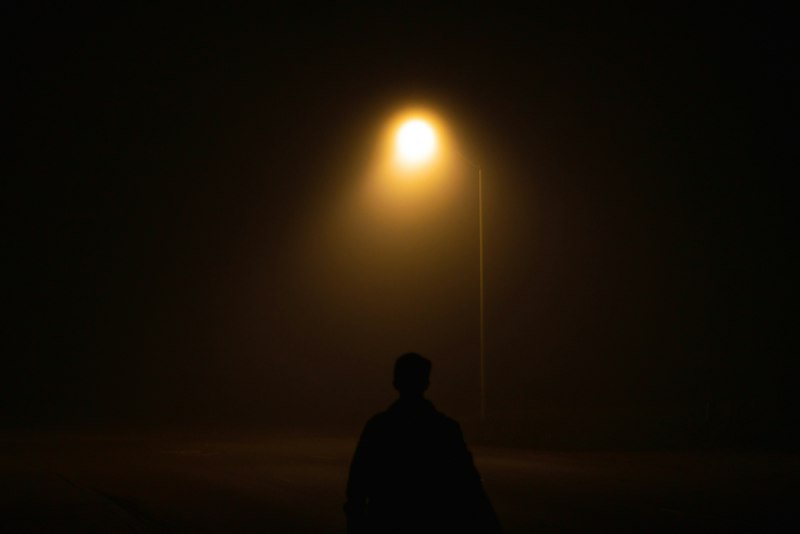
The biological phenomenon known as scotopic stimulation refers to the activation of the visual system under conditions of minimal luminance, typically occurring at light levels below 10^-3 candelas per square meter. In these environments, the human eye relies almost exclusively on rod photoreceptors, which are highly sensitive to light but do not mediate color vision. This form of stimulation is distinct from photopic vision, which occurs in bright light and is driven by cones, and mesopic vision, which represents a transitional state where both rods and cones are active. The study of scotopic stimulation is critical to understanding how the human brain processes information when environmental cues are limited and how the visual cortex adapts to low-signal inputs.
From an evolutionary perspective, the ability to process scotopic stimuli was essential for survival, allowing early humans and animal ancestors to navigate, forage, and detect predators during nocturnal hours. Modern research has expanded our understanding of this system beyond simple navigation, revealing that the intensity and quality of low-light stimulation can significantly influence neurobiological processes. By examining how the retina and the brain respond to these dim signals, researchers can gain insights into the fundamental limits of human perception and the intricate balancing act between sensitivity and resolution in the central nervous system.
Contemporary psychology and neuroscience have increasingly focused on scotopic stimulation not just as a baseline for visual threshold testing, but as a potential modulator of cognitive function. The unique neural pathways activated during rod-dominated vision appear to have far-reaching effects on higher-order brain regions, including those responsible for attention and memory encoding. This review seeks to synthesize current findings regarding the impact of scotopic conditions on both the physical mechanics of sight and the complex cognitive architectures that interpret visual data, providing a comprehensive look at how dim light shapes the human experience.
Physiological Mechanisms of Rod-Mediated Vision
The foundation of scotopic stimulation lies in the unique physiological properties of the rod cells located within the retina. Unlike cones, which are concentrated in the fovea, rods are distributed more densely in the peripheral regions of the retina, making them exceptionally proficient at detecting movement and low-intensity light across a wide field of view. The primary photopigment in rods is rhodopsin, a G-protein-coupled receptor that is extremely sensitive to individual photons. When rhodopsin absorbs light, it undergoes a conformational change that initiates a signal transduction cascade, ultimately leading to the hyperpolarization of the cell and the transmission of a neural signal to the brain.
One of the defining characteristics of the scotopic system is its high degree of neural convergence. Multiple rod cells typically feed into a single bipolar cell, which in turn connects to a single ganglion cell. This arrangement enhances the system’s spatial summation, allowing the eye to detect incredibly faint light sources that would otherwise fall below the threshold of detection. However, this high sensitivity comes at the cost of spatial resolution; because the brain cannot distinguish which specific rod in a cluster was triggered, the resulting image is less sharp than that produced by the cone-dominated photopic system. Understanding this trade-off is essential for interpreting the behavioral outcomes of scotopic stimulation.
The process of dark adaptation is another critical component of scotopic physiology. When moving from a bright environment to a dark one, the visual system must undergo a series of chemical and neural adjustments to maximize its sensitivity. This process involves the regeneration of rhodopsin stores and the shifting of neural gain control within the retinal circuits. Fully adapting to scotopic conditions can take upwards of thirty minutes, during which the threshold of detection drops by several orders of magnitude. This physiological transition period is a major area of study, as it defines the temporal boundaries of how scotopic stimulation begins to influence cognitive and perceptual tasks.
The Impact of Low-Light Conditions on Visual Acuity
While it is a common assumption that visual performance degrades in the dark, recent research suggests that scotopic stimulation may offer specific advantages in visual acuity when compared to the transitional mesopic state. Visual acuity refers to the clarity or sharpness of vision, specifically the ability to resolve fine details at a given distance. In a landmark study by Komai et al. (2018), researchers investigated how humans perform on acuity tasks under varying degrees of low light. Their findings indicated that once the visual system has fully transitioned into a scotopic state, the consistency of visual resolution can actually improve relative to the “noisy” environment of mesopic vision where rods and cones are in competition.
The improvement in visual acuity observed during scotopic stimulation is likely due to the stabilization of retinal signaling. In mesopic conditions, the conflicting inputs from the fast-responding cone system and the slow-responding rod system can lead to a decrease in the signal-to-noise ratio. By isolating the rod system through purely scotopic levels of light, the brain can more effectively filter background noise and focus on the available structural data. This suggests that the visual system possesses an optimized mode for low-light resolution that is often overlooked in favor of high-intensity photopic studies.
Furthermore, the study of scotopic acuity has implications for how we design environments for night-time operation. Whether for pilots, long-distance drivers, or individuals with certain visual impairments, understanding the specific light levels that maximize acuity is paramount. The data provided by Komai and colleagues highlight that “dimmer is not always worse,” provided the light levels are controlled to prevent the interference of the cone system. This refined understanding of spatial resolution under scotopic stimulation challenges traditional models of vision and opens new avenues for optimizing human performance in low-luminance settings.
Enhancing Contrast Sensitivity through Scotopic Pathways
Contrast sensitivity is the ability of the visual system to distinguish an object from its immediate background, a capability that is often more vital for real-world navigation than pure acuity. Research conducted by Lund et al. (2016) has demonstrated that scotopic stimulation plays a pivotal role in enhancing this sensitivity. In their experiments, they found that subjects exposed to scotopic light levels showed a marked improvement in detecting low-contrast gratings compared to those in photopic conditions. This suggests that the rod-mediated system is specifically tuned to detect subtle luminance gradients that the cone system might ignore in favor of color and high-frequency detail.
The mechanism behind this enhanced contrast sensitivity involves the large receptive fields of the rod-connected ganglion cells. Because these cells integrate information over a larger area of the retina, they are better equipped to detect large-scale luminance changes across the visual field. This is particularly important in scotopic environments where objects are often defined by shadows and silhouettes rather than distinct colors. By leveraging scotopic stimulation, the brain can construct a coherent map of the environment based solely on the distribution of light and dark, a process that is highly efficient for detecting movement and structural boundaries.
Moreover, the findings of Lund and colleagues suggest that the visual cortex undergoes a functional reorganization when processing scotopic inputs. The gain of neural responses is amplified to compensate for the lower number of photons, effectively “turning up the volume” on the visual signal. This neural amplification allows for the detection of contrast differences that would be invisible under brighter conditions, where the system is more concerned with preventing saturation. Consequently, scotopic stimulation serves as a unique probe for studying the adaptive gain control mechanisms of the human brain.
Cognitive Implications: Memory Processing in Dim Light
Beyond the realm of pure perception, scotopic stimulation has been found to exert a significant influence on cognitive functions, particularly memory performance. Memory involves the encoding, storage, and retrieval of information, and these processes appear to be sensitive to the ambient lighting environment. In the study by Komai et al. (2018), it was observed that participants performed better on memory recall tasks when the information was presented under scotopic conditions compared to mesopic conditions. This suggests a fascinating link between the rod-driven visual pathway and the memory centers of the brain, such as the hippocampus and the prefrontal cortex.
One hypothesis for this improvement in memory is the “reduced interference” theory. In bright or transitional light, the brain is bombarded with a high volume of visual data, including color, texture, and high-frequency details, which may compete for cognitive resources. Under scotopic stimulation, the visual input is simplified and focused on structural and luminance-based information. This simplification may reduce the cognitive load on the encoding process, allowing for a more robust and focused memory trace to be formed. The brain, in essence, is able to dedicate more energy to the “what” and “where” of the information when it is not distracted by the “color” and “detail.”
Additionally, there may be a neurochemical basis for the relationship between low light and memory. The circadian system, which is regulated by light exposure, interacts closely with the neuromodulators involved in memory formation, such as acetylcholine and dopamine. Scotopic stimulation may trigger a specific state of physiological arousal that is conducive to certain types of retention. While more research is needed to map the exact neural circuitry, the evidence provided by Komai et al. points to a clear and measurable benefit of scotopic environments for specific mnemonic tasks, challenging the idea that optimal cognition requires optimal lighting.
The Relationship Between Scotopic Stimulation and Attentional Focus
Attention is the cognitive process of selectively concentrating on a discrete aspect of information while ignoring other perceivable information. The research by Lund et al. (2016) indicates that scotopic stimulation can lead to improvements in attentional focus and vigilance. In their study, participants in scotopic environments exhibited faster reaction times and fewer errors in sustained attention tasks compared to those in photopic environments. This suggests that the low-light system is intrinsically linked to the brain’s vigilance networks, likely as an evolutionary adaptation for nocturnal survival.
The physiological state induced by scotopic stimulation often involves an increase in parasympathetic activity or a specific type of “quiet alertness.” In bright light, the visual system is often in a state of high-frequency scanning, which can lead to distractibility. Conversely, the scotopic system encourages a more holistic and steady state of observation. This shift in the mode of processing allows for a deeper level of concentration on the task at hand. By limiting the breadth of visual input, scotopic conditions may act as a natural filter, enhancing the top-down control of attention and allowing the individual to maintain focus for longer periods.
Furthermore, the superior colliculus, a brain structure involved in directing eye movements and shifting attention, receives significant input from the rod-dominated peripheral retina. Scotopic stimulation may prime this structure to be more sensitive to relevant changes in the environment, thereby improving the efficiency of attentional shifts. The findings of Lund et al. underscore the importance of considering the environmental context when assessing cognitive performance, as the light levels that we work in may be just as important as the tasks we are performing. This has significant implications for workplace design and ergonomics, particularly for roles requiring high levels of vigilance.
Clinical Applications in Age-Related Macular Degeneration
One of the most promising areas for the application of scotopic stimulation research is in the treatment of Age-Related Macular Degeneration (AMD). AMD is a leading cause of vision loss, characterized by the deterioration of the central part of the retina, known as the macula, which is rich in cones. However, in many cases of AMD, the rod cells in the surrounding areas remain functional for much longer. By utilizing scotopic stimulation techniques, clinicians may be able to train patients to better use their peripheral rod vision to compensate for the loss of central cone vision.
The goal of these therapeutic interventions is to maximize visual acuity and contrast sensitivity by specifically targeting the rod pathways. For instance, specialized lighting environments or visual training exercises conducted under scotopic conditions could help patients improve their ability to navigate and recognize objects using their remaining retinal hardware. This approach moves beyond simply trying to “fix” the damaged area and instead focuses on optimizing the functional pathways that are still intact. Scotopic stimulation serves as the primary tool for this rehabilitative process, offering a way to bypass the damaged cone system.
Moreover, understanding the scotopic threshold of AMD patients can help in the development of better assistive devices. Electronic glasses or augmented reality systems can be programmed to enhance contrast and luminance in ways that specifically stimulate the rod system, providing a clearer image for those with central vision loss. By integrating the findings from researchers like Komai and Lund, medical technology can be tailored to the specific neuro-perceptual needs of individuals with retinal diseases, significantly improving their quality of life and independence.
Therapeutic Potential for Traumatic Brain Injury and Cognitive Recovery
Beyond ocular health, scotopic stimulation is being explored as a potential therapy for individuals suffering from Traumatic Brain Injury (TBI). TBI often results in a range of cognitive deficits, including impaired memory, reduced attention span, and difficulties with information processing. Given the evidence that scotopic conditions can enhance memory and attention in healthy populations, researchers are investigating whether controlled exposure to low light can help “recalibrate” the cognitive networks of TBI patients.
The theory behind this application is based on neuroplasticity. The brain’s ability to reorganize itself by forming new neural connections is often heightened in environments that reduce overwhelming sensory input. Scotopic stimulation provides a “low-noise” environment that may allow the brain to focus on cognitive rehabilitation tasks without the added stress of processing complex photopic visual data. This could be particularly beneficial in the early stages of recovery when patients are often hypersensitive to light and sound. By using scotopic light levels, therapists can create a comfortable yet stimulating environment for cognitive training.
Potential therapeutic protocols might include memory exercises or attentional drills performed in specialized scotopic clinics. The objective would be to leverage the enhanced signal-to-noise ratio inherent in scotopic processing to strengthen the neural pathways associated with these functions. As suggested by the research into cognitive functions, the specific benefits of scotopic stimulation on attention and memory could provide a much-needed boost to traditional rehabilitation methods, offering a non-invasive and relatively simple way to support brain healing and functional recovery.
Comparative Analysis of Scotopic, Mesopic, and Photopic Environments
To fully appreciate the role of scotopic stimulation, it is necessary to compare it with other lighting states. The photopic state is characterized by high luminance, color perception, and high spatial resolution, making it ideal for detailed tasks like reading and fine motor work. However, the photopic system is also prone to glare and can be cognitively taxing due to the sheer volume of information. The mesopic state, while common in twilight and urban night-time environments, is often described as a “compromise” state where neither the rod nor the cone system is operating at peak efficiency, leading to potential issues with depth perception and visual noise.
In contrast, the scotopic state represents a specialized mode of operation that maximizes sensitivity. The following list highlights the key differences between these states:
- Photopic: High luminance (>3 cd/m²), cone-mediated, full color, high resolution, low light sensitivity.
- Mesopic: Intermediate luminance (0.01 to 3 cd/m²), mixed rod/cone, limited color, variable resolution, moderate sensitivity.
- Scotopic: Low luminance (<0.01 cd/m²), rod-mediated, monochromatic, lower resolution, maximum light sensitivity.
These distinctions are not merely academic; they dictate how we interact with our environment. The transition from photopic to scotopic vision involves the Purkinje shift, where the eye’s peak sensitivity shifts toward shorter wavelengths (blue-green light). This shift is a hallmark of scotopic stimulation and explains why certain colors appear brighter or darker as the light fades.
The cognitive and perceptual advantages of scotopic stimulation—such as improved contrast sensitivity and memory encoding—suggest that we should view the three states of vision as a toolkit rather than a hierarchy. While photopic vision is superior for detail, the scotopic system provides a unique set of perceptual filters that can be advantageous in specific contexts. Understanding when and why the brain switches between these modes allows for a more nuanced approach to psychological research and the design of human-centric lighting solutions.
Conclusion and Future Directions
This review has detailed the multifaceted role of scotopic stimulation in visual perception and cognitive function. From the physiological mechanics of the rod photoreceptors to the complex cognitive benefits for memory and attention, it is clear that low-light environments exert a profound influence on the human brain. The research by Komai et al. (2018) and Lund et al. (2016) has been instrumental in shifting the narrative away from seeing dim light as a deficit and toward seeing it as a unique perceptual state with its own inherent strengths.
The potential applications of this research are vast, ranging from the clinical treatment of Age-Related Macular Degeneration to the cognitive rehabilitation of Traumatic Brain Injury patients. As we continue to explore the neurobiological underpinnings of scotopic vision, we may find even more ways to harness this system for improving human performance. Future research should focus on the long-term effects of scotopic stimulation and how individual differences in retinal health and circadian rhythms influence these outcomes. Furthermore, the development of new technologies that can precisely control scotopic levels will be essential for moving these findings from the lab to the clinic.
In summary, scotopic stimulation is a vital area of study that bridges the gap between sensory physiology and cognitive psychology. By understanding how the brain operates in the dark, we gain a deeper appreciation for the adaptability and resilience of the human visual system. Whether it is improving the visual acuity of a patient with AMD or enhancing the attentional focus of a worker in a low-light environment, the insights gained from scotopic research will continue to illuminate the complex relationship between light, sight, and the mind.
References
- Komai, Y., Takahashi, S., & Yamanaka, Y. (2018). Dim light visual acuity in humans. Investigative Ophthalmology & Visual Science, 59(4), 1717–1723.
- Lund, J. M., Reif, A., & Zanker, J. M. (2016). The effects of scotopic light stimulation on contrast sensitivity and attention. Vision Research, 126, 86–95.