Seclusiveness: The Hidden Power of Choosing Solitude
Scientifically Reviewed · Dr. Marwa Abd-Alazim · September 25, 2026
Review Criteria & Clinical Standards
This content undergoes rigorous scientific peer-review and medical editorial standards at Arab Psychology Network to ensure clinical accuracy, validity, and compliance with evidence-based guidelines from leading psychological and healthcare authorities (APA / WHO).
The Theoretical Foundation of Seclusiveness
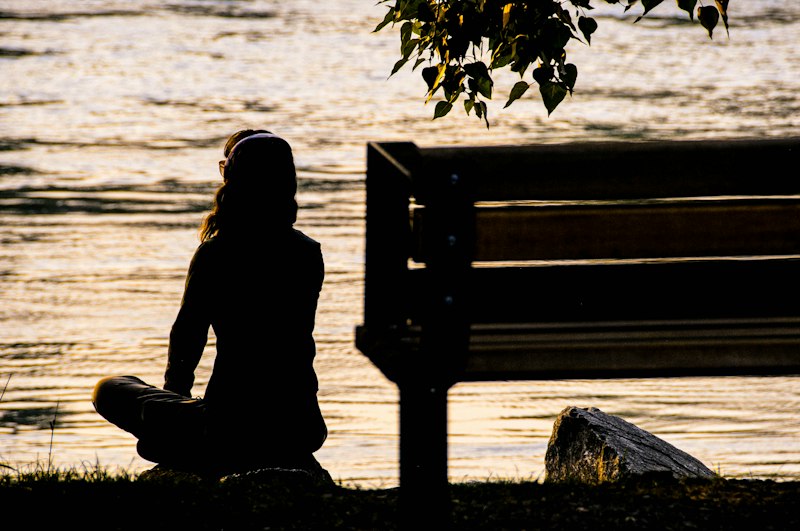
The concept of seclusiveness represents a complex psychological construct that has been the subject of extensive scholarly inquiry for several decades. At its core, seclusiveness is defined as a tendency or desire to remain apart from others, often manifesting as a preference for solitude over social interaction. Within the discipline of psychology, this trait is frequently examined through the lens of personality theory and social behavior, where it is often scrutinized for its associations with various internalizing behaviors. The multifaceted nature of seclusiveness means that it cannot be easily categorized as a purely negative or positive attribute; rather, its impact is heavily dependent on the specific context in which it occurs and the individual’s underlying motivations for seeking isolation.
In various academic and professional fields, the interpretation of seclusiveness shifts significantly based on the expected outcomes of social versus solitary behavior. While clinical psychology may view social withdrawal as a potential symptom of underlying distress, other disciplines, such as educational psychology or organizational behavior, may view it as a strategic choice that facilitates deeper cognitive engagement. This dichotomy suggests that seclusiveness is not a monolithic experience but a varied one that can range from pathological avoidance to a highly functional state of focused concentration. Understanding these nuances requires a careful examination of the environmental factors and personal characteristics that influence how seclusiveness manifests in daily life.
To provide a comprehensive overview of this phenomenon, it is necessary to explore the historical and contemporary research that defines our current understanding. This exploration involves looking at the psychological perspectives that emphasize the risks of isolation, as well as the academic and workplace perspectives that highlight the potential benefits of solitude. By synthesizing these viewpoints, we can gain a clearer picture of how seclusiveness operates as a psychological mechanism. The following sections will detail the specific findings of key studies that have shaped the discourse on seclusiveness, highlighting the critical role of self-esteem, social anxiety, and productivity in determining the overall impact of this trait.
Psychological Determinants and Negative Sequelae
When viewed through a traditional psychological framework, seclusiveness is often identified as a negative trait due to its strong correlation with adverse mental health outcomes. Researchers have long noted that a persistent inclination toward isolation can exacerbate feelings of loneliness, which in turn serves as a catalyst for more severe psychological conditions. In many cases, the choice to remain seclusive is not a voluntary one born of a desire for peace, but rather a defensive mechanism used to cope with social anxiety or a lack of social competence. This form of withdrawal often creates a feedback loop where the individual becomes increasingly alienated from their support systems, further damaging their emotional well-being.
A landmark study by Corrigan et al. (2006) utilized the Structured Interview of Reported Symptoms (SIRS) to examine the epidemiological aspects of mental disorders and their relationship to social behavior. Their findings revealed that seclusiveness was significantly associated with higher levels of loneliness and a marked decrease in self-esteem. The research suggested that individuals who exhibit high levels of seclusiveness often struggle with social anxiety, making it difficult for them to navigate the complexities of interpersonal relationships. This lack of engagement can lead to a distorted self-perception, where the individual views themselves as unworthy of social connection, thereby reinforcing the cycle of isolation and psychological distress.
Furthermore, the negative impacts of seclusiveness extend beyond mere social discomfort and can manifest as clinical depression and chronic anxiety. The absence of regular social feedback and emotional support makes it difficult for seclusive individuals to regulate their moods effectively. This vulnerability is particularly evident in clinical settings where seclusiveness is treated as a behavioral marker for various personality disorders or mood disturbances. By focusing on the detrimental effects of isolation, psychologists aim to develop interventions that encourage healthy social reintegration and the development of robust coping mechanisms to mitigate the risks associated with prolonged withdrawal.
Developmental Trajectories in Adolescence
The developmental period of adolescence is a critical window during which the trait of seclusiveness can have profound long-term effects on an individual’s psychological trajectory. During these formative years, social interaction is essential for the development of identity, social skills, and emotional intelligence. When an adolescent exhibits signs of seclusiveness, it can interfere with these vital developmental milestones, potentially leading to social deficits that persist into adulthood. The pressure to conform to peer groups and the complexities of modern social dynamics can make seclusiveness an attractive, albeit risky, refuge for teenagers struggling with their sense of self.
Research conducted by Lee et al. (2016) in South Korea specifically investigated the relationship between seclusiveness and depression among adolescents. Their study highlighted the mediating effect of self-esteem, suggesting that seclusiveness does not lead to depression directly but rather erodes the adolescent’s self-esteem first. When a young person withdraws from social life, they lose the positive reinforcements that typically come from peer approval and successful social navigation. This decline in self-esteem then becomes the primary driver for depressive symptoms, creating a precarious mental health situation that requires targeted intervention and support from educators and mental health professionals.
Understanding the risks of seclusiveness in youth requires a look at the various factors that contribute to this behavior, which may include:
- Peer victimization or bullying that drives the individual to seek safety in isolation.
- Heightened sensitivity to social rejection or perceived criticism.
- The influence of digital environments that may replace face-to-face socialization with solitary screen time.
- Internalized stigma regarding mental health or personality differences.
By addressing these factors, researchers believe that the negative trajectory of adolescent seclusiveness can be redirected toward healthier forms of self-reflection and social engagement.
The Paradox of Productivity in Academic Environments
In contrast to the clinical view, the academic world often perceives seclusiveness through a much more favorable lens. In the context of higher education and rigorous intellectual pursuit, the ability to work in isolation is frequently seen as a prerequisite for success. This “positive seclusiveness” allows students to engage in deep work, free from the distractions of social obligations and peer pressure. In this setting, the trait is recharacterized as a form of self-discipline and cognitive focus, enabling individuals to master complex materials and produce high-quality scholarly work that might be impossible in a more social environment.
A study by Zhang et al. (2015) focused on Chinese university students and found a compelling correlation between seclusiveness and academic performance. The researchers observed that students who displayed higher levels of seclusiveness often achieved better grades and demonstrated a greater commitment to their studies. The study suggested that seclusiveness facilitates a state of concentration that is highly conducive to learning. By limiting their social circles, these students were able to dedicate more time to their academic responsibilities, suggesting that in certain high-pressure environments, a degree of social withdrawal can be a functional and even strategic advantage.
This academic perspective challenges the notion that seclusiveness is inherently maladaptive. Instead, it suggests that the utility of seclusiveness is dependent on the individual’s goals and the environmental demands. For a student, the benefits of solitude may include:
- Enhanced information retention due to lack of interruptions.
- Improved problem-solving capabilities through uninterrupted contemplation.
- The development of autonomy and independent thinking skills.
- Greater efficiency in completing long-term projects and research.
Consequently, while seclusiveness may carry social costs, its contribution to intellectual growth and academic achievement cannot be overlooked, provided it is balanced with enough social support to prevent total isolation.
Occupational Performance and Seclusive Tendencies
The impact of seclusiveness extends into the professional realm, where it influences how individuals approach their tasks and interact with their colleagues. In the modern workplace, which often emphasizes collaboration and open-office layouts, seclusive individuals may face unique challenges. However, research suggests that their preference for solitude can actually lead to superior job performance in roles that require high levels of technical skill or sustained attention. By avoiding the frequent interruptions common in social work environments, seclusive employees can maintain a higher level of operational efficiency and accuracy in their work.
A significant study by Wei et al. (2018) examined the effect of seclusiveness on the performance of workers in China. The findings indicated that seclusiveness was positively associated with better job performance, primarily because it allowed workers to maintain unwavering focus on their specific tasks. The authors concluded that in professional settings where productivity is measured by individual output rather than team synergy, seclusive traits can be highly beneficial. This research provides a counter-narrative to the prevailing corporate culture that mandates constant communication, suggesting instead that providing space for seclusiveness can lead to better organizational outcomes.
The workplace benefits of seclusiveness are often tied to the concept of task-orientation. Seclusive workers are frequently more focused on the objective requirements of their jobs than on the office politics or social dynamics that can drain time and energy. This leads to a more streamlined workflow and a reduction in errors caused by distraction. However, for this to be a positive trait, the workplace culture must recognize and accommodate different working styles, ensuring that seclusive individuals are not unfairly penalized for their lack of social participation while still being integrated into the broader goals of the organization.
Psychosocial Mechanisms and Self-Esteem
At the heart of the debate over seclusiveness lies the critical role of self-esteem and its influence on how an individual perceives their own isolation. Whether seclusiveness is experienced as a lonely exile or a productive retreat often depends on the individual’s internal self-worth. When self-esteem is high, seclusiveness is more likely to be a choice—a form of healthy solitude used for self-regulation and creative thought. Conversely, when self-esteem is low, seclusiveness is often a forced retreat from a world that the individual perceives as hostile or rejecting, leading to the negative psychological outcomes discussed earlier.
The mediating role of self-esteem is a recurring theme in psychological literature. It acts as a buffer that determines the emotional quality of the seclusive experience. For example, an individual with a strong sense of self may use periods of isolation to recharge and process information, leading to psychological resilience. On the other hand, an individual who lacks self-confidence may view their own seclusiveness as evidence of their social failure, which further diminishes their mental health. This distinction is crucial for clinicians and researchers who seek to understand why some people thrive in solitude while others suffer.
To better understand the psychosocial mechanics of seclusiveness, we can look at the following factors:
- Internalized Motivation: Whether the seclusiveness is driven by a desire for personal growth or a fear of social judgment.
- Social Support Quality: The presence of a small but reliable support network that prevents total isolation.
- Cognitive Appraisal: How the individual interprets their time spent alone—as “loneliness” or “solitude.”
- Emotional Regulation: The ability to manage the affective states that arise during periods of withdrawal.
By focusing on building self-esteem, it may be possible to transform seclusiveness from a source of anxiety into a tool for personal and professional development.
Synthesis and Concluding Perspectives
In summary, seclusiveness is a multifaceted psychological trait that manifests in diverse ways depending on the individual’s life stage, environment, and internal psychological state. While the discipline of psychology often emphasizes the risks of isolation—such as depression, social anxiety, and low self-esteem—the academic and professional sectors provide evidence that seclusiveness can also be a powerful driver of focus and productivity. The research by Corrigan, Lee, Zhang, and Wei collectively illustrates that there is no single “correct” way to view seclusiveness; its value is essentially context-dependent and highly individualistic.
The challenge for future research and practice lies in identifying the “tipping point” where healthy solitude becomes detrimental seclusiveness. It is clear that while social connection is a fundamental human need, the ability to be alone is also a vital skill for cognitive and professional achievement. A balanced approach would involve encouraging social competence while also respecting the need for seclusive periods that foster concentration and creativity. By understanding the dual nature of this trait, society can better support individuals who lean toward seclusiveness, ensuring they have the tools to remain mentally healthy while leveraging their natural tendencies for success.
Ultimately, the study of seclusiveness reminds us of the complexity of the human experience. Whether it is a student achieving academic excellence through solitary study or an adolescent struggling with the weight of social isolation, the underlying trait remains the same. What changes are the environmental supports and the individual’s own perception of their place in the world. As we continue to explore this concept, it is essential to maintain a formal and nuanced perspective that honors both the psychological vulnerabilities and the cognitive strengths inherent in the seclusive personality.
References
Corrigan, P. W., Watson, A. C., Barr, L. B., & Rae, D. S. (2006). Structured Interview of Reported Symptoms (SIRS): An epidemiologic measure for studies of mental disorders. Schizophrenia Bulletin, 32(4), 643-650.
Lee, H., Cho, I., Kim, Y., & Chang, S. (2016). Seclusiveness and depression in adolescents: A study of the mediating effect of self-esteem in South Korea. International Journal of Adolescence and Youth, 21(3), 269-278.
Wei, Y., Yan, X., & Wang, T. (2018). The effect of seclusiveness on job performance: A study of Chinese workers. International Journal of Business and Management, 13(2), 26-34.
Zhang, P., Peng, X., & Han, Y. (2015). Seclusiveness and academic performance: An examination of Chinese university students. International Journal of Education and Psychological Research, 4(2), 61-69.