Gustatory Perception: How Your Brain Decodes Flavor
Scientifically Reviewed · Dr. Marwa Abd-Alazim · August 29, 2026
Review Criteria & Clinical Standards
This content undergoes rigorous scientific peer-review and medical editorial standards at Arab Psychology Network to ensure clinical accuracy, validity, and compliance with evidence-based guidelines from leading psychological and healthcare authorities (APA / WHO).
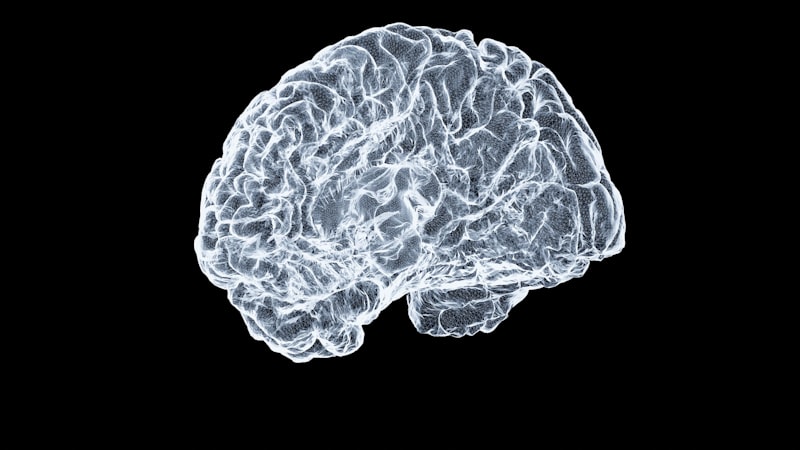
Anatomical Location and Connectivity of the Secondary Taste Cortex
The secondary taste cortex, a critical nexus for the processing of gustatory information, is located primarily within the orbitofrontal cortex (OFC). The OFC resides in the ventromedial prefrontal cortex, situated directly above the orbits of the eyes. This anatomical position is highly significant, placing it at the intersection of sensory processing and limbic structures involved in emotion and reward. Unlike the primary taste cortex—which is dedicated to basic identification and discrimination of taste qualities such as sweet, sour, salty, bitter, and umami—the secondary relay handles the complex, integrated interpretation necessary for assigning meaning and value to incoming stimuli. Specific regions within the OFC, particularly the lateral and caudal sectors, are consistently implicated in receiving and processing gustatory inputs relayed from the primary cortical area. This distinction highlights a fundamental division of labor in the sensory system: the initial stage determines what the substance is, while the secondary stage determines how we feel about it and what we should do next.
Connectivity of the secondary taste cortex is exceptionally diverse, reflecting its role as an integration center. It receives its principal gustatory input indirectly from the thalamus, specifically the parvocellular division of the ventroposteromedial nucleus (VPMpc), via the primary gustatory cortex (PGC), which encompasses the insular and frontal opercular regions. Crucially, the OFC is massively interconnected with other brain regions vital for behavioral regulation and affective responses. These connections include strong reciprocal links with the amygdala, which processes fear and emotional salience; the hypothalamus, which manages feeding behaviors and homeostasis; and the anterior cingulate cortex, involved in decision-making and reward monitoring. This intricate network ensures that taste perception is never an isolated event but is immediately contextualized within the organism’s current physiological state, emotional landscape, and previous learning experiences.
A key anatomical feature contributing to the OFC’s function is its placement within the broader reward circuit. The OFC is uniquely positioned to modulate behavioral output based on sensory input, serving as a critical bridge between sensory detection and motivational drives. The efferent projections from the secondary taste cortex influence areas responsible for motor planning and execution related to consumption, such as spitting out an unpleasant substance or seeking out a pleasant one. Furthermore, the extensive connections with the olfactory bulb and piriform cortex are physically realized in the OFC, making it the first cortical region where taste and smell signals truly converge. This convergence is the neurobiological prerequisite for the unified perception of flavor, a phenomenon that cannot occur in the unimodal primary cortices. The structural arrangement thus dictates its ultimate function: transforming basic chemical detection into meaningful, emotionally charged sensory experience.
The Role of Hedonic Valuation
One of the defining functions of the secondary taste cortex is the assignment of hedonic valence—the immediate determination of whether a gustatory stimulus is positive (pleasant and rewarding) or negative (unpleasant and undesirable). This valuation process is instantaneous and fundamentally guides consumption behavior. While the primary taste cortex discriminates between specific tastants (e.g., detecting bitterness), it does not inherently judge that bitterness as good or bad; that crucial step of affective labeling occurs predominantly within the OFC. Research indicates that specific neuronal populations within the secondary cortex are dedicated to coding for palatability. For example, some neurons fire vigorously in response to sweet, palatable solutions, while adjacent or intermingled populations exhibit strong inhibition or specific firing patterns only when presented with noxious or bitter substances. This differential coding allows the brain to rapidly categorize ingested material as either beneficial for survival and worthy of continued consumption, or potentially toxic and requiring immediate rejection.
The hedonic valuation performed by the secondary taste cortex is highly dynamic and context-dependent, moving beyond simple innate preferences. Unlike lower brainstem reflexes which might always trigger rejection of intense bitterness, the OFC incorporates internal signals, particularly those related to satiety. A food that is highly rewarding when an animal is hungry may rapidly lose its positive valence once the animal is satiated; this phenomenon is known as sensory-specific satiety. The OFC tracks the reward value of specific foods consumed during a meal, causing the firing rate of neurons coding for that food to decrease significantly after consumption, while the reward coding for unconsumed foods remains high. This modulation is vital for ensuring a varied diet and preventing monotony, demonstrating that the secondary taste cortex is not assessing a fixed attribute of the food, but rather the current utility and reward potential of the food relative to the body’s internal state.
The determination of positive or negative valence has profound implications for learning and memory. Negative valence coding is centrally involved in the formation of conditioned taste aversion (CTA), a powerful learning mechanism where the ingestion of a novel substance followed by illness leads to a lasting avoidance of that substance. The OFC, through its connections with the amygdala and insula, plays a major role in consolidating the association between the specific taste and the negative visceral consequence. Conversely, positive valence coding is essential for reinforcing preferences and habitual seeking behaviors. When a stimulus is consistently judged as rewarding, the OFC contributes to strengthening the neural pathways that drive approach and consumption. Therefore, the hedonic function of the secondary taste cortex serves as the ultimate behavioral gatekeeper, translating chemosensory data into motivational signals that dictate survival-critical decisions about ingestion.
Integration with Multimodal Sensory Input
The concept of flavor transcends mere taste; it is a complex, unified perceptual experience resulting from the convergence of multiple sensory modalities. The secondary taste cortex serves as the primary cortical site where this synthesis occurs. While taste receptors on the tongue provide only five basic qualities, the experience of eating is overwhelmingly dominated by olfaction. Retronasal olfaction, where volatile compounds travel from the mouth up to the olfactory epithelium, accounts for the vast majority of flavor complexity. The OFC receives robust, direct projections from the olfactory system (via the piriform cortex) and simultaneously receives gustatory input. This spatial and temporal convergence allows the brain to combine these signals into a coherent, unitary perception—what we subjectively call flavor.
Beyond taste and smell, the secondary taste cortex integrates information from other sensory systems to finalize the flavor profile. Visual cues, such as the color, presentation, and perceived freshness of food, significantly modulate the hedonic rating assigned by the OFC, often overriding pure taste signals. For instance, studies have shown that subjects rate the pleasantness of a beverage higher when it is presented in an expected color, even if the actual chemical composition is identical. Furthermore, somatosensory inputs, relayed from the oral cavity, contribute essential elements of texture (e.g., crispness, creaminess, toughness), temperature, and chemesthesis (e.g., the burn of chili peppers or the coolness of mint). The OFC merges these diverse signals—visual, olfactory, somatosensory, and gustatory—to render a unified, holistic recognition of flavor, allowing the organism to process the entire experience rather than isolated components.
The integration process is not merely additive; it is interactive and dynamic. The OFC allows for the phenomenon of multisensory enhancement, where the combined perception of two congruent stimuli (like the smell and taste of chocolate) is greater than the sum of their parts. Conversely, incongruent stimuli (like the smell of fish and the taste of vanilla) lead to a reduction in pleasantness and often confusion, demonstrating the OFC’s role in checking sensory consistency. This complex integrative capability is crucial for food identification and quality control. If the olfactory component does not match the gustatory component—such as tasting something sour when expecting sweetness based on visual cues—the OFC alerts the system, often resulting in rejection. Therefore, the secondary taste cortex functions as the final cortical stage for confirming the identity and assessing the suitability of ingested materials through a comprehensive, multisensory analysis.
Neural Pathways and the Cortical Relay System
The path of gustatory information from the tongue to the secondary taste cortex is a multi-step, hierarchical relay system. The signal begins with receptors in the taste buds, which synapse onto cranial nerves (Facial VII, Glossopharyngeal IX, and Vagus X). These nerves project to the primary central relay station, the Nucleus of the Solitary Tract (NTS) in the brainstem. From the NTS, the information ascends to the thalamus, specifically the parvocellular division of the Ventroposteromedial nucleus (VPMpc). This relay ensures that only highly filtered and focused gustatory signals are passed forward to the cortex, bypassing most of the lower sensory processing required for reflexes.
The critical first cortical stage is the Primary Gustatory Cortex (PGC), located in the frontal operculum and anterior insula. The PGC is characterized by its unimodal response profile, meaning neurons here primarily respond to taste quality, showing little influence from satiety or other sensory modalities. The PGC’s main function is the initial discrimination and identification of the basic chemical nature of the substance. From the PGC, a robust projection travels forward to the secondary taste cortex in the OFC. This projection represents the second cortical relay—a transition point where the sensory description of the food is transformed into a reward-based assessment. This sequential processing ensures that affective valuation is built upon a solid foundation of accurate sensory identification.
While the sequential path (PGC to OFC) is the established canonical pathway, research suggests parallel processing streams exist, allowing for rapid, context-dependent modulation. For example, some subcortical structures, such as the amygdala and hypothalamus, also receive projections from the brainstem and thalamus, allowing motivational and emotional states to influence OFC processing. Furthermore, the OFC receives direct, non-gustatory sensory inputs (e.g., olfactory) that bypass the PGC, demonstrating that the secondary cortex is not solely dependent on the output of the primary cortex for its full functionality. This complex circuitry allows for swift adjustments in feeding behavior. For instance, if a familiar, highly rewarding smell is detected, the OFC can preemptively assign a positive valence even before the taste signal fully arrives from the PGC, thus speeding up the decision to consume.
Clinical and Behavioral Implications
Dysfunction within the secondary taste cortex has significant implications for human behavior, particularly concerning food choices, appetite regulation, and psychiatric conditions. Damage to the OFC, often resulting from stroke, trauma, or neurodegenerative disease, can lead to profound alterations in hedonic experience. Patients with OFC lesions may exhibit inappropriate consumption behaviors, such as consuming unpalatable or spoiled food, or conversely, developing severe aversions to previously liked foods. This inability to correctly assign or update reward value demonstrates the OFC’s necessity in translating basic sensory input into meaningful behavioral outcomes. When the reward signal is disrupted, the fundamental drive to seek out necessary nutrients becomes impaired, highlighting the OFC’s role in sustaining life-critical motivation.
The secondary taste cortex is deeply implicated in the pathophysiology of eating disorders and obesity. In obesity, the OFC has been observed to show altered activity patterns, sometimes displaying hyper-responsiveness to visual cues of highly palatable, energy-dense foods, or conversely, showing reduced responsiveness to internal satiety signals. This suggests a potential dysregulation where external, learned reward cues (like advertising or packaging) exert undue influence over the internal, homeostatic regulation of feeding. Similarly, conditions like anorexia nervosa often involve altered reward processing in the OFC; patients may find high-calorie foods less rewarding or even aversive, reinforcing restrictive behaviors. Understanding how the OFC processes the hedonic value of food is therefore crucial for developing targeted interventions for these widespread behavioral health issues.
Furthermore, the secondary taste cortex contributes to addiction and substance use disorders. Because the OFC processes the reward value of all salient stimuli, including drugs of abuse, the neural mechanisms employed for assessing the pleasantness of food are co-opted and hijacked by addictive substances. Chronic drug use can lead to structural and functional changes in the OFC, resulting in compulsive craving and poor inhibitory control, often manifesting as a powerful preference for the drug over natural rewards, including highly palatable food. The OFC’s role in linking sensory input to expectation and motivation makes it a central component of the brain’s general reward system, demonstrating that disruptions in taste valuation can often serve as indicators or contributing factors to broader motivational and control deficits.
Development, Learning, and Plasticity
The functional maturation of the secondary taste cortex is a prolonged process that continues well into adolescence, correlating with the development of complex food preferences and learned aversions. While innate responses to basic tastes (e.g., preference for sweet, rejection of bitter) are evident even in newborns, the ability to form complex flavor associations, integrate multisensory data seamlessly, and modulate hedonic responses based on culture and context develops over time. Early life exposure to diverse flavors, often through maternal diet during gestation and lactation, primes the OFC for later acceptance of these tastes. This early programming demonstrates the inherent plasticity of the system, where initial chemical exposure shapes the future organization and responsiveness of the orbitofrontal gustatory fields.
Learning mechanisms mediated by the secondary taste cortex are essential for survival. The acquisition of food preferences, often requiring repeated, non-aversive exposure to novel foods (a process overcoming natural neophobia), relies heavily on the OFC’s ability to update reward predictions. Every time a novel food is consumed without negative consequence, the OFC incrementally increases its perceived positive valence, transforming something unknown into something desirable. Conversely, the OFC is central to conditioned taste aversion (CTA), a single-trial learning mechanism that provides powerful protection against poisoning. The rapid formation of CTA requires the OFC to swiftly and permanently link a taste stimulus with negative visceral feedback, overriding previous positive associations and establishing a long-term, negative hedonic label for that specific flavor profile.
The plasticity of the OFC extends throughout adulthood, allowing the system to adapt to changes in diet, health, and environment. Studies show that dietary interventions, such as shifting from a high-fat to a low-fat diet, can gradually alter the neural representations of specific food types in the OFC, reflecting a change in their perceived reward value. Furthermore, the secondary taste cortex is highly sensitive to cognitive and emotional modulation. Contextual cues, such as the social setting in which food is consumed, or memories associated with a particular meal, can dramatically influence the hedonic response by engaging OFC circuitry. For example, a food associated with a celebratory event will activate OFC neurons related to positive affect, demonstrating that the OFC is constantly integrating internal memory and external context with the raw sensory data to generate a final, personalized hedonic judgment.
Research Methodologies and Future Directions
Studying the deep and complex architecture of the secondary taste cortex presents significant methodological challenges. In human studies, non-invasive neuroimaging techniques, primarily functional Magnetic Resonance Imaging (fMRI) and Magnetoencephalography (MEG), are essential tools. fMRI allows researchers to map the areas of the OFC that are selectively activated by palatable versus unpalatable stimuli, revealing the spatial organization of hedonic coding. These studies have consistently localized the activity related to perceived pleasantness in specific subregions of the medial OFC, while unpleasantness often recruits more lateral OFC areas. However, fMRI resolution is limited in capturing the rapid, subtle changes in neural activity that accompany instantaneous flavor perception.
Animal models, particularly rodents and primates, allow for highly detailed invasive techniques crucial for understanding cellular mechanisms. These methodologies include single-unit electrophysiology, where microelectrodes are used to record the firing patterns of individual neurons in the OFC during taste consumption. This approach has provided foundational evidence for the existence of specialized “pleasantness” and “unpleasantness” neurons, demonstrating how hedonic valence is encoded at the neuronal level. Furthermore, optogenetics and chemogenetics allow researchers to selectively manipulate specific neural circuits within the OFC, enabling causal determination of the role of these circuits in driving preference, aversion, and appetite regulation.
Future research on the secondary taste cortex is focusing on several key areas. Firstly, there is an effort to fully delineate the molecular mechanisms underlying sensory-specific satiety and how homeostatic hormones (like ghrelin and leptin) directly modulate OFC neuronal activity. Secondly, advanced computational neuroscience is being employed to model the complex, non-linear integration of multimodal sensory information within the OFC, aiming to predict subjective flavor perception based on neural firing patterns. Finally, the translational potential is enormous, focusing on how targeted neuromodulation techniques might be used to correct pathological reward processing in conditions ranging from chronic pain to eating disorders, leveraging the OFC’s role as the central arbiter of pleasure and value.