Biological Secretion: How Your Cells Master Your Mood
Scientifically Reviewed · Dr. Marwa Abd-Alazim · August 29, 2026
Review Criteria & Clinical Standards
This content undergoes rigorous scientific peer-review and medical editorial standards at Arab Psychology Network to ensure clinical accuracy, validity, and compliance with evidence-based guidelines from leading psychological and healthcare authorities (APA / WHO).
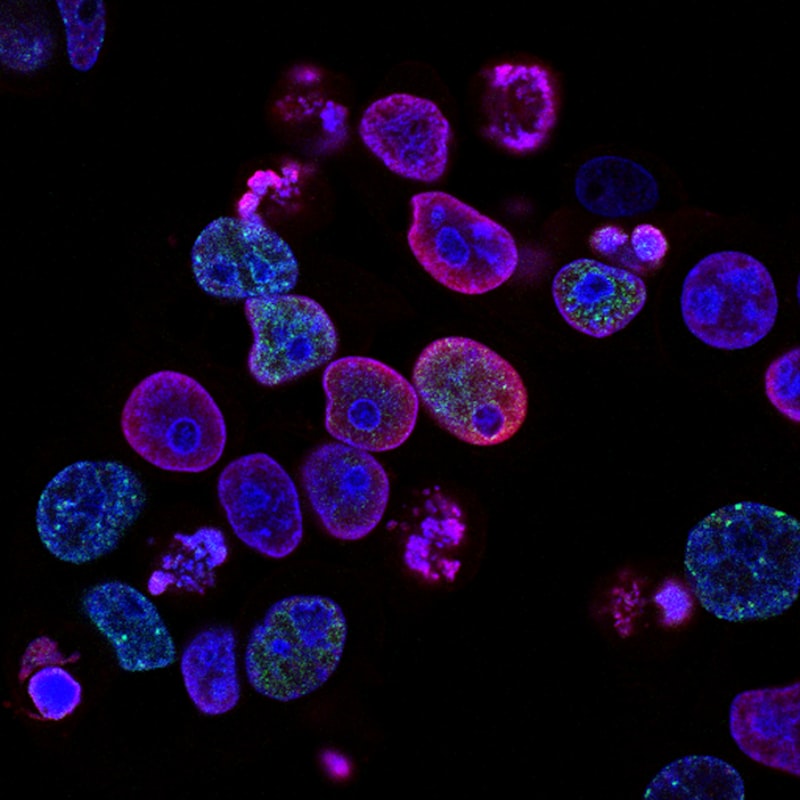
Definition and Fundamental Principles of Secretion
The term secretion refers to the highly complex and essential cellular process by which specialized cells synthesize and release specific, biologically active products. This activity is fundamentally distinct from mere excretion, which is the removal of waste products; instead, secretion involves the active elaboration of substances designed for physiological function either within the organism (e.g., hormones) or onto an external or internal surface (e.g., digestive enzymes or mucus). The scope of secretory activity is vast, ranging from the relatively simple separation of specific solutes or fluids already present in the extracellular matrix or blood plasma to the intricate, multi-step biosynthesis of entirely new, complex chemical substances, such as polypeptide hormones or complex glycoproteins. This process is energy-intensive, requiring significant input from adenosine triphosphate (ATP) and relying heavily on the integrity of internal cellular organization, particularly the endomembrane system.
The synthesized product, once released, is also frequently referred to as a secretion, thereby encompassing both the action and the resulting substance. For instance, the production of mucus by goblet cells is the process of secretion, and the mucus itself is the secretion. The purpose of this release is almost always communicative or functional, serving roles in maintaining homeostasis, facilitating digestion, protecting surfaces, or enabling intercellular communication. The control over secretion is tightly regulated, ensuring that products are released only when and where they are required, often in response to specific chemical signals, electrical impulses, or mechanical stimuli.
While the most recognized form of secretion involves the synthesis and release of macromolecular products destined for export, the foundational principle remains the active, controlled movement of material across a membrane barrier. This control differentiates secretion from passive leakage or diffusion. Key components of this process include the recognition of a stimulus, the initiation of intracellular signaling cascades, the movement of secretory vesicles toward the plasma membrane, and the final fusion and expulsion of the contents, often mediated by exocytosis. Understanding the nuances of this fundamental cellular operation is central to fields ranging from endocrinology and neurobiology to immunology and gastroenterology.
The Cellular Machinery of Secretion
The vast majority of proteins, peptides, and complex lipids destined for secretion follow a highly conserved, sequential path known as the classical secretory pathway. This journey begins in the Rough Endoplasmic Reticulum (RER), where ribosomes synthesizing secretory proteins are directed to the RER membrane by specific signal peptides embedded in the nascent polypeptide chain. Once inside the RER lumen, the proteins undergo initial folding, disulfide bond formation, and quality control checks. Improperly folded proteins are typically retained or degraded, ensuring that only functional molecules proceed, a critical mechanism for maintaining cellular health and preventing the release of inactive or potentially harmful substances.
Following successful folding and initial modification, the newly synthesized products are transferred via transport vesicles to the Golgi apparatus. The Golgi serves as the central sorting, processing, and packaging station of the cell, organized into distinct functional compartments: the cis face (receiving), the medial cisternae, and the trans face (shipping). Within the Golgi, secretory products undergo extensive post-translational modification, including glycosylation, sulfation, and proteolytic cleavage. These modifications are crucial for activating the product, targeting it correctly, and determining its final biological activity. The differential processing within the Golgi allows the cell to handle a diverse array of secretory products simultaneously.
Upon exiting the trans-Golgi network (TGN), the processed material is packaged into secretory vesicles. These vesicles are highly specialized, often containing dense concentrations of the secretory product, sometimes stabilized by specific binding proteins or stored in a semi-crystalline state. The movement of these vesicles toward the plasma membrane is an active process, relying on motor proteins that travel along the cytoskeleton, particularly microtubules. The fusion of the vesicle membrane with the plasma membrane, a process termed exocytosis, requires complex interaction between specialized protein families, notably the SNARE complex, which mediates the final docking and fusion steps, releasing the secretory product into the extracellular space or ductal system.
Modes of Secretion: Classifying Release Mechanisms
In histology and physiology, secretory cells are classified based on the mechanism by which the secretory product is released and the subsequent fate of the producing cell. These modes reflect evolutionary adaptations to specific functional requirements, dictating the rate of replenishment and the nature of the product. The three primary modes are Merocrine, Apocrine, and Holocrine secretion, each utilizing a distinct method of packaging and expulsion, with profound differences in cellular integrity after the event.
Merocrine secretion, also known as eccrine secretion, is the most common mode and involves the release of the product via exocytosis, without any loss of cellular cytoplasm or damage to the cell structure. The secretory vesicles simply fuse with the apical plasma membrane, expelling their contents. This mechanism allows the cell to sustain continuous or rapid pulsed secretion, as the cell structure remains fully intact and ready for immediate replenishment of product. Examples include the secretion of saliva from the parotid gland, pancreatic enzymes, and most sweat glands (eccrine glands). This mechanism is characteristic of cells involved in high-volume, regulated output.
Apocrine secretion involves the release of the secretory product enclosed within a portion of the apical cytoplasm and plasma membrane. The apical portion of the cell literally “pinches off” to release the vesicle, resulting in a temporary, partial loss of cellular material. While the cell is damaged, it typically recovers and resumes secretion. This mode is less common and is historically associated with mammary glands releasing milk lipids and certain specialized sweat glands (apocrine sweat glands) found predominantly in the axilla and groin. The distinct nature of the product, often containing large lipid droplets or pheromonal substances, necessitates this enveloping release mechanism.
Finally, Holocrine secretion is the most drastic mechanism, involving the accumulation of the secretory product within the cell until the cell itself ruptures and dies, releasing the entire cellular contents, including the secretory product, membrane fragments, and cellular debris, into the lumen or duct. This mechanism requires continuous cell division to replace the destroyed secretory cells. The classic example of holocrine secretion is found in the sebaceous glands of the skin, which produce sebum, a complex mixture of lipids and waxes essential for skin lubrication and waterproofing.
Regulated vs. Constitutive Secretion Pathways
Cells manage the timing and quantity of their secretory output using two primary processing paths exiting the Golgi apparatus: the constitutive pathway and the regulated pathway. The distinction between these two systems is critical for understanding how cells maintain baseline function versus responding acutely to environmental changes or signaling events.
The constitutive pathway is the default, “always-on” method of secretion. Products following this route are packaged into vesicles in the trans-Golgi network and are continuously transported to the plasma membrane, where they fuse and release their contents without requiring an external stimulus. This pathway is essential for general maintenance functions, such as delivering newly synthesized lipids and proteins to the plasma membrane, releasing components of the extracellular matrix, and secreting housekeeping proteins necessary for the immediate environment of the cell. Virtually all cells utilize this pathway to some degree, ensuring constant membrane turnover and basal nutrient exchange.
In contrast, the regulated pathway is characteristic of specialized secretory cells—such as endocrine cells, neurons, and exocrine gland cells—that need to release large amounts of product rapidly upon specific command. Products destined for this pathway are packaged into dense-core secretory granules that are stored just beneath the plasma membrane. These granules are primed for release but will not fuse until a specific external signal is received, which triggers a complex signal transduction cascade.
The central trigger for regulated secretion in most cell types is a rapid increase in intracellular calcium ions (Ca2+). When a hormone or neurotransmitter binds to a surface receptor, it often leads to the influx or release of Ca2+ from internal stores. This calcium spike acts as a second messenger, activating proteins (like calmodulin) that initiate the fusion of the stored secretory vesicles with the plasma membrane, leading to a burst of secretion. This on-demand system allows for precise, physiological control over processes like blood glucose regulation (insulin secretion) or synaptic transmission.
The Role of Secretion in Physiology and Homeostasis
Secretory processes are indispensable to the maintenance of homeostasis, serving roles in systemic communication, environmental defense, and metabolic regulation. In a broad physiological context, secretion facilitates four major types of intercellular communication, differentiating how far the secreted product must travel to reach its target cell. These include autocrine (acting on the cell that secreted it), paracrine (acting on neighboring cells), synaptic (acting across a narrow synapse), and endocrine (acting on distant target cells via the bloodstream).
In the immune system, secretion is the primary method of defense. Plasma cells, derived from B-lymphocytes, are highly specialized secretory factories dedicated to producing and releasing massive quantities of antibodies (immunoglobulins). T-lymphocytes and macrophages secrete various cytokines and chemokines, which act via paracrine signaling to regulate inflammation, recruit other immune cells, and modulate the intensity and duration of the immune response. A failure in cytokine secretion can lead to immunodeficiency or excessive, harmful inflammation.
Furthermore, secretion is pivotal in the digestive process. The stomach secretes hydrochloric acid and pepsinogen, the pancreas secretes bicarbonate and digestive enzymes (amylase, lipase, proteases), and the liver secretes bile components. These collective secretions work sequentially throughout the gastrointestinal tract to break down complex macromolecules into absorbable nutrients. The coordinated release of these substances, often controlled by secreted gut hormones like gastrin and secretin, underscores the sophisticated regulatory networks built upon secretory mechanisms.
Glandular Classification and Secretory Products
Glands, which are organs specialized for secretion, are classically divided into two main categories based on where they release their products:
- Exocrine glands: These release their products onto an epithelial surface (either internal or external) via a duct system. Their products are typically functional locally or environmentally. Examples of products include mucus, sweat, tears, digestive enzymes, and sebum.
- Endocrine glands: These are ductless glands that release their products, known as hormones, directly into the interstitial fluid, from where they diffuse into the bloodstream. These products travel systemically to target distant cells and organs, exerting widespread regulatory effects. Examples include the thyroid gland, adrenal glands, and pituitary gland.
Beyond this binary classification, the chemical nature of the secreted product also provides a framework for understanding secretory function. Secretory products can be broadly grouped chemically:
- Protein/Peptide Secretions: These include the vast majority of hormones (e.g., insulin, growth hormone), digestive enzymes, and neurotransmitters (e.g., acetylcholine). These molecules are synthesized in the RER and processed via the classical pathway.
- Steroid Secretions: These are lipid-soluble hormones derived from cholesterol (e.g., testosterone, cortisol). They are not stored in vesicles; rather, they are synthesized upon demand and diffuse across the plasma membrane immediately after synthesis.
- Mucous Secretions: These are highly viscous, complex fluids rich in highly glycosylated proteins (mucins), essential for lubrication and protection in respiratory, digestive, and reproductive tracts. The production of mucus is a prime example of high-volume merocrine secretion.
Pathologies Related to Secretory Dysfunction
Dysfunction in the cellular machinery or regulatory mechanisms of secretion is the underlying cause of numerous serious human diseases, ranging from metabolic disorders to inherited genetic conditions. A failure in the secretory process can manifest in several ways: the overproduction, underproduction, or misfolding/mis-targeting of the specific product.
One prominent example is Cystic Fibrosis (CF), an inherited condition caused by mutations in the CFTR gene. This gene encodes a chloride channel critical for regulating fluid movement in exocrine secretions. When the CFTR channel is non-functional, chloride and water movement into the ductal lumen is impaired, resulting in thick, sticky, and dehydrated secretions, particularly mucus, which clogs the respiratory and digestive tracts, leading to chronic infection and organ damage. This is a clear case where defective secretion leads directly to systemic failure.
Endocrine secretory failures are equally impactful. Type 1 Diabetes Mellitus is an autoimmune condition where the beta cells of the pancreas, responsible for secreting the hormone insulin, are destroyed. The resulting lack of insulin secretion leads to catastrophic metabolic dysregulation. Conversely, hypersecretion, such as the excessive release of growth hormone (GH) by a pituitary adenoma, can lead to conditions like acromegaly or gigantism. Furthermore, many autoimmune disorders, such as Myasthenia Gravis, involve the secretion of antibodies that mistakenly target and block the receptors required for normal signaling, often interfering with neurotransmitter secretion or reception at the neuromuscular junction. The clinical study of secretory failure is therefore fundamental to therapeutics in modern medicine.
Neuroendocrine Secretion and Signaling
A particularly specialized and rapid form of regulated secretion occurs within the nervous system. Neurons communicate via the regulated release of neurotransmitters, chemical messengers stored in small, clear synaptic vesicles within the axon terminal. When an action potential arrives at the terminal, it triggers the opening of voltage-gated calcium channels. The resulting influx of Ca2+ causes the immediate fusion of synaptic vesicles with the presynaptic membrane, releasing the neurotransmitter into the synaptic cleft, where it rapidly acts on the postsynaptic target cell. This process is one of the fastest known forms of cellular secretion, enabling instantaneous communication necessary for thought, movement, and sensory perception.
Relatedly, the neuroendocrine system represents an important intersection between the nervous and endocrine systems, utilizing specialized neurons to secrete hormones directly into the bloodstream. Key examples of this include the magnocellular neurons of the hypothalamus, which synthesize and release oxytocin and vasopressin (ADH) directly from the posterior pituitary gland into systemic circulation. In this context, the neuron acts as a hybrid cell, receiving electrical signals but translating the output into hormonal (endocrine) signals that travel globally throughout the body, providing long-distance, systemic regulation over fluid balance and reproductive functions.