Geriatric Psychosis: Navigating Late-Life Mental Shifts
Scientifically Reviewed · Dr. Marwa Abd-Alazim · September 14, 2026
Review Criteria & Clinical Standards
This content undergoes rigorous scientific peer-review and medical editorial standards at Arab Psychology Network to ensure clinical accuracy, validity, and compliance with evidence-based guidelines from leading psychological and healthcare authorities (APA / WHO).
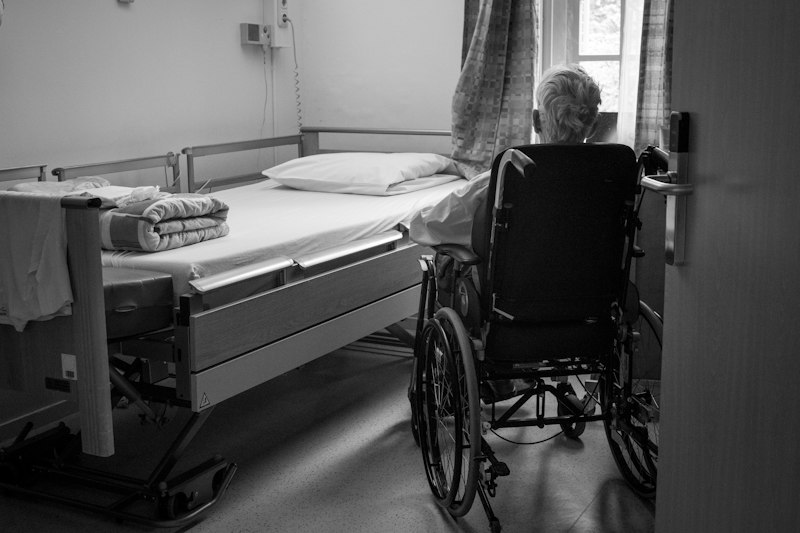
SENILE PSYCHOSIS (DEPRESSED AND AGITATED TYPES)
Senile psychosis, while a term largely historical in modern psychiatric nosology, remains conceptually critical for understanding a complex range of severe psychiatric conditions presenting in the elderly population. These conditions are characterized by the emergence of significant psychotic features—most notably delusions and hallucinations—often superimposed upon, or closely intertwined with, existing mood disturbances or neurocognitive decline. The clinical landscape is traditionally bifurcated into two major presentations: the depressed type and the agitated type. A comprehensive understanding of these subtypes requires a detailed exploration of their unique symptomatology, historical context, and the critical need for accurate differential diagnosis to ensure appropriate intervention in this vulnerable demographic.
The distinction between these two primary presentations is vital because the underlying pathophysiology, risk factors, and corresponding treatment strategies differ significantly. The depressed type is frequently associated with severe, treatment-resistant late-life depression, where psychotic symptoms are often mood-congruent, reflecting themes of guilt, poverty, or deserved punishment. Conversely, the agitated type often manifests as severe behavioral dyscontrol, restlessness, and aggression, frequently driven by paranoid or persecutory delusions that heighten the individual’s sense of threat or fear. Recognizing the specific nature of the psychosis—whether primarily affecting mood or behavior—is the first step toward effective clinical management and improving the patient’s overall quality of life.
This detailed entry provides an extensive overview of senile psychosis, focusing on the defining characteristics of the depressed and agitated subtypes. It traces the historical progression of the term, details the core clinical profiles, and outlines the challenges inherent in diagnosis within the context of multiple medical and neurological comorbidities common in advanced age. The aim is to generate a comprehensive resource that reflects the high level of detail required for advanced academic study in geriatric psychiatry.
Historical Evolution of Terminology
The recognition of mental disorders unique to old age began to formalize in the late 19th century, marking a critical point in the history of psychiatry. Prior to this period, mental decline in the elderly was often dismissed as an inevitable consequence of aging, summarized dismissively as “dotage.” However, influential clinicians began documenting distinct syndromes that went beyond simple cognitive decline, noting the presence of profound affective changes and irrational beliefs. This early documentation laid the groundwork for classifying late-life mental illness as a distinct field of study, necessitating specialized attention rather than simple institutionalization.
During the early 20th century, the term “senile dementia” became the ubiquitous umbrella diagnosis for virtually all serious mental health conditions observed in the elderly. While groundbreaking for its time, this broad categorization masked critical differences between conditions characterized primarily by cognitive impairment (what we now recognize as Alzheimer’s disease or other major neurocognitive disorders) and those dominated by severe, primary psychotic or affective symptoms. As psychiatric knowledge advanced, particularly following the mid-2century, researchers recognized the need to differentiate syndromes where psychosis or severe mood disturbance was the dominant feature, thereby giving rise to the more specific designation of “senile psychosis.”
Modern psychiatric nomenclature, particularly the criteria established by the American Psychiatric Association’s Diagnostic and Statistical Manual of Mental Disorders (DSM), has largely retired the term “senile psychosis.” Current practice favors highly specific diagnoses that identify the underlying etiology, such as Major Depressive Disorder with Psychotic Features (late-onset), Bipolar Disorder with Psychotic Features, or Major Neurocognitive Disorder with Behavioral Disturbance (psychotic type). Nevertheless, the historical concept of senile psychosis remains pedagogically valuable, as it highlights the common clinical challenge of managing severe psychotic symptoms occurring late in life, often in the context of biological vulnerability and significant social losses. Understanding this historical progression is crucial for interpreting older research and grasping the conceptual lineage of current diagnostic categories.
Clinical Profile of Senile Psychosis (General Features)
Regardless of whether the subtype leans toward depression or agitation, senile psychosis shares core features of severe disruption in reality testing. The presence of delusions—fixed, false beliefs—is perhaps the most defining characteristic. In the geriatric population, these delusions frequently adopt themes related to immediate, personal circumstances. Common paranoid themes include beliefs that caregivers are stealing possessions, that food is being poisoned, or that the individual is being neglected or trapped. These beliefs, being strongly held and impervious to logical argument, significantly erode trust and compromise therapeutic relationships, often leading to resistance to care.
Furthermore, hallucinations, which are sensory perceptions in the absence of external stimuli, are also common, though their presentation can vary based on the underlying neurological health. While auditory hallucinations (hearing voices) are often associated with schizophrenia, visual and tactile hallucinations can be particularly prominent in senile psychosis, especially when there is underlying neurocognitive impairment or conditions like Parkinson’s disease or Dementia with Lewy Bodies. The combination of vivid, frightening sensory experiences and irrational beliefs leads to profound disorganized thinking and severely impaired judgment and insight, making even simple daily tasks overwhelming and dangerous for the individual.
The general clinical presentation is further complicated by age-related physiological changes. Sensory deficits, such as severe hearing or vision loss, can mimic or exacerbate psychotic symptoms. For instance, misinterpreting muffled noises due to hearing loss can reinforce a delusion of persecution, making the patient believe people are talking about them. Additionally, the elderly often present with multiple chronic medical conditions (e.g., cardiac disease, diabetes, renal impairment) that can independently cause secondary psychotic symptoms (e.g., delirium due to infection or metabolic imbalance). Consequently, the clinical evaluation must be thorough, distinguishing true primary late-life psychosis from psychosis secondary to medical illness, substance use, or an acute confusional state.
The Depressed Subtype: Symptomatology and Presentation
The depressed type of senile psychosis represents a severe manifestation of late-life major depressive disorder complicated by psychotic features. This subtype is characterized by the cardinal symptoms of depression—a pervasive low mood, profound anhedonia (inability to experience pleasure), significant changes in appetite and sleep patterns, and marked apathy or psychomotor retardation. These core depressive symptoms are intensified and distorted by the presence of accompanying psychotic phenomena, creating a clinical picture far more severe and functionally debilitating than non-psychotic depression. The psychotic symptoms in this subtype are overwhelmingly mood-congruent, meaning the content of the delusion aligns perfectly with the depressive state.
Typical mood-congruent delusions include themes of severe personal failure, profound guilt over past minor errors, or nihilism (the belief that oneself, parts of one’s body, or the world do not exist). For example, a patient may steadfastly believe they are bankrupt, destitute, and deserve to starve, despite overwhelming evidence to the contrary. Somatic delusions are also highly prevalent, where the patient believes they are infested with parasites or suffering from an incurable, grotesque disease, reflecting the physical discomfort often experienced in severe depression. These pervasive negative beliefs eliminate any hope for recovery and often lead to extremely high levels of distress and severe functional decline, necessitating immediate and intensive psychiatric intervention.
A particularly concerning aspect of the depressed psychotic subtype is the significantly elevated risk of suicide. The combination of hopelessness driven by severe depression and the conviction of deserved punishment (reinforced by psychotic beliefs) creates a lethal combination. Clinicians must be acutely aware that these patients may attempt self-harm or neglect essential life functions, believing they are doing the world a favor by disappearing. Effective management requires rapid stabilization, often involving the careful use of both antidepressant and antipsychotic medications, coupled with electroconvulsive therapy (ECT) in cases of extreme severity or treatment resistance, given its proven efficacy in psychotic depression.
The Agitated Subtype: Behavioral Manifestations and Risk Factors
The agitated type of senile psychosis is defined by pronounced behavioral disturbances, characterized by extreme restlessness, heightened irritability, and potential for aggression, both verbal and physical. While the depressed type is often marked by psychomotor retardation, the agitated subtype is dominated by psychomotor excitement. The patient is frequently unable to settle, pacing constantly, demanding attention, and reacting disproportionately to minor stimuli. This state of constant high alert is fundamentally driven by underlying psychotic content, specifically persecutory or paranoid delusions.
In the agitated subtype, the patient’s delusions often center on themes of immediate danger, betrayal, or malevolent intent from others. They may believe staff members or family are planning to harm them, lock them away, or restrict their freedom. This perception of threat triggers a fight-or-flight response, manifesting as defensive aggression, shouting, or attempts to physically flee the perceived danger. The agitation is therefore not random; it is a direct, albeit disorganized, attempt to cope with intense internal distress fueled by the psychotic experience. This behavioral profile poses significant management challenges, requiring specialized staff training and environmental controls to ensure the safety of the patient and others.
Risk factors for developing the agitated subtype often involve a higher degree of underlying neurocognitive impairment, particularly vascular dementia or mixed dementia, where damage to frontal and temporal lobes compromises impulse control and emotional regulation. Furthermore, environmental factors play a crucial role. Overstimulation, unfamiliar surroundings (e.g., hospital admission), abrupt changes in routine, or physical discomfort (e.g., pain, full bladder) can act as powerful triggers for escalating agitation in an already psychotic individual. Therapeutic approaches must therefore integrate environmental modification and behavioral strategies alongside targeted pharmacological intervention aimed at reducing the intensity of the psychotic driver and calming the underlying anxiety.
Differential Diagnosis and Comorbidity
Accurate diagnosis of senile psychosis is complicated by the high rate of medical comorbidity and the necessity of distinguishing it from other conditions that present with similar symptoms. A crucial differential diagnosis is delirium, an acute confusional state caused by medical illness (e.g., urinary tract infection, dehydration, adverse drug reaction). Delirium is characterized by an acute onset, fluctuating course, and profound disturbances in attention and consciousness. While delirium often involves hallucinations and delusions, its management focuses entirely on resolving the underlying medical cause, whereas senile psychosis is a subacute or chronic condition.
Another key distinction must be made from primary neurocognitive disorders. While psychosis can occur in Major Neurocognitive Disorder (Dementia), the onset and pattern of symptoms differ. For instance, in Dementia with Lewy Bodies (DLB), visual hallucinations are typically complex, recurrent, and precede severe cognitive decline, whereas in primary late-life psychotic depression, the mood symptoms dominate the early phase. Furthermore, clinicians must rule out late-onset schizophrenia or schizoaffective disorder, though these are rare, typically require an extensive historical review to confirm that psychotic symptoms did not begin in earlier adulthood.
The role of comorbidity cannot be overstated. Chronic medical conditions not only increase the risk of delirium but also stress the patient’s psychological resilience, exacerbating symptoms of depression and anxiety, which can in turn trigger psychosis. Conditions such as cardiovascular disease, chronic obstructive pulmonary disease (COPD), and chronic pain increase systemic inflammation and may impair cerebral blood flow, contributing to both cognitive and psychiatric symptoms. Therefore, a comprehensive geriatric assessment (CGA) is mandatory, utilizing laboratory tests, neuroimaging, and detailed medication reviews to identify and manage all contributing physical factors before a definitive psychiatric diagnosis is confirmed.
Management Principles and Key References
The management of senile psychosis, whether depressed or agitated, requires a multidisciplinary approach focused on patient safety, symptom reduction, and improvement in functional status. Treatment protocols are inherently cautious due to the increased sensitivity of the elderly to psychotropic medications, particularly antipsychotics, which carry risks such as sedation, anticholinergic effects, and, significantly, an increased risk of stroke and mortality in patients with dementia-related psychosis. Therefore, the principle of starting low and going slow with pharmacological agents is paramount, alongside continuous monitoring for adverse effects.
For the depressed type, the primary pharmacological strategy involves optimizing antidepressant therapy, often alongside a low-dose atypical antipsychotic to address the psychotic symptoms. Non-pharmacological interventions include supportive psychotherapy and ensuring adequate nutrition and hydration. For the agitated type, non-pharmacological interventions are the first line of defense, focusing on environmental manipulation (reducing noise and clutter), ensuring predictable routines, and employing behavioral techniques to de-escalate anxiety before agitation peaks. Pharmacological interventions for agitation are reserved for cases where the patient poses a significant risk to themselves or others, utilizing the lowest effective dose of atypical antipsychotics to manage acute distress.
Successful long-term management requires continuous collaboration between geriatricians, psychiatrists, and allied health professionals. Education for caregivers and family is also crucial, enabling them to recognize triggering factors and implement appropriate behavioral responses. While the term senile psychosis is largely historical, the clinical realities of late-life psychosis remain a critical area of study, necessitating ongoing research into safer, more effective, and better-tolerated treatment modalities for this complex patient population.
Key References for Further Study
-
American Psychiatric Association. (2013). Diagnostic and statistical manual of mental disorders (5th ed.). Arlington, VA: American Psychiatric Publishing.
-
Baldwin, R. C., & Doody, R. S. (Eds.). (2013). Treatment of dementia: A handbook of evidence-based practice (2nd ed.). London: Springer. (Provides context for psychosis occurring within neurocognitive disorders.)
-
Chen, H. W., & Fung, P. S. (2008). The epidemiology of geriatric depression. International Journal of Psychiatry in Medicine, 38(2), 177–195. (Relevant for understanding the prevalence of the depressed subtype.)
-
Kales, H. C., Lyketsos, C. G., & Breitner, J. C. (Eds.). (2006). The clinical dementia rating scale (2nd ed.). New York, NY: Oxford University Press. (A foundational resource for assessing severity and progression in related disorders.)
-
Komaroff, A. L. (2015). Dementia and delirium in the elderly. In R. C. Baldwin & R. S. Doody (Eds.), Treatment of dementia: A handbook of evidence-based practice (2nd ed., pp. 33–50). London: Springer. (Addresses crucial differential diagnosis challenges.)
-
Lyketsos, C. G., Lopez, O., Jones, B., Fitzpatrick, A. L., Breitner, J. C., & DeKosky, S. T. (2002). Prevalence of neuropsychiatric symptoms in dementia and mild cognitive impairment: Results from the cardiovascular health study. JAMA, 288(12), 1475–1483. (Highlights the high burden of psychotic symptoms in the elderly.)
-
Rabins, P. V. (2006). Delirium and dementia in the elderly: Diagnosis and management. In H. C. Kales, C. G. Lyketsos, & J. C. Breitner (Eds.), The clinical dementia rating scale (2nd ed., pp. 181–201). New York, NY: Oxford University Press.