Sensory Perception: How Your Brain Constructs Reality
Scientifically Reviewed · Dr. Marwa Abd-Alazim · September 4, 2026
Review Criteria & Clinical Standards
This content undergoes rigorous scientific peer-review and medical editorial standards at Arab Psychology Network to ensure clinical accuracy, validity, and compliance with evidence-based guidelines from leading psychological and healthcare authorities (APA / WHO).
The Definition and Function of Sense Organs
A sense organ, often interchangeably referred to as a sensory organ or sensory receptive organ, constitutes a specialized biological structure designed to detect and respond to specific physical or chemical stimuli originating from the internal or external environment. These complex organs serve as the critical interface between the organism and its surroundings, translating various forms of energy—such as light, mechanical pressure, sound waves, or chemical concentrations—into electrochemical signals that the nervous system can interpret. The fundamental characteristic defining a sense organ is the presence of densely packed receptor cells, which are highly specialized neurons or epithelial cells capable of initiating the process of sensory transduction. Without these specialized structures, the organism would be effectively isolated from the information necessary for survival, navigation, and interaction within its ecological niche.
The functional role of the sense organ extends far beyond mere detection; it involves significant initial processing and filtering of incoming information. For instance, the human eye, a prime example of a sense organ, not only captures light photons but also focuses them precisely onto the retina, where photoreceptor cells (rods and cones) are located. This pre-processing mechanism ensures that the signal arriving at the receptor cells is optimized for conversion. Furthermore, sense organs often exhibit remarkable sensitivity, allowing organisms to detect extremely weak stimuli, such as a faint odor molecule or a tiny fluctuation in ambient temperature. This high degree of specialization reflects the evolutionary pressures faced by organisms, optimizing their ability to gather crucial environmental data swiftly and accurately to inform behavioral responses. Our eyes, nose, and ears are classic examples of these highly refined structures.
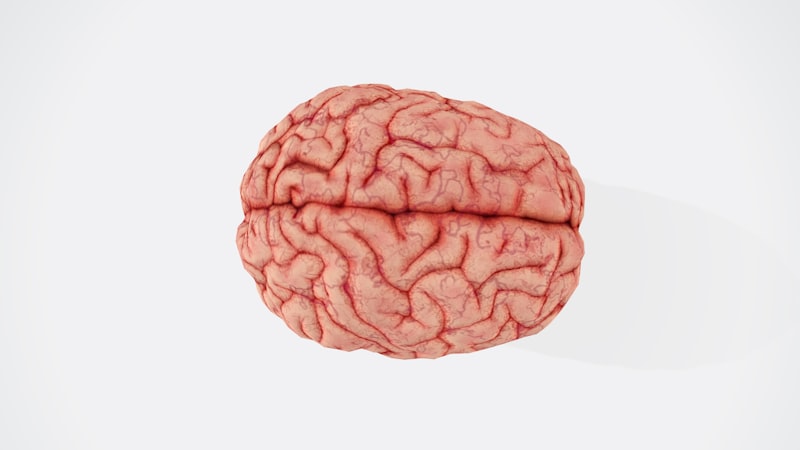
Crucially, sense organs are fundamentally linked to the central nervous system (CNS). Once a stimulus activates the receptor cells, the resulting neural signal is transmitted via afferent sensory neurons to specific processing centers in the brain, such as the thalamus and eventually the cerebral cortex. It is within the CNS that the raw sensory data is interpreted, resulting in the subjective experience known as perception. Therefore, the sense organ acts as the gateway, converting environmental energy into the neural language necessary for conscious awareness and sophisticated cognitive functions. Examples like the human ear, which transduces vibrations into sounds, and the nose, which detects volatile chemicals for olfaction, underscore the diversity and complexity inherent in these vital biological components.
The Process of Sensory Transduction
Sensory transduction is the core physiological mechanism by which a sense organ converts external stimulus energy into an electrical signal—specifically, a change in membrane potential known as a receptor potential or generator potential. This process is essential because the nervous system only communicates through electrical impulses (action potentials); thus, light, pressure, or chemical binding must be translated into this standardized format. The receptor cells within the sense organ possess specific molecular machinery, often involving specialized ion channels or G protein-coupled receptors, which respond directly to the stimulus energy. For example, in mechanoreceptors found in the skin, physical deformation caused by pressure opens stretch-activated ion channels, allowing ions to flow across the membrane and generate the potential.
The magnitude of the receptor potential is typically graded, meaning its amplitude is proportional to the intensity of the stimulus. Unlike the all-or-nothing nature of a standard action potential, the receptor potential provides a nuanced representation of the stimulus strength. If this graded potential reaches a certain threshold—either within the receptor cell itself (if it is a neuron) or in the associated afferent sensory neuron (if the receptor is an epithelial cell)—it triggers a series of action potentials. The frequency of these action potentials, rather than their amplitude, encodes the intensity and duration of the original stimulus, providing the central nervous system with rich information about the sensory event and allowing for fine discrimination between different levels of input.
Furthermore, the specialized structure of the sense organ ensures that only relevant stimuli activate the receptors. This concept is often termed adequate stimulus, referring to the specific form of energy to which a receptor is most sensitive. While the retina can technically detect strong mechanical pressure (resulting in the perception of ‘stars’ or flashes of light), its adequate stimulus is electromagnetic radiation within the visible spectrum. This selectivity prevents sensory overload and ensures efficient processing. The sophisticated design of sense organs thus acts as a highly effective filter, optimizing the energy conversion process for survival by concentrating sensitivity on the most ecologically relevant stimuli.
Classification Based on Traditional Sensory Modalities
Historically, sense organs are categorized according to the five traditional human senses—vision, hearing, smell, taste, and touch—each corresponding to a distinct sensory modality and utilizing highly specialized organs. These modalities represent the primary ways humans interact with and map their external environment. The primary traditional senses and their associated sense organs are:
- Vision: Mediated by the eyes, utilizing photoreceptors to detect electromagnetic radiation (light).
- Audition (Hearing) and Vestibular Sensation: Mediated by the ears, utilizing mechanoreceptors for sound vibrations and balance/orientation.
- Olfaction (Smell): Mediated by the nasal epithelium, utilizing chemoreceptors for volatile chemical molecules.
- Gustation (Taste): Mediated primarily by the tongue, utilizing chemoreceptors for dissolved chemical compounds.
- Somatosensation (Touch): Mediated by receptors distributed in the skin and deeper tissues, detecting pressure, temperature, and pain.
The sense of vision is mediated by the eyes, which house photoreceptors responsible for detecting light. The sense of hearing and balance (often considered jointly due to their location) is mediated by the ears, specifically the cochlea and vestibular apparatus, which contain mechanoreceptors sensitive to sound vibrations and gravitational changes, respectively. These organs are macroscopic and highly complex, involving intricate accessory structures like lenses, muscles, and protective casings to optimize their function in the environment while providing essential preliminary processing of the stimulus.
The chemical senses, olfaction and gustation, rely on chemoreceptors. Olfaction is processed by the olfactory epithelium located high in the nasal cavity, where receptor neurons bind to volatile chemical molecules inhaled from the air. Gustation occurs primarily through taste buds located on the tongue and oral cavity, detecting dissolved chemical compounds. These chemical senses are crucial for identifying food sources, detecting danger (e.g., spoiled food or smoke), and facilitating complex social interactions. Although simpler in gross structure than the eye or ear, the molecular specificity of their receptor cells is immensely complex, allowing the discrimination of thousands of distinct chemical identities based on subtle differences in molecular structure.
Beyond the Traditional Five Senses: Expanding the Sensory Repertoire
While the five traditional senses provide a foundational framework, modern physiology recognizes that organisms possess numerous other sensory modalities mediated by distinct receptor organs or systems. These “non-traditional” senses are essential for maintaining homeostasis and coordinating movement. Key examples include proprioception, the sense of body position and movement, which is mediated by specialized receptors embedded within muscles, tendons (Golgi tendon organs), and joints. These proprioceptors constantly monitor the stretch and tension of musculoskeletal structures, providing essential feedback to the cerebellum and motor cortex necessary for coordinated action, complex motor planning, and posture maintenance, often without conscious awareness.
Another vital, often subconscious, sense is interoception, which involves monitoring the internal state of the body. Interoceptive receptors are located throughout the visceral organs, blood vessels, and internal tissues, monitoring parameters such as blood pressure, pH levels, oxygen and carbon dioxide concentration, and internal temperature. These organs, such as the carotid bodies and aortic arch receptors (baroreceptors and chemoreceptors), are specialized sense organs that feedback directly into the autonomic nervous system to regulate essential life functions without conscious intervention. A malfunction in interoception can lead to dysregulation of critical physiological processes and is implicated in various clinical disorders, including anxiety and certain cardiovascular diseases.
Furthermore, certain animals possess highly specialized sense organs that are completely absent in humans, highlighting the vast diversity of sensory capabilities in the biological world driven by ecological necessity. Examples include electroreceptors found in sharks and rays, which detect weak electrical fields generated by muscle contractions of prey; magnetoreceptors utilized by migratory birds for navigation based on the Earth’s magnetic field; and pit organs in vipers, which act as highly sensitive thermoreceptors capable of detecting minute changes in infrared radiation, allowing them to hunt warm-blooded prey in complete darkness. These examples demonstrate that the concept of a “sense organ” is highly relative to the organism’s unique survival requirements.
The Cellular Architecture of Sensory Receptors
The functional unit of any sense organ is the sensory receptor cell, and these cells exhibit remarkable morphological and molecular diversity. Receptors are generally classified into two main categories based on their structure: primary sensory neurons and secondary sensory cells. Primary sensory neurons are specialized afferent nerve cells where the dendrites are modified to detect the stimulus directly, and if the threshold is met, they transmit an action potential directly to the central nervous system. Examples of primary sensory neurons include the olfactory receptor cells and many of the mechanoreceptors found in the skin, such as Meissner’s corpuscles, which transmit information quickly and directly.
Conversely, secondary sensory cells are non-neural epithelial cells that synapse with an associated afferent sensory neuron. Upon stimulation, the secondary cell releases neurotransmitters that depolarize the attached sensory neuron, initiating an action potential. This arrangement is common in highly complex organs like the ear (hair cells in the cochlea) and the eye (photoreceptors). The advantage of secondary sensory cells is that they often allow for sophisticated amplification, filtering, or modulation of the signal before it is sent to the brain, contributing significantly to the organ’s overall sensitivity and discriminatory power through complex synaptic interactions within the sensory epithelium.
Regardless of their neural origin, all receptor cells must possess highly specific membrane proteins that interact directly with the stimulus. In the rod cells of the retina, the photopigment rhodopsin captures light energy, initiating a complex biochemical cascade that ultimately closes sodium channels. In the hair cells of the inner ear, mechanical shearing forces bend stereocilia, physically opening potassium ion channels. The precise spatial arrangement of these receptor cells within the organ—such as the organization of taste buds on papillae or the arrangement of rods and cones across the retinal surface—is integral to the organ’s ability to localize and discriminate between different aspects of the stimulus field, enabling high-resolution sensing.
Adaptation and Sensitivity Adjustment
Sense organs are not static detectors; they possess dynamic regulatory mechanisms that allow them to adjust their sensitivity in response to prolonged or changing stimulus intensity, a phenomenon known as sensory adaptation. Adaptation ensures that the nervous system remains sensitive to changes in the environment rather than being overwhelmed by constant, unchanging background stimuli. Receptors are generally classified as either tonic or phasic based on their adaptation rates. Phasic receptors, such as those responsible for detecting pressure or temperature changes, adapt rapidly, quickly ceasing to fire action potentials even while the stimulus is still present. This crucial mechanism allows the organism to quickly ignore persistent, non-threatening stimuli, freeing neural resources for processing novel environmental changes.
In contrast, tonic receptors adapt slowly and continue to transmit signals as long as the stimulus persists, making them essential for monitoring conditions that require sustained awareness and vigilance. Pain receptors (nociceptors) and many proprioceptors are classic examples of tonic receptors, as continuous feedback on body position or tissue damage is vital for safety and coordination. The degree of adaptation is often regulated not only intrinsically by the receptor cell properties but also by accessory structures within the sense organ. For example, in the eye, the iris adjusts the pupil size to control the amount of light entering the retina, effectively adjusting the organ’s sensitivity across vast ranges of illumination, ensuring optimal performance from the photoreceptors.
Furthermore, the central nervous system exerts significant efferent control over the sensitivity of many sense organs. Descending pathways from the brain can modulate the excitability of receptor cells or the associated afferent neurons, a process called efferent control. For instance, the brain can dampen the input from the cochlea when exposed to extremely loud noises, providing a protective mechanism against potential hearing damage. This complex interplay between the intrinsic properties of the receptor cells and the descending control mechanisms allows the sensory system to maintain a vast dynamic range and prioritize novel or potentially threatening information efficiently.
Clinical Significance and Sensory Disorders
Given their crucial role as conduits for environmental information, sense organs are frequent sites of pathological conditions, leading to significant impairment of quality of life and functional independence. Disorders affecting the eye, known as ophthalmic conditions, range from refractive errors like myopia (nearsightedness) and hyperopia (farsightedness), where the optical apparatus fails to focus light correctly, to severe degenerative diseases such as glaucoma, which damages the optic nerve due to increased intraocular pressure, and macular degeneration, which affects central vision by degrading photoreceptors. Early detection and precise intervention in these sense organ disorders are critical for preventing permanent sensory loss and maintaining visual capacity.
The ear is susceptible to various otological disorders, including conductive hearing loss, resulting from problems in sound transmission through the outer or middle ear (e.g., blockages or otosclerosis), and sensorineural hearing loss, which involves damage to the specialized hair cells in the cochlea or the auditory nerve pathways. Tinnitus, the perception of sound in the absence of external stimuli, is often related to damage within the auditory sense organ or subsequent maladaptive neural plasticity in the central processing centers. The sense of balance, mediated by the vestibular apparatus, can also be impaired by inner ear infections or structural damage, leading to debilitating vertigo and disequilibrium that severely affect mobility and spatial orientation.
Similarly, the chemical senses can be affected by disease, trauma, or aging. Anosmia, the complete loss of the sense of smell, is often caused by viral infections, head trauma that severs olfactory neurons, or neurodegenerative conditions like Parkinson’s disease. Ageusia, the loss of taste, is less common but can result from damage to the taste buds or associated cranial nerves. Understanding the precise cellular and molecular pathways within these sense organs is paramount for developing targeted therapies, such as cochlear implants for restoring hearing or gene therapy approaches aimed at regenerating damaged photoreceptors in the retina, highlighting the deep medical relevance of sensory biology.
Conclusion: Integration and Perception
In summary, the sense organ functions as an exquisitely tuned biological transducer, converting diverse forms of physical and chemical energy into the standardized electrical language of the nervous system. The remarkable diversity in structure, ranging from the complex lens system of the eye to the microscopic chemoreceptors of the nose, reflects the myriad types of information organisms must gather to thrive. They are not merely passive receivers but active, adaptive systems that filter, amplify, and modulate incoming stimuli, ensuring that the central nervous system receives actionable and relevant data necessary for survival and cognitive processing.
The ultimate output of the sense organs is perception—the subjective, integrated interpretation of sensory input. This process requires sophisticated interaction between multiple sensory modalities and higher cognitive functions. For example, localizing a sound requires input timing comparison from both ears, and interpreting a complex flavor involves the rapid integration of both gustatory (taste) and olfactory (smell) signals. Thus, while individual sense organs provide the foundational input, it is the holistic processing performed by the brain that transforms raw sensory data into a coherent and meaningful representation of reality, often combining information streams subconsciously.
The study of sense organs remains a dynamic field of neuroscience, continuously revealing new complexities in sensory coding, adaptation mechanisms, and the molecular basis of sensory receptor activation. Advances in this area are not only crucial for understanding fundamental biology but also for developing treatments for the pervasive sensory deficits that significantly impact human health and well-being. Sense organs are, therefore, rightly recognized as fundamental components linking the internal biological state of an organism to the external environment, defining the limits and capabilities of biological existence.