Sensory Processing: How Your Brain Builds Your Reality
Scientifically Reviewed · Dr. Marwa Abd-Alazim · October 23, 2026
Review Criteria & Clinical Standards
This content undergoes rigorous scientific peer-review and medical editorial standards at Arab Psychology Network to ensure clinical accuracy, validity, and compliance with evidence-based guidelines from leading psychological and healthcare authorities (APA / WHO).
The Core Definition of Sensory Input
Sensory input is fundamentally defined as the process resulting from the stimulation of specialized sensory receptors in an organism, which subsequently generates an electrochemical signal, or neural impulse, directed toward the central nervous system. This initial interaction between the external or internal environment and the biological system forms the bedrock of all subsequent experience and behavior. It is the raw, unprocessed data concerning the world—light waves, chemical molecules, pressure changes, or temperature fluctuations—collected by dedicated organs such as the eyes, ears, skin, nose, and tongue, as well as a range of internal body monitors. Understanding sensory input requires distinguishing it clearly from sensation, which is the immediate awareness of the input, and perception, which is the organization and interpretation of this raw data.
The core principle underlying sensory input is the detection of energy. Every sensory system is tuned to detect a specific form of energy; for instance, the visual system detects electromagnetic radiation (light), while the auditory system detects mechanical energy (sound waves). These specialized receptor cells act as highly sensitive antennae. For sensory input to be registered, the stimulus must reach a certain minimum intensity, known as the absolute threshold. If the stimulus falls below this threshold, the physical event occurs, but the biological system fails to generate the necessary electrical signal for transmission to the brain, meaning no input is registered consciously or subconsciously.
While the classic five senses (vision, hearing, touch, taste, and smell) are the most commonly discussed channels of sensory input, a comprehensive definition must include the often-overlooked internal senses. These include proprioception, which provides input about the position and movement of the body in space; vestibular sense, which relates to balance and spatial orientation; and nociception, which detects harmful stimuli resulting in the sensation of pain. All these diverse inputs follow the same fundamental mechanism: the arrival of a stimulus, the activation of a receptor, and the generation of a signal that carries information about the stimulus’s quality and intensity.
The Biological Mechanism: Transduction and Transmission
The most critical mechanism in sensory input is transduction, the process by which physical energy from the environment is converted into the electrochemical energy understood by the nervous system. Receptor cells are highly specialized to perform this conversion. For example, in the retina of the eye, photoreceptors contain pigments that change shape when struck by light, initiating a chemical cascade that ultimately alters the electrical potential of the cell. Similarly, hair cells in the cochlea bend in response to mechanical vibrations, opening ion channels and generating an electrical current. Without successful transduction, the physical world remains biologically inaccessible.
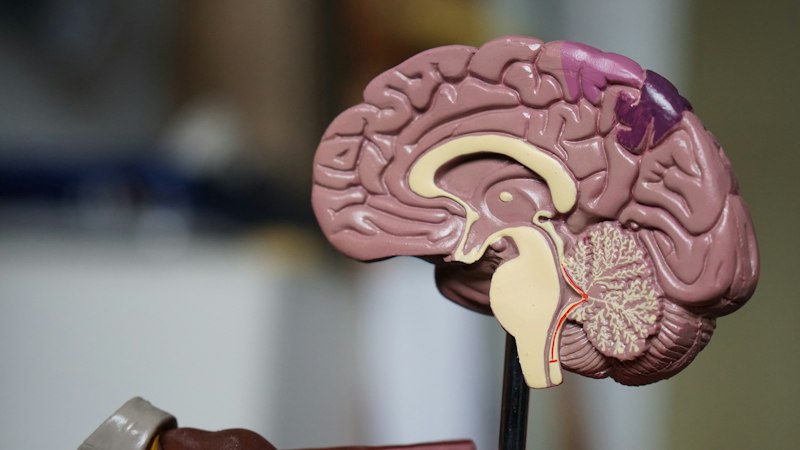
Following transduction, the resulting electrical signal must be transmitted from the receptor site to the specific processing centers in the brain. This signal takes the form of an action potential, commonly referred to as a neural impulse. This transmission typically involves afferent (sensory) neurons that relay the information. For most sensory modalities (with the notable exception of olfaction), the signals first pass through the thalamus, which acts as a primary relay and filtering station. The thalamus then directs the signals to the appropriate primary sensory cortex—for example, the somatosensory cortex for touch, or the auditory cortex for sound.
The nervous system encodes essential information about the stimulus within the pattern of these neural impulses. The intensity of the stimulus, for instance, is often encoded by the frequency of the action potentials—a louder sound or brighter light will trigger a higher frequency of firing in the respective sensory neuron. The location of the stimulus is encoded by which specific sensory neurons are activated (the principle of labeled lines). Furthermore, the duration of the stimulus is reflected in the length of time that the receptor cells continue to fire. This complex encoding system ensures that the brain receives a rich and detailed picture of the external event, even though the raw data has been translated entirely into electrical activity.
Historical and Philosophical Context of Sensation
The study of sensory input has deep roots, originating with early philosophical inquiries into the nature of knowledge. Greek philosophers, notably Aristotle, formalized the concept of the five external senses, which served as the prevailing model for millennia. Later, during the Age of Enlightenment, philosophers like John Locke and David Hume debated whether sensory input (experience) was the sole source of knowledge (empiricism) or whether some knowledge was innate (nativism). These early debates established sensory input as the critical interface between mind and matter.
The scientific study of sensory input truly began in the mid-19th century with the emergence of experimental psychology and neuroscience. Key figures like Hermann von Helmholtz made foundational contributions to understanding the physiology of vision and hearing, measuring the speed of the neural impulse and challenging long-held assumptions about the instantaneous nature of thought. However, the most direct scientific antecedent to the modern understanding of sensory input is the work of Gustav Fechner, the father of Psychophysics.
Fechner’s work, formalized in 1860, sought to establish a precise mathematical relationship between the magnitude of a physical stimulus and the intensity of the subjective psychological experience (sensation). His research introduced core concepts still used today, such as the Difference Threshold (or Just Noticeable Difference, JND) and the Absolute Threshold. Fechner demonstrated that sensory input was not a simple linear process but followed predictable, measurable mathematical laws. This move established the study of sensory input as a rigorous, quantitative science, laying the groundwork for all subsequent research in sensation and perception.
A Practical Example: Tasting and Evaluating Coffee
To illustrate the complexity of sensory input, consider the common, everyday scenario of a person preparing and evaluating a cup of coffee. This seemingly simple act requires the near-simultaneous integration of multiple sensory inputs, demonstrating how raw energy is converted and interpreted to guide action and form preference. The entire experience begins before the coffee even touches the lips, involving both chemical and thermal stimulation.
The process begins with olfaction and vision. As the hot water hits the grounds, volatile molecules are released, triggering chemoreceptors in the nasal cavity. This chemical input is transduced into electrical signals detailing the aroma’s profile (e.g., smoky, earthy, sweet). Simultaneously, visual receptors process the dark color, steam, and liquid level. When the person holds the cup, mechanoreceptors in the skin detect the texture of the mug, and thermoreceptors detect the high temperature. Each form of energy—chemical, light, mechanical, and thermal—is undergoing rapid transduction into distinct streams of neural impulse data traveling towards the brain.
Finally, upon tasting, the gustatory receptors on the tongue are stimulated by non-volatile chemical molecules, providing input on the basic tastes (sweet, sour, salty, bitter, umami). Importantly, the perceived “flavor” is not just taste input but a complex integration of gustatory input (from the tongue) and olfactory input (via the retronasal passage). The brain combines the input from the chemoreceptors in the nose and mouth, the thermoreceptors in the mouth lining (detecting temperature), and the mechanoreceptors (detecting viscosity or grit) to construct the final, coherent experience of flavor, which is then passed on for cognitive evaluation (e.g., “I like this blend,” or “It is too hot to drink”). This sophisticated, coordinated effort highlights how sensory input is the essential prerequisite for constructing reality.
Significance in Psychology and Neuroscience
Sensory input holds immense significance because it forms the necessary foundation for all cognitive processes, learning, and adaptive behavior. In psychology, reliable sensory input is crucial for developing accurate models of the world, which in turn guide decision-making and memory formation. If the input is systematically flawed (due to injury, congenital deficit, or environmental interference), the resulting perception and subsequent behavior are inevitably compromised. Therefore, understanding the limits and capabilities of sensory input systems is central to understanding human experience.
In neuroscience, the study of sensory input is vital for mapping the brain. Research in this area has helped delineate the exact pathways and cortical areas responsible for processing specific types of input, leading to a detailed understanding of sensory organization, such as the tonotopic map in the auditory cortex or the retinotopic map in the visual cortex. Furthermore, studying sensory input has informed our understanding of neuroplasticity, revealing how the brain can adapt and reorganize when one input source is lost or enhanced, such as in cases of sensory deprivation or cross-modal processing.
Practical applications of sensory input research are widespread. In clinical settings, the measurement of sensory thresholds is the basis for diagnostic tools like audiometry (hearing tests) and ophthalmological examinations. In applied fields such as human factors engineering and product design, knowledge of sensory adaptation and thresholds (derived from Psychophysics) is used to design instruments, alarms, and displays that are optimally detectable and understandable by users. For instance, designing cockpit warning lights requires precise knowledge of the visual system’s sensitivity to color and brightness to ensure maximum impact and minimum stimulation overload.
Connections to Perception and Cognitive Processing
Sensory input is inextricably linked to the broader field of perception, but the two are not interchangeable. While sensory input is the objective process of receiving and transducing energy, perception is the subjective, active process of selecting, organizing, and interpreting that input based on previous experiences, expectations, and context. A classic example is the “cocktail party effect,” where auditory input is filtered and prioritized based on cognitive focus. The sensory input (all sounds) is received, but perception determines which input stream is attended to and interpreted consciously.
This concept belongs primarily to the subfields of Biological Psychology and Cognitive Psychology. Biological Psychology focuses on the physical mechanisms of the receptor cells and neural pathways, emphasizing transduction and transmission. Cognitive Psychology takes over once the signal reaches the brain, examining how attention, memory, and top-down processing influence the interpretation of the incoming data. Furthermore, the specialized field of Psychophysics serves as the explicit bridge between the physical magnitude of the input and the psychological experience.
Key related concepts that stem from sensory input include:
- Sensory Adaptation: The reduction in sensitivity to a constant stimulus. If sensory input does not change, the nervous system reduces its response, allowing resources to be focused on novel or critical stimuli.
- Absolute Threshold: As mentioned, the minimum amount of stimulation required for a sensory system to detect a stimulus 50% of the time.
- Signal Detection Theory (SDT): A framework that addresses how observers separate true sensory signals from noise, emphasizing that detection is not just dependent on the intensity of the sensory input but also on the observer’s psychological state (motivation, expectations).
In summary, sensory input provides the essential data stream; cognitive processes then transform this stream into meaningful, adaptive, and subjectively experienced reality.