Sensory Integration: How Your Brain Decodes Reality
Scientifically Reviewed · Dr. Marwa Abd-Alazim · September 9, 2026
Review Criteria & Clinical Standards
This content undergoes rigorous scientific peer-review and medical editorial standards at Arab Psychology Network to ensure clinical accuracy, validity, and compliance with evidence-based guidelines from leading psychological and healthcare authorities (APA / WHO).
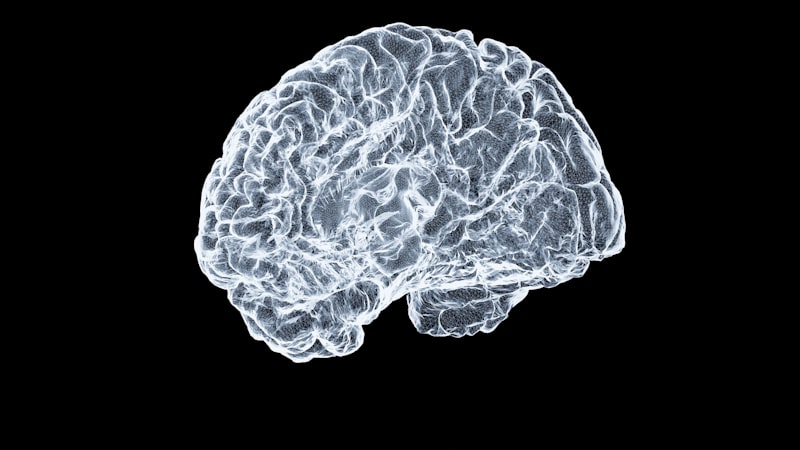
SENSORY INTEGRATION: A NEURAL FOUNDATION FOR ADAPTIVE FUNCTION
Sensory integration is defined as the neural process involved in perceiving, organizing, and evaluating sensory information across multiple modalities to produce an effective, goal-directed, or adaptive response. This complex neurological function, foundational to all human development and behavior, allows the individual to filter relevant data from the continuous stream of sensory input—including sights, sounds, textures, movement, and body position—and use this information to plan and execute meaningful actions. A well-integrated system is essential for developing motor skills, achieving emotional regulation, engaging in successful social interactions, and performing higher-level cognitive tasks. When sensory information is processed seamlessly, the individual’s attention is free to focus on learning and interacting with the world. Conversely, inefficiencies in this system can create significant barriers to functional independence.
The ability to successfully integrate sensory input enables the nervous system to create a cohesive internal map of the environment and the body’s relationship within it. This organized interpretation serves as the basis for motor planning, known as praxis, which involves conceiving a new action, planning the steps required, and executing the movements accurately. Because sensory integration directly impacts daily functioning, from dressing oneself to maintaining focus in a classroom environment, developing or enhancing sensory integration is recognized as a critically important aspect of therapeutic intervention, particularly within the field of occupational therapy. Intervention aims to improve the underlying neurological ability to process and organize sensory stimuli, thereby improving the quality and efficiency of the adaptive responses generated.
The core mechanism of sensory integration lies in the brain’s capacity for neuroplasticity—the ability to change and reorganize itself by forming new neural connections throughout life. Therapeutic strategies leverage this plasticity by providing controlled sensory opportunities that challenge the individual just enough to elicit a successful, yet effortful, adaptive response. This successful engagement reinforces the neural pathways, gradually improving the efficiency of sensory processing. Understanding the interplay between input, organization, and output is paramount for addressing developmental delays, learning challenges, and behavioral issues that often stem from underlying difficulties in processing sensory information.
HISTORICAL CONTEXT AND AYRES SENSORY INTEGRATION THEORY
The concept of sensory integration was first formalized and championed by occupational therapist and developmental psychologist Dr. A. Jean Ayres in the 1960s and 1970s. Dr. Ayres pioneered this field by observing that many children with learning difficulties and behavioral challenges exhibited unusual responses to sensation, suggesting that their problems were not primarily cognitive or emotional, but rooted in the way their central nervous system handled sensory input. Her foundational work posited that the brain is organized hierarchically, with input from the primitive sensory systems—specifically the tactile, vestibular, and proprioceptive systems—forming the foundation upon which more complex skills, such as language and academic learning, are built.
Ayres developed a comprehensive theoretical framework, known today as Ayres Sensory Integration (ASI), which views sensory integration as a process that occurs primarily, though not exclusively, in the brainstem and cerebellum, structures responsible for automatic regulation and basic survival mechanisms. Her research emphasized that difficulties in sensory processing disrupt the development of an “inner drive” to explore and master the environment, leading to disorganized behavior and difficulty achieving developmental milestones. She recognized that effective treatment must not merely teach skills, but must address the underlying neurological deficit by providing specific, meaningful sensory experiences within a therapeutic environment.
The enduring significance of Ayres’ contributions lies in her development of standardized assessments, such as the Sensory Integration and Praxis Tests (SIPT), and her insistence on defining the specific patterns of dysfunction. ASI theory distinguished itself by focusing on the active engagement of the child in activities that require them to organize their behavior in response to sensation, rather than passively receiving sensory stimulation. This dedication to the relationship between the neural processing of sensation and the resulting behavioral output cemented sensory integration theory as a major conceptual framework within developmental psychology and pediatric occupational therapy, maintaining rigorous standards for fidelity in clinical application.
THE CRITICAL ROLE OF CORE SENSORY MODALITIES
While the five traditional senses (vision, hearing, smell, taste, and touch) are widely recognized, sensory integration theory places particular emphasis on three “hidden senses” that are crucial for regulating movement, posture, and body awareness: the vestibular, proprioceptive, and tactile systems. The vestibular system, housed in the inner ear, is the primary source of information regarding gravity, movement, and balance. It informs the brain about the position of the head in space, the direction and speed of movement, and whether the body is accelerating or decelerating. This system is foundational for maintaining muscle tone, developing bilateral coordination, and ensuring gravitational security. Dysfunction in this area can manifest as poor balance, motion sickness, or, conversely, an insatiable need for intense movement.
The proprioceptive system, often referred to as the “body position sense,” receives information from receptors located in the muscles, tendons, and joints. This input allows the brain to know where the body parts are located relative to each other without relying on visual input. Proprioception is critical for grading the force of movement, maintaining posture, and executing coordinated actions like writing or catching a ball. When proprioceptive input is poorly integrated, an individual may appear clumsy, exert too much or too little force during tasks, or seek deep pressure and heavy work activities to better register their body position. This system works intimately with the vestibular system to establish spatial awareness and motor planning.
The tactile system processes information received through the skin, detecting pressure, temperature, pain, and texture. This system is crucial for developing protective responses (e.g., pulling away from heat) and discriminative functions (e.g., distinguishing a coin from a key in a pocket). Difficulties in tactile integration often present as tactile defensiveness, where light touch is perceived as irritating or overwhelming, or as tactile under-responsivity, where the individual fails to notice cuts or bruises. Effective integration of the tactile system is necessary not only for physical interaction with the environment but also for emotional security and the development of self-regulation skills, particularly in early childhood.
THE MECHANISMS OF SENSORY MODULATION
Sensory modulation refers to the nervous system’s capacity to regulate the degree, intensity, and nature of responses to sensory input. It is the process of filtering and adjusting to sensation, ensuring that the individual is neither overwhelmed nor under-responsive to the stimuli encountered. Effective modulation allows the nervous system to maintain an optimal level of arousal necessary for engagement and learning. When modulation is disordered, individuals typically fall into patterns of over-responsivity (hypersensitivity), under-responsivity (hyposensitivity), or sensory seeking. These patterns significantly impact behavior, emotional state, and functional performance across various environments.
Sensory over-responsivity (SOR) is characterized by a tendency to respond too strongly or for too long to sensory stimuli that most people find innocuous. For example, a child with auditory hypersensitivity might react intensely to a fire alarm or the sound of a toilet flushing, leading to panic or aggressive avoidance behaviors. Similarly, tactile defensiveness falls under SOR, causing severe distress when touched lightly or when required to wear certain clothing textures. This persistent state of heightened physiological arousal places the nervous system in a constant state of defense, exhausting regulatory resources and hindering attention and learning.
Conversely, sensory under-responsivity (SUR) involves failing to notice or respond to sensory input that is obvious to others. An individual with SUR might appear lethargic, withdrawn, or slow to initiate action because their nervous system requires input of a greater intensity or duration to register the sensation. They might miss verbal directions, ignore pain signals, or fail to adjust their posture because proprioceptive or vestibular input is not registering effectively. The third pattern, sensory seeking, involves an intense, almost insatiable craving for particular types of input, often vestibular or proprioceptive input, as the individual attempts to regulate their arousal level or achieve better body awareness through intense stimulation.
SENSORY PROCESSING DISORDER (SPD) CLASSIFICATION
While Ayres initially described Sensory Integration Dysfunction (SID), the terminology has evolved, and the clinical classification is often referred to today as Sensory Processing Disorder (SPD), particularly outside of the strict ASI framework. SPD is a neurological traffic jam that prevents certain parts of the brain from receiving the accurate information needed to interpret sensory information correctly. SPD is generally categorized into three primary types, each with distinct features, although an individual frequently presents with a combination of these patterns.
The three main categories of SPD include:
- Sensory Modulation Disorder (SMD): Defined by the difficulty in regulating the intensity, duration, and adaptation to sensory input. This category includes the patterns of over-responsivity, under-responsivity, and sensory seeking behaviors detailed previously. SMD is perhaps the most visible form of SPD, as it directly impacts behavioral regulation and social participation.
- Sensory Discrimination Disorder (SDD): Characterized by the difficulty in interpreting the qualitative aspects of sensory stimuli. For instance, an individual might register the sensation of touch but be unable to discriminate where they were touched (spatial discrimination) or what object they are holding (object recognition). This deficit impacts precision in tasks requiring fine motor skills or auditory processing for language comprehension.
- Sensory-Based Motor Disorder (SBMD): This category involves challenges in motor output that stem from poor processing of vestibular and proprioceptive input. SBMD is further divided into two sub-types: Postural Disorder, involving difficulty stabilizing the body during movement, resulting in poor balance and low muscle tone; and Dyspraxia (or motor planning problems), which involves the inability to conceive, plan, and execute non-habitual motor tasks smoothly and efficiently.
It is crucial to recognize that SPD is a distinct neurological condition, separate from, though often co-occurring with, other diagnoses such as Autism Spectrum Disorder (ASD), Attention Deficit Hyperactivity Disorder (ADHD), and anxiety disorders. A proper differential diagnosis is necessary to ensure that interventions target the primary source of functional limitation, whether it is regulation, discrimination, or motor planning.
ASSESSMENT AND DIAGNOSTIC METHODOLOGY
The accurate assessment of sensory integration difficulties requires a multifaceted approach utilizing standardized tools, detailed clinical observations, and comprehensive history gathering. The gold standard for assessing Sensory Integration and Praxis deficits, particularly for research and fidelity in ASI intervention, remains the Sensory Integration and Praxis Tests (SIPT), developed by Dr. Ayres. This battery of seventeen standardized tests measures specific aspects of tactile, vestibular, proprioceptive, and visual-motor processing, providing quantitative data on discrimination, modulation, and praxis abilities in children aged four to nine.
Beyond the SIPT, contemporary assessment relies heavily on structured clinical observations conducted by a trained occupational therapist. These observations evaluate the quality of the child’s spontaneous adaptive responses, including their ability to maintain balance, coordinate both sides of the body, manage gravity, and modulate their emotional and behavioral responses to sensory input within a therapeutic setting. Key observational markers include post-rotary nystagmus (an indicator of vestibular system integrity), prone extension (a measure of extensor muscle tone), and the quality of projected action sequences.
Furthermore, parent and teacher reports are integral components of the diagnostic process. Standardized questionnaires, such as the Sensory Profile, allow therapists to gather critical information regarding the frequency and intensity of sensory behaviors across various daily environments, providing ecological validity to clinical findings. The combination of standardized testing, which offers detailed neurological data; clinical observation, which highlights functional challenges; and self or proxy reports, which provide contextual information, allows the occupational therapist to develop a precise profile of the client’s sensory processing patterns and formulate highly individualized treatment goals.
THERAPEUTIC INTERVENTION THROUGH OCCUPATIONAL THERAPY
Developing or enhancing sensory integration is an important and specialized part of occupational therapy. The goal of intervention is not simply to manage symptoms or teach compensatory strategies, but to facilitate positive change within the central nervous system itself, improving its ability to process sensory input more efficiently. This intervention, known as Ayres Sensory Integration (ASI) intervention, must be implemented with fidelity, adhering to specific core principles established by Ayres.
ASI therapy is characterized by specific elements: the use of specialized equipment (e.g., suspended swings, scooter boards, crash pads) to deliver controlled vestibular, proprioceptive, and tactile input; a focus on the child’s inner drive to participate; and the establishment of a just-right challenge. The just-right challenge ensures that the activity requires an adaptive response that is challenging enough to promote neural growth but achievable enough to result in success. The therapist functions as a skilled guide, constantly adjusting the environmental demands and the sensory input based on the child’s observable response, encouraging them to organize their own behavior.
Therapy sessions are typically child-directed and playful, providing multisensory experiences that engage the child actively in planning and executing movements. For example, a child with dyspraxia might be challenged to swing on a trapeze and aim for a target, requiring complex integration of vestibular, visual, and proprioceptive input for successful motor planning. Through repeated engagement in these organized, sensory-rich activities, the nervous system gradually learns to sort, filter, and prioritize sensory information more effectively, leading to improved posture, better emotional regulation, enhanced attention span, and increased participation in daily life activities.
IMPACT AND CONTEMPORARY RELEVANCE
The theoretical framework of sensory integration has profoundly impacted developmental and pediatric health care, moving beyond its original application to learning disabilities to become a key component in understanding a wide range of neurodevelopmental and mental health conditions. Contemporary research continues to validate the link between sensory processing challenges and functional outcomes in areas such as sleep, feeding, emotional regulation, and social competence. This recognition has led to the integration of sensory-informed practices into various settings outside of specialized clinics.
In educational environments, sensory integration principles inform the creation of sensory diets, which are structured schedules of sensory activities designed to help children maintain an optimal state of arousal and focus throughout the school day. Furthermore, the knowledge of sensory processing is vital in addressing the needs of individuals with Autism Spectrum Disorder (ASD), as hyper- and hypo-sensitivities are extremely prevalent in this population and often drive restrictive behaviors and anxiety. Understanding the sensory profile of an individual with ASD allows for environmental modifications and therapeutic strategies that reduce distress and promote engagement.
The relevance of sensory integration extends into adult rehabilitation, particularly in areas dealing with trauma, mental health, and chronic pain. Trauma survivors often exhibit modulation difficulties (e.g., hypersensitivity to touch or sound) due to persistent nervous system dysregulation. Sensory-based interventions are increasingly utilized by occupational therapists and mental health professionals to help adults regulate their arousal states, ground themselves in the present moment, and improve body awareness. Thus, the principles formulated by Dr. Ayres continue to serve as a vital, evolving framework for understanding the intricate relationship between the body, the brain, and behavior across the entire lifespan.