Situational Conditions: Optimize Your Learning Space
Scientifically Reviewed · Dr. Marwa Abd-Alazim · August 24, 2026
Review Criteria & Clinical Standards
This content undergoes rigorous scientific peer-review and medical editorial standards at Arab Psychology Network to ensure clinical accuracy, validity, and compliance with evidence-based guidelines from leading psychological and healthcare authorities (APA / WHO).
Introduction and Definition of Situational Conditions
In the field of educational psychology, understanding the multifaceted nature of learning requires a comprehensive analysis of all variables that contribute to, impede, or modify the instructional process. Situational conditions represent the totality of external, environmental, and contextual variables present in the learning environment, most notably the classroom, that exert a direct or indirect influence on student engagement, cognitive load, and ultimately, academic achievement. These conditions are critically important because they define the immediate context in which knowledge acquisition and skill development occur, distinguishing them sharply from internal student characteristics such as intelligence, motivation, or prior experience. The framework of situational conditions moves beyond a purely individualistic view of learning, asserting that the environment itself is an active participant in the educational transaction. Recognizing these external influences—ranging from physical arrangements to subtle social dynamics—allows educators and researchers to systematically manipulate the environment to optimize pedagogical effectiveness and foster resilient learning outcomes across diverse student populations. The power of situational analysis lies in its ability to identify malleable factors that, unlike dispositional traits, can be purposefully altered to improve the quality and equity of education.
The scope of situational conditions is broad, encompassing elements that are both tangible and intangible. Tangible conditions include the physical layout of the classroom, the availability of resources, and the prescribed curriculum materials. Intangible conditions, arguably more complex and pervasive, involve the psychological climate, the established norms of interaction, and the inherent pressures derived from institutional policy. For instance, a high-stakes testing environment is a powerful situational condition that alters student anxiety, study strategies, and information retention patterns, irrespective of the student’s personal preparation level. Furthermore, situational conditions are rarely static; they fluctuate based on the specific task, the time of day, and the composition of the group. A collaborative task requires a different set of optimal situational parameters, such as flexible seating arrangements, clearly defined group roles, and adequate time allocated for discussion, than an individual reading comprehension task. Therefore, effective educational design necessitates a dynamic and responsive approach to managing these external variables, ensuring they align coherently with defined educational goals and the specific instructional moment being addressed.
Situational conditions serve as powerful moderators of learning theory in practice. Behaviorist perspectives emphasize how external reinforcement schedules, which are a key situational condition, shape observable behavior, while constructivist theories focus on the quality of the social relationships and the richness of the resources provided—both of which are contextual factors—that enable students to build their own understanding. These external factors dictate not only what is learned, but also the manner in which information is processed and retained. For example, the clarity of instructions, the structure of the assignment rubric, and the immediate availability of corrective feedback are all contextual elements that mediate the success of any learning intervention. Researchers often categorize these conditions into structural factors, such as class size and scheduling; operational factors, such as teaching methodologies and assessment practices; and affective factors, such as the emotional climate and safety perceptions. A holistic understanding of these interwoven factors is essential for developing comprehensive educational strategies that maximize student potential and address systemic barriers to learning rooted in the environment rather than solely in the individual student.
The Role of Time Factors in Learning
Time factors constitute a fundamental subset of situational conditions that profoundly influence educational outcomes by structuring the pace, duration, and scheduling of instruction. The allocation of instructional time—the number of minutes dedicated to a specific subject per week, the length of the academic term, and the cadence of breaks—directly impacts opportunities for mastery. Shorter instructional periods may necessitate a rapid pace that favors superficial coverage over deep, elaborative processing, potentially hindering the development of long-term retention and complex problem-solving skills. Conversely, excessively long, unbroken blocks of instruction can lead to cognitive fatigue and reduced attention spans, diminishing the effectiveness of the later portions of the lesson. The strategic management of time requires educators to balance the need for comprehensive curriculum coverage with the biological and psychological limits of student concentration, ensuring that time allocation is optimized for peak learning efficiency.
Beyond simple duration, the placement of learning activities within the daily or weekly schedule acts as a significant situational condition. Research indicates that the time of day can interact with student chronotypes and the complexity of the material. For instance, tasks requiring high levels of focused attention or abstract reasoning may be best scheduled during morning hours when cognitive resources are typically highest, whereas more active, collaborative, or creative tasks might be suitable for later periods. Furthermore, the concept of distributed practice is a time-related situational condition where staggering learning sessions over longer intervals, rather than massing them into single, intensive periods, significantly enhances memory consolidation and transfer. Institutions must therefore consider the psychological implications of scheduling decisions, recognizing that a seemingly administrative choice regarding bell times or period lengths can have profound consequences for student learning capability and psychological well-being.
The perception of time pressure is another critical temporal situational condition. When students feel rushed to complete assignments or tests, this pressure often elevates anxiety and shifts cognitive resources away from deep processing towards speed and superficial completion. This is particularly relevant in high-stakes environments where the duration of an examination is perceived as insufficient. Educators must utilize time factors judiciously, ensuring that assignments offer sufficient time for thoughtful engagement and revision, thereby promoting a mastery orientation rather than a performance orientation driven by temporal constraints. Effective manipulation of time involves not only the macro-level schedule but also the micro-level instructional pacing, ensuring smooth transitions, minimizing non-instructional interruptions, and allocating appropriate wait time after posing questions to allow for deeper student reflection and response formulation.
Methods of Assessment and Testing
The methods of testing and evaluation utilized in a learning environment represent a powerful set of situational conditions that define what students prioritize, how they study, and what behaviors they display under duress. Assessment methods convey implicit messages about the educational goals; if only factual recall is tested, students will prioritize memorization, even if the stated goal is critical thinking. The format of the test, whether multiple-choice, essay, performance-based, or portfolio review, dictates the type of cognitive effort required and the range of skills that can be demonstrated. For example, performance assessments create a context that demands application and synthesis of knowledge in a realistic setting, a situational condition that contrasts sharply with the isolated recall demanded by standardized, objective testing formats. Therefore, the choice of assessment method fundamentally shapes the instructional environment and acts as a regulator of student learning behavior.
The situational condition surrounding the frequency and stakes of testing also heavily influences the psychological climate. High-stakes examinations, which carry significant consequences for academic progression or graduation, inherently introduce immense pressure and anxiety, potentially triggering stereotype threat or test anxiety that interferes with actual performance, regardless of actual competence. In contrast, low-stakes or formative assessments, such as quizzes used solely for feedback, create a less threatening situational context that encourages risk-taking, self-monitoring, and the identification of knowledge gaps without punitive consequences. The implementation of specific feedback mechanisms, such as detailed rubrics or immediate automated feedback, further serves as a situational condition that guides student revision and self-correction strategies. The assessment environment must thus be structured not only to measure learning but also to facilitate it, positioning evaluation as an integral, supportive part of the learning cycle rather than a terminal judgment.
Furthermore, the physical and administrative conditions under which testing occurs are critical situational variables. Factors such as the testing room environment (lighting, noise levels, temperature), the use of technology, and the proctoring rules can all influence performance. For students with learning differences, specific testing accommodations, such as extended time or alternative formats, are necessary situational modifications designed to equalize the testing environment and ensure that the assessment accurately measures competence rather than disability or environmental interference. The integrity and perceived fairness of the testing process itself—including measures against cheating and clarity regarding grading criteria—are crucial situational conditions that maintain student trust and motivation. When testing procedures are viewed as arbitrary or unfair, the resulting frustration becomes a negative situational variable that can undermine overall academic engagement and effort.
Pedagogical Strategies and Teaching Methods
The specific teaching methods employed by the instructor constitute a dynamic and powerful set of situational conditions that dictate the nature of intellectual engagement within the classroom. Whether the instruction is primarily lecture-based, involves extensive cooperative learning, utilizes inquiry-based projects, or employs technology-mediated instruction, the pedagogical approach structures the student’s experience and opportunities for interaction. A traditional lecture setting, for instance, establishes a situational condition where the student is primarily a passive receiver of information, emphasizing listening and note-taking skills. Conversely, project-based learning creates a situational condition characterized by complexity, ambiguity, collaboration, and self-directed exploration, requiring high levels of executive function and teamwork skills.
The alignment between instructional methods and desired learning outcomes is paramount. If the goal is to develop complex problem-solving abilities, the situational condition must reflect this goal, demanding active construction of knowledge through complex scenarios rather than rote memorization facilitated by drill and practice. The degree of structure provided by the teaching method is also a significant variable. Highly structured instruction, characterized by explicit steps and clear expectations, may be beneficial for novices or when teaching foundational skills. Less structured, discovery-oriented methods, however, create a situational condition that fosters critical thinking and meta-cognitive awareness, suitable for advanced learners or when the goal is deep conceptual understanding. Educators must skillfully navigate this situational variable, adapting their methods based on the learners’ developmental stages and the complexity of the content.
Key components of instructional delivery that function as situational conditions include the quality and timing of instructor feedback, the use of varied presentation modalities, and the inclusion of elements designed to promote active recall. For example, incorporating frequent low-stakes retrieval practice into lessons modifies the situational condition from passive reception to active engagement, significantly improving long-term retention. Furthermore, the teacher’s interaction style—whether authoritarian, authoritative, or laissez-faire—establishes the affective tone of the learning situation. An authoritative style that balances high expectations with high support creates a psychologically safe situational condition conducive to academic risk-taking and productive struggle, which are essential for deep learning and resilience.
Goals, Expectations, and Motivational Climate
The articulation and communication of goals and expectations are paramount situational conditions that define the motivational climate of the educational setting. When learning goals are presented as challenging yet attainable, they create a situational context that fosters self-efficacy and intrinsic motivation. Conversely, goals that are perceived as overwhelmingly difficult or irrelevant can lead to learned helplessness and disengagement. Educational goals can be broadly categorized as mastery goals (focusing on skill development and learning) or performance goals (focusing on demonstrating competence relative to others). The prevailing goal orientation of the classroom, heavily influenced by teacher messaging and grading practices, acts as a powerful situational regulator of student effort and persistence.
The situational condition created by institutional and classroom expectations regarding performance directly influences student self-perception and effort allocation. Clear, consistent, and high expectations, coupled with the necessary support structures, communicate a belief in the students’ capacity to succeed, acting as a positive situational variable often associated with the Pygmalion effect. Conversely, low expectations can inadvertently become a self-fulfilling prophecy. The way in which results of performance are communicated—whether focusing on effort, strategy, or innate ability—is a critical situational condition that shapes attribution patterns. Feedback emphasizing strategy and effort encourages students to attribute failure to malleable factors they can control, promoting resilience and continued effort in the face of setbacks. This stands in sharp contrast to feedback that emphasizes inherent ability, which can lead to withdrawal when failure occurs.
The structure of rewards and recognition within the learning environment also functions as a powerful motivational situational condition. If the environment is highly competitive, emphasizing extrinsic rewards for top performance, this situational context may foster comparison and anxiety, potentially discouraging collaboration and risk-taking. A situational climate that instead prioritizes effort, improvement, and collaboration over pure ranking promotes a healthier, more sustainable form of motivation aligned with mastery orientation. Utilizing tools like goal-setting journals, public recognition of effort, and individualized progress tracking are situational interventions that help students internalize goals and manage their own learning process effectively within the established climate.
Social and Interpersonal Dynamics
The quality of social relationships and interpersonal dynamics within the learning environment constitutes a vital set of situational conditions that profoundly influence emotional security, cognitive engagement, and willingness to participate. The classroom is inherently a social system, and the norms established for interaction—including respect for diverse opinions, tolerance for error, and equitable turn-taking—determine the psychological safety of the setting. A positive social climate, characterized by supportive peer relationships and respectful teacher-student interactions, acts as a buffer against academic stress and encourages students to engage in productive dialogue and intellectual risk-taking, essential ingredients for higher-order thinking.
The situational condition of collaboration, when managed effectively, can significantly enhance learning outcomes. Cooperative learning structures require students to depend on one another, fostering interdependence and providing opportunities for peer tutoring, which benefits both the tutor and the tutee. However, poorly structured group work can become a negative situational condition, leading to social loafing, unequal contribution, or conflict. Effective management of this condition requires the instructor to clearly define roles, ensure individual accountability, and explicitly teach social skills necessary for effective teamwork, thereby maximizing the cognitive and affective benefits derived from group interaction. The absence of strong, positive social bonds can lead to isolation, which is a significant situational barrier to full participation and emotional well-being.
Furthermore, the relationship between the student and the teacher is perhaps the most critical interpersonal situational condition. Teachers who exhibit warmth, clarity, and fairness create a predictable and nurturing environment where students feel valued and understood. This positive relational climate facilitates effective communication, increases student willingness to seek help, and strengthens adherence to classroom behavioral norms. Conversely, relationships marked by inconsistency, perceived unfairness, or hostility introduce a high degree of emotional threat into the situation, diverting cognitive resources away from academic tasks toward self-protection and anxiety management. Analyzing the social network within the classroom—identifying patterns of inclusion, exclusion, and influence—is crucial for understanding and modifying the social situational conditions to foster an inclusive and equitable learning experience for all students.
Environmental and Physical Context
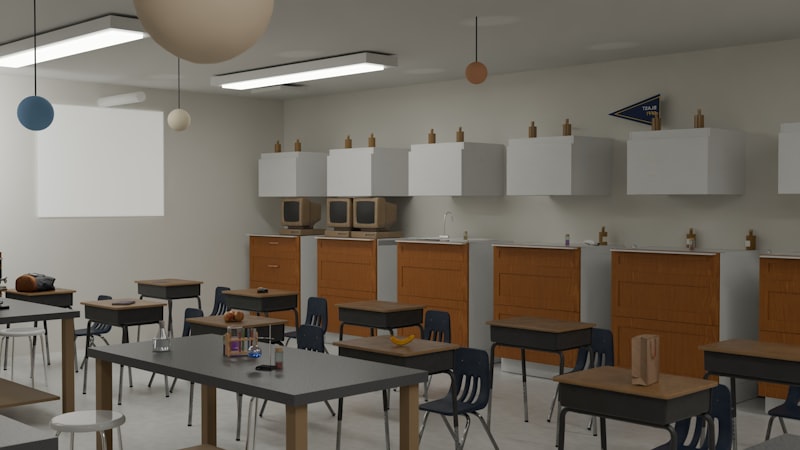
The physical environment of the classroom is a foundational set of situational conditions that subtly and overtly impact learning behaviors. Factors such as lighting quality, air circulation, temperature control, and noise levels directly affect student comfort, alertness, and ability to sustain attention. For instance, poor illumination or excessive external noise creates a distracting situational context that increases cognitive load and hinders complex mental processing. The design and aesthetics of the classroom, including the use of color, display of student work, and organization of materials, contribute to the overall mood and perception of the learning space, communicating whether the environment is valued, organized, and conducive to serious intellectual work.
The arrangement of furniture and instructional materials serves as a crucial situational condition influencing interaction patterns. Traditional row seating favors teacher-centered instruction and limits peer interaction, establishing a formal, quiet learning situation. Flexible seating arrangements, circular setups, or dedicated learning zones create a situational condition that promotes movement, collaboration, and student autonomy, aligning better with constructivist pedagogies. The availability and accessibility of resources—such as technology, manipulatives, and diverse reading materials—are also vital situational components. A lack of readily available resources can create bottlenecks in the learning process, frustrating students and limiting the scope of inquiry-based tasks.
In contemporary educational settings, the physical presence and integration of technology act as complex situational conditions. While technology offers immense opportunities for personalized learning and access to global resources, its implementation must be carefully managed. Distractions inherent in device usage, technical failures, and unequal access to high-speed internet are situational variables that can undermine instructional effectiveness. Therefore, the physical context must be intentionally designed to minimize environmental interference and maximize ergonomic suitability, ensuring that the physical conditions support the cognitive demands placed upon the learners, rather than competing with them.
Reciprocal Interaction and Feedback Loops
Situational conditions operate not in isolation but through complex, reciprocal interactions and feedback loops that continually shape the learning environment. The relationship between a specific situational condition and student outcome is rarely linear; rather, the student’s reaction to one condition often modifies another condition. For example, a student’s initial success on a low-stakes assignment (a positive performance result) improves their self-efficacy, which then positively alters their perception of the difficulty of the next assignment (a change in the motivational climate and expectation situational condition), leading to increased effort and engagement. This dynamic interplay underscores the complexity of managing the learning environment.
The feedback loop between teacher behavior and student response is particularly potent. If a teacher responds to student errors with impatience (a negative social situational condition), students may become less willing to participate or ask questions, leading to a decrease in intellectual risk-taking (a change in the pedagogical situational condition). Conversely, a teacher who provides detailed, encouraging, and timely feedback creates a situational context that reinforces meta-cognitive monitoring and strategic adjustment. Understanding these loops is crucial because interventions aimed at a single situational variable—such as simply shortening the instructional period—may have unintended consequences on other variables, such as increasing anxiety or reducing time for crucial social scaffolding.
Effective educational leadership involves systematically analyzing these interactive situational conditions. This requires utilizing diagnostic tools to assess not only academic performance but also students’ perceptions of the situational variables, including the fairness of testing methods, the clarity of goals, and the quality of social relationships. By treating the classroom as a complex system of interconnected situational factors, educators can move beyond quick fixes and implement systemic changes that create a durable and optimally functional learning environment. The success of any educational intervention hinges on its ability to positively influence these intricate feedback mechanisms.
Implications for Educational Practice
Recognizing the pervasive influence of situational conditions holds profound implications for educational practice, shifting the focus from solely remediating individual student deficits to optimizing the environment in which learning takes place. The primary implication is the need for intentional design across all levels of the educational system. Curricular designers must consider the temporal conditions necessary for deep learning, administrators must optimize resource allocation and physical environments, and teachers must meticulously structure pedagogical and social conditions. This intentionality ensures that all external factors are aligned to support the desired cognitive and affective outcomes.
Practically, educators must become skilled diagnosticians of their own classrooms, employing reflective practice to assess how specific situational conditions might be hindering learning. This involves analyzing:
- Assessment Design: Are the testing methods accurately measuring the instructional goals, or are they inadvertently promoting surface-level learning?
- Temporal Management: Is the pacing appropriate for the content complexity and the students’ developmental needs, or are students frequently rushed or disengaged?
- Social Climate: Are the social relationships supportive and inclusive, or do subtle or overt negative dynamics interfere with collaboration and participation?
By systematically reviewing and adjusting these variables, educators can implement targeted, evidence-based situational modifications.
Ultimately, the mastery of managing situational conditions transforms the role of the educator from a mere dispenser of information to an architect of learning environments. This architectural responsibility demands continuous evaluation and adaptive modification based on the immediate feedback provided by student performance and engagement. The goal is to establish a robust, flexible, and supportive situational context—one that minimizes external barriers and maximizes the intrinsic human capacity for growth and achievement. By focusing on these external variables, educational systems gain powerful, malleable leverage points for improving instructional equity and effectiveness across all demographics.